President Trump is consulting with major bank CEOs about potentially monetizing Fannie Mae and Freddie Mac through a public stock offering, which could be one of the largest IPOs ever, as part of efforts to privatize these government-sponsored enterprises that have been under government control since 2008.
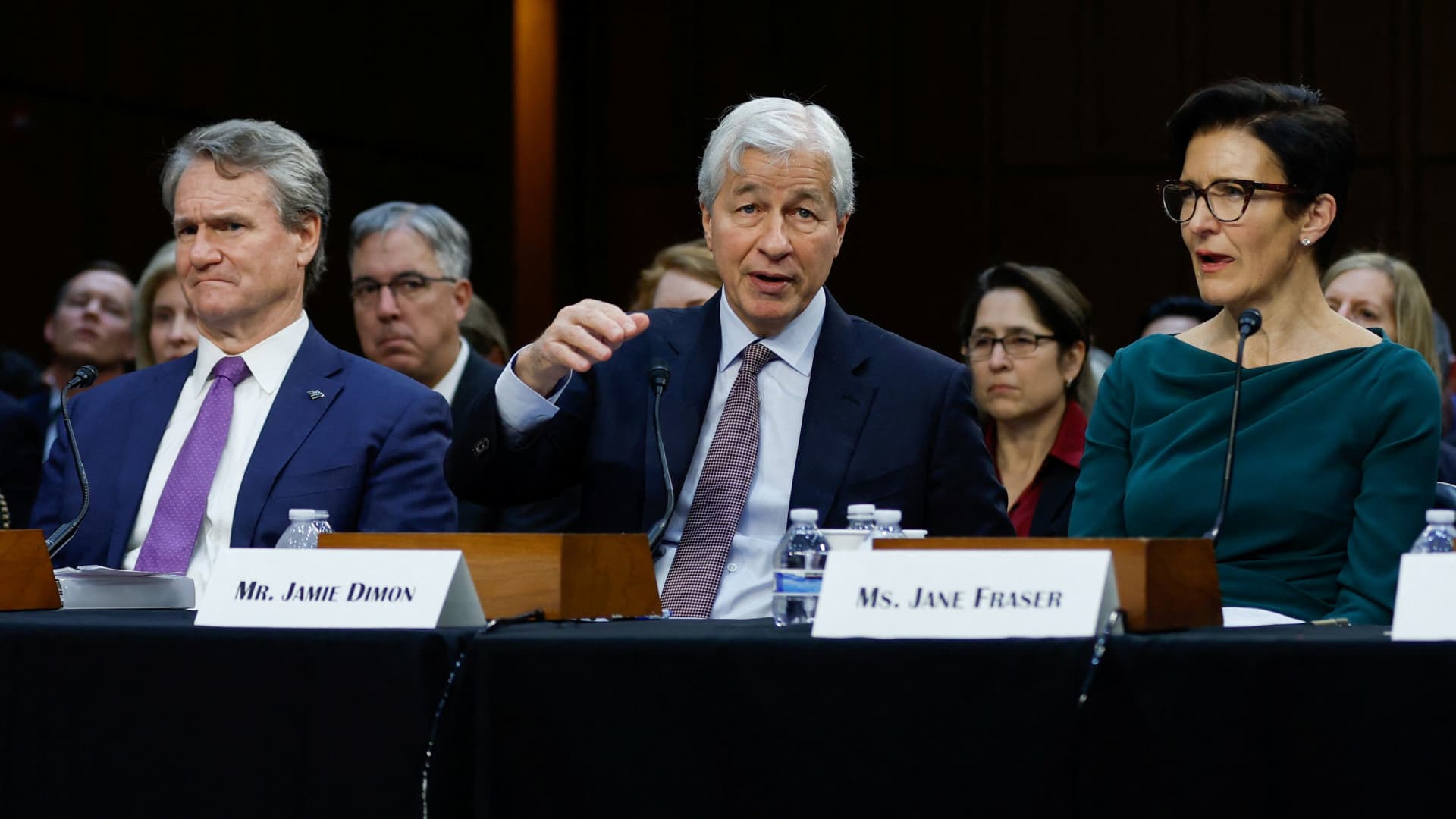
Bank CEOs, including Jamie Dimon of JPMorgan Chase, expressed their support for reforming the Supplemental Security Income (SSI) program, which has not been updated by Congress in 40 years. The current asset limits of $2,000 for individuals and $3,000 per couple are considered outdated and regressive, trapping people in poverty. Other Wall Street executives, such as Charles Scharf of Wells Fargo and Jane Fraser of Citigroup, also voiced their support for the proposed changes. However, the reforms will require a vote from Congress to be implemented.
Bank CEOs are warning about a potential recession as they express concerns over the Basel III endgame, a package of new banking regulations that would increase the level of capital banks are required to hold. The proposal has faced backlash from lawmakers and CEOs, who argue that it would limit lending and force higher interest rates on loans. However, financial regulators argue that higher capital requirements would strengthen banks during financial stress and reduce the risk of taxpayer-funded bailouts. The Basel III endgame has not been finalized and the rule-making process has been extended to January 2024.
Citigroup CEO Jane Fraser, along with other bank CEOs, warns of a potential recession due to factors such as persistent inflation in services, rising debt levels, a slowdown in global growth, and conflicts in Europe and the Middle East. Fraser also notes that consumer spending is pulling back, aligning with recent government data, while customers with low credit scores are taking on high levels of debt. Bank of America CEO Brian Moynihan suggests that consumers are in decent shape, and JPMorgan Chase CEO Jamie Dimon urges Americans to prepare for a recession. Fraser also publicly acknowledges a Consumer Financial Protection Bureau investigation into allegations of illegal discrimination against Armenian Americans by Citigroup.
U.S. stocks opened higher after a weaker-than-expected private-sector jobs report showed moderate growth in hiring in November. The Dow Jones Industrial Average rose 0.2%, the S&P 500 gained 0.3%, and the Nasdaq Composite increased 0.4%. The ADP payroll estimate, although not a reliable predictor, indicated slower hiring and a softer labor market. Investors are awaiting the official jobs data, jobless claims numbers, and the November employment report for further insights into the state of the economy and the impact of higher interest rates. Additionally, bank CEOs' testimonies and corporate earnings reports are being closely monitored.
CEOs of America's largest banks, including JPMorgan Chase and Bank of America, are already expressing concerns about upcoming regulations that will increase capital requirements for banks. They argue that the proposed rules are excessive, limit US competitiveness abroad, and could slow the economy. On the other hand, Senate Democrats believe strengthening capital requirements is necessary for the resiliency and safety of the US banking system. The battle between bank regulators and bank executives will shape the future of the US banking industry.
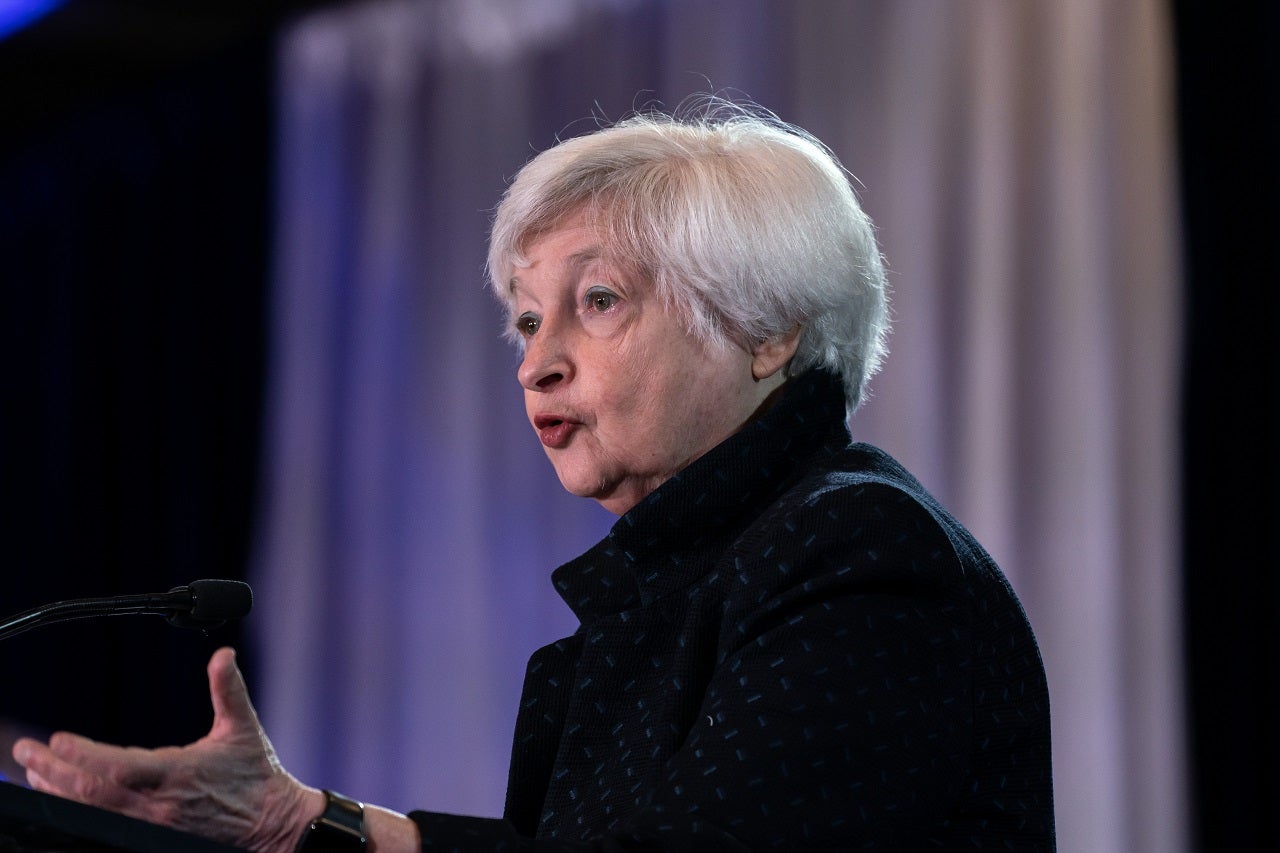
US Treasury Secretary Janet Yellen is set to meet with the CEOs of major banks, including Bank of America, JPMorgan, and Citigroup, at the annual meeting of the Bank Policy Institute on Thursday. The discussion is expected to focus on the debt ceiling and the ongoing banking crisis. Yellen's meeting comes as the country faces a potential default on its debt, with time running out to raise the ceiling. JPMorgan CEO Jamie Dimon recently warned of the potentially catastrophic consequences of a default and revealed that the bank is preparing for the risk.