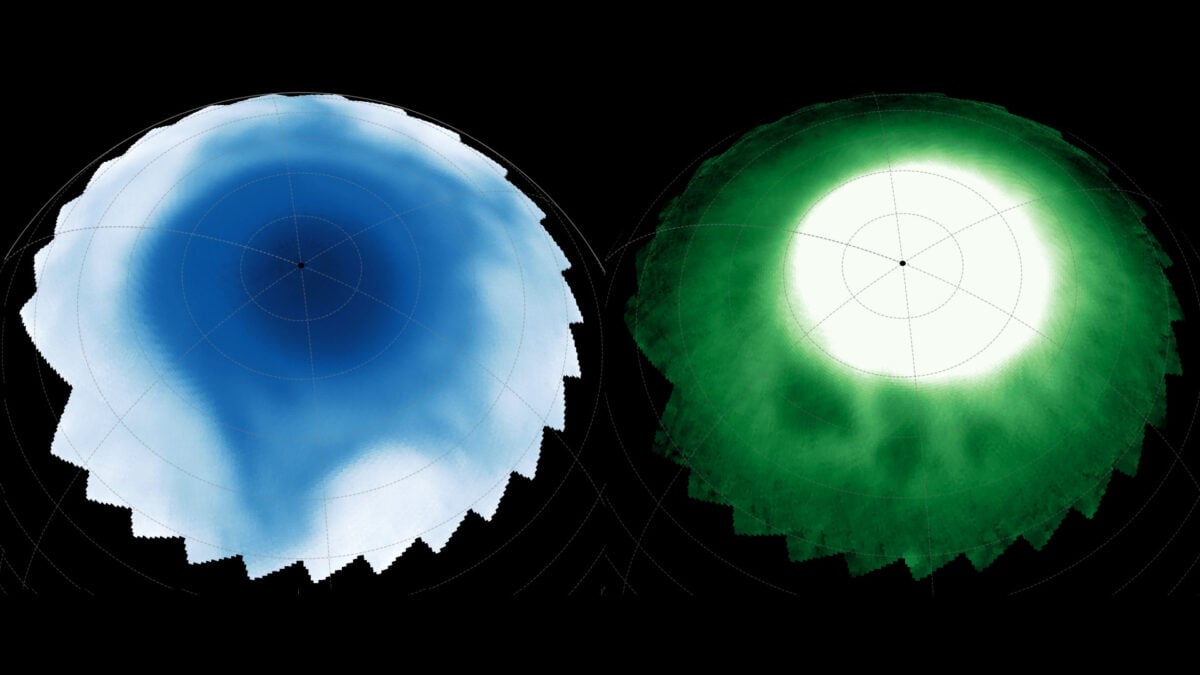
Astronomers using the JWST discovered unprecedented bead and star patterns in Saturn's atmosphere, revealing new insights into its weather and magnetic interactions, with further observations needed to understand their significance.
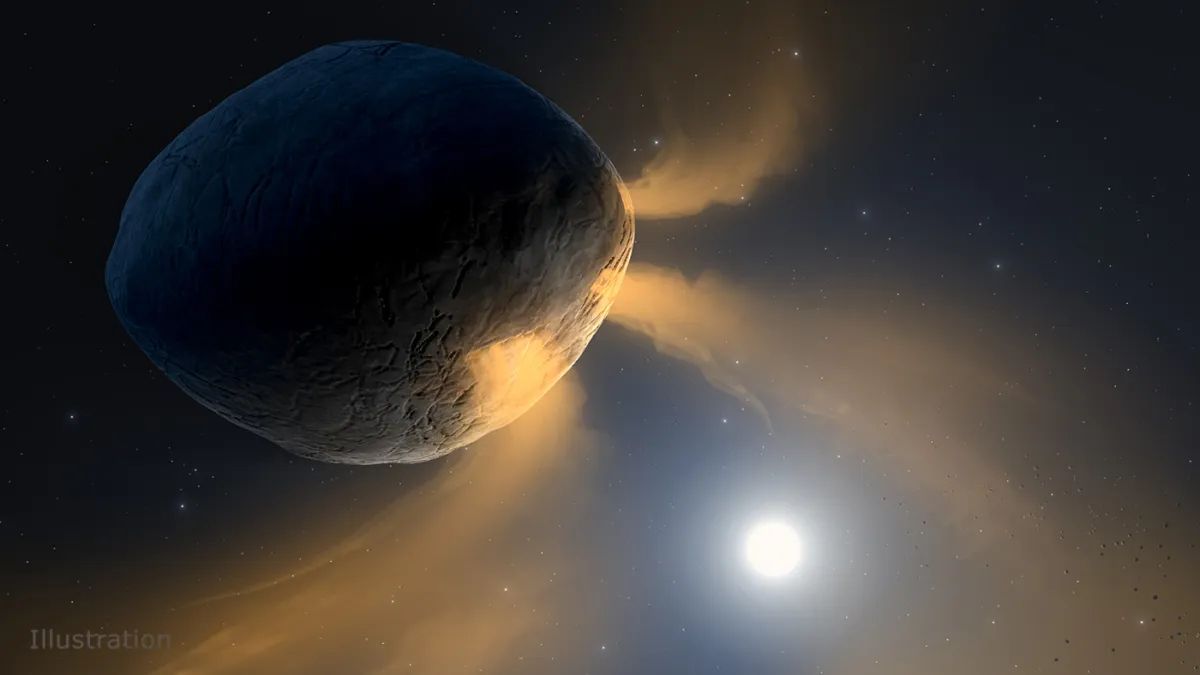
Astronomers have long been puzzled by the mysterious tail of the asteroid Phaethon, which is visible when it passes closest to the sun but not when it is farther away. New research using NASA's Spitzer space telescope suggests that Phaethon likely belongs to a rare class of meteorite called the "CY carbonaceous chondrite." The asteroid's emission spectrum reveals minerals consistent with this class, including olivine, carbonates, iron sulfides, and oxide minerals. Thermal modeling shows that as Phaethon approaches the sun, its surface temperatures can rise to 800°C, causing the release of gases from the minerals and the breakdown of the rock, resulting in the formation of a tail.