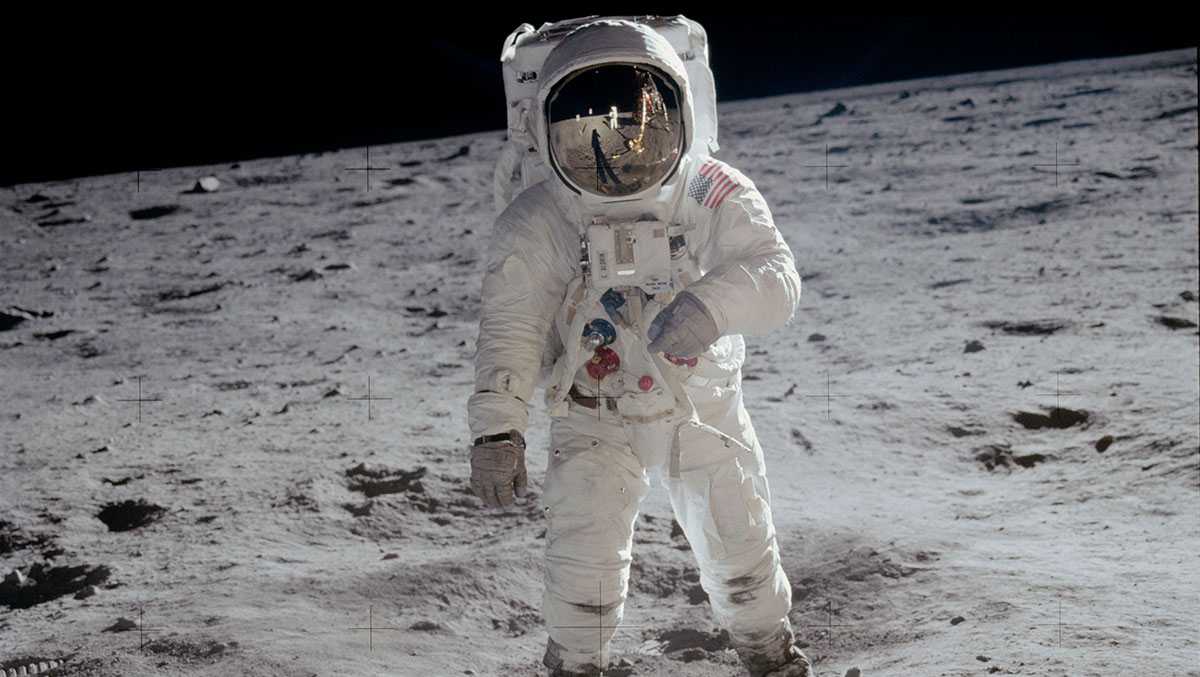
Fifty-six years after Apollo 11's historic moon landing, Pope Leo XIV spoke with astronaut Buzz Aldrin, reflecting on human achievement and creation, and blessed him and his family. Aldrin shared the blessing on social media, expressing gratitude. The Pope also visited the Vatican Observatory on the anniversary day.
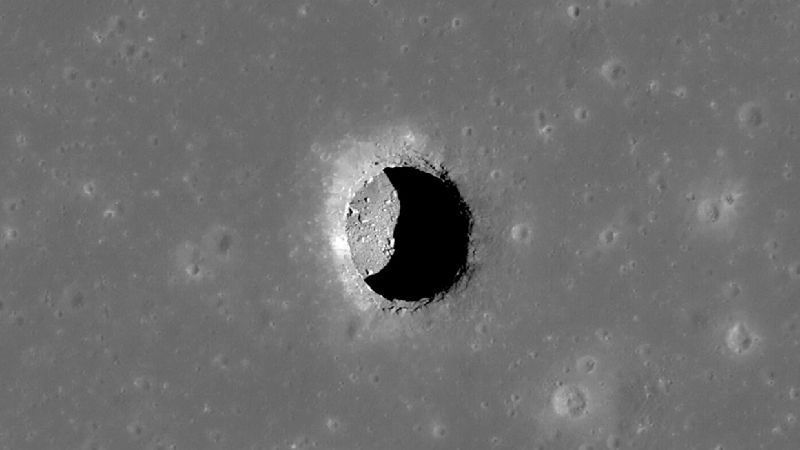
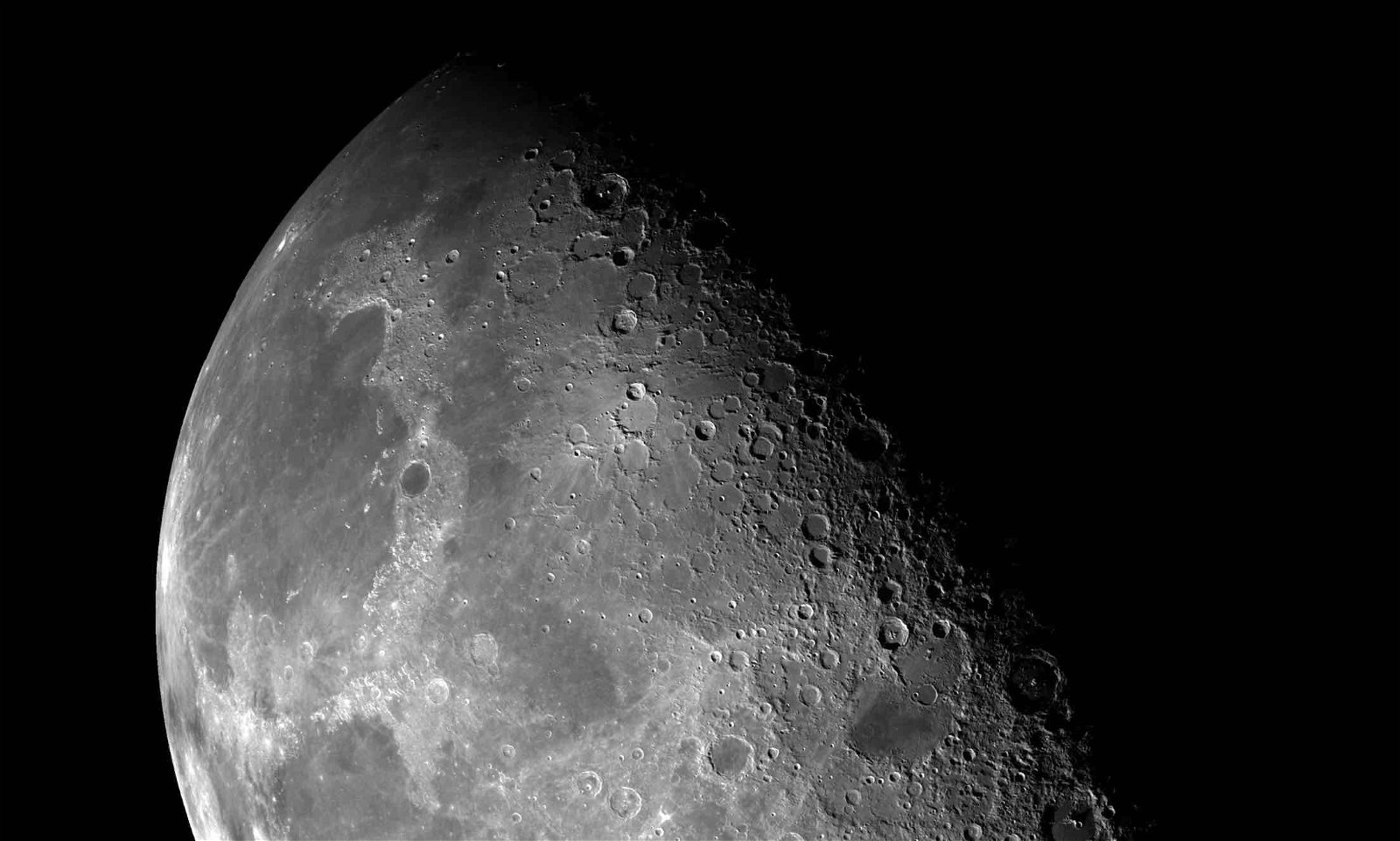
Scientists have confirmed the existence of a lunar cave connected to the moon's deepest known pit, located in Mare Tranquillitatis. This discovery could provide crucial shelter for astronauts from extreme temperatures and radiation, aiding future lunar missions. The cave, detected through radar data from NASA's Lunar Reconnaissance Orbiter, measures at least 45 meters wide and could be part of a larger network of lava tubes. This finding opens new possibilities for long-term human presence on the moon and offers insights into lunar evolution and volcanism.
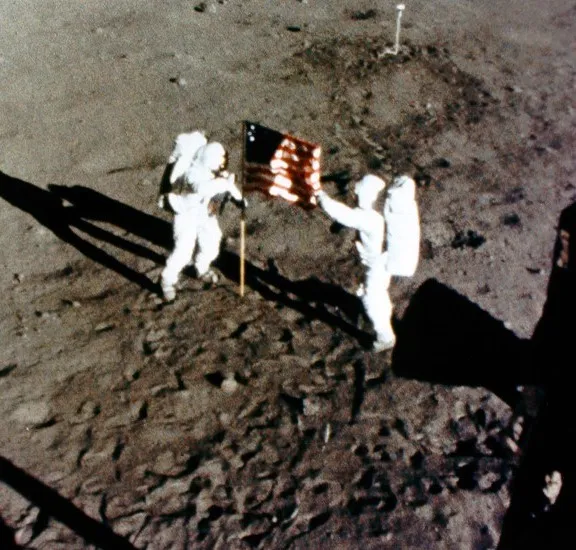
In July 1969, Apollo 11 astronauts Neil Armstrong, Michael Collins, and Buzz Aldrin successfully landed on the Moon, fulfilling President Kennedy's goal. The mission included iconic moments such as Armstrong's first step and the collection of lunar samples, which were analyzed shortly after the crew's return to Earth. The event marked a significant milestone in human space exploration.
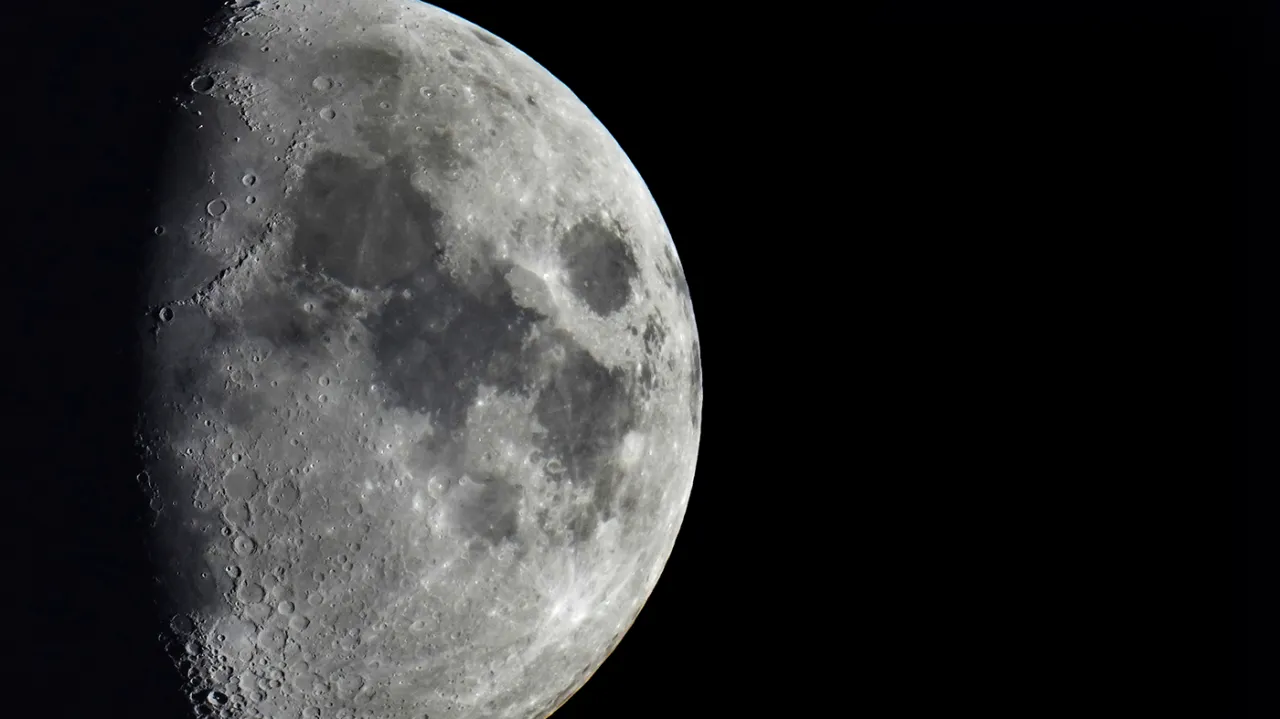
Scientists have confirmed the existence of a sizable cave on the moon near the Apollo 11 landing site, which could potentially house future astronauts. The cave, located at the Sea of Tranquility, was discovered using radar data from NASA's Lunar Reconnaissance Orbiter. Researchers believe there are hundreds of similar pits and lava tubes on the moon that could provide natural shelters, protecting astronauts from cosmic rays, solar radiation, and micrometeorite strikes.
Scientists have discovered a sizable underground cave on the moon near the Apollo 11 landing site, which could potentially shelter astronauts on future lunar missions. The cave, located at the Sea of Tranquility, was identified using radar data from NASA's Lunar Reconnaissance Orbiter and is believed to be part of a collapsed lava tube. This discovery opens up possibilities for long-term human exploration and habitation on the moon, although building habitats within these caves would present significant challenges.
Today, July 20, is known as Moon Day, marking the historic day in 1969 when human beings first set foot on the moon. The Apollo 11 mission, led by Neil Armstrong, captivated millions of people around the world as they watched the live television broadcast of Armstrong taking that iconic first step. The lunar missions were a monumental achievement, with scientists overcoming numerous challenges and uncertainties to reach the moon. As the United States prepares for its next mission to the moon, it is important to remember the pioneers who made this incredible feat possible and the technological advancements that have propelled space exploration forward.
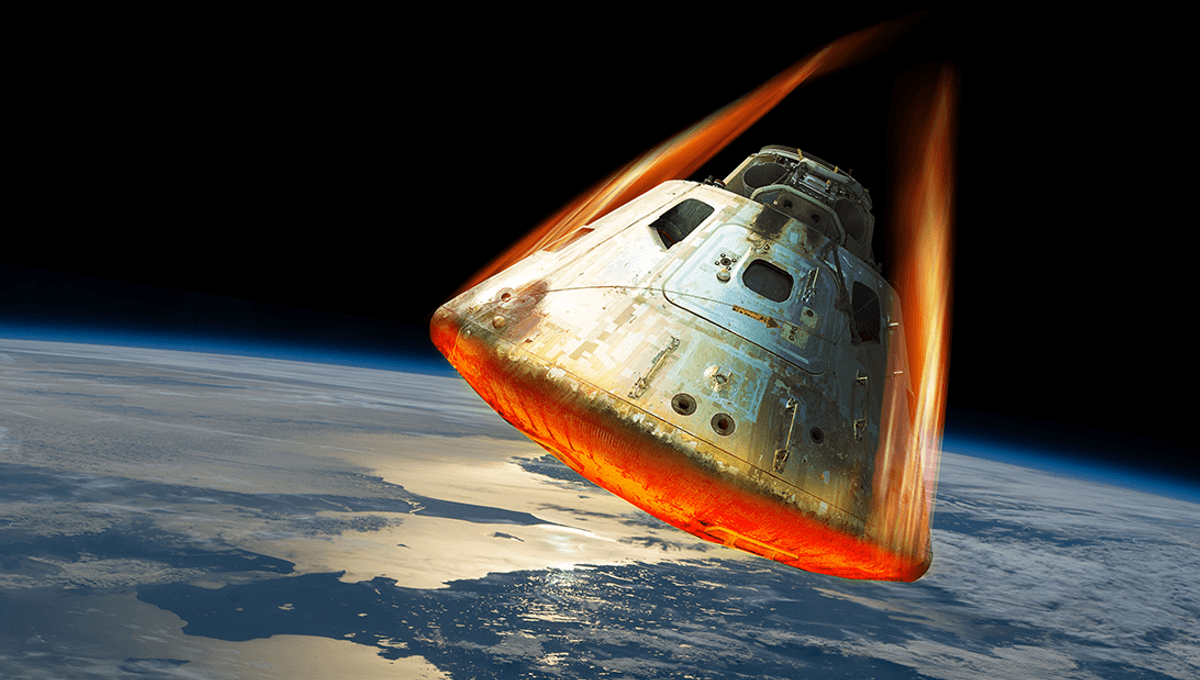
During the Apollo 11 mission, an anomaly occurred during the crew's return to Earth, where the Service Module was supposed to maneuver away from the Command Module before re-entry. However, the Service Module came dangerously close to the Command Module, increasing the risk of collision. The crew managed to make it back safely, but subsequent investigations revealed that Apollo 8 and Apollo 10 had experienced the same problem. NASA identified a controller issue as the cause of the anomaly and fixed it in time for Apollo 13.
The fate of the Lunar Module ascent stage, Eagle, from the Apollo 11 mission has long been presumed to have crashed into the lunar surface. However, a researcher has proposed a theory that it could still be in lunar orbit. Planetary radar could be used to detect the spacecraft, which is larger than the Lunar Reconnaissance Orbiter and could be easily detectable. Although the likelihood of spotting Eagle optically seems unlikely, its recovery could provide a wealth of useful information.
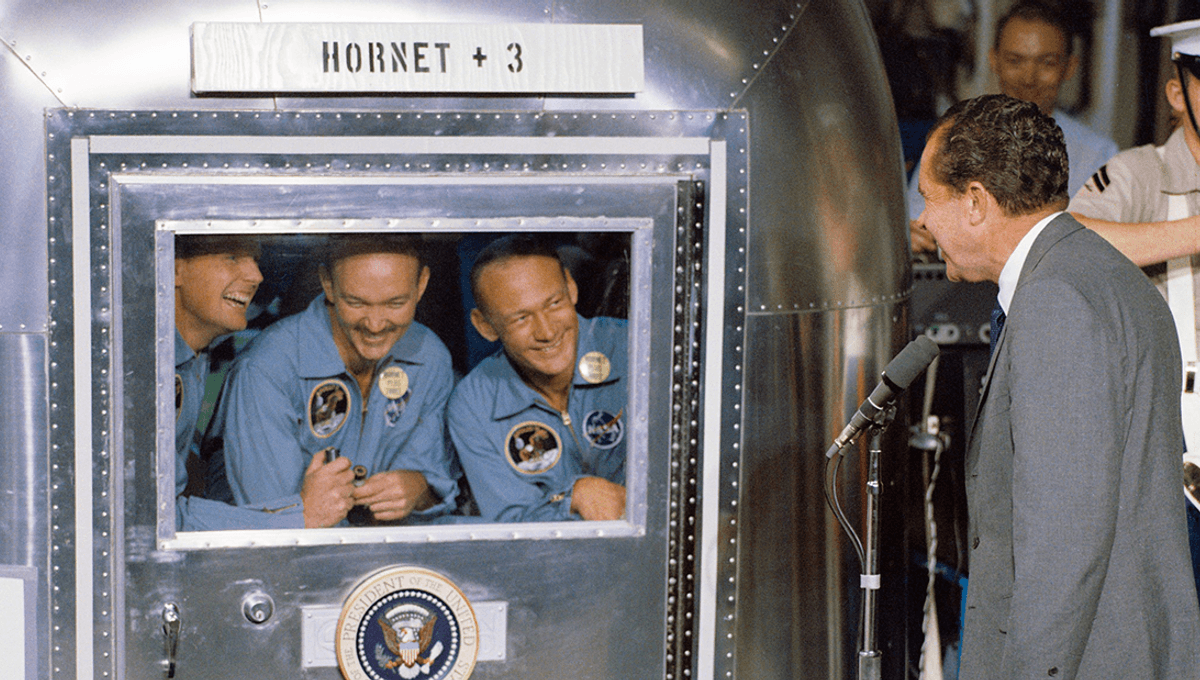
After the Apollo 11 mission, the crew spent 21 days in quarantine to prevent the spread of potentially dangerous microorganisms from the Moon. A new paper suggests that had lunar microorganisms actually existed, the procedures to prevent them from returning to Earth would have likely failed. The quarantine protocol looked like a success only because it was not needed. NASA, motivated by beating the Soviets to the Moon, did not take the time to create adequate protections for astronauts, nor Earth.
NASA's Apollo 11 Moon Quarantine was mostly for show, according to a study published in the science history journal Isis. The study shows that NASA officials knew that lunar germs could pose an existential threat, and their lunar quarantine probably wouldn't keep Earth safe if such a threat did exist. The study also offers useful lessons as NASA and other space agencies prepare to collect samples from Mars and other worlds in the solar system for study on Earth.