Tag

Anyons

All articles tagged with #anyons

Neglectons: Dismissed Particles with Potential to Revolutionize Quantum Computing

Originally Published 5 months ago — by Phys.org

Featured image for Neglectons: Dismissed Particles with Potential to Revolutionize Quantum Computing
Source: Phys.org

Researchers have discovered that by reintroducing a previously discarded type of particle called neglectons into topological quantum computing models, they can enable Ising anyons to perform universal quantum computation through braiding alone, potentially advancing the development of more robust quantum computers.

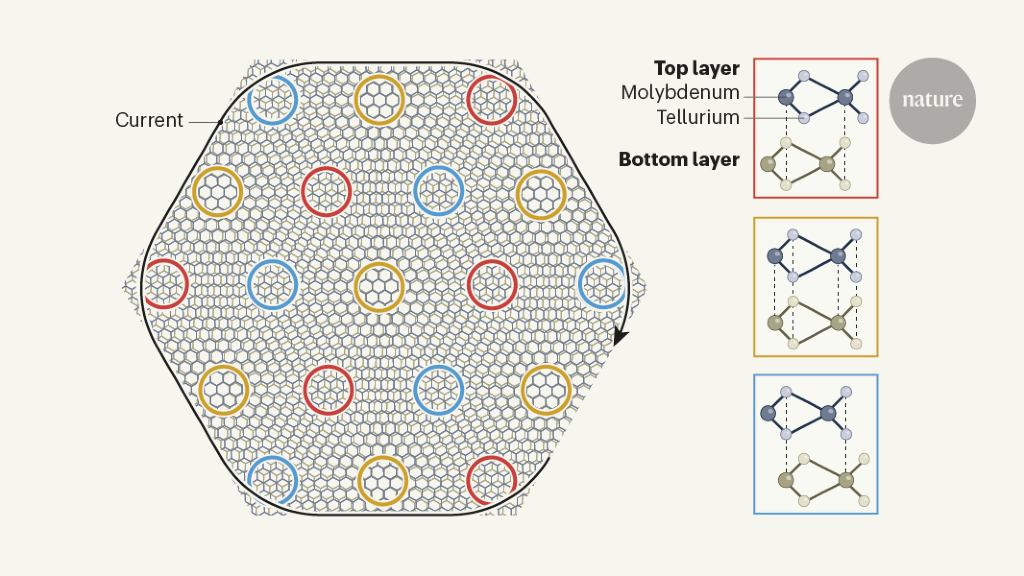
Unraveling the Secrets of Twisted Materials and Composite Fermions

Originally Published 2 years ago — by Nature.com

Featured image for Unraveling the Secrets of Twisted Materials and Composite Fermions
Source: Nature.com

Researchers have observed the fractional quantum Hall effect in a thin semiconductor material without the need for a magnetic field. This phenomenon, which involves the splitting of electrons into new particles called anyons, has potential applications in quantum computing. The findings were reported in three papers in Nature and one in press at Physical Review X.

"Quantum Computing Takes a Magnetic Leap Towards a New Paradigm"

Originally Published 2 years ago — by SciTechDaily

Featured image for "Quantum Computing Takes a Magnetic Leap Towards a New Paradigm"
Source: SciTechDaily

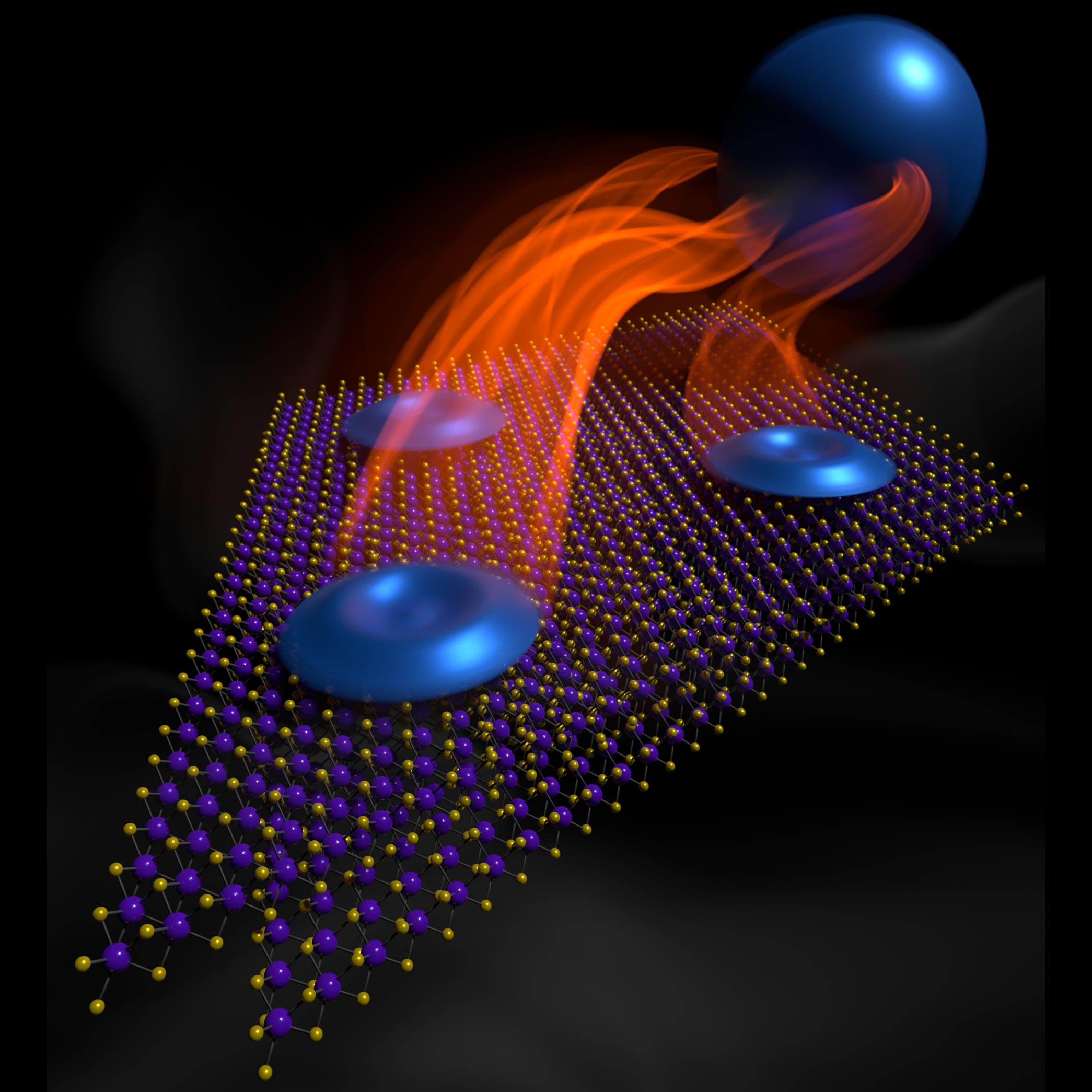
Researchers at the University of Washington have made a significant breakthrough in quantum computing by detecting fractional quantum anomalous Hall (FQAH) states in semiconductor material flakes. These FQAH states can host anyons, which are quasiparticles with only a fraction of an electron's charge. Anyons have the potential to create stable and fault-tolerant qubits, which are crucial for the development of quantum computers. The team's experiments involved stacking atomically thin flakes of molybdenum ditelluride (MoTe2) to create an artificial lattice with exotic properties. The detection of FQAH states marks a new paradigm for studying quantum physics and could lead to the discovery of non-Abelian anyons, which could be used as topological qubits.

"Magnetic Toggle-Switch Advances Quantum Computing Capabilities"

Originally Published 2 years ago — by Phys.org

Featured image for "Magnetic Toggle-Switch Advances Quantum Computing Capabilities"
Source: Phys.org

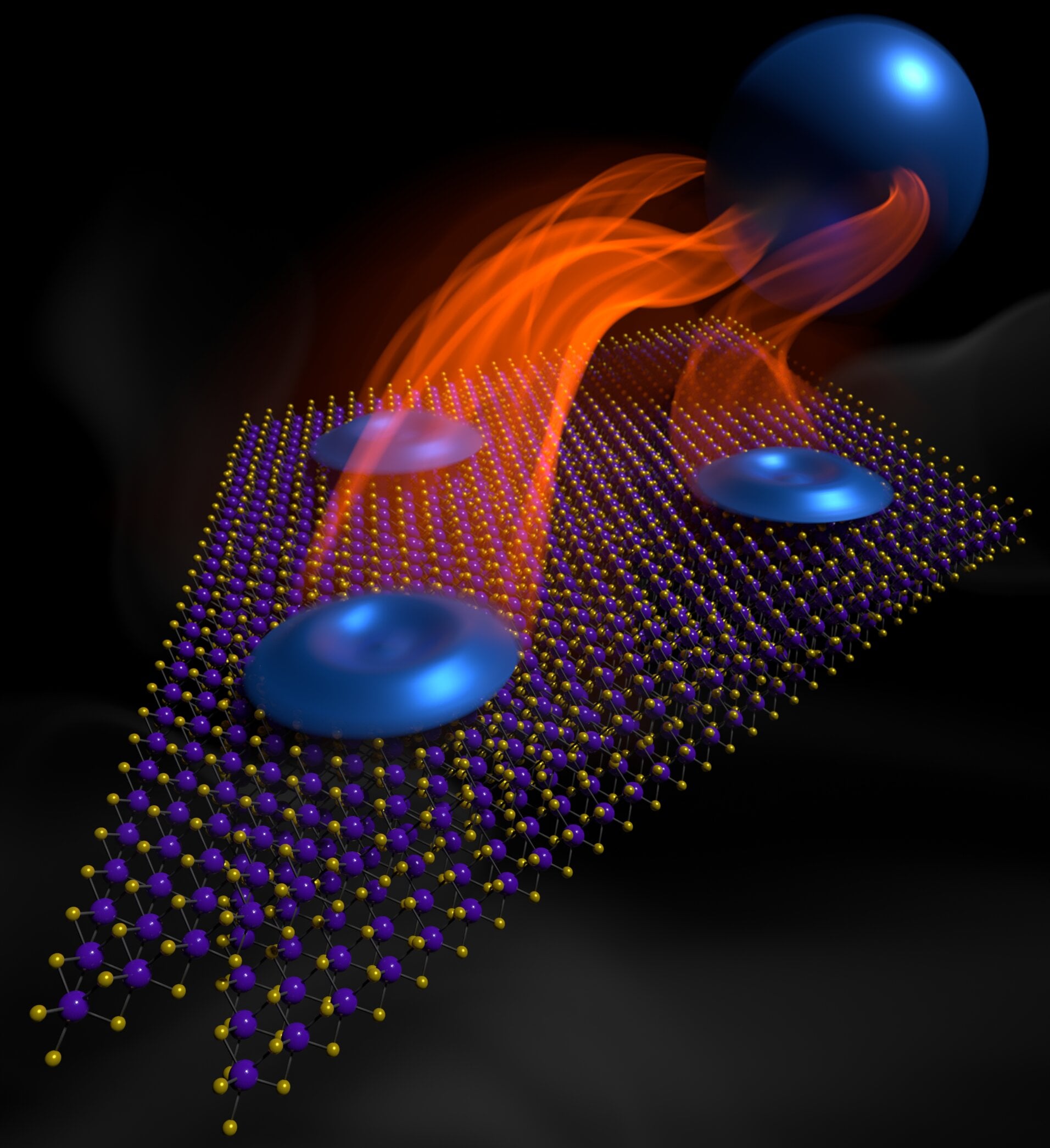
Researchers at the University of Washington have made a significant advancement in developing fault-tolerant qubits for quantum computing by detecting signatures of "fractional quantum anomalous Hall" (FQAH) states in experiments with flakes of semiconductor materials. FQAH states can host anyons, which can be used to make "topologically protected" qubits that are stable against any small, local disturbances. The team built an artificial lattice with exotic properties using two atomically thin flakes of the semiconductor material molybdenum ditelluride (MoTe2) to host FQAH states. The team hopes to discover an even more exotic version of quasiparticles called "non-Abelian" anyons, which could be used as topological qubits.

Ultracold atoms achieve Laughlin and fractional quantum Hall states.

Originally Published 2 years ago — by Phys.org

Featured image for Ultracold atoms achieve Laughlin and fractional quantum Hall states.
Source: Phys.org

An international team led by Markus Greiner at Harvard has realized a Laughlin state using ultracold neutral atoms manipulated by lasers. The experiment involves trapping a few atoms in an optical box and implementing the ingredients required for the creation of this exotic state: a strong synthetic magnetic field and strong repulsive interactions among the atoms. The researchers imaged the atoms one by one through a powerful quantum-gas microscope and demonstrated the peculiar "dance" of the particles, which orbit around each other, as well as the fractional nature of the realized atomic Laughlin state. This milestone opens the door to a wide new field of exploration of Laughlin states and their cousins in quantum simulators.