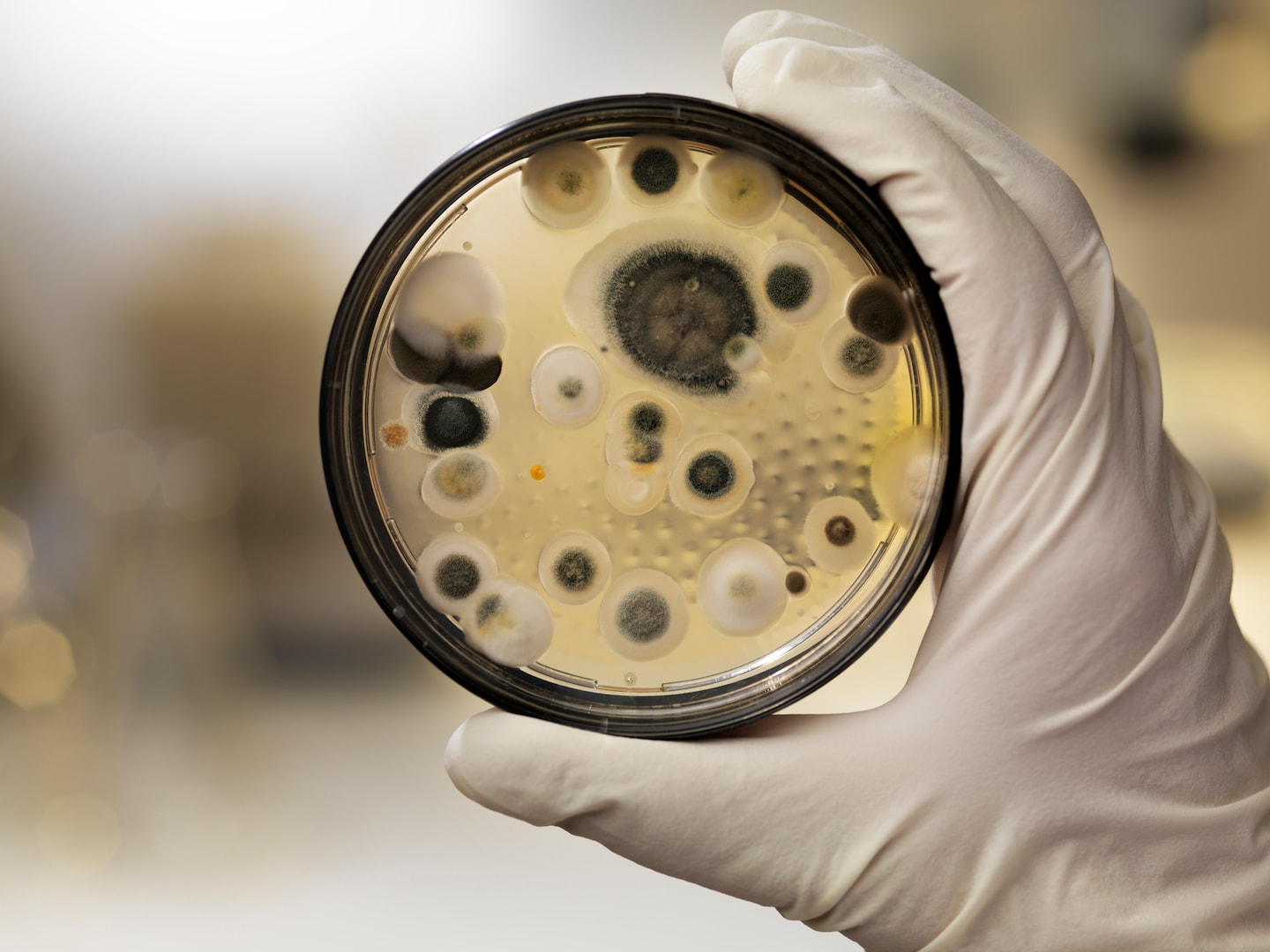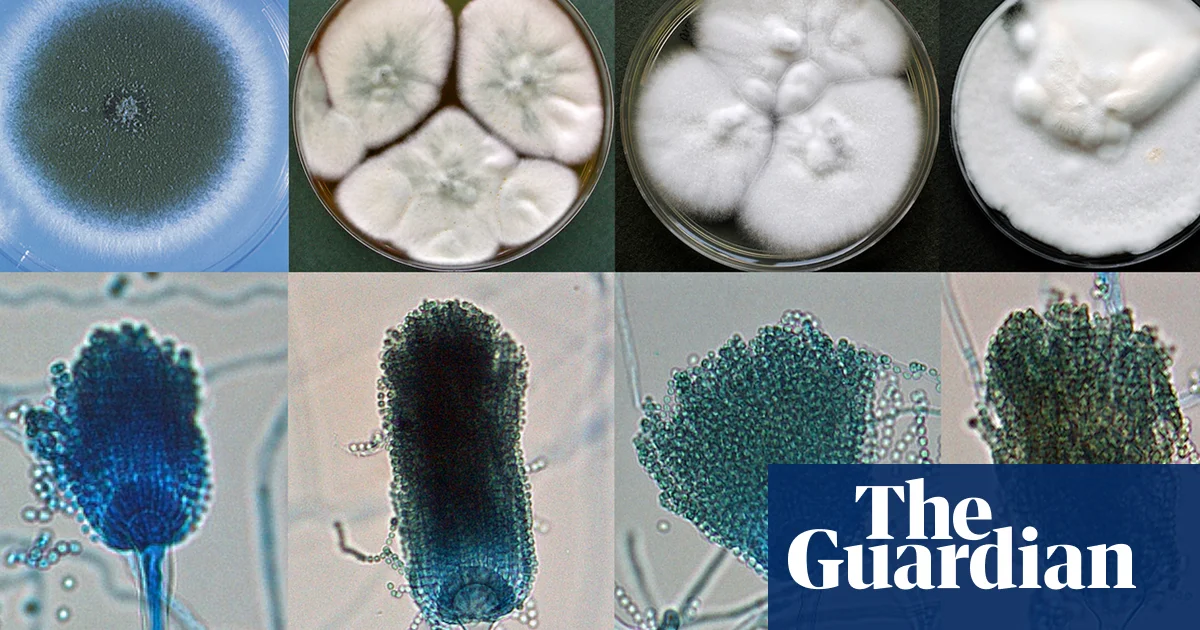
The National Mycological Reference Centre in Adelaide is at the forefront of identifying and studying fungal pathogens, which are becoming more prevalent due to climate change. Dr. Sarah Kidd, the head of the center, highlights the threat of deadly fungal infections and the lack of effective antifungal drugs. The World Health Organization has identified several critical fungal pathogens, emphasizing the need for more research and treatments. While the likelihood of a fungal pandemic is relatively low, experts warn that fungi may evolve to resist higher temperatures, posing a potential threat to human health.
The Natural History Museum of London has unveiled the world's oldest disease-causing fungus, named Potteromyces asteroxylicola, which is 407 million years old. The fungus was discovered in fossil samples from the Rhynie Chert in Scotland, a site known for its well-preserved Early Devonian communities. This finding sheds light on Beatrix Potter's pioneering drawings and fungal growth studies, positioning her as a significant figure in mycology. The discovery also provides insights into the evolution of different fungus groups and disease-causing fungi affecting plants.
The oldest disease-causing fungus, Potteromyces asteroxylicola, has been discovered in fossil samples from the Rhynie Chert in Scotland, dating back 407 million years. Named after Beatrix Potter, the fungus provides insight into the historical precedent of disease-causing fungi and their impact on plants. The discovery was made by mycologists at the Natural History Museum and the Royal Botanic Gardens, Kew, and sheds light on the evolution of different fungal groups. The finding highlights the importance of museum collections and new technologies in uncovering secrets from ancient fossils.
Mycologists argue that the field’s naming rules don’t account for fungi discovered with DNA sequencing instead of being observed visually or grown in the lab, leading to thousands of recently discovered types of fungi being unrecognized. The researchers propose a way forward with a list of possible criteria for recognizing these "dark fungi" and call for updates to the International Code of Nomenclature.