A study shows that common cuttlefish can pass a delayed gratification test similar to children, indicating advanced cognitive abilities and behavioral flexibility, likely evolved due to their ambush hunting strategy, challenging previous assumptions about invertebrate intelligence and emphasizing the importance of conservation efforts.
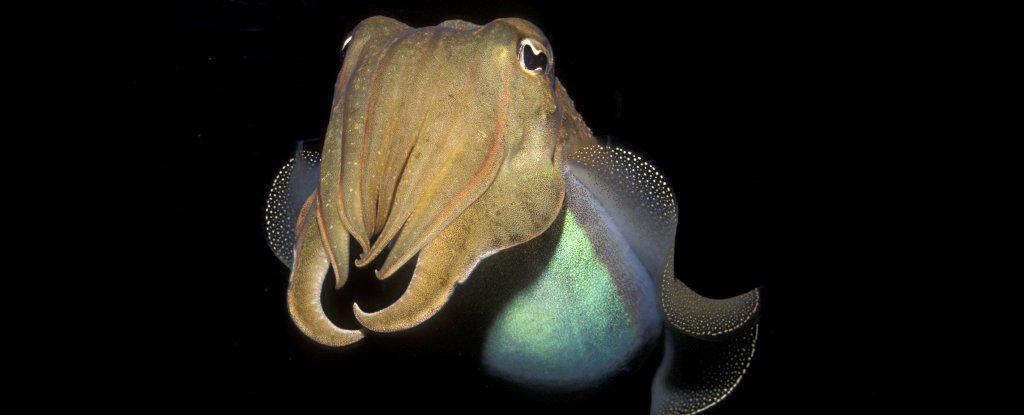
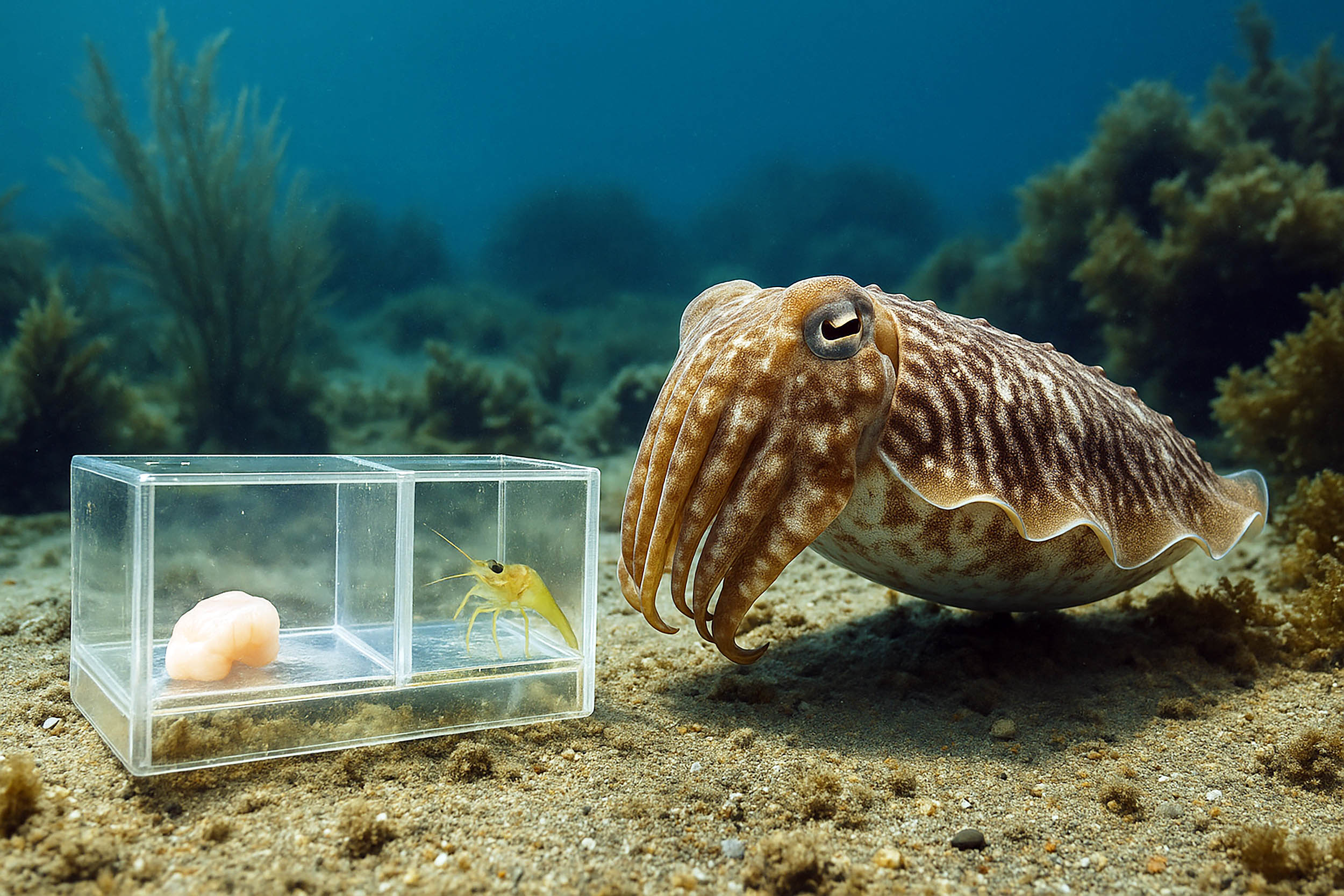
A 2021 study demonstrated that cuttlefish can pass a version of the marshmallow test, showing they can delay gratification and adapt their behavior, which suggests advanced cognitive abilities possibly evolved for their complex foraging strategies. The research highlights the intelligence of cephalopods and their ability to learn and anticipate rewards, challenging assumptions about animal cognition.
A study demonstrates that cuttlefish can exhibit patience and self-control comparable to some vertebrates, challenging assumptions about invertebrate intelligence and suggesting that complex cognition may have evolved independently in different animal lineages.
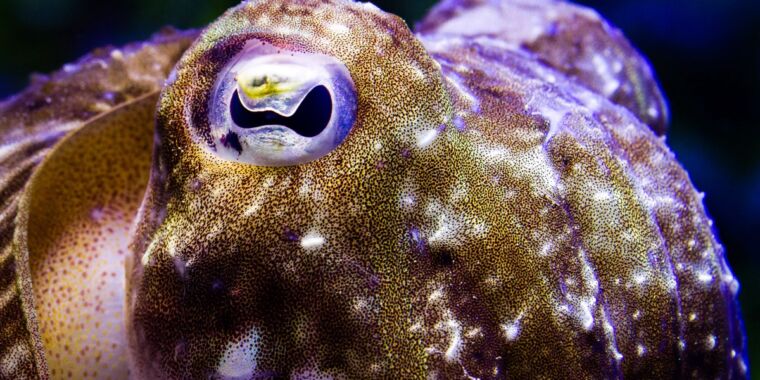
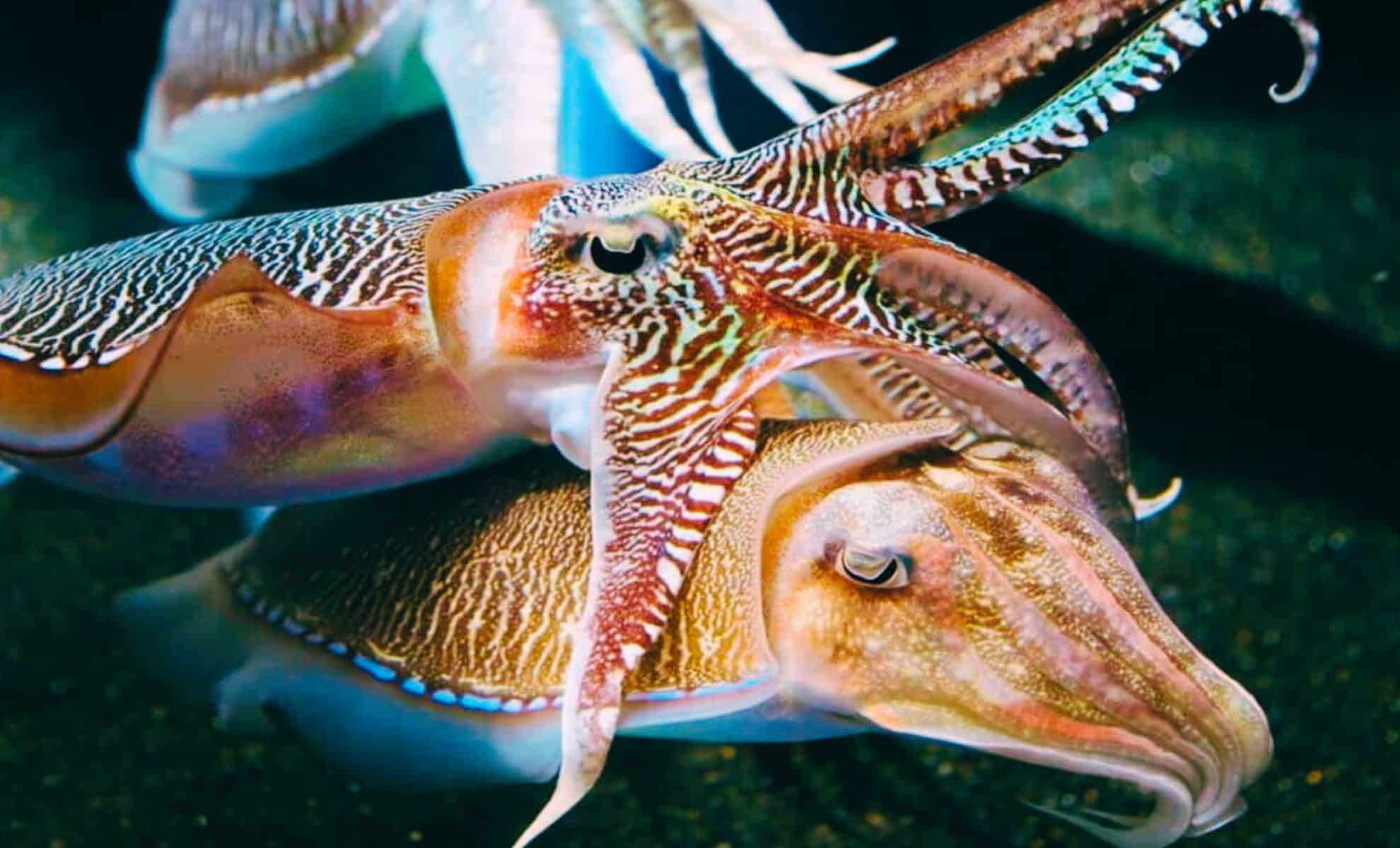
Cuttlefish camouflage patterns are more complex and flexible than previously thought, according to a study published in Nature. Researchers used high-resolution video and machine learning to investigate the camouflage and blanching responses of cuttlefish. The study revealed that cuttlefish have a wider range of pattern components and a more intricate camouflaging process than previously believed. Cuttlefish are known for their fascinating abilities, including delayed gratification, episodic memory, and intelligence. The skin of cuttlefish contains chromatophores, iridophores, and leucophores, which work together to generate their unique optical properties.
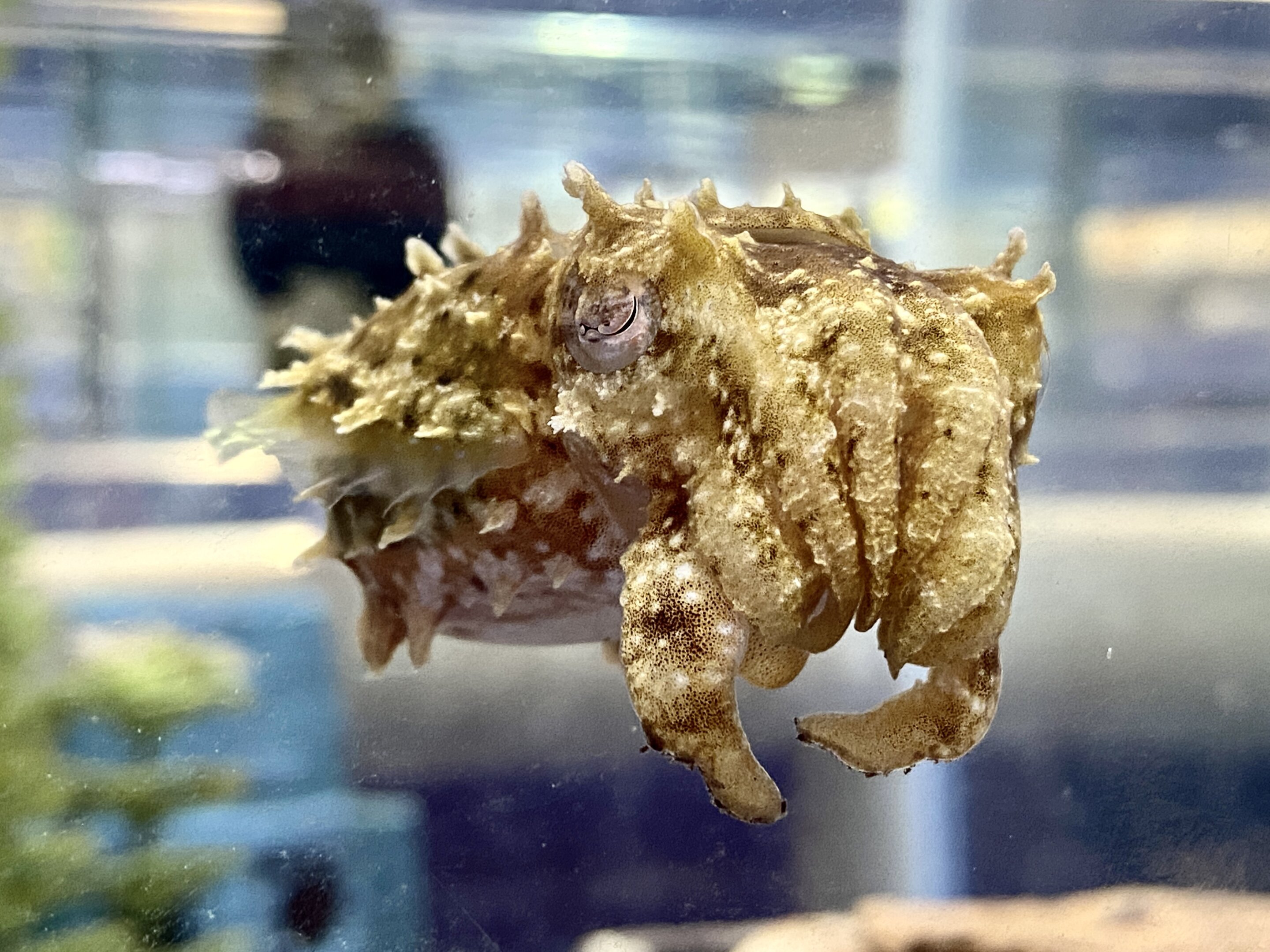
A team of neuroscientists at Columbia's Zuckerman Institute has created a brain atlas of the dwarf cuttlefish, Sepia bandensis, depicting the brain's overall 32-lobed structure as well as its cellular organization. The atlas will help researchers understand how the cuttlefish achieves its astonishing feat of camouflage. The team used magnetic resonance imaging (MRI) and histological techniques to create the atlas, which is available on the website Cuttlebase.org. The atlas offers cellular resolution and is equivalent to a detailed atlas that shows all of the roads, hills, lakes, and rivers of the states.