The article discusses the impact of tariff uncertainties on the market in 2025 and highlights top summer stocks like Carnival, Anheuser-Busch, and Uber, which are resilient and show strong seasonal performance and fundamentals, making them attractive investments amid geopolitical and economic volatility.
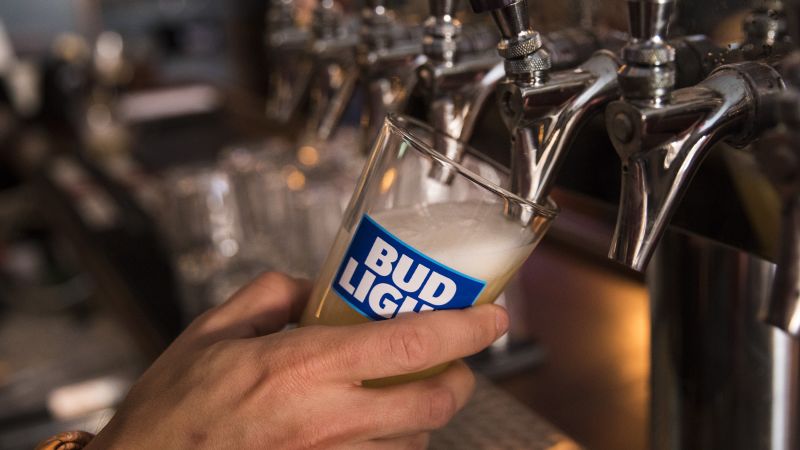
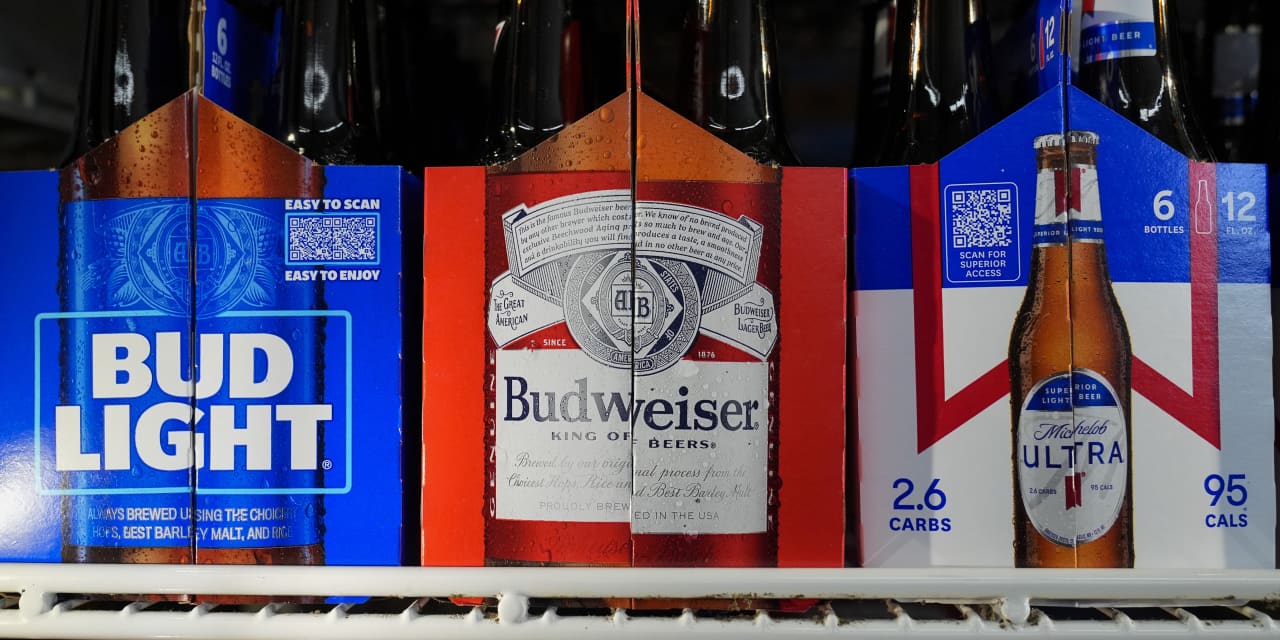
Bud Light has lost its position as the most popular beer on tap in the US, overtaken by Michelob Ultra, another Anheuser-Busch InBev brand. This shift follows a boycott of Bud Light after a controversial Instagram post and reflects changing consumer preferences towards Michelob Ultra's health-conscious image. Despite Bud Light's efforts to regain market share, Michelob Ultra's strategic marketing and sponsorships have bolstered its popularity, leading to increased sales and draft availability.
Altria Group, the parent company of Marlboro cigarettes, is selling over $2 billion worth of its stake in Anheuser-Busch InBev, with AB InBev planning to buy back $200 million of these shares. This move has caused a 5% drop in AB InBev's stock price, with analysts seeing it as a short-term negative for sentiment but of minimal longer-term significance.
Altria Group has increased its share buyback program by $2.4 billion and raised its annual profit forecast after selling about 10% of its stake in Anheuser-Busch InBev. The company plans to use the proceeds to support its transition to alternative tobacco products and reduce debt. Altria's focus on smoke-less alternatives like NJOY vapes and tobacco-free nicotine pouches has been driven by tougher tobacco regulations and increased competition. The sale of AB InBev shares and the brewer's repurchase of shares from Altria is expected to generate around $2.4 billion.
Altria plans to sell $2.3 billion worth of its stake in Anheuser-Busch InBev to buy back its own stock, with the option to sell an additional 5.25 million shares. The move reflects confidence in ABI's long-term strategies, global brands, and management team. AB InBev will buy $200 million of the stock Altria is selling, and analysts believe the brewer's deleverage plans will allow for more stock buybacks in the future. Anheuser-Busch InBev's U.S. business has been impacted by declining Bud Light sales, but its global business remains unaffected. Altria stock rose 1% following the announcement.
Altria Group, Inc. intends to sell a portion of its investment in Anheuser-Busch InBev SA/NA through a global secondary offering, including public offerings and private placements. The company plans to use the proceeds for additional share repurchases of its common stock and has filed a registration statement with the U.S. Securities and Exchange Commission for the offering. Altria currently holds approximately 10% ownership in ABI and is offering 35 million of ABI’s ordinary shares. The offering and the partial sale of the investment have been approved by Altria's Board, and Morgan Stanley is acting as the lead underwriter for the proposed offering.
Anheuser-Busch InBev's U.S. revenue dropped 17.3% in the fourth quarter, largely due to a decline in Bud Light sales following a controversial partnership with transgender influencer Dylan Mulvaney. Despite beating sales estimates globally, the company's U.S. business continues to suffer, with Bud Light facing backlash and a boycott from conservative influencers and celebrities. Efforts to rehabilitate the brand's image have had limited success, and Bud Light lost its title as the bestselling beer in the U.S. to Constellation Brand's Modela Especial.
Anheuser-Busch InBev, the parent company of Bud Light, turned a profit in its fourth quarter and fiscal 2023 results, despite a 2.6% decline in volume and a 17.3% drop in US revenue due to poor performance of Bud Light. The company narrowly avoided a strike at 12 US breweries by reaching a tentative agreement with the Teamsters, which includes improved wages, healthcare, and retirement benefits. The company is focusing on doubling down on beer and expects EBITDA to grow between 4-8% in 2024, while also contending with changing consumer preferences and competition from Mexican import beers.
Anheuser-Busch InBev (BUD) reported a Q4 profit despite a revenue miss of $14.7 billion, attributed to recent price hikes, with adjusted earnings per share gaining $0.82. However, the company experienced a 17.3% decline in US revenue and a 2.6% drop in volume, largely due to the poor performance of Bud Light following a boycott in 2023. The CEO acknowledged the challenging year for the US business but noted gradual improvement and a market share of 38.3%.
Anheuser-Busch InBev may have lost over $1.4 billion in sales due to a boycott of Bud Light following a partnership with a transgender influencer. The backlash led to a decline in Bud Light sales in the United States, causing a significant drop in revenue for the company's US business. Despite reporting record revenues, the company's performance in North America was hindered by the boycott, with Bud Light losing its long-held title as America's top-selling beer to Modelo Especial. However, there was some positive news as the company reached a tentative agreement with the Teamsters union in the United States, averting a strike, and saw gradual improvement in its US beer market share.
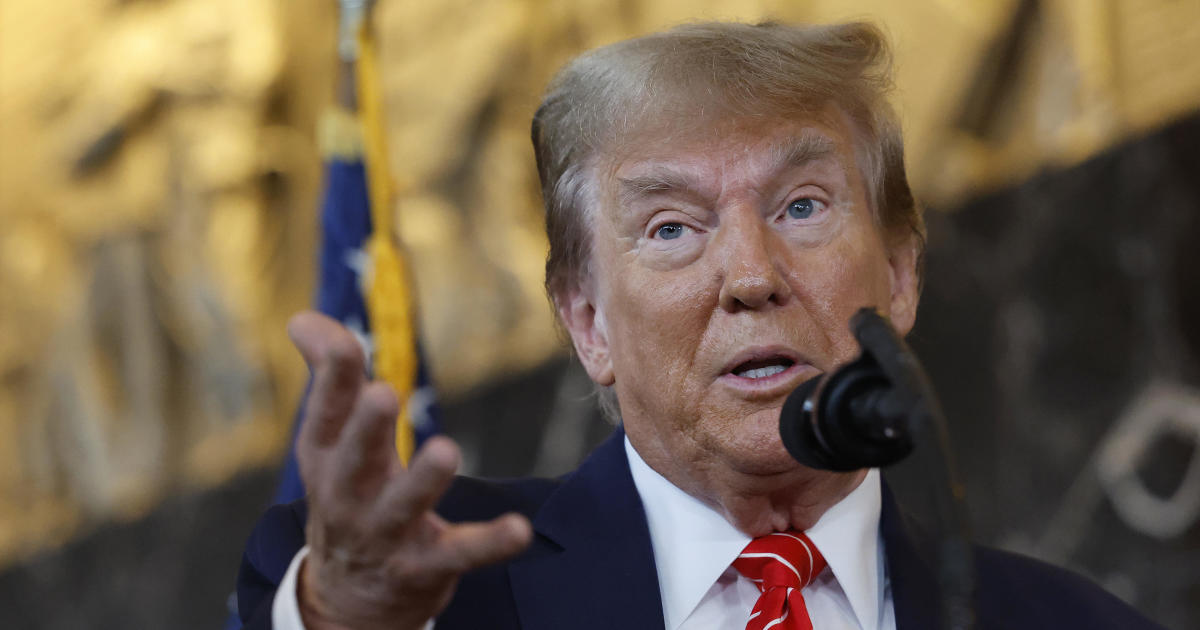
Former President Donald Trump is urging his supporters to give Anheuser-Busch a "second chance" following a backlash over Bud Light's marketing promotion with transgender TikTok star Dylan Mulvaney, which led to a $395 million drop in sales. Trump's message comes ahead of Bud Light's return to the Super Bowl, where it will air a new ad. Despite the controversy, Trump praised the company's support for farmers and job creation, and Anheuser-Busch's shares rose 2% in premarket trading following his statement. Sales of Bud Light have continued to decline, with a 29.4% drop in the first four weeks of 2024, and it remains to be seen if Trump's support will impact sales.
Bud Light, facing declining sales after a controversial partnership with transgender activist Dylan Mulvaney, is hoping to make a comeback through Super Bowl ads and new partnerships. An expert believes the brand has an opportunity for redemption by returning to its original branding and serving its customer base. However, the company must tread carefully in the culture war, as another misstep could be the "death knell" for the brand.
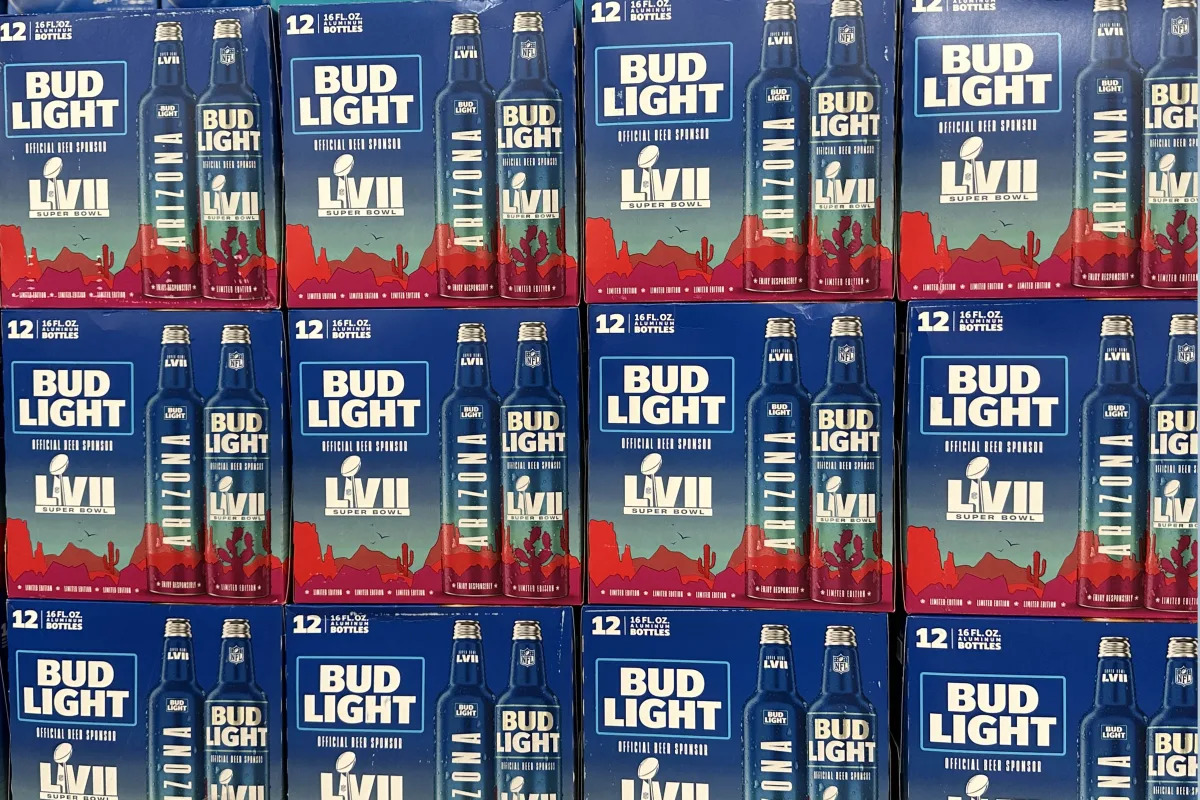
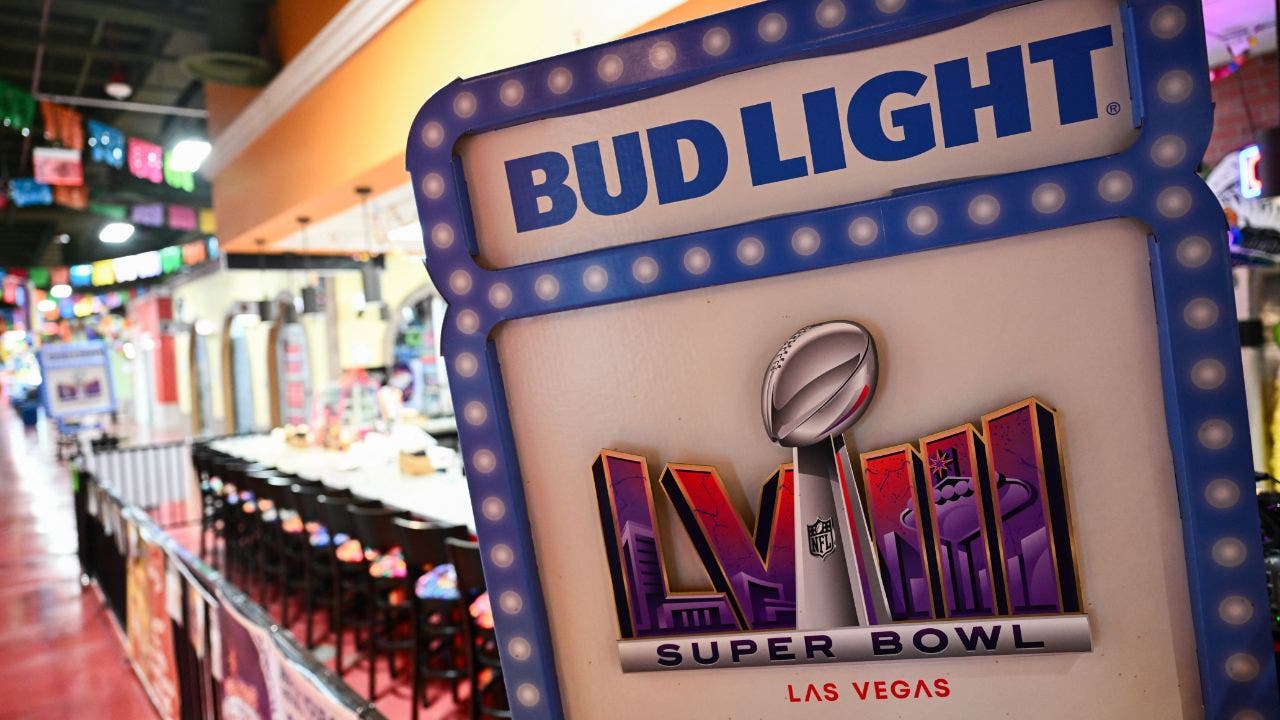
Bud Light is launching a 60-second Super Bowl ad, "Easy Night Out," featuring a star-studded cast and aiming to boost sales after a 29.9% year-over-year sales decline. The ad is part of a 2.5-minute campaign costing millions for parent company Anheuser-Busch InBev, as Bud Light seeks to recover from a previous boycott and competition from Modelo Especial. The company is focusing on fan-centric marketing and partnerships with the NFL, UFC, and Olympics to revitalize its brand.
Budweiser's iconic Clydesdales will make a comeback in a Super Bowl LVIII commercial, marking a return to the brand's traditional roots after a tumultuous 2023. The ad, titled "Old-School Delivery," features the Clydesdales helping delivery men navigate snowy conditions to bring Budweiser to a bar, emphasizing the brand's commitment to delivering in crucial moments. The move comes as Budweiser seeks to move past a controversial partnership with transgender activist Dylan Mulvaney, which led to customer boycotts and a decline in sales. Anheuser-Busch InBev, Budweiser's parent company, will also feature Bud Light and Michelob Ultra in Super Bowl commercial breaks, with a total of 2.5 minutes of airtime, while Usher is set to lead the halftime show.
Anheuser-Busch InBev plans to focus its marketing efforts on sporting and music events in an attempt to revive falling sales of its flagship beer, Bud Light. The company reported a nearly 14% decline in revenue in the U.S. during the third quarter, with Bud Light sales dropping significantly. The decline in sales began after a conservative boycott of the brewer's partnership with transgender influencer Dylan Mulvaney. Anheuser-Busch is now aiming to promote Bud Light through uncontroversial platforms such as football games and concerts, while distancing itself from contentious debates. Despite weak sales, the company's third-quarter revenue exceeded expectations due to higher pricing across the industry.