
Tag

Iberian Bronze Age

All articles tagged with #iberian bronze age

archaeology1 year ago

"Ancient Spanish Treasure Reveals Extraterrestrial Metal"

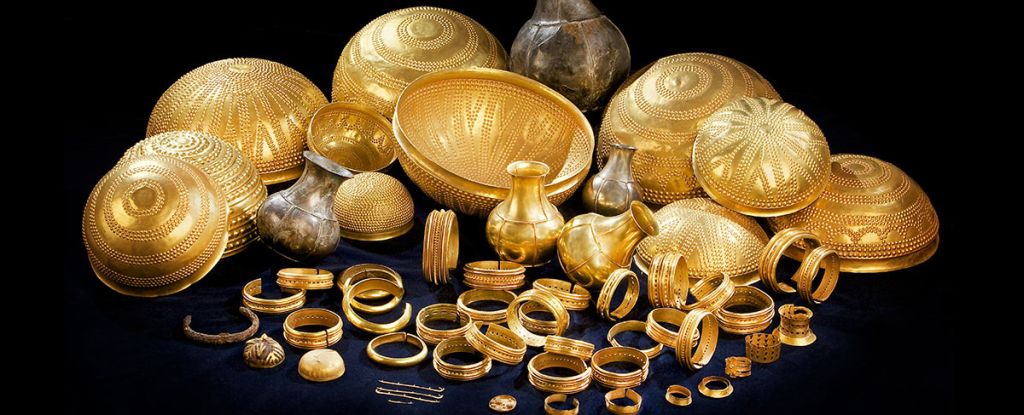
Researchers have discovered that two corroded artifacts from the Treasure of Villena, an ancient Iberian Bronze Age cache, are made from meteoritic iron, suggesting advanced metalworking techniques in Iberia over 3,000 years ago. This finding, published in January, indicates that the artifacts date back to around 1400 to 1200 BCE, predating the widespread use of terrestrial iron in the region.

archaeology1 year ago

"Extraterrestrial Metal Unearthed in Ancient Treasure Trove"

Researchers studying the Treasure of Villena, a collection of treasures from the Iberian Bronze Age, have discovered evidence of meteoritic iron relics within, challenging previous assumptions about ancient civilizations' technological prowess. The artifacts, dating back to 1500-1200 BCE, predate the Iron Age and suggest sophisticated metalworking techniques. Advanced analytical techniques revealed that a bracelet and a hollow hemisphere were crafted from meteoritic iron, indicating a level of technological advancement previously unrecognized in Bronze Age societies. The corroded state of the artifacts presents challenges for conclusive analysis, but future non-invasive techniques may elucidate the origins and composition of these ancient space metal treasures, reshaping our understanding of the technological landscape of the Bronze Age.

archaeology1 year ago

Ancient Treasures Revealed to Contain Extraterrestrial Metals

A pair of corroded objects from the Iberian Bronze Age, found in the Treasure of Villena, have been discovered to be made of iron from meteorites, suggesting advanced metalworking technology in Iberia over 3,000 years ago. The objects, a bracelet and a hollow hemisphere decorated with gold, were previously thought to be made of terrestrial iron, posing a dating dilemma. However, testing revealed a high nickel content, characteristic of meteoritic iron, placing the artifacts in the Late Bronze Age period. Further non-invasive techniques could provide more conclusive evidence for this significant archaeological discovery.