A young man in Jerusalem experienced a severe allergic reaction after eating a dairy-containing doughnut during Hanukkah. Passersby called emergency services, and United Hatzalah medics quickly administered adrenaline and other treatments, stabilizing his condition before hospital transfer. The incident highlights the dangers of hidden allergens and the importance of rapid response.

Researchers confirmed the first known death caused by alpha gal allergy, a meat allergy triggered by Lone Star tick bites, after a man died hours after eating beef. The case highlights the severity of the allergy, which can cause life-threatening reactions, and emphasizes the increasing risk due to rising tick populations.
Experts suggest adding pine nuts and goat's milk to the list of foods requiring allergy labels due to increased allergic reactions, with other emerging allergens like buckwheat, peas, lentils, and pine nuts also under review, following analysis of nearly 3,000 European cases of food-induced anaphylaxis.
Scientists have discovered that the asthma drug zileuton may prevent severe food allergy reactions by blocking a gut pathway involved in anaphylaxis, with promising results in mice and ongoing human trials to determine its effectiveness in preventing life-threatening allergic reactions.
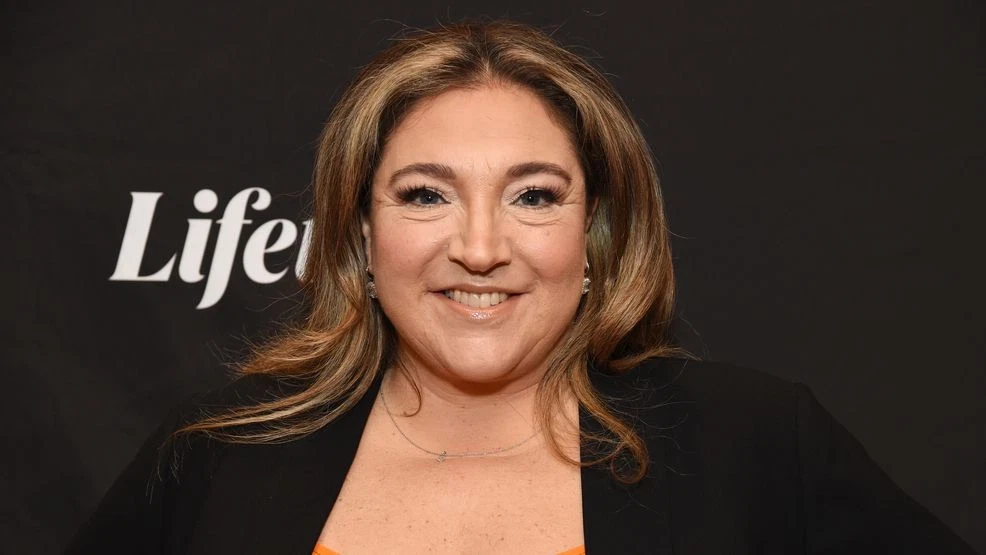
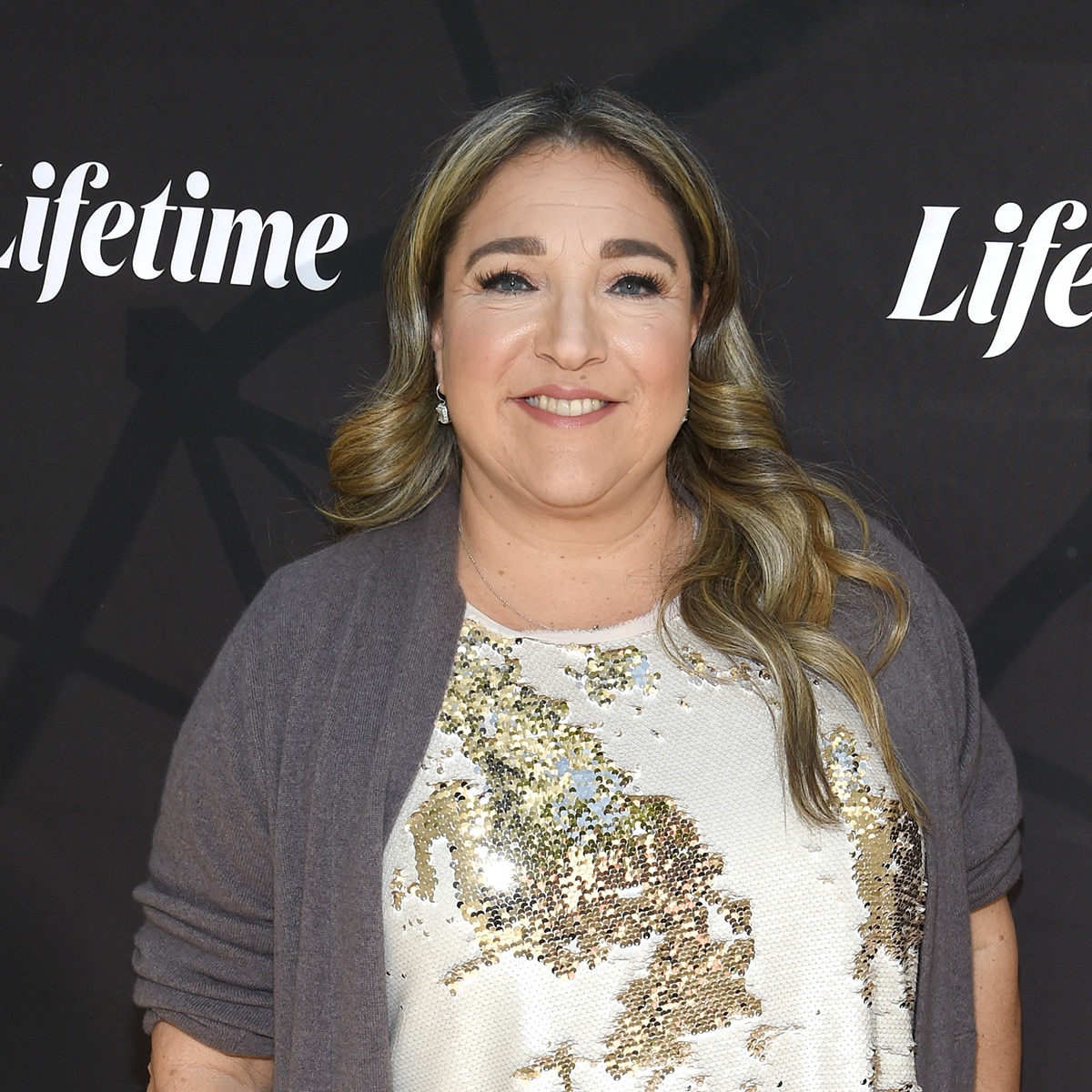
Jo Frost, known as Supernanny, revealed she has been diagnosed with a life-threatening condition called anaphylaxis, which causes severe allergic reactions to certain foods and requires immediate treatment with epinephrine. She shared her experience to raise awareness about the condition and its impact on daily life.
Jo Frost, known from Supernanny, shared her life-threatening experience with anaphylaxis to raise awareness about severe food allergies and the importance of understanding and compassion for those affected. The article also highlights other celebrities' health crises, emphasizing the unpredictability of medical emergencies and the need for awareness and empathy.
Jo Frost, known for 'Supernanny,' revealed she has a life-threatening allergy condition called anaphylaxis, urging for greater awareness, education, and empathy towards those with severe allergies, and emphasizing the importance of proper treatment and safety measures.
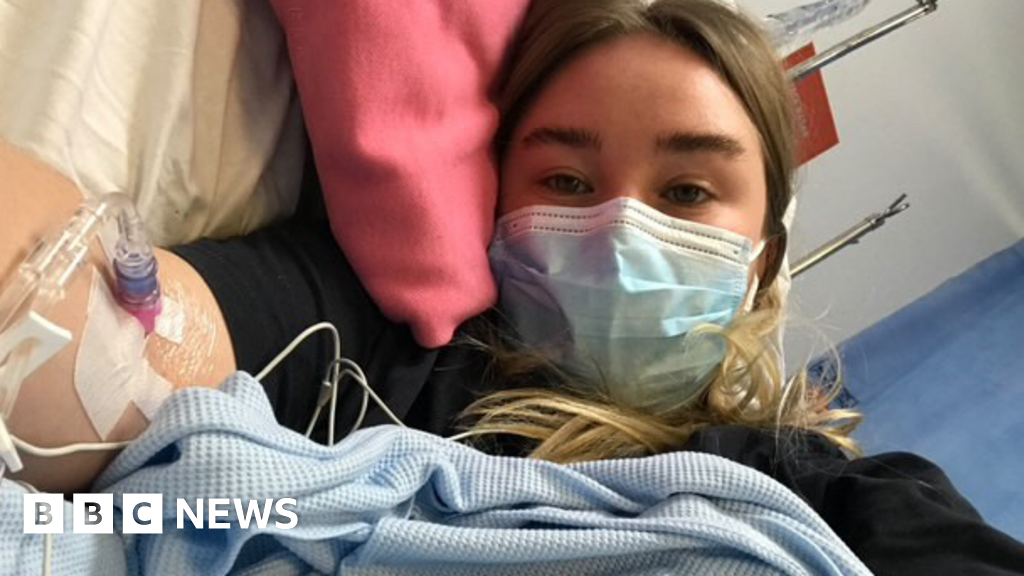
Chloe Dickson, who has a severe peanut allergy, shares her experiences of being tested and misunderstood, highlighting the importance of awareness and safe spaces for allergy sufferers, and advocating for peanut-free environments in public places.
Dominique Brown, a Disney influencer and co-founder of Black Girl Disney, died at 34 after a suspected anaphylactic reaction at a BoxLunch event in Los Angeles. Reports suggest she unknowingly consumed an allergen, possibly peanuts, despite warnings. Her death highlights the dangers of food allergies, affecting millions in the U.S. Brown's passing has sparked outrage and calls for accountability, with many expressing grief and support for her family. BoxLunch has expressed condolences and pledged support to her loved ones.
George Cadman-Ithell, a 25-year-old with a known nut allergy, suffered a severe anaphylactic reaction after accidentally consuming salami containing walnuts. Despite using an EpiPen, he went into cardiac arrest and is now in a vegetative state. His mother, supported by the Natasha Allergy Research Foundation, is raising awareness about the importance of allergen labeling and emergency response. The incident highlights the potential severity of food allergies and the need for vigilance in reading food labels.
Maggie Habashy from Minnesota suffers from a rare condition called exercise-induced anaphylaxis (EIA), which causes severe allergic reactions during physical activity, including throat swelling and hives. Despite extensive testing, no specific food trigger has been identified, making her case unique. Habashy now carries an EpiPen for emergencies and must avoid exercise to prevent life-threatening reactions.
Pediatric immunologist Dr. Rani Maskatia shared 10 surprising facts about peanut allergies, including the immune system's reaction to peanut proteins, the increasing prevalence of peanut allergies, varied symptoms and risks of anaphylaxis, testing and diagnosis in infancy, the potential for outgrowing the allergy, and treatment options such as oral immunotherapy. She also emphasized the importance of accurate diagnosis, emergency anaphylaxis plans, and the FDA-approved drug Palforzia for peanut allergy treatment.
A drug called Xolair has been found to significantly reduce the risk of life-threatening reactions in children with severe food allergies when exposed to trace amounts of allergens such as peanuts, cashews, milk, and eggs. The drug, already approved by the FDA for adults and children over age 1 with food allergies, is the first treatment to drastically cut the risk of serious reactions, like anaphylaxis, after accidental exposures to various food allergens. The study's results were presented at the annual conference of the American Academy of Allergy, Asthma and Immunology and published in The New England Journal of Medicine, offering hope for children with severe food allergies.
The FDA has approved Xolair as the first medication to reduce severe allergic reactions to certain foods, marking a significant development in treating food allergies. Xolair has been used off-label for food allergies since 2014 and a study sponsored by NIH found that it increased tolerance to allergens. The drug is different from an EpiPen and is administered regularly to reduce reactions over time. Despite the approval, patients are advised to continue avoiding allergenic foods as the drug is not for emergency use. With an estimated 33 million Americans having food allergies, this approval offers hope for improved management of severe allergic reactions.
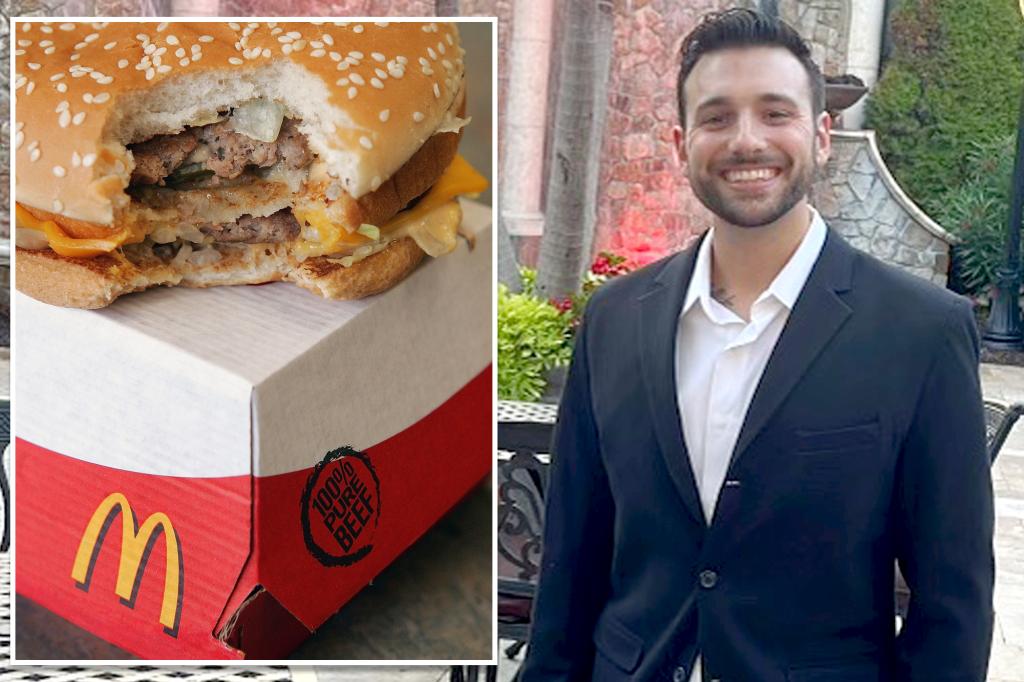
A man with a severe milk allergy is suing a New York City McDonald’s after suffering an anaphylaxis reaction from a Big Mac that contained cheese, despite his request for "NO American cheese." The lawsuit alleges that there was no allergy warning or cross-contamination warning when he made his order. The man's lawyer emphasized the need for establishments to cater to food allergies and ensure staff are properly trained. The lawsuit demands that McDonald’s follows adequate food and allergy policies, while the restaurant franchise owner stated that they take every complaint seriously and are actively reviewing the claims.