Stingless bees from the Amazon have become the first insects to be granted legal rights in a groundbreaking move in Peru, recognizing their ecological and cultural importance, and aiming to protect them from threats like deforestation, pesticides, and invasive species. This legal recognition is seen as a potential catalyst for global efforts to conserve wild bee populations and their vital role in ecosystems.

Unmarried couples lack automatic legal protections at death, making estate planning crucial for ensuring their partner inherits assets, as laws typically favor blood relatives. Key steps include establishing durable powers of attorney, updating beneficiary designations, and creating wills or trusts to secure the partner's financial and medical decision-making rights.
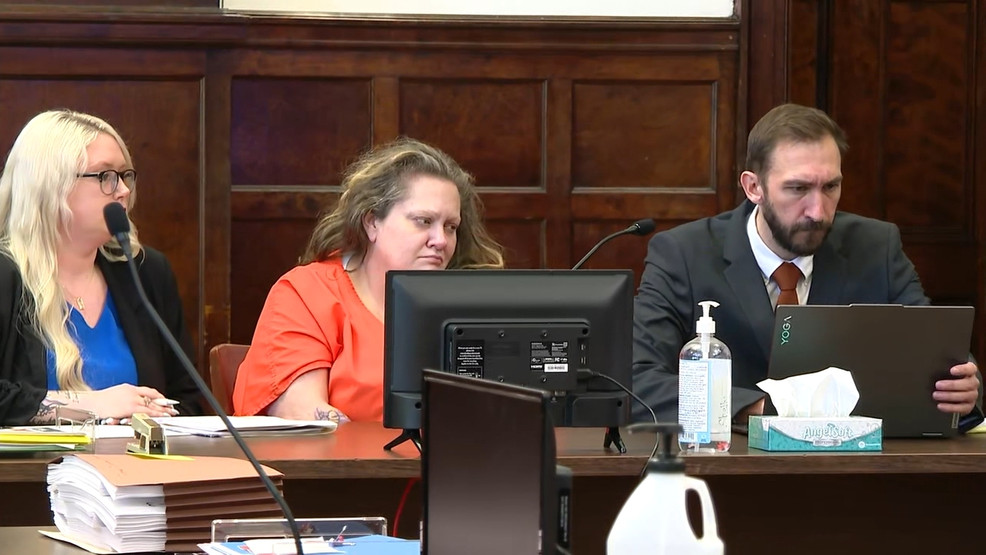
A Connecticut woman accused of holding her stepson captive for over 20 years was granted access to his alias, address, and medical records by a court, with the judge ruling that she has a constitutional right to this information, despite objections from prosecutors concerned about potential harm to the victim.
The Department of Homeland Security is offering unaccompanied children in the immigration system a 'voluntary' return option with a $2,500 incentive, raising concerns among legal experts about children waiving their rights and potential exploitation, amid unverified reports of coercive practices.
Legal scholar Victoria Haneman advocates for a limited right for the deceased's estate to delete digital data to prevent AI from resurrecting their digital presence, highlighting gaps in US law compared to Europe and recent legislative efforts like California's Delete Act.
Fans accuse Pokémon TCG Pocket of plagiarism after artwork by a fan from 2021 appears to be used for a new Ho-Oh card without credit, raising concerns about copyright and fan art rights, with The Pokémon Company claiming legal rights to use fan-created designs.
The article discusses the rights of pregnant women when it comes to airline travel, highlighting the policies that airlines may have regarding pregnant passengers and what legal protections are in place. It emphasizes the importance of understanding these rights to avoid being denied boarding and suggests reviewing airline policies and consulting with healthcare providers before traveling.
A U.S. judge has ordered prosecutors to destroy copies of notes taken by Sean 'Diddy' Combs in jail, as they may be protected by attorney-client privilege. Combs, facing charges of racketeering conspiracy and sex trafficking, argues the notes' seizure violated his rights. Prosecutors claim the notes suggest obstruction of justice, but the judge will decide if they can be used in court. Combs, who has pleaded not guilty, is also seeking release on $50 million bail, which has been denied three times due to concerns of witness tampering.
Attorneys for Sean 'Diddy' Combs have accused federal prosecutors of violating his constitutional rights by seizing personal notes from his jail cell, which they claim include privileged attorney-client material. The notes were obtained during a pre-planned sweep of prison facilities and are alleged to suggest Combs attempted to influence witnesses. His lawyers have requested an evidentiary hearing to address the issue, questioning the authorization and handling of the search. Combs, who faces charges including sex trafficking and racketeering, has pleaded not guilty.
A Boone County judge has allowed a news conference to proceed regarding the death of Kyneddi Miller, but barred discussion of statements made by her mother, Julie Miller, to a CPS investigator. Julie Miller's defense attorneys had filed an emergency motion to stop the conference, alleging improper interrogation by CPS. The judge ruled that any information gathered by CPS must be shared with both the prosecution and defense and cannot be discussed publicly. The case has raised significant questions about the conduct of state agencies and the protection of Miller's constitutional rights.
A Kansas judge ruled that the state's refusal to change transgender residents' driver's licenses to reflect their gender identities does not violate their rights under the state constitution, keeping in place an order preventing such changes. The ruling comes amid a legal battle between the conservative Attorney General and the Democratic Governor's administration, with the ACLU arguing on behalf of transgender residents. The decision is part of a broader wave of measures from GOP-controlled Legislatures across the U.S. to roll back transgender rights, and it precedes a debate on a proposed ban on gender-affirming care for transgender minors in the Kansas House.
A daughter is concerned after discovering that her late father's revocable trust, which was intended to include her and her siblings as beneficiaries, is being changed by her stepmother to exclude them. The daughter may need to contest the trust in court, with the burden of proof on her to show that the trust did not reflect her father's intentions and was a mistake. Obtaining a copy of the trust and seeking legal counsel to review its terms is crucial, and potential implications on capital gains and the stepmother's legal entitlement should be considered.
A concerned grandmother seeks advice on her son's volatile relationship with his teenage ex-girlfriend, who uses their child as a pawn whenever he starts dating someone new. The grandmother suggests seeking legal custody to establish parental rights and responsibilities. She advises her son to minimize his dates' contact with their child until he is in a serious long-term relationship, lock down his social media, and use birth control. The grandmother also recommends avoiding discussions with the ex-girlfriend until a court date is set. In another letter, a father seeks advice on how to handle his 11-year-old daughter's disrespectful behavior during a family outing, while another reader disagrees with the columnist's response to a mother's objection to her daughter bringing four dogs to a wedding.
So Sung-uk and Kim Yong-min, a married same-sex couple in South Korea, have faced numerous challenges due to the lack of legal recognition for their marriage. They are excluded from support available to married couples and cannot act as legal guardians for each other. However, they have seen a shift in public perception and believe that Korean society is slowly moving towards legalizing gay marriage. In March, they became the first gay couple in South Korea to win a court case recognizing a same-sex spouse as a dependent, a ruling celebrated by the LGBTQ+ community. They hope that by sharing their story, more people will open up their minds and support equal rights for same-sex couples.
Chief Standing Bear, a leader of the Ponca tribe, who fought for Native American legal rights in the US, has been honored with a Forever stamp featuring his portrait. His 1879 lawsuit ensured that Native Americans were considered persons with inherent rights under the law. The illustrated portrait on the stamp was based on a black-and-white photograph taken in 1877. The stamp serves as a symbol of pride and perseverance for all members of the Ponca tribe and etches his legacy in the national consciousness.