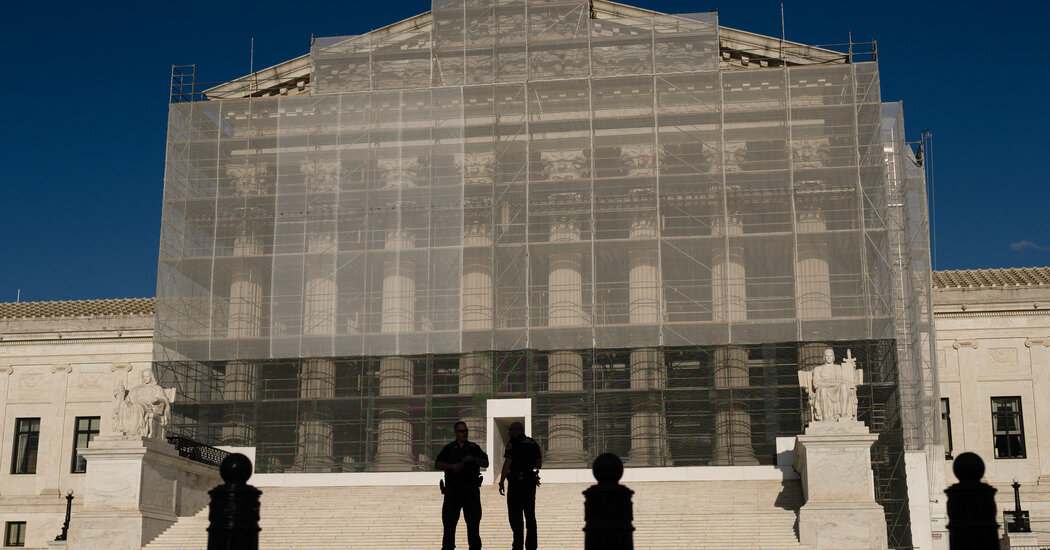
The Supreme Court's new term will focus on President Trump's claims of expansive executive power, including cases on tariffs, firing independent agency members, and birthright citizenship, alongside significant cases on voting and LGBTQ rights.
Multiple federal courts have blocked President Trump's attempt to end automatic birthright citizenship for children of illegal or temporary residents, with the 1st U.S. Circuit Court of Appeals reaffirming the order cannot be enforced, and the case is likely headed to the Supreme Court, which has historically upheld the principle based on the 14th Amendment.
A federal appeals court in Boston blocked the Trump administration's attempt to end birthright citizenship for children born in the U.S. to parents in the country illegally, affirming that such children are protected under the 14th Amendment. The ruling adds to multiple legal setbacks for the administration's efforts, with the case now heading to the Supreme Court for a final decision.
A federal appeals court in Boston ruled against the Trump administration's attempt to deny citizenship to children born in the U.S. to parents in the country illegally, affirming that such children are entitled to birthright citizenship under the 14th Amendment, adding to the series of legal setbacks for the administration's order.
A federal appeals court upheld a lower court's decision that the Trump administration's effort to end birthright citizenship is likely unconstitutional, reinforcing the long-standing interpretation of the 14th Amendment that grants citizenship to anyone born in the U.S. The case is part of ongoing legal challenges to Trump's executive order aimed at restricting birthright citizenship, which has been blocked by courts and is now under review by the Supreme Court.
President Trump is seeking expedited Supreme Court review of his executive order to end birthright citizenship, challenging longstanding interpretations of the 14th Amendment after federal courts blocked the order, with a decision expected next year.
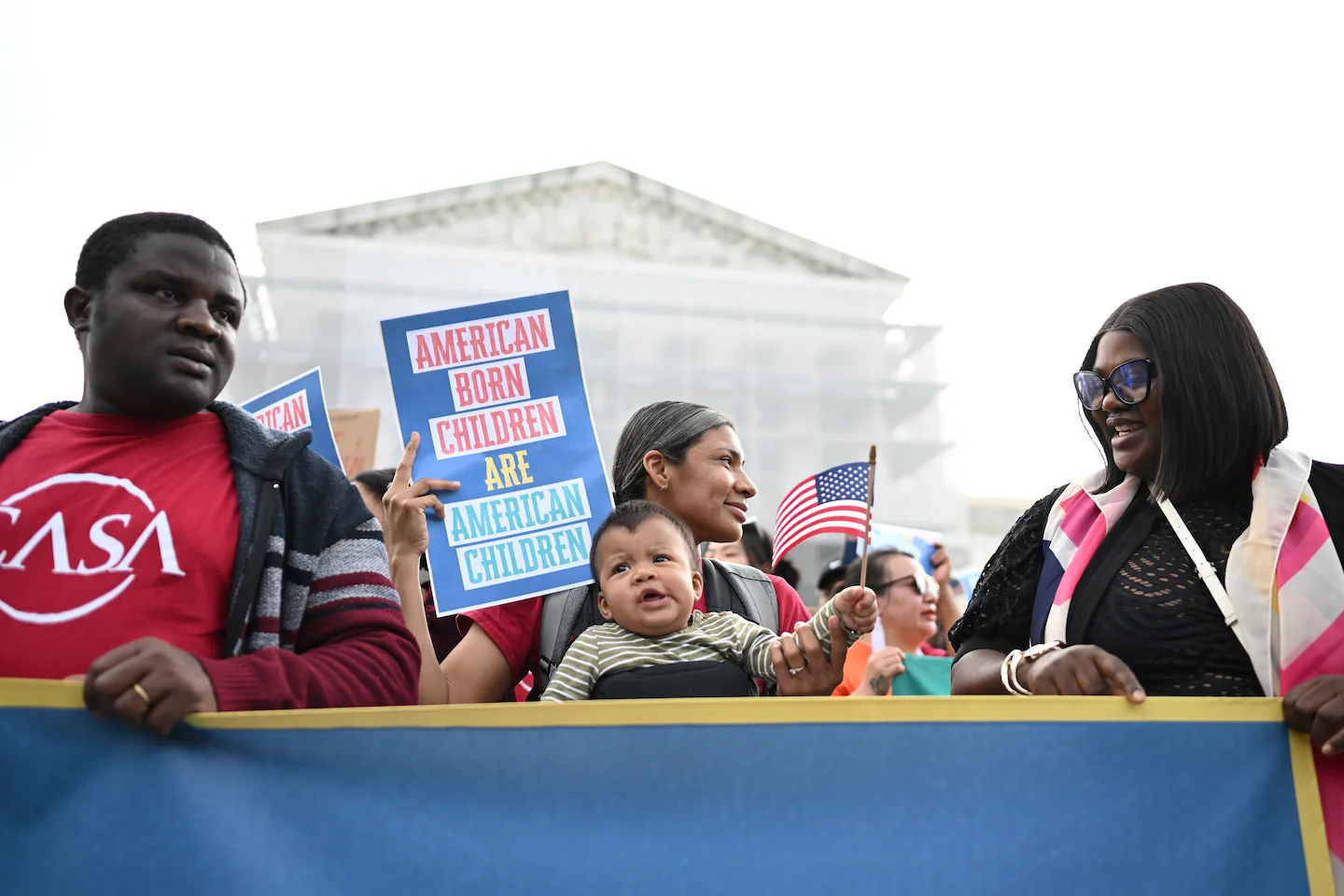
Trump officials have petitioned the Supreme Court to uphold a ban on birthright citizenship, despite widespread legal skepticism and protests, with the court previously supporting the administration in other emergency rulings.
The Trump administration has appealed to the Supreme Court to uphold its order restricting birthright citizenship for children of illegal or temporary immigrants, challenging lower court rulings that blocked the policy as unconstitutional under the 14th Amendment. The case could lead to a landmark decision on whether the citizenship rights conferred by the 14th Amendment can be limited based on parental immigration status, with a Supreme Court ruling expected by early summer.
The Trump administration is appealing to the Supreme Court to uphold a policy that would restrict birthright citizenship for children born to parents in the U.S. illegally or temporarily, arguing it is necessary for border security, while lower courts have blocked its implementation, citing constitutional violations of the 14th Amendment.
President Trump has asked the Supreme Court to allow him to end birthright citizenship, a move that could significantly impact U.S. immigration policy. The legal challenge centers on whether the 14th Amendment grants automatic citizenship to children born in the U.S. to parents who are not citizens, with previous court rulings generally supporting birthright citizenship. The case is part of broader efforts by the Trump administration to reshape immigration laws, but it faces legal hurdles and mixed judicial opinions.
The Trump administration has asked the Supreme Court to uphold an executive order aimed at ending birthright citizenship, challenging the long-standing interpretation of the 14th Amendment, which guarantees citizenship to anyone born in the U.S. The case presents a significant legal and constitutional debate, with lower courts blocking the order and the Supreme Court set to decide its legality in the upcoming term.
The Trump administration has appealed to the Supreme Court to review its attempt to restrict birthright citizenship, challenging lower court rulings that blocked the executive order, which aims to limit citizenship for children born in the U.S. to non-citizen parents, citing concerns over border security and the interpretation of the 14th Amendment.
The Trump administration has asked the Supreme Court to rule on the constitutionality of its executive order aiming to end automatic birthright citizenship, challenging the long-standing interpretation of the 14th Amendment, with cases from Washington and New Hampshire potentially setting a major legal precedent.
President Donald Trump has appealed to the US Supreme Court to uphold his executive order aiming to restrict automatic birthright citizenship, challenging longstanding interpretations of the 14th Amendment and setting the stage for a significant legal showdown over the constitutional right to citizenship for those born in the US.
Since the Supreme Court's June ruling that limited nationwide injunctions, more courts have issued blocks on Trump's executive order to end birthright citizenship, demonstrating ongoing judicial resistance and the complex legal battle over the policy's constitutionality.