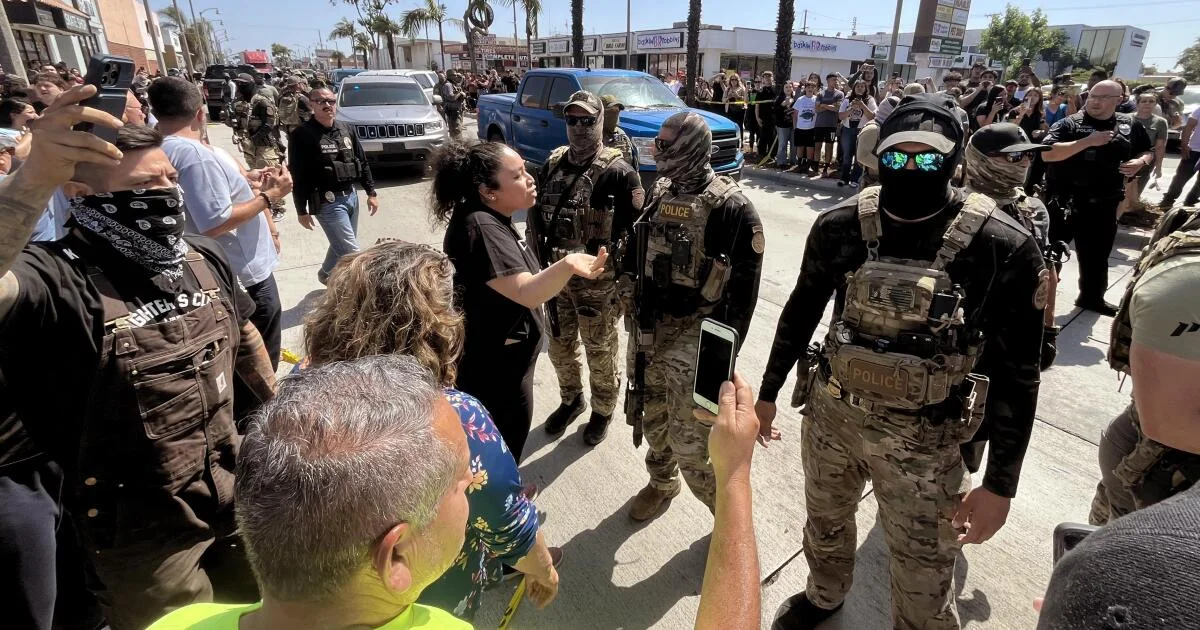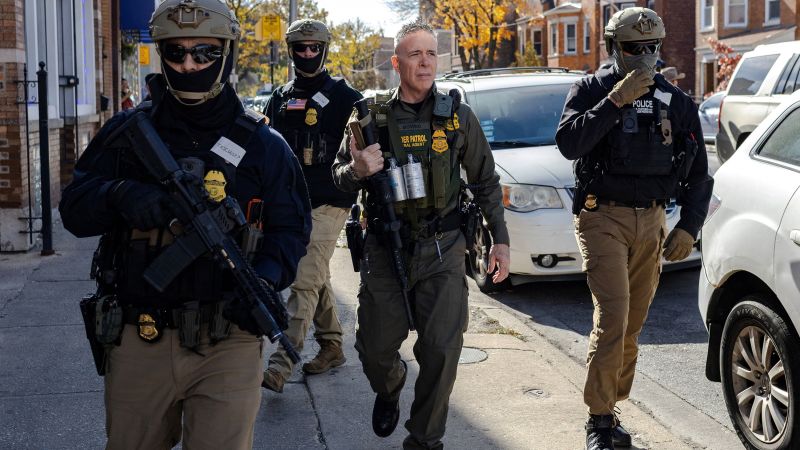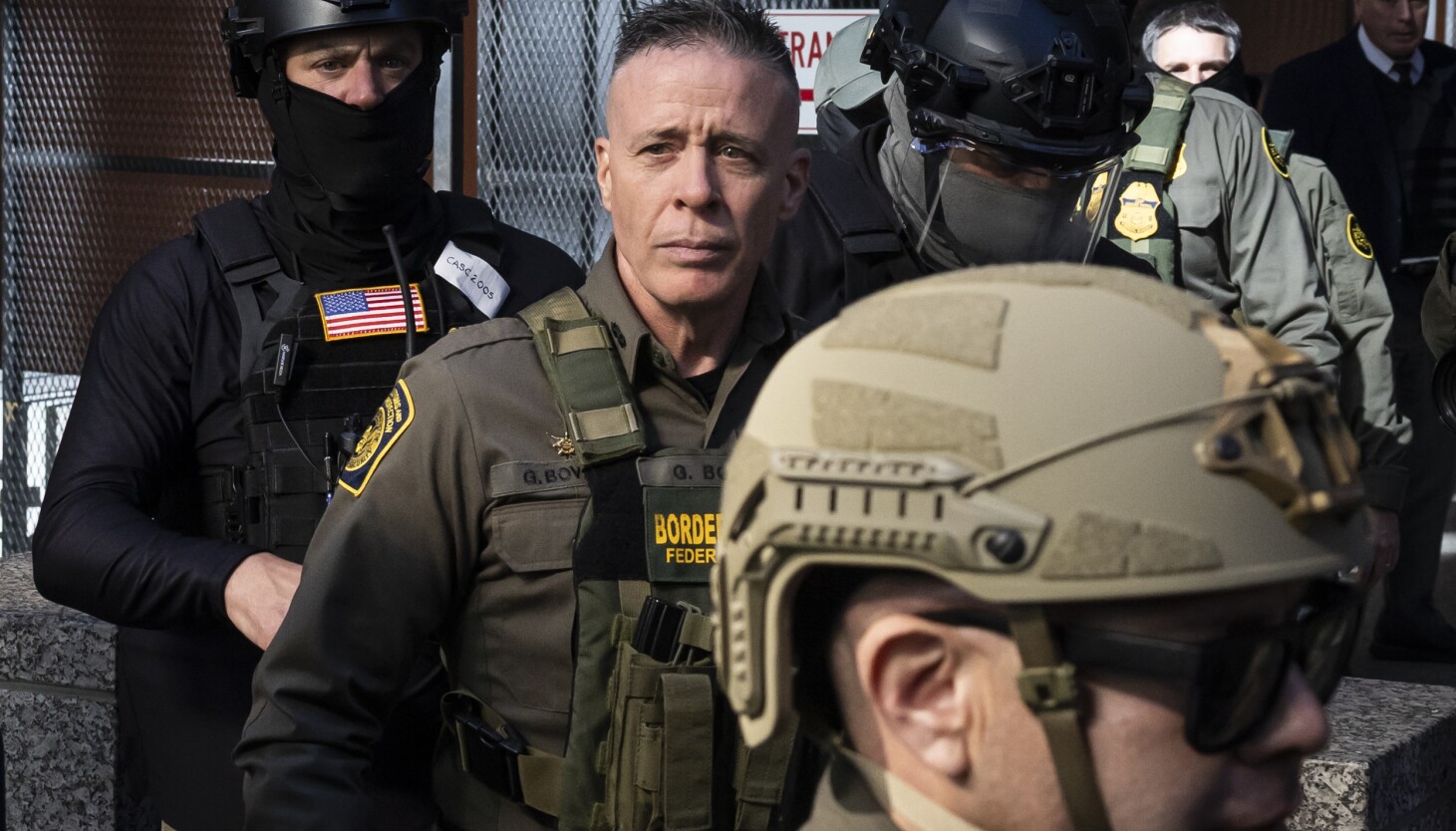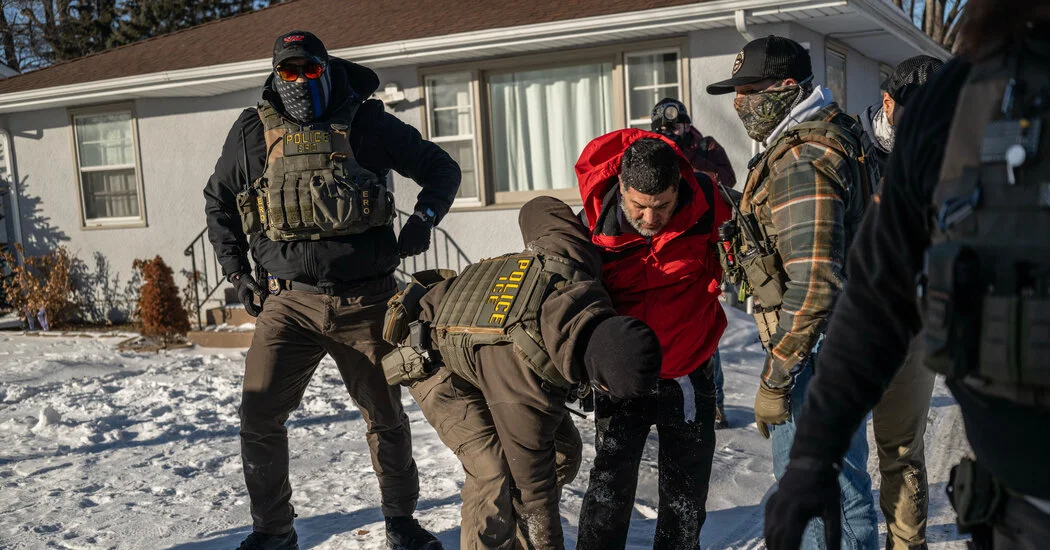
Gregory Bovino and his Border Patrol agents are planning to leave Chicago this week to focus on other cities like Charlotte and New Orleans, amid ongoing tensions and legal challenges related to their operations in Chicago, which have been criticized by local officials and a federal judge.
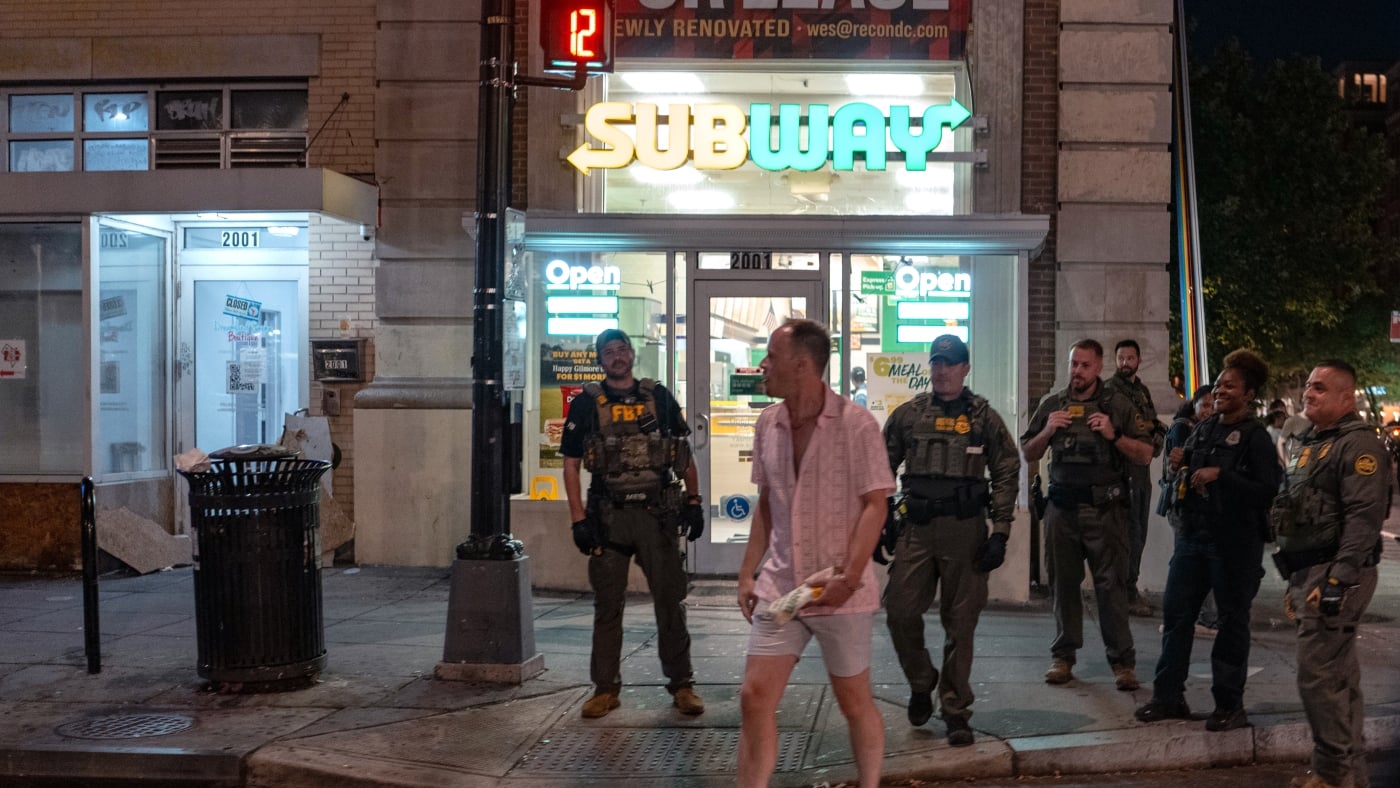
A D.C. jury found Sean Charles Dunn not guilty after he threw a Subway sandwich at a federal officer during a protest, symbolizing dissent against federal law enforcement actions in the city; the case drew attention to issues of free expression and police conduct.
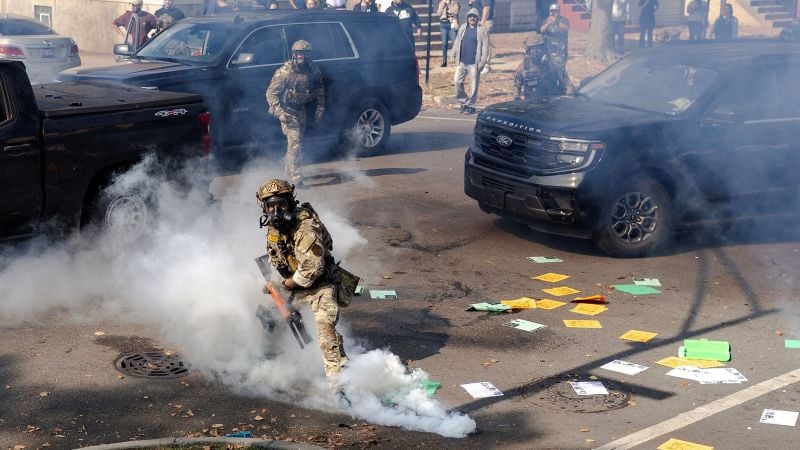
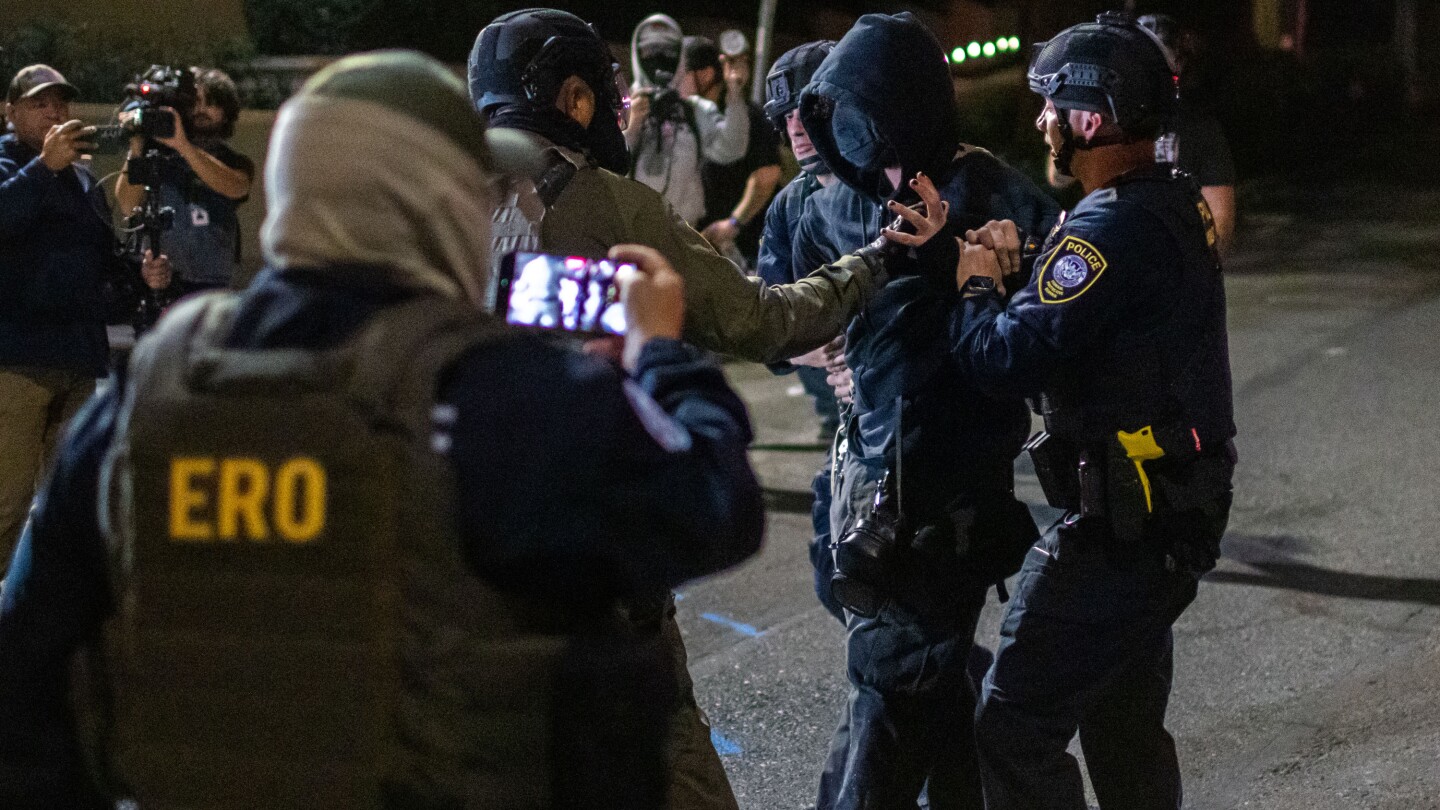
The article reports on emotional testimonies and legal proceedings concerning federal law enforcement's treatment of protesters and journalists in Chicago during Operation Midway Blitz, highlighting concerns over the use of force, tear gas, and the impact on individuals' safety and rights, with a judge preparing to rule on restrictions against such federal actions.
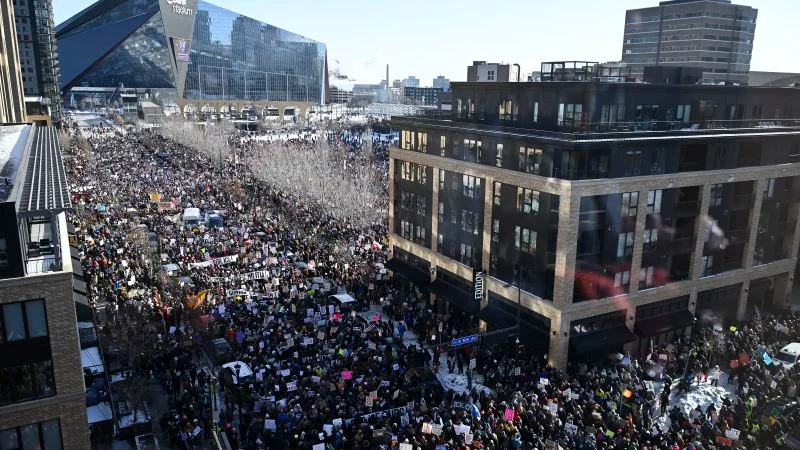
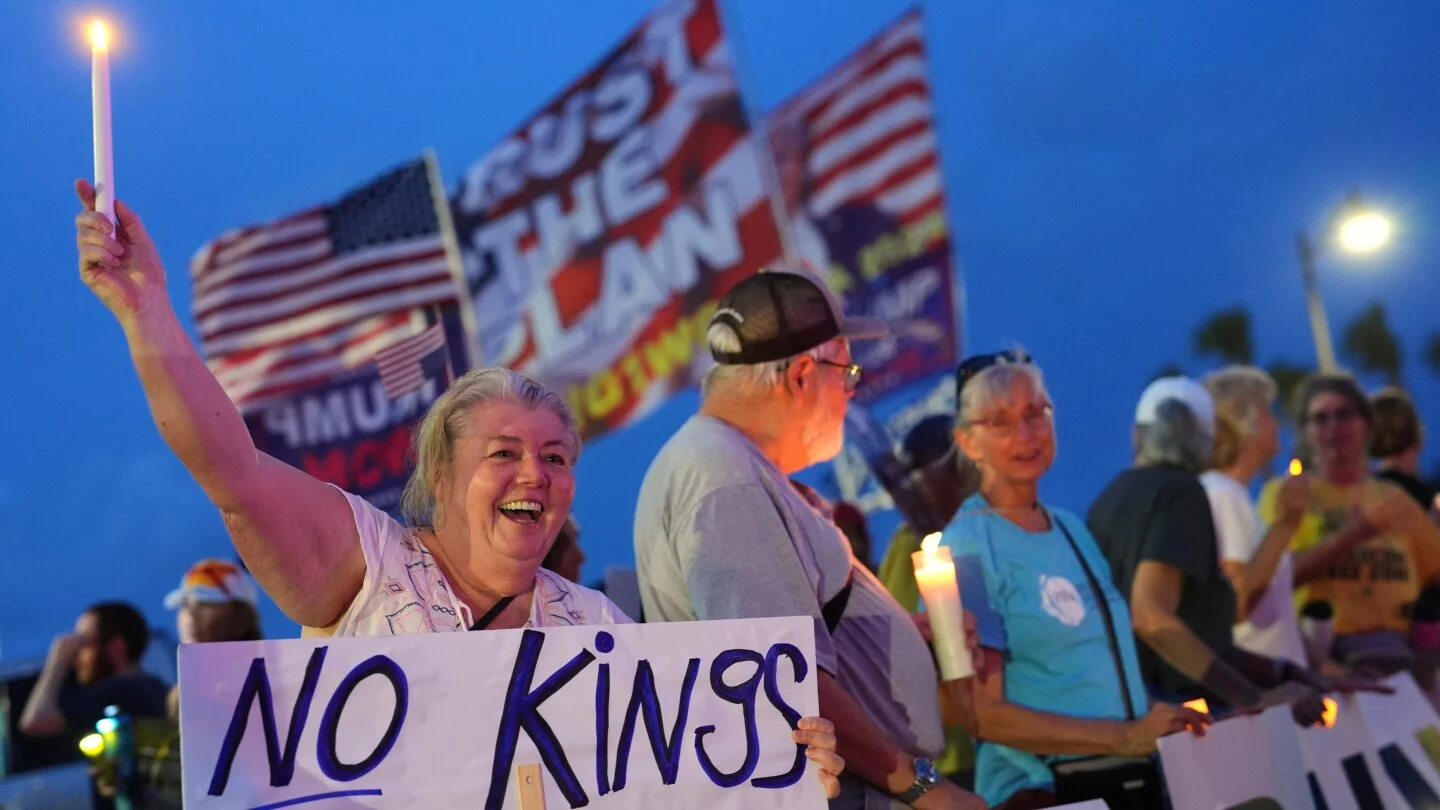
The 'No Kings' protests are scheduled across the U.S. to oppose perceived authoritarian practices by President Trump, emphasizing First Amendment rights, with over 2,500 locations expected to participate in a largely peaceful demonstration amid heightened tensions and government crackdowns.
A federal judge in Illinois expressed concerns over whether law enforcement agents are following her order to avoid violent encounters with protesters and journalists in Chicago, and has mandated the use of body cameras during such encounters to ensure compliance. The judge's order aims to limit the use of tear gas, pepper balls, and other force against peaceful protesters and journalists, amid reports of excessive force and media coverage questioning law enforcement actions.
Millions are expected to protest President Trump’s push for more executive power across the US, with organizers emphasizing nonviolence and preparing for possible aggressive responses from federal authorities, amid political accusations and concerns over escalation.
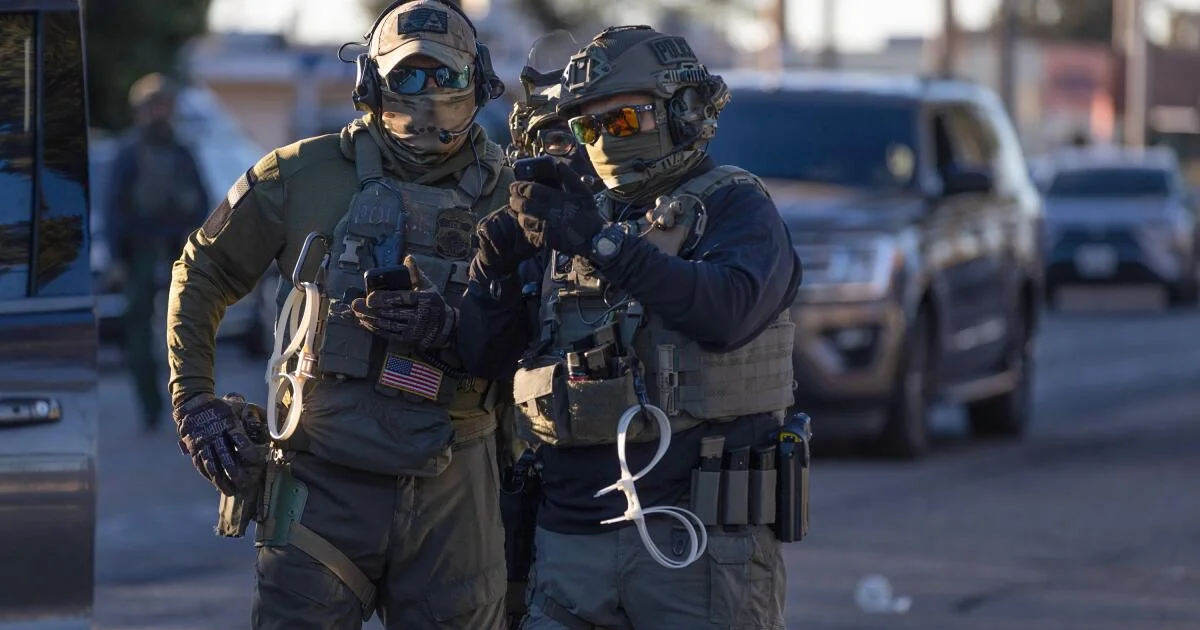
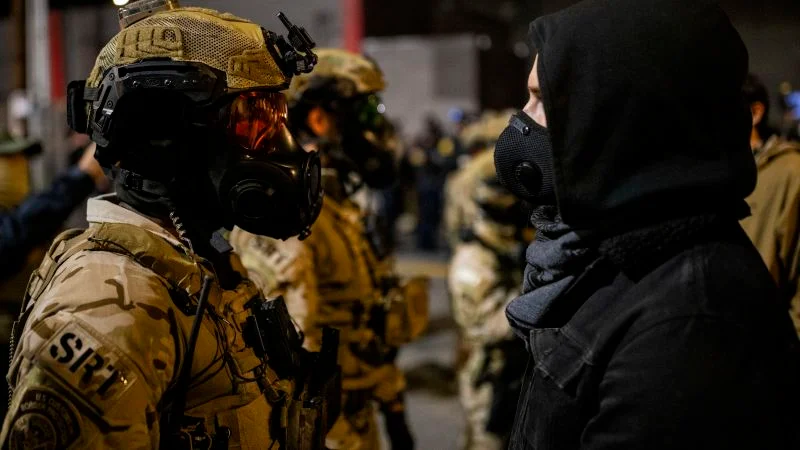
The article reports on the US federal government's use of military tactics and equipment, such as helicopters, armored vehicles, and flashbang grenades, against civilians during immigration enforcement operations, raising concerns about excessive force and militarization of police actions in urban areas.
The White House claimed a 1,000% increase in assaults on ICE agents, but court records and analyses show only about a 25% rise, with no evidence supporting the dramatic increase. Despite some dangerous incidents, the data suggests government assertions are exaggerated, raising concerns about credibility and trust in law enforcement.
A federal appeals court showed skepticism towards a temporary order blocking President Trump from deploying the Oregon National Guard to Portland, questioning the legal basis and the president's authority in the context of ongoing protests and violence at the ICE facility. The court highlighted the broad powers of the president in law enforcement and the challenges in limiting such executive actions, with a decision pending.
President Trump has targeted Portland, Oregon, with increased federal law enforcement actions and rhetoric, citing violent protests and Antifa activity, despite the city's relatively low violent crime rates and history of progressive politics. The escalation of federal presence and Trump’s characterization of Portland as 'war-ravaged' reflect longstanding tensions and political strategies, with local leaders urging caution against provoking further unrest.
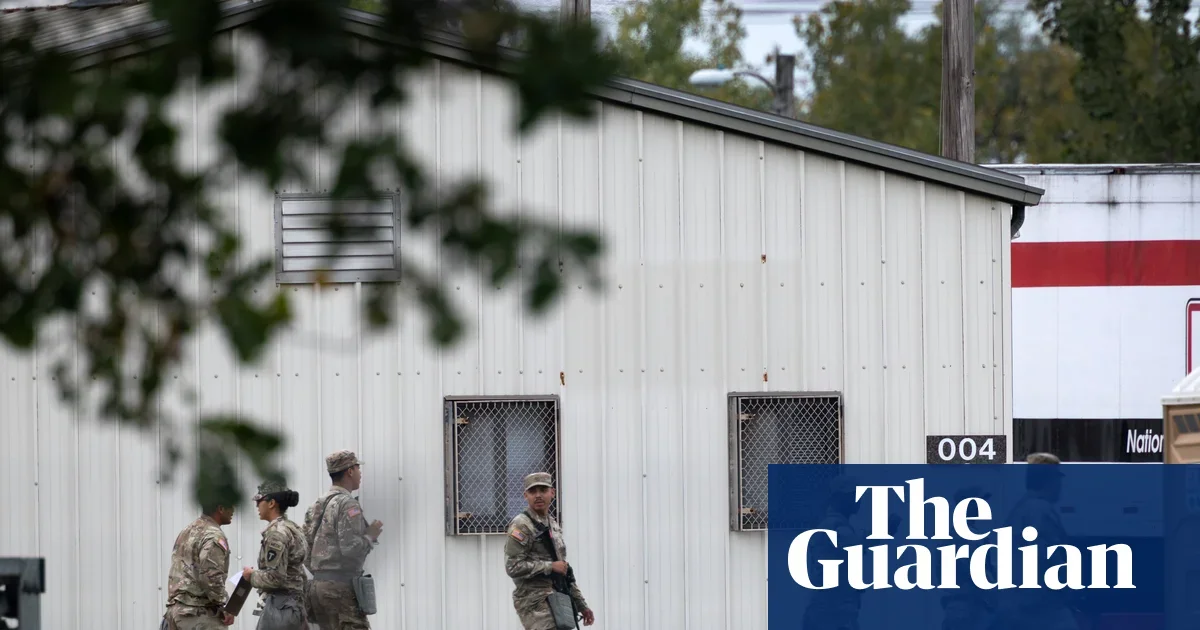
President Trump's deployment of National Guard troops in Illinois faces legal challenges, with courts scrutinizing the legality of the deployment amid opposition from Illinois officials and concerns over federal authority, while similar issues are ongoing in Oregon regarding troop deployment in Portland.
Portland is considering taking over the lease or ownership of the ICE facility amid ongoing protests and tensions with federal law enforcement, with discussions influenced by recent visits from DHS officials and debates over the building's role and law enforcement conduct.
Kristi Noem, the homeland security secretary, visited an ICE facility in Portland with conservative influencers, amid small protests and claims by Trump and Noem that the site is under siege by 'terrorists,' despite evidence of a peaceful demonstration. The visit included social media promotions and confrontations with protesters, highlighting ongoing political tensions over federal actions in Portland.
The article discusses how President Trump's intervention in Portland's 2020 protests, through federal law enforcement, led to increased chaos and violence, serving as a cautionary example for other cities now facing similar unrest. Five years later, the events remain a significant part of Portland's public image and influence current protests.
Federal law enforcement escalated tactics against protesters outside Portland's ICE facility, deploying tear gas and pepper balls, shortly after a judge paused the deployment of Oregon National Guard troops ordered by Trump, amid ongoing protests and legal challenges.