musictech1.825 min read
"Spotify's Potential Lossless Streaming Upgrade with 'Music Pro' Add-On"
1 year ago•Source: The Verge

The latest musictech stories, summarized by AI

Spotify introduces a new AI Playlist tool for premium subscribers in Australia and the U.K., allowing users to input prompts referencing various themes and receive a custom playlist generated by AI. The tool, currently in beta, enables users to modify the playlists and experiment with different styles and tempos, offering endless possibilities for music curation.
The Verge•1 year ago
The Verge•2 years ago

Apple Music will offer artists a bonus payout of up to 10 percent in royalties for songs available in spatial audio, with the pro-rata shares for spatial plays being calculated using a factor of 1.1. This move comes as an increasing number of new songs are being released in both Dolby Atmos and stereo, with a 5,000 percent increase in spatial audio availability since its 2021 launch. Spatial audio is supported across Apple's new devices, and is also available on Tidal, Amazon Music Unlimited, Netflix, and HBO Max, while Spotify is yet to introduce a similar offering.

Apple is reportedly planning to give "added weighting" to songs that offer a Dolby Atmos mix, potentially increasing the royalties that artists receive from Apple Music. The change, which hasn't been officially announced yet, aims to further promote the adoption of the immersive audio format. Apple supports Dolby Atmos across its devices, while other tech players like Amazon and Sonos also offer Atmos-optimized speakers. Spotify, on the other hand, still does not support spatial audio listening. Apple's move could help strengthen its standing with artists and publishers amid recent challenges faced by its competitor.
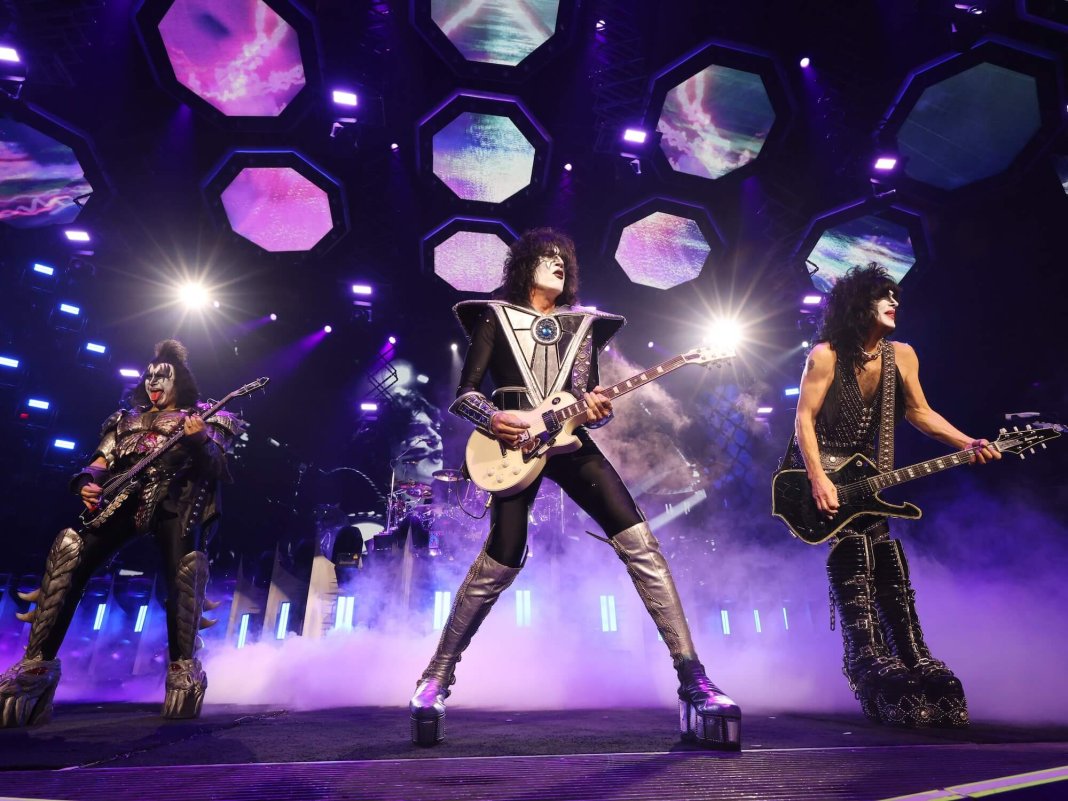
KISS has unveiled their virtual avatars at their final farewell tour performance, signaling a "new era" for the band. The avatars, created by Pophouse Entertainment with help from Industrial Light & Magic, will be used to produce "immersive, avatar-powered" concerts. Unlike ABBA Voyage, KISS's shows will be fully pre-recorded with no live music. The success of ABBA Voyage, which made $2 million per week, has inspired other legacy acts to explore virtual live shows.
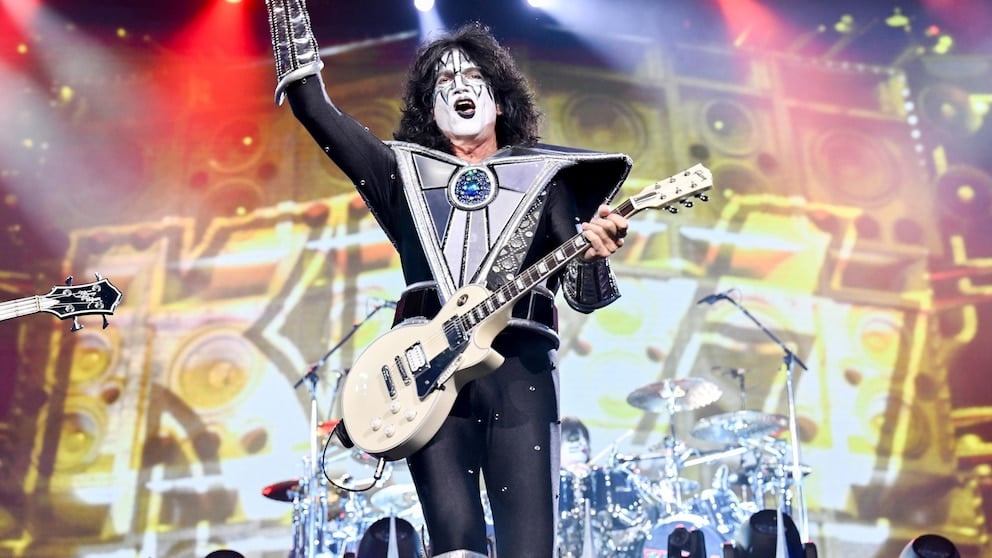
Kiss, the iconic rock band, closed out their farewell tour with a surprise as they transformed into digital avatars during their encore performance. The avatars, created by George Lucas' Industrial Light & Magic, allowed the band to continue their legacy in a new digital form. This cutting-edge technology opens up possibilities for virtual concerts and global performances, with Kiss expressing interest in a kind of digital immortality. The music industry has seen an increase in experimentation with digital avatars, with artists like ABBA and K-pop groups utilizing similar technology. Kiss fans can look forward to potential future avatar concerts.

Spotify confirms its new royalty model, which includes demonetizing low-played tracks, charging fees for streaming fraud, and monetizing "noise" tracks after two minutes of listening. The company argues that these changes will generate an additional $1 billion in revenue for emerging and professional artists over the next five years. Meanwhile, Spotify is reportedly looking for a new ad agency as it reduces marketing spend. In other news, Pushkin Industries, co-founded by Malcolm Gladwell, has seen multiple layoffs and leadership changes, leading to its employees unionizing with the Writers Guild of America, East.
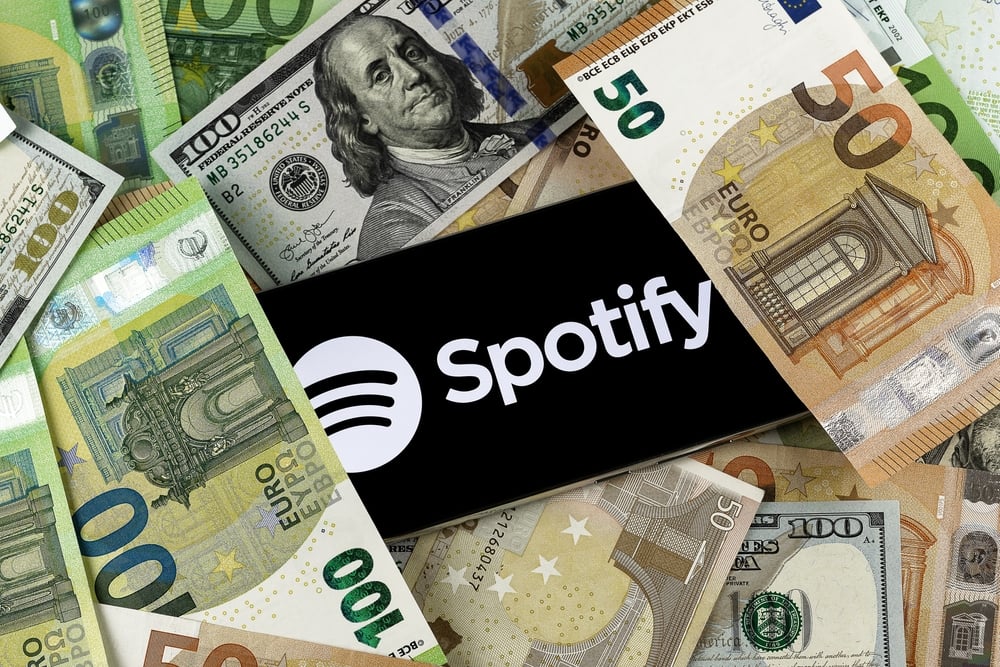
Spotify has confirmed the details of its upcoming changes to its royalty model, aiming to better support artists dependent on streaming revenues. The changes include introducing a minimum threshold of 1,000 streams in the previous 12 months for tracks to generate recorded royalties, charging labels and distributors for flagrant artificial streaming, and increasing the minimum track length for functional noise recordings to two minutes. Spotify believes these policies will drive an additional $1 billion in revenue towards emerging and professional artists over the next five years.
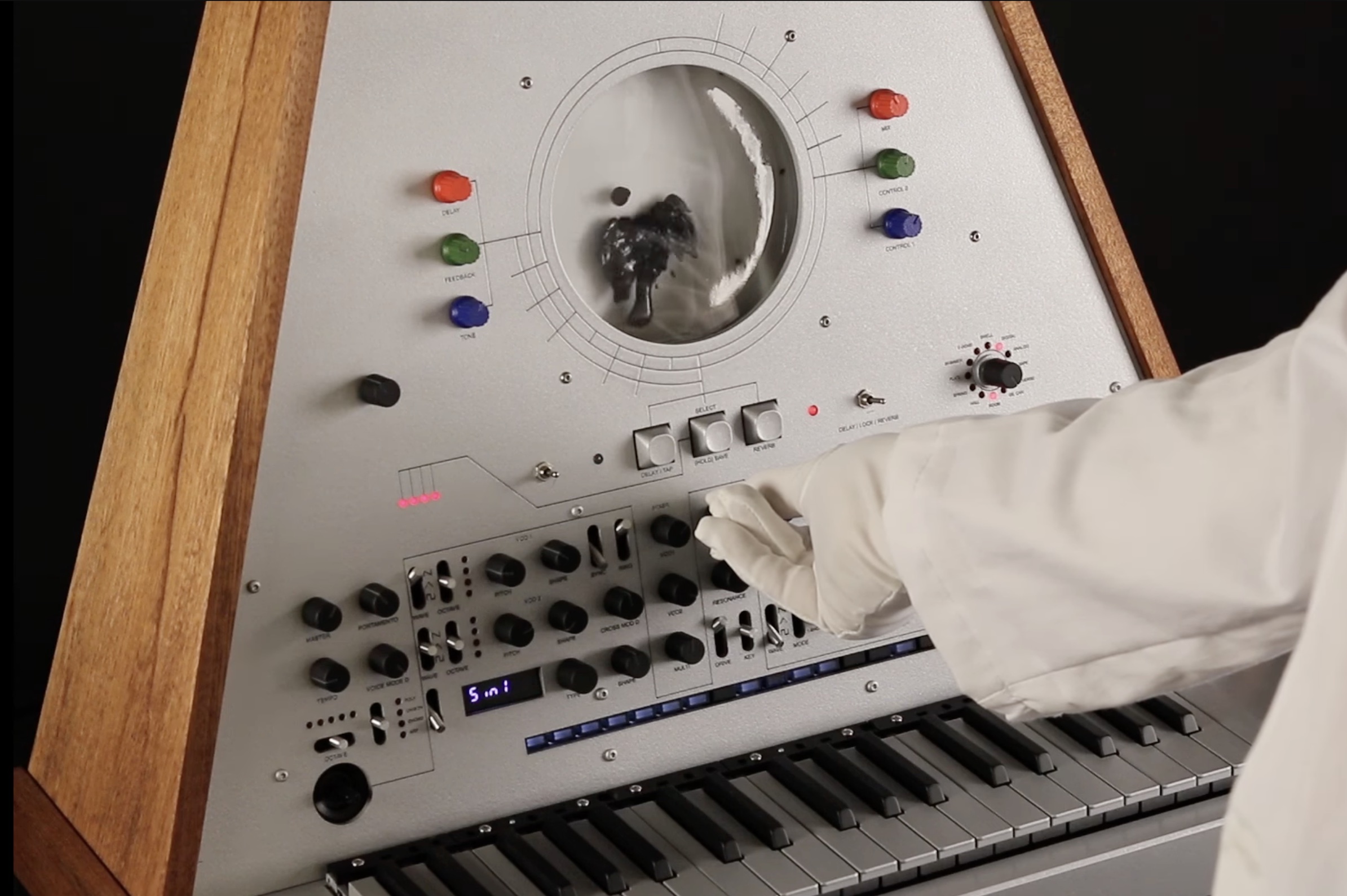
Love Hultén, a designer known for creating custom instruments, has incorporated ferrofluids into their latest creations, resulting in mesmerizing visualizations. One of their recent projects features a KORG minilogue xd synthesizer encased in a ferrofluid-animated display. Love Hultén drew inspiration from DAKD Jung's ferrofluid-display Bluetooth speaker project. In addition to the ferrofluid synths, Love Hultén has also created a stunning "Chunky Mother-32" commission that combines a Moog Mother 32, a Roland TR-08, and a Hologram Electronics Microcosm, along with a pull-out keybed.
Spotify is implementing new rules that will demonetize tracks on its platform that receive less than 1000 plays annually, redirecting funds from the 0.5% of artists who fall below this threshold to the rest of the royalty pool. This means that over half of all songs on Spotify, which have yet to reach the 1000-stream threshold, will no longer generate any royalties. Additionally, Spotify will charge penalties to distributors and labels enabling fraudulent streams and increase the playtime required for "functional" content to earn royalties. These changes mirror similar moves by Deezer and aim to address issues of low payouts and fraud in the streaming industry.
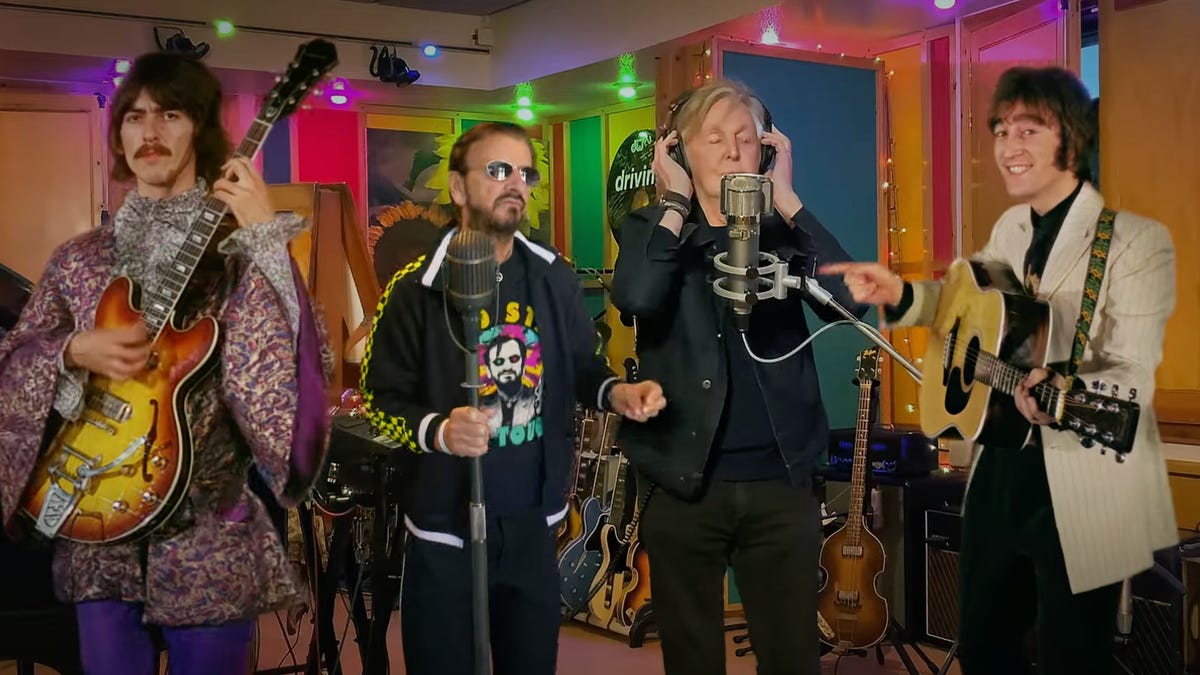
The Beatles' newly released recording, "Now and Then," has a music video that incorporates artificial intelligence (AI) technology to blend archival footage of the band with current shots of surviving members Paul McCartney and Ringo Starr. The video has received mixed reactions, with some finding it unsettling to see the departed Beatles interacting with their younger selves. The use of AI in music is becoming more prevalent, with AI being used to clean up audio recordings and even mimic the voices of artists like Drake and the Weeknd. The involvement of big names like the Beatles and the Grammy Awards in AI music raises questions about the future of the industry and the need for fair compensation and permissions for artists. Despite concerns, the surviving Beatles and their families have embraced the use of AI technology in preserving and enhancing their music.

Spotify has launched a new hub for artist merchandise, recommending items like T-shirts and vinyl records. While the company has been making efforts to integrate merch purchasing into the app, users are currently directed to artists' individual merch stores to make purchases. Spotify does not take a cut from sales, but the move aims to address the low earnings artists receive from music streams. However, some users are experiencing difficulty finding the merch hub on the app.