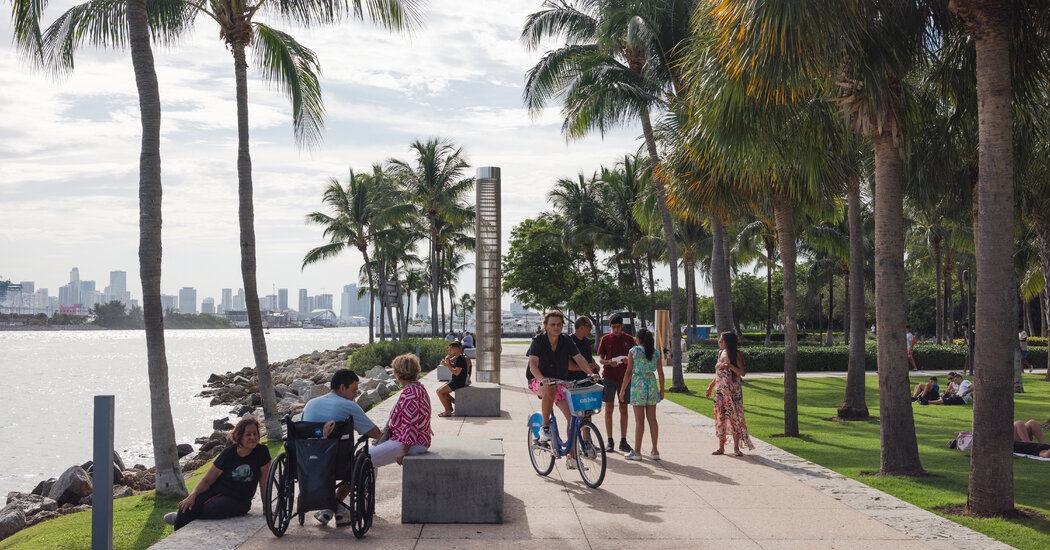
Linguistics professor Phillip M. Carter argues that Miami English, heavily influenced by Spanish, is a distinct regional dialect of American English. Decades of exposure to Spanish have resulted in phrases spoken and understood even by native English speakers who are not fluent in Spanish. These phrases, known as calques, are direct translations from Spanish. While some linguists believe Miami English is currently more of a sociolect, specific to certain social groups, there is a possibility that it may expand and become a recognized dialect. The influence of Spanish on Miami English is seen in its vowel system, grammatical structure, and lexicon.

Linguistic analysts at Florida International University’s Cuban Research Institute (CRI) have identified a new dialect in Miami that blends Spanish meanings and English words into a colloquial form of language. The dialect incorporates "calques", or "borrowed translations" from a speaker’s native language directly into another. The researchers say that the dialect is a gradual assimilation from Spanish phraseology into a widely understood local parlance in English. The first waves of Cuban immigration were "just the beginning" of the process, with second-, third- and fourth-generation Cuban Americans, and now immigrants from other South and Central American countries in the Miami area, continuing its evolution.
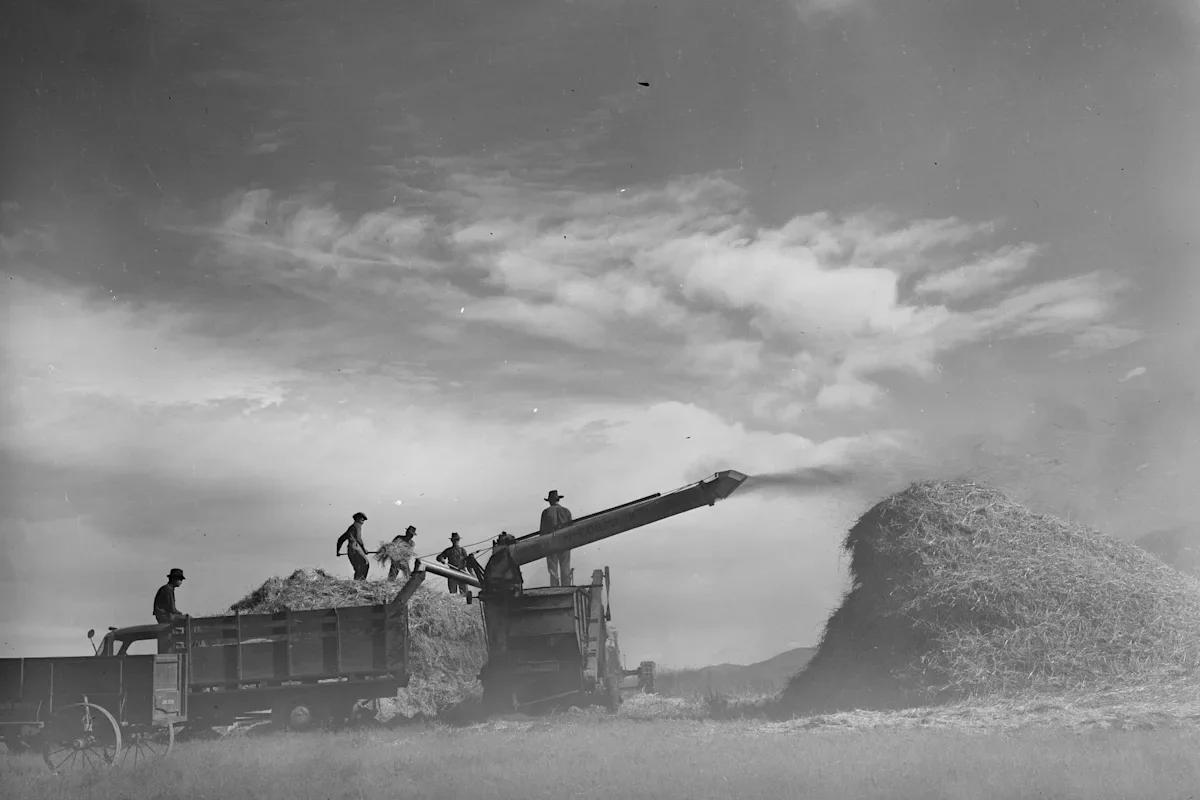
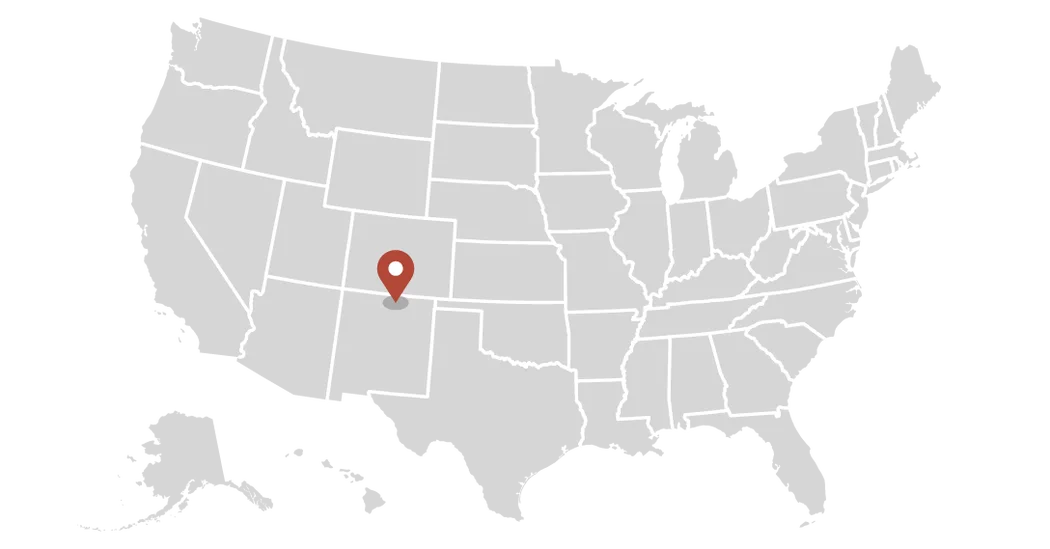
For over 400 years, a unique form of Spanish has been spoken in the mountains of New Mexico, but it is now at risk of dying out. The dialect, which includes words from English and indigenous languages, has been kept alive through poetry, song, and everyday exchanges. However, economic, cultural, and climate challenges are threatening the rural communities that have nurtured the dialect for centuries. While some are trying to provide a lifeline for the dialect, others are not optimistic about its chances of survival in its recognizable form.
New Mexico is home to a unique form of Spanish that has been spoken for over 400 years and exists nowhere else on earth. The dialect, an offshoot of the Spanish of northern Mexico, has been kept alive through poetry, song, and everyday exchanges in Hispanic enclaves scattered throughout the region. However, the dialect is at risk of dying out as rural communities face economic, cultural, and climate challenges. Efforts are being made to preserve the dialect through oral histories, workbooks, and heritage camps, but some linguists are not optimistic about its chances of survival in its recognizable form.