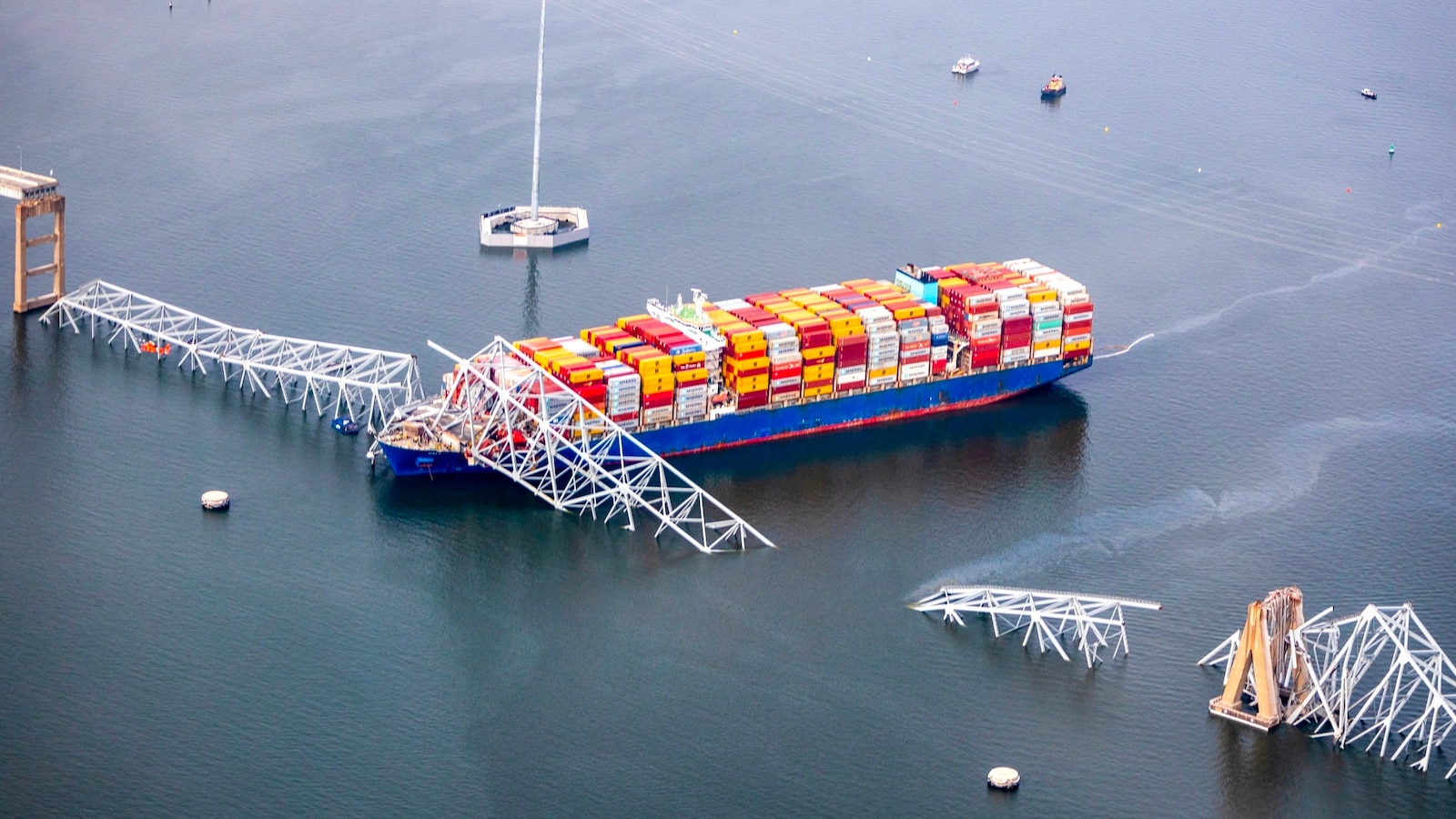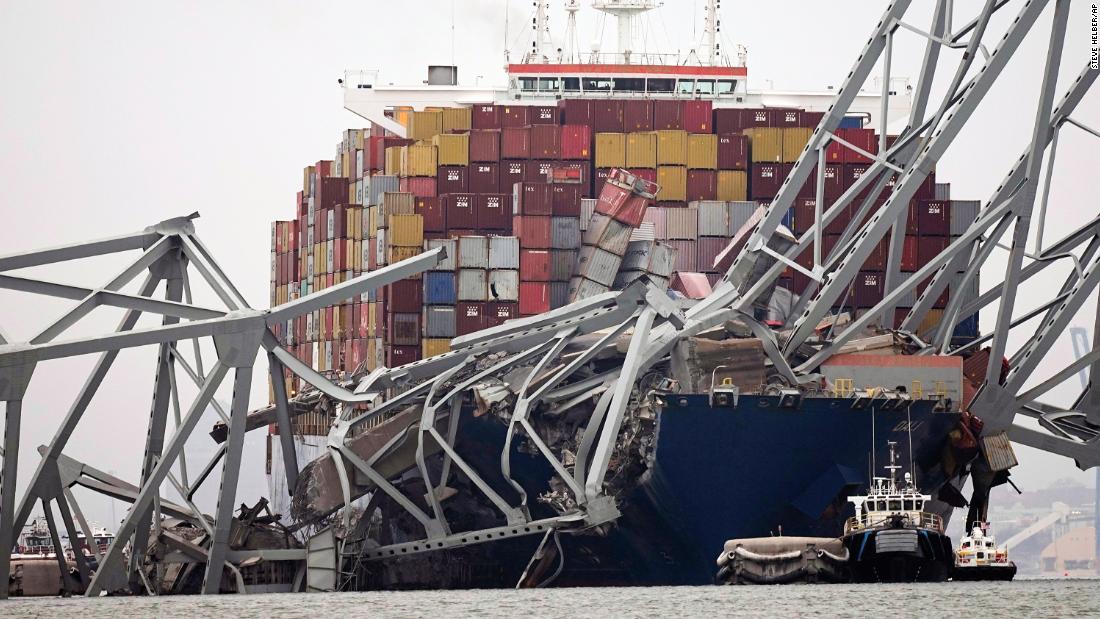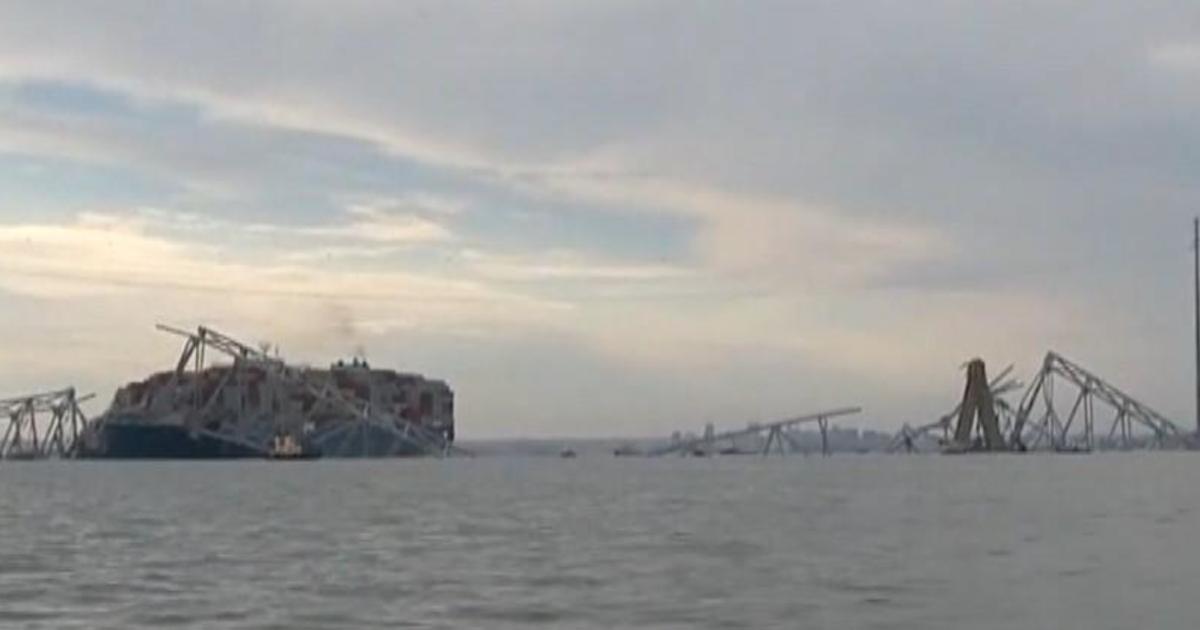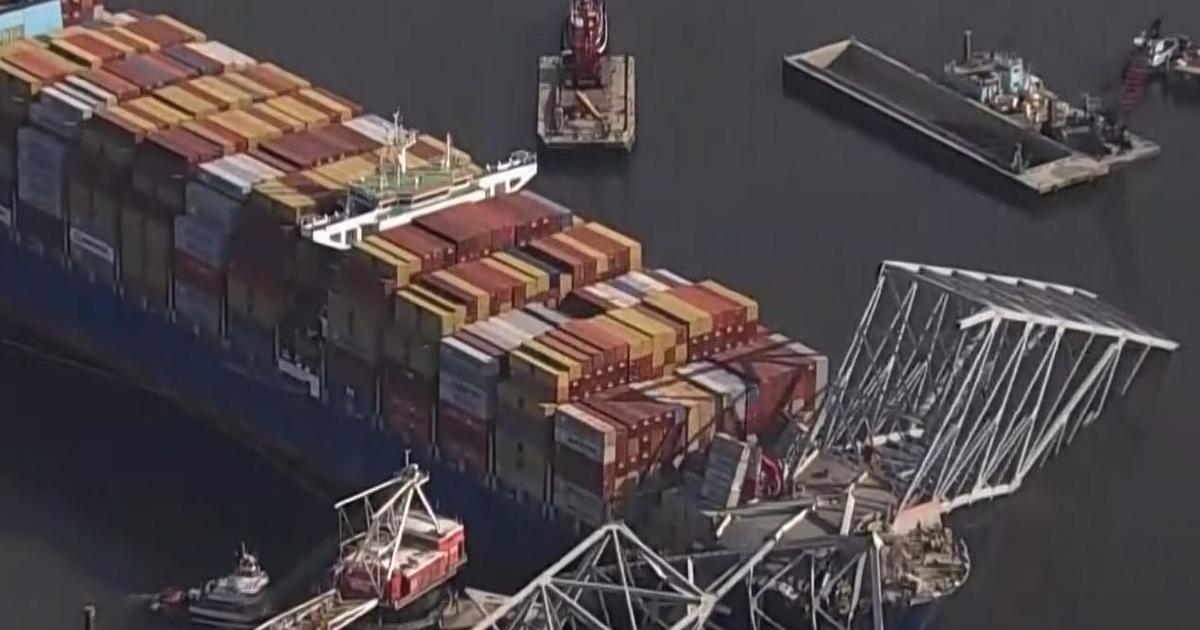
A fourth body has been recovered from the Key Bridge collapse site, with two workers still missing and presumed dead. Salvage operations are underway to remove debris from the river, including a damaged cargo ship. Divers continue to face challenges due to poor visibility and hazardous conditions. Baltimore City is taking legal action against entities responsible for the collapse, while efforts to support the impacted families and workers are ongoing.
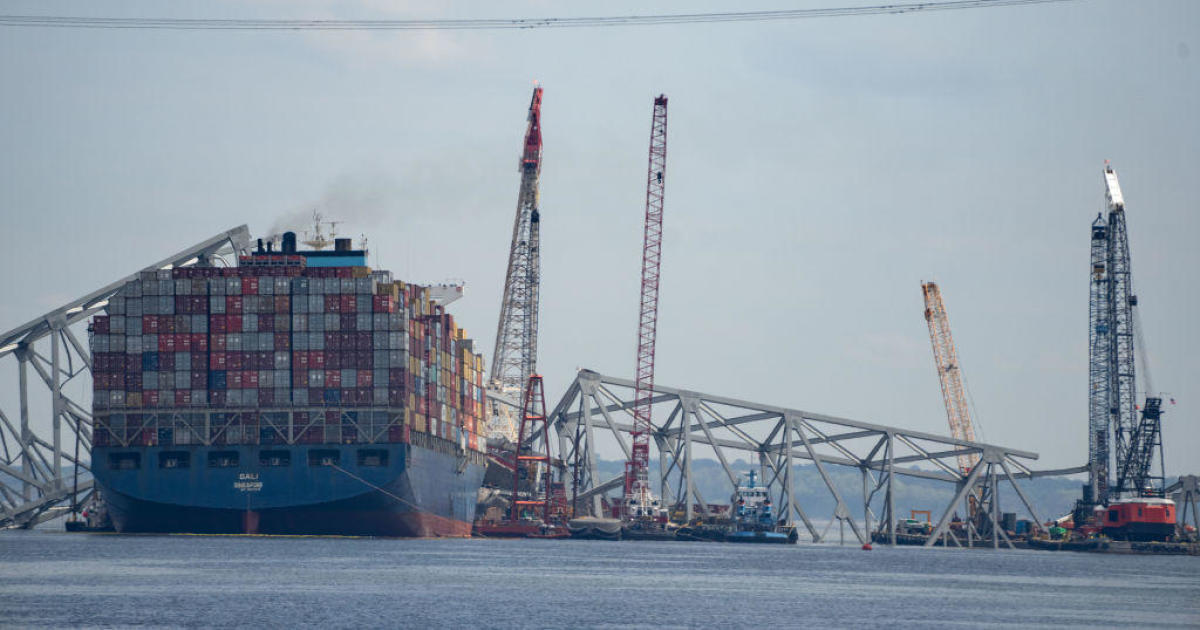
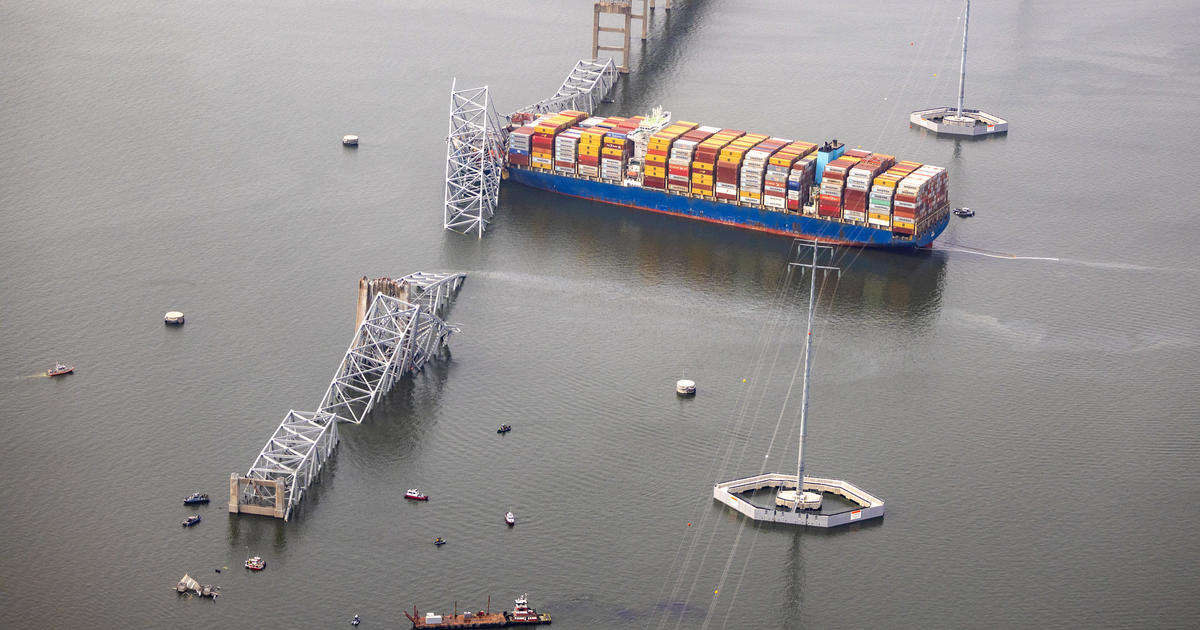
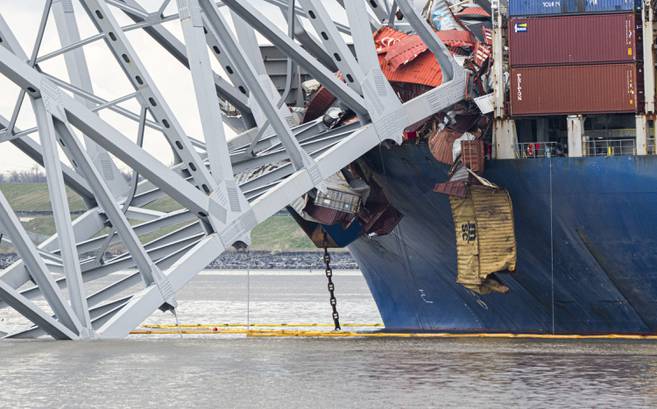
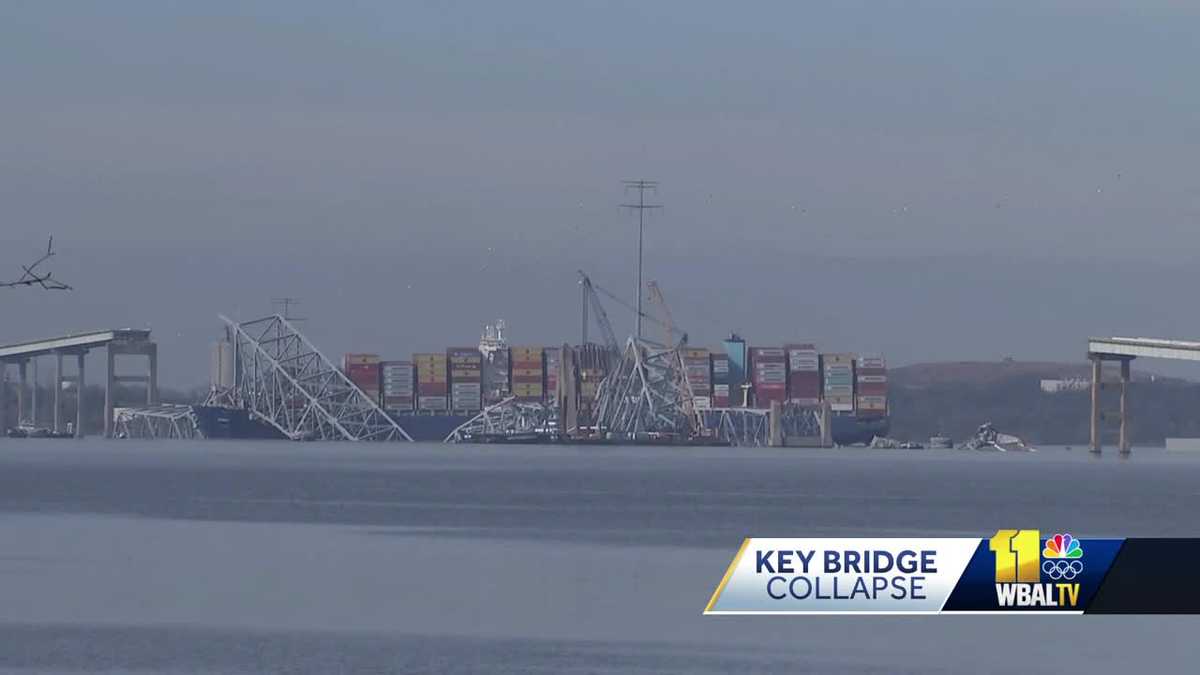
Baltimore is taking legal action against the entities responsible for the Key Bridge collapse, partnering with trial law firms to seek recourse for the tragedy that killed six construction workers. The city is targeting the ship's owner, charterer, operator, and manufacturer, aiming to mitigate the harm caused to residents. The FBI has launched an investigation into the collapse, with agents present on the cargo ship involved. The National Transportation Safety Board is focusing on the ship's electrical system, while salvage operations continue to recover bodies and clear the Fort McHenry Channel for port operations.
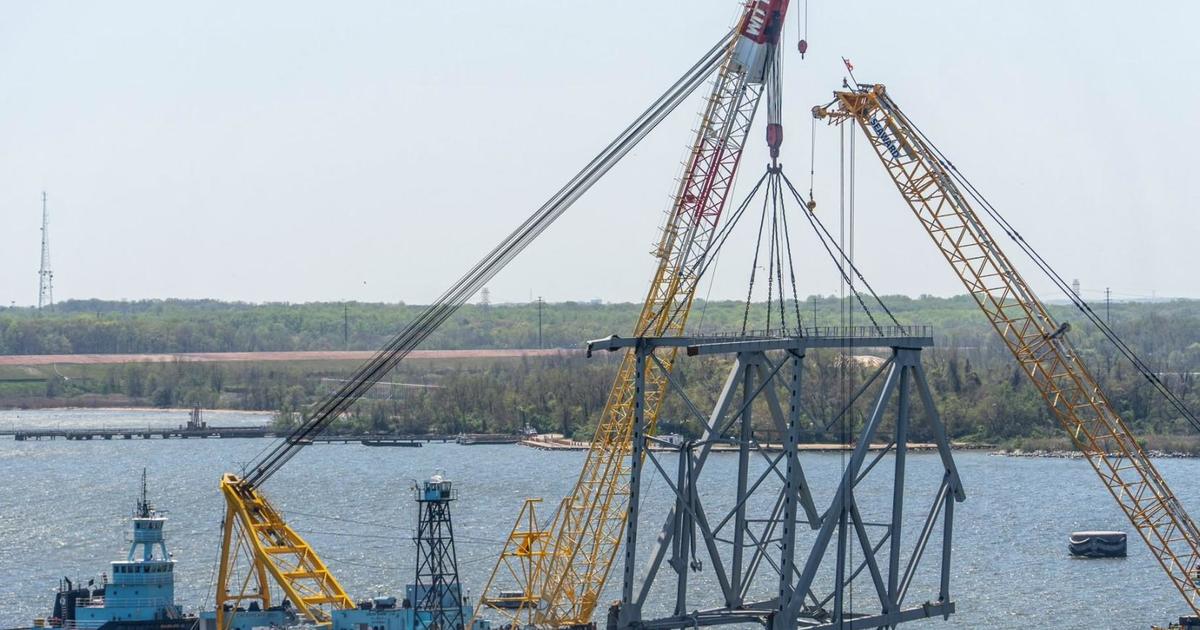
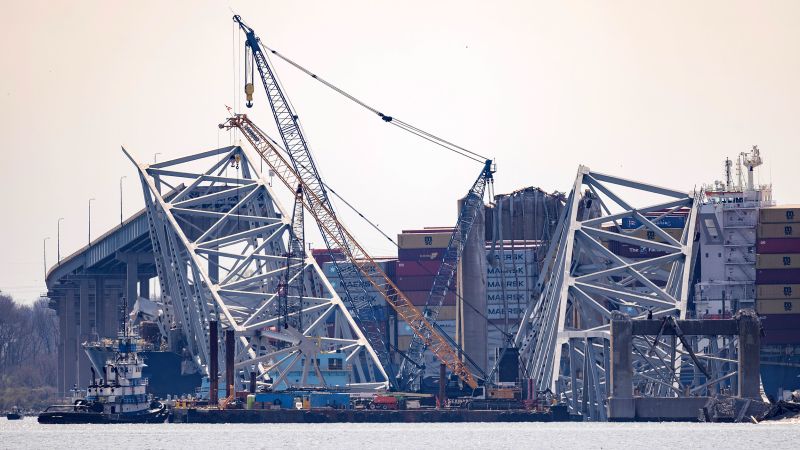
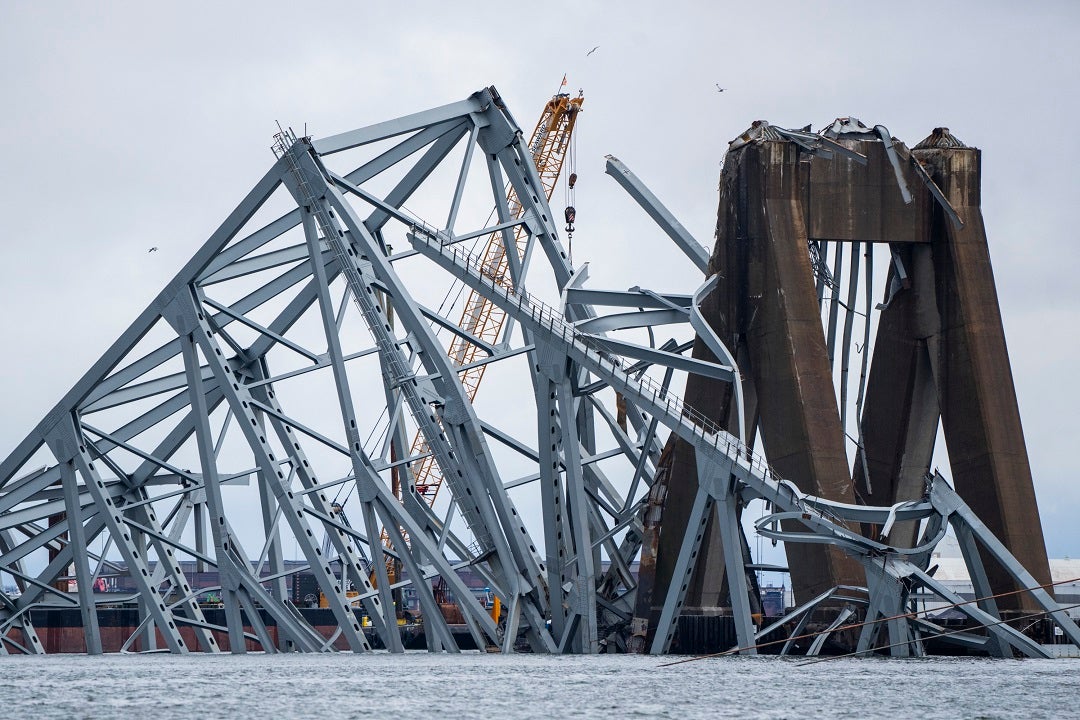
The Chesapeake 1000, the largest floating crane on the Eastern Seaboard, was used to clear the Key Bridge collapse site in the Patapsco River, allowing for the opening of temporary alternate channels for limited ship traffic to the Port of Baltimore. Maryland Governor Wes Moore announced additional assistance for businesses and workers impacted by the collapse, including grants and temporary wage payments. Three construction workers remain missing after the collapse, with recovery efforts ongoing.
The collapse of Baltimore's Key Bridge following a cargo ship collision has led to the suspension of operations at the Port of Baltimore, resulting in 8,000 job losses and leaving dockworkers in a state of uncertainty. Efforts to clear the debris and restore the port are underway, but the impact on dockworkers, residents, and businesses is significant, with concerns about meeting basic needs and the future of the port's operations. The community is grappling with the challenges posed by the loss of this vital infrastructure.
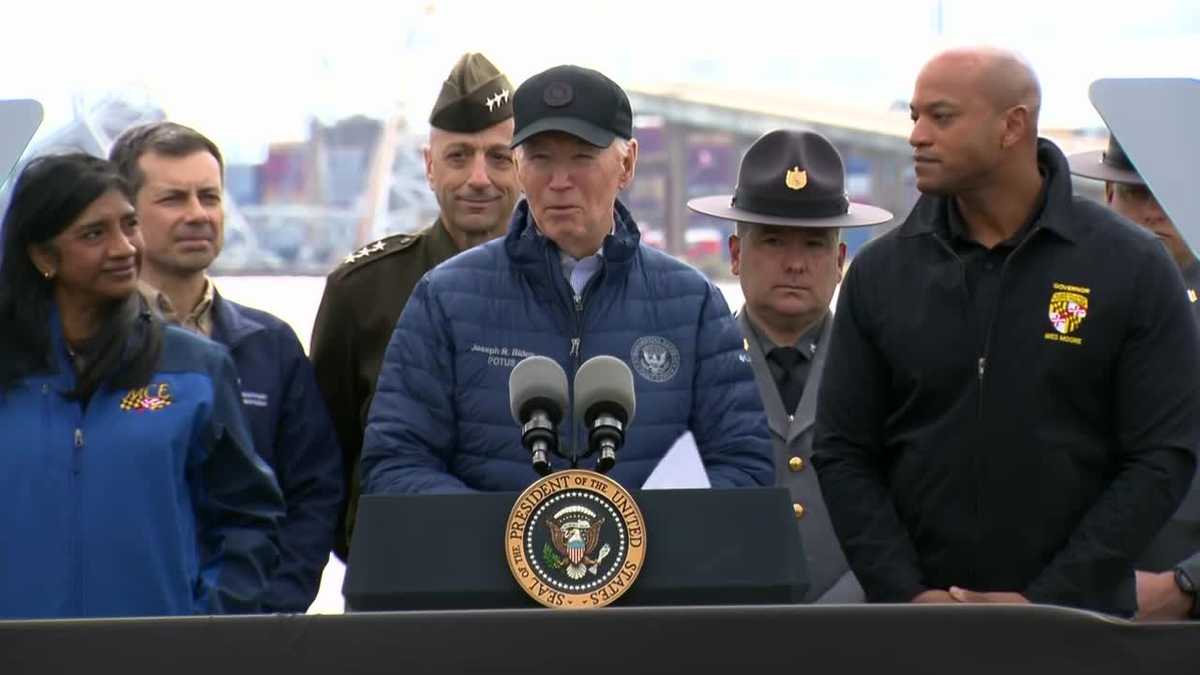
President Biden visited Baltimore to assess the damage caused by the Key Bridge collapse, expressing hope for the full channel to reopen by May and empathizing with the families of the six workers killed. He assured the city that the nation has its back and received an operational briefing on the recovery efforts. The collapse is not expected to have a significant economic impact on Baltimore, and concerns have been raised about the vulnerability of other major US bridges to ship collisions. The Biden administration has asked Congress to approve federal funding for the bridge reconstruction, and divers have surveyed the underwater wreckage near the collapse site.
After the collapse of Baltimore's Francis Scott Key Bridge, Transportation Secretary Pete Buttigieg and White House officials scrambled to coordinate a response, with President Joe Biden pledging federal support for the rebuild. The Coast Guard and federal resources were mobilized for search and rescue operations, and the government quickly authorized $60 million in funding for the recovery. The response has evolved from triage to long-term planning, with daily check-ins and coordination among federal and local officials. Political personalities involved, including Buttigieg and Maryland Governor Wes Moore, have set aside party affiliations to focus on the recovery efforts.
President Biden visited Baltimore to survey the aftermath of the collapsed Francis Scott Key Bridge, where efforts are underway to clear the wreckage and reopen the shipping lanes. He met with local officials, Coast Guard, and Army Corps of Engineers, and also greeted police officers who helped avert further loss of life. The Maryland Tough Baltimore Strong Alliance has been formed to support workers and neighbors, and a temporary alternate channel for vessels has been established. The administration is seeking congressional authorization to cover 100% of the cleanup and reconstruction costs, but funding questions and political implications loom as the cleanup and repairs are expected to be lengthy and costly.
The U.S. Army Corps of Engineers plans to open a limited access channel by the end of April to restore safe navigation in and out of the Port of Baltimore after the Francis Scott Key Bridge collapsed. The full channel is expected to reopen by the end of May. The Corps is also working to recover the two missing victims and warned that the timeline is ambitious and subject to change due to factors like bad weather or complexities in the wreckage. The Port of Baltimore, a vital economic hub, was severely impacted by the collapse, with the port handling car shipments and agricultural products.
The U.S. Army Corps of Engineers plans to open a limited access channel to the Port of Baltimore by the end of April, with the goal of restoring normal capacity by the end of May. Salvage and recovery efforts at the Key Bridge collapse site continue, with a 350-ton steel section of the bridge set to be lifted. President Biden is expected to visit the area to meet with the families of the victims, and Governor Wes Moore has established a direct line of communication with the victims' families while rerouting containers to provide work for longshoremen.
The U.S. Corps of Engineers has provided a timeline for the reopening of the Port of Baltimore, with limited access expected by the end of April and full reopening by the end of May. Salvage work is ongoing to remove wreckage and restore normal port capacity, with safety as the top priority. Relief efforts are also underway to support affected businesses and workers, including federal assistance and local funding. President Biden is expected to visit Baltimore and has expressed commitment to covering the costs of replacing the collapsed Key Bridge.
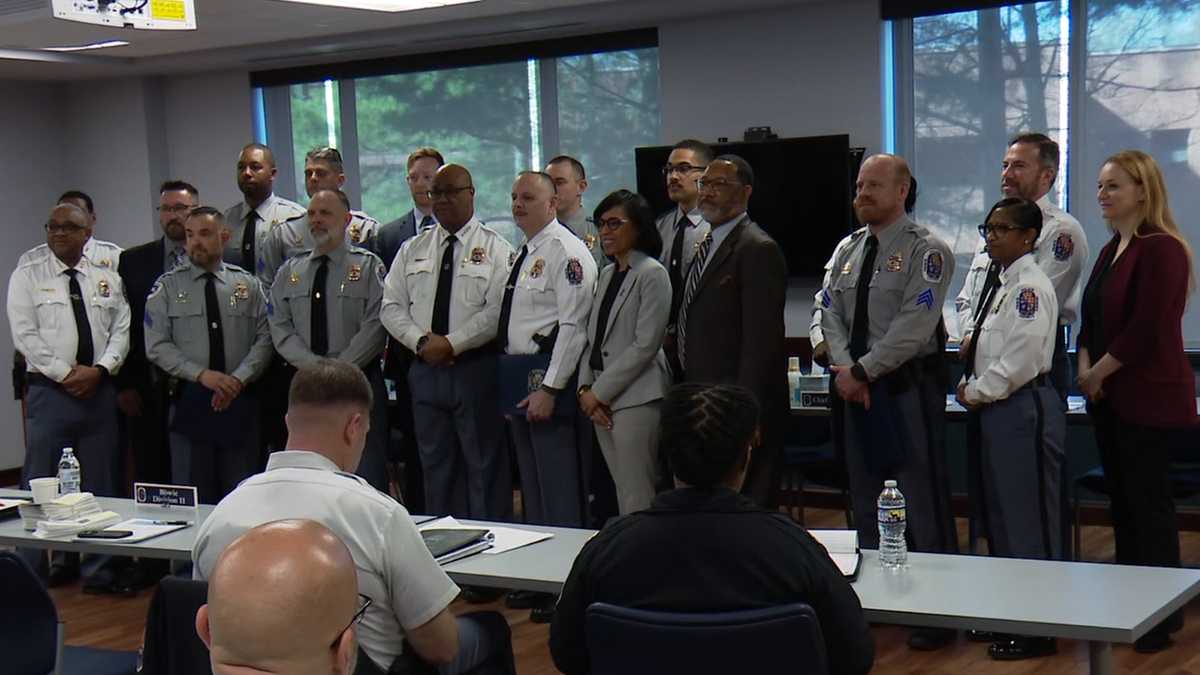
Prince George's County police honored members of their marine unit and underwater recovery team for their critical participation in the search and rescue operations at the site of the Key Bridge collapse in Baltimore. The divers worked in hazardous conditions with limited visibility in the Patapsco River, and their efforts were recognized by officials for their bravery and dedication to answering the call in dangerous situations.
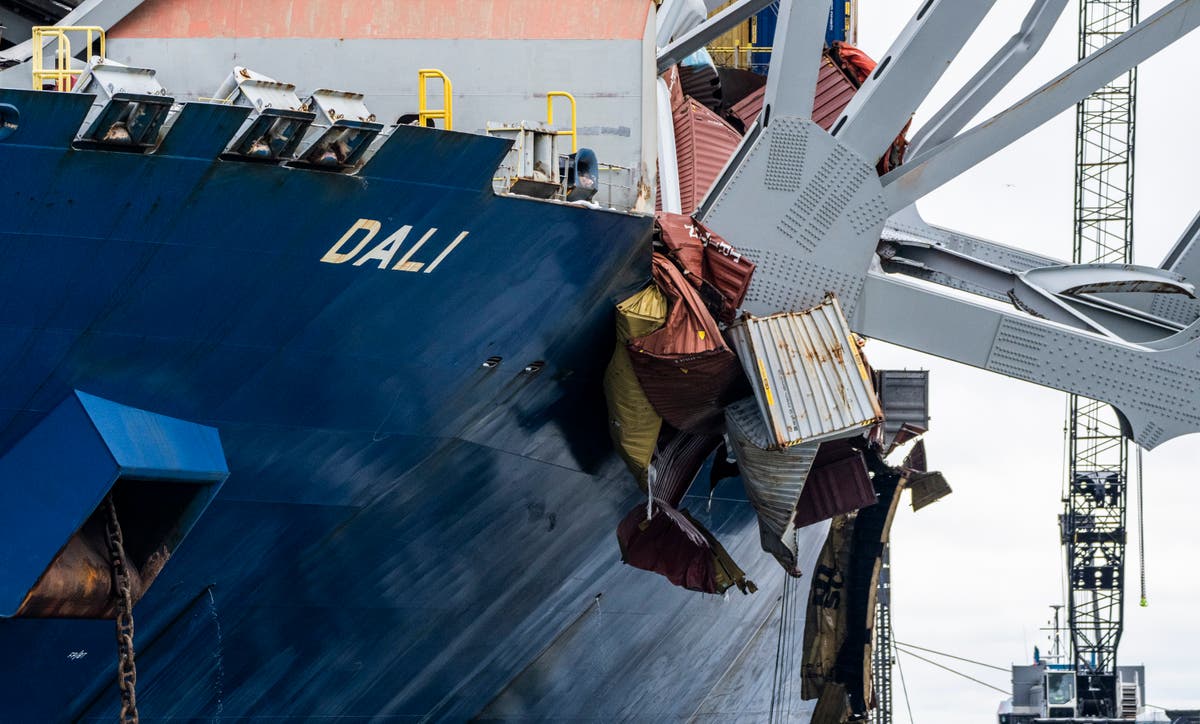
The owners of the Dali ship have denied responsibility for the collapse of the Francis Scott Key Bridge in Baltimore, seeking a cap of $43.7m for any lawsuit payouts, as a temporary shipping route around the wreckage was opened to restore trade. The crew members of the Dali ship, stuck on board since the disaster, are in good health and assisting in the ongoing investigation, while President Biden has instructed a "whole-of-government response" to aid in the emergency response and rebuild the bridge. The ship's owner has filed a petition to limit liability under the Limitation of Liability Act of 1851, a law that notably protected the makers of the "Titanic".
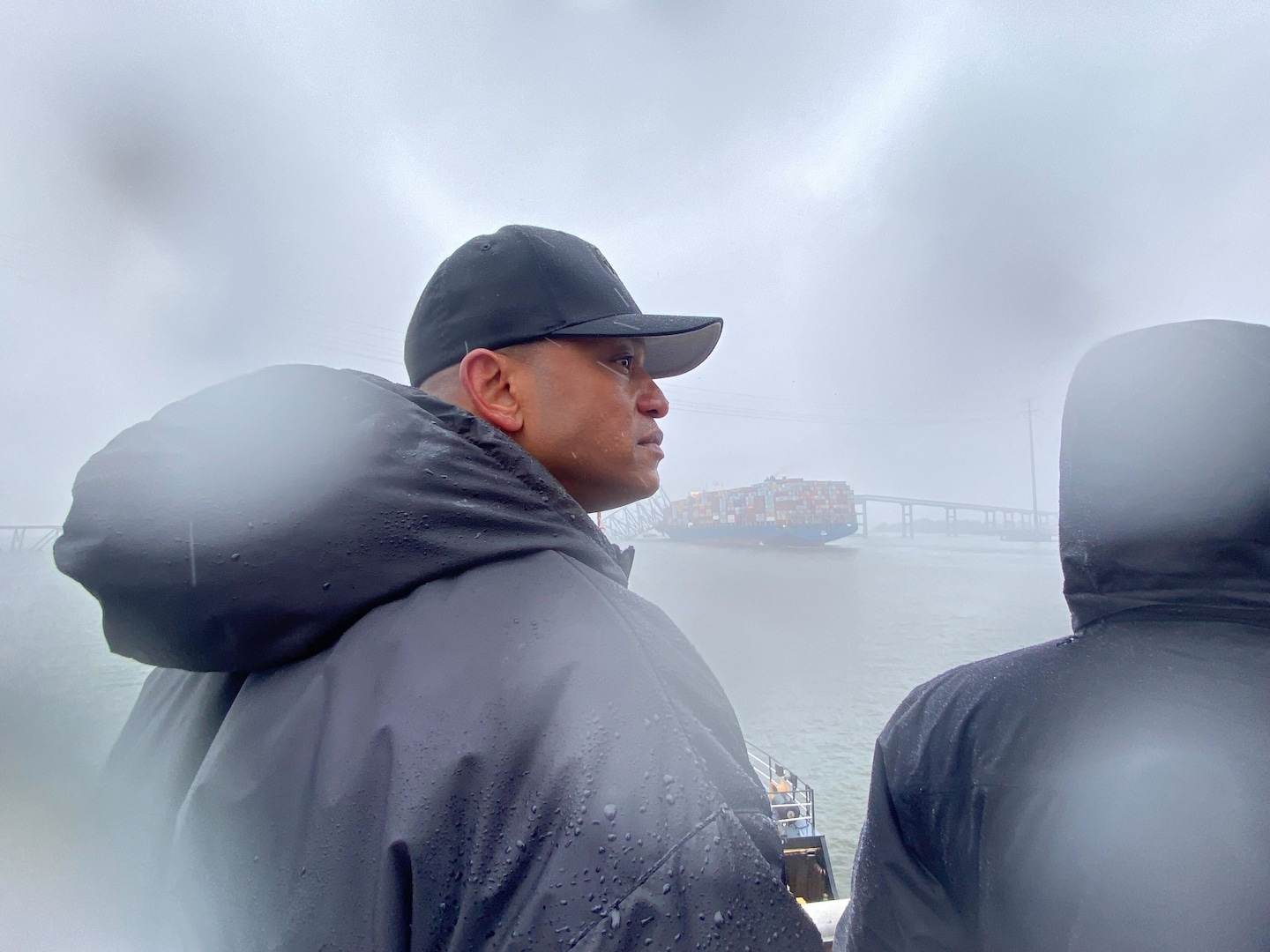
Maryland Governor Wes Moore faces a daunting challenge after the Key Bridge collapse disrupts global supply chains and threatens Baltimore's economic revival. Moore, who had promised to help usher in a renaissance, now grapples with the aftermath, grieving community, and the need to secure federal aid. His response to the crisis draws both praise and criticism, as he navigates the complex task of coordinating recovery efforts and addressing the far-reaching impact on the region's economy.
President Joe Biden is set to visit Baltimore following the Key Bridge collapse, with plans to meet state and local officials and assess federal response efforts. The Biden administration has approved $60 million in immediate aid and pledged to cover the full cost of rebuilding. The U.S. Coast Guard has opened a temporary channel for essential vessels, while the Small Business Administration has established centers to assist businesses affected by the bridge collapse. Engineers are working to remove debris, and efforts are underway to reopen the Port of Baltimore.
Temporary channels are being planned to allow vessels to navigate around the Key Bridge collapse site and reach the Port of Baltimore, with two auxiliary channels set to open soon. Debris removal efforts are ongoing, and a phased approach is being taken to open the main channel. Maryland lawmakers are drafting emergency legislation to assist Port of Baltimore workers impacted by the disruption, while cruise lines have been redirected due to the closure of the channel.