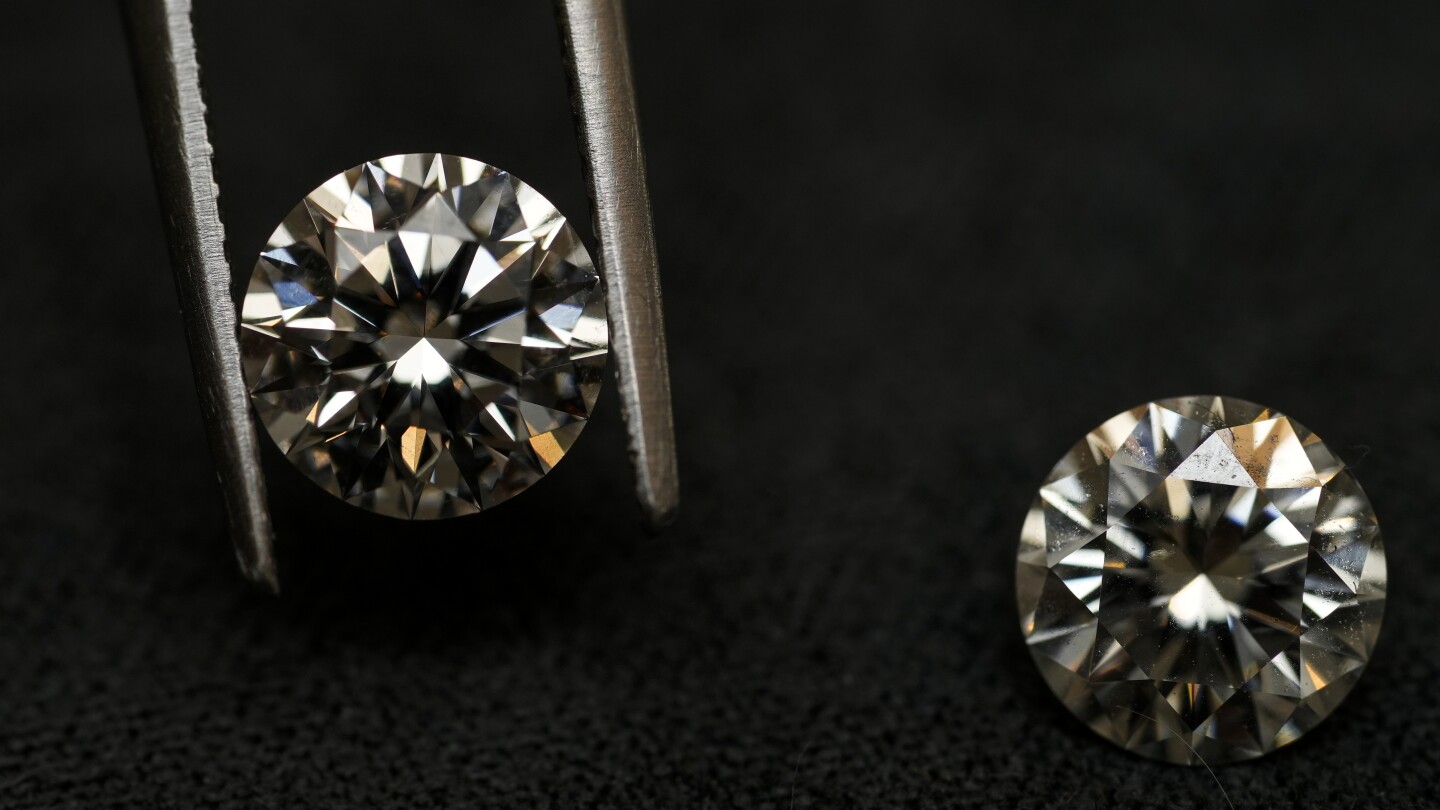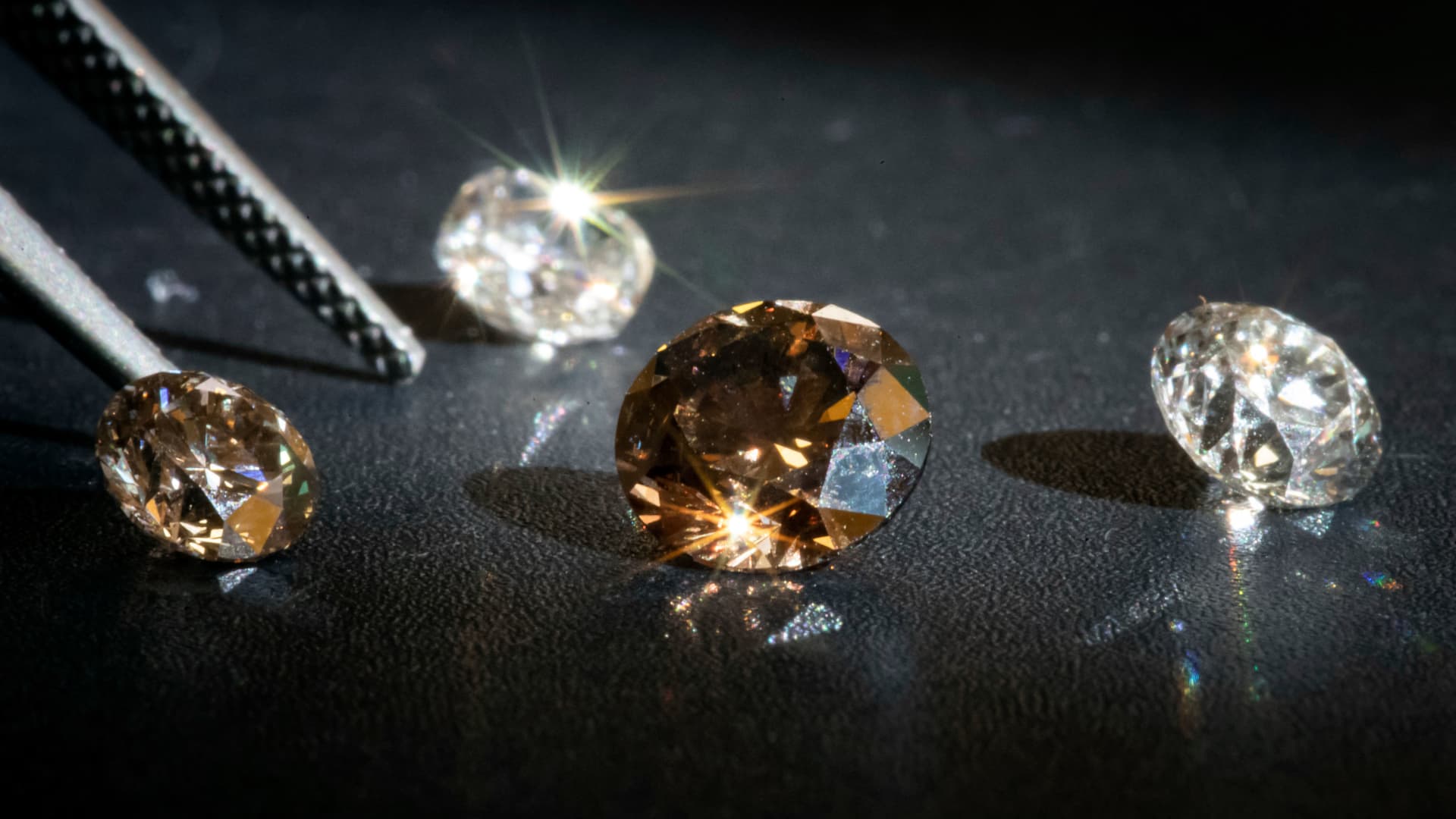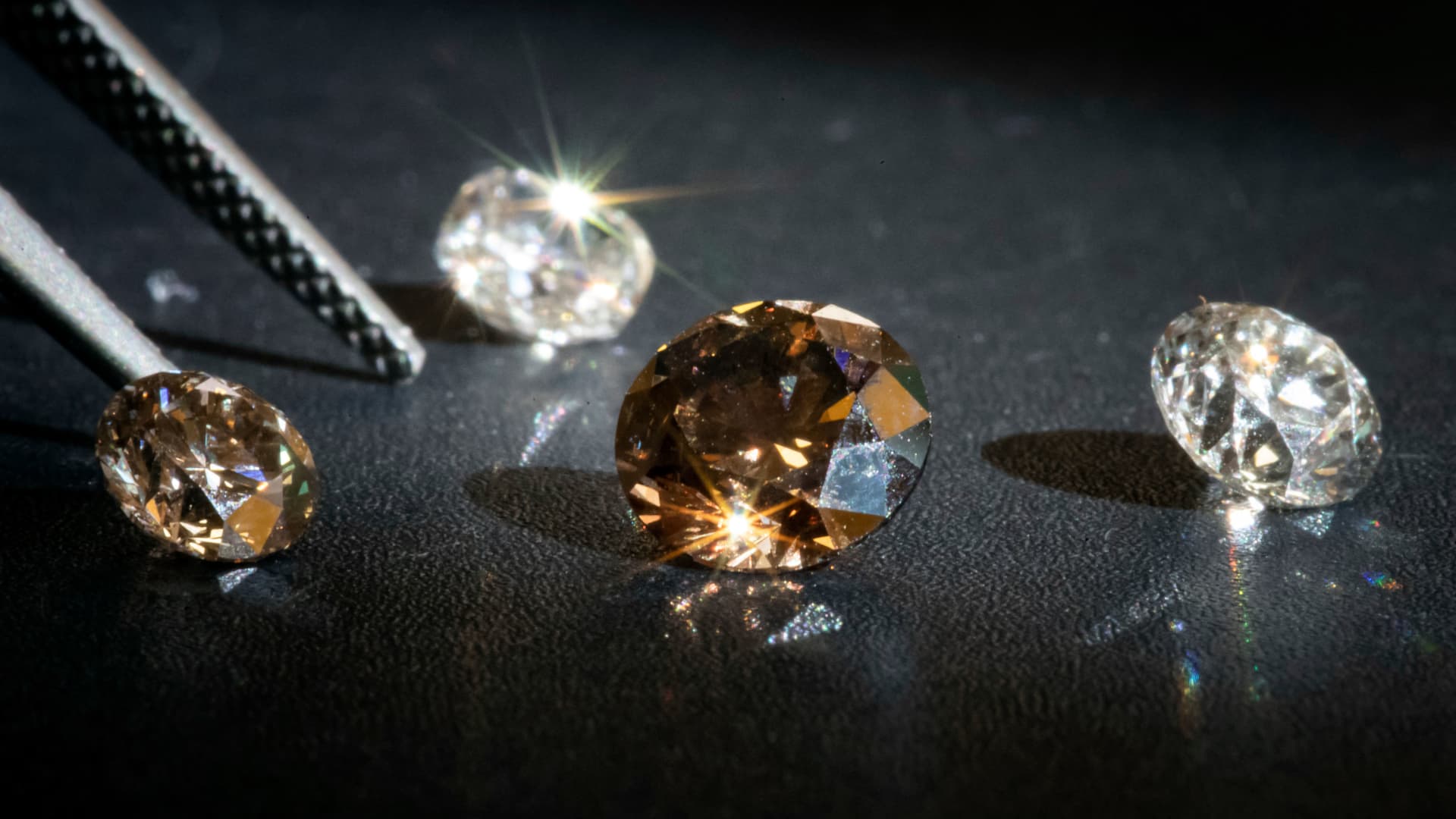
The diamond industry is facing significant challenges as the rise of lab-grown diamonds and shifting consumer preferences, particularly in China, drive down demand and prices for natural diamonds. Anglo American plans to divest De Beers as part of its restructuring, focusing on commodities that support green infrastructure. The industry is seeing a rapid increase in lab-grown diamond sales, which are much cheaper than natural diamonds, further impacting prices. Efforts to reignite demand through marketing collaborations are underway, but the industry remains in a precarious position.
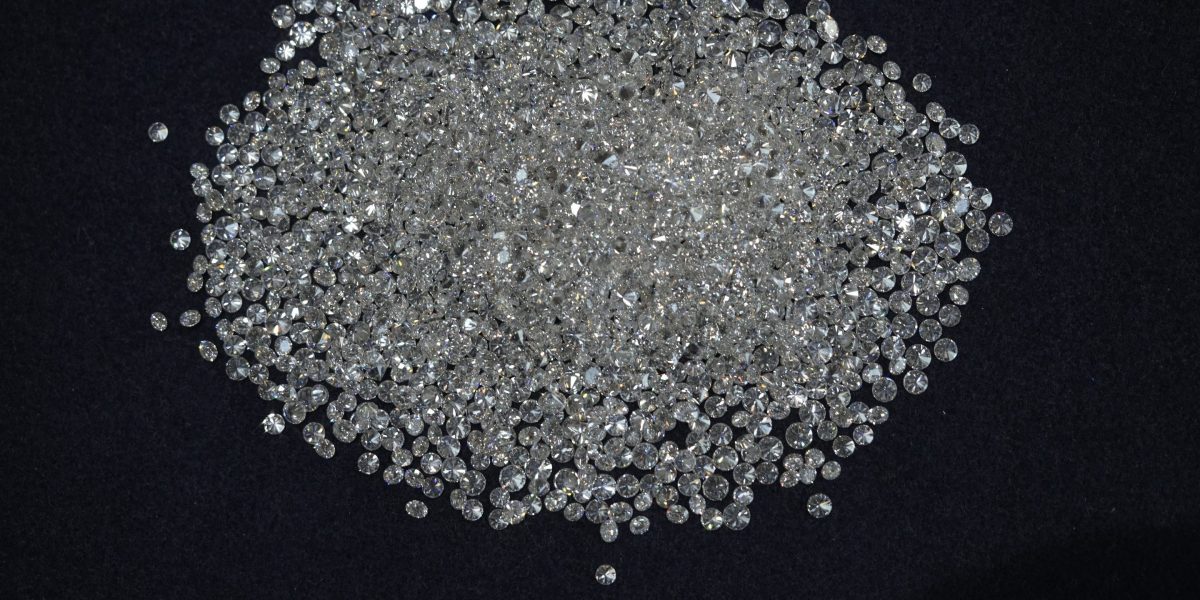
Millennials and Gen Z are increasingly choosing lab-grown diamonds for their engagement rings due to ethical and sustainability concerns, but the environmental impact of lab-grown diamonds is questionable, as the manufacturing process requires a significant amount of energy, often sourced from coal in countries like China and India. While some companies use renewable energy and carbon credits to offset emissions, transparency and sustainability practices vary widely across the industry. The rise of lab-grown diamonds has sparked a marketing battle with the traditional mined diamond industry, with concerns about the long-term value and environmental impact of lab-grown diamonds.
The popularity of lab-grown diamonds is on the rise, with many consumers opting for them due to ethical and sustainability concerns. However, the sustainability claims of lab-grown diamonds are being questioned, as the energy-intensive process of creating them raises environmental concerns. While some companies are transparent about their sustainable practices, many others are not, leading to uncertainty about the true environmental impact of lab-grown diamonds. The growing market for lab-grown diamonds has sparked a marketing battle with the traditional mined diamond industry, with differing views on their long-term value and appeal.
The European Union has expanded its sanctions list to include Alrosa, Russia's largest diamond producer, as part of its ongoing response to the war in Ukraine. This move aims to increase economic pressure on Russia by targeting one of its key industries. The sanctions are part of a broader strategy by the EU to hold Russia accountable for its actions and to support Ukraine amidst the ongoing conflict.
The demand for lab-grown diamonds (LGDs) in India has been steadily increasing, driven by their lower price point compared to natural diamonds. LGDs are chemically identical to natural diamonds and are graded based on the same 4Cs criteria. The affordability of LGDs has allowed more Indian consumers to enter the diamond market, with sales of LGD jewelry skyrocketing. However, industry experts believe that while LGDs are popular among millennials and Gen Z, buyers with more purchasing power are likely to opt for natural diamonds in the future. India is currently the second-largest producer of lab-grown diamonds, and experts predict it could soon become the top producer. Despite the growth of the LGD market, it is not expected to significantly impact natural diamond sales, which have seen a return to normalization after reaching peak prices in early 2022. However, the rapid production of LGDs could pose a risk if prices continue to fall.
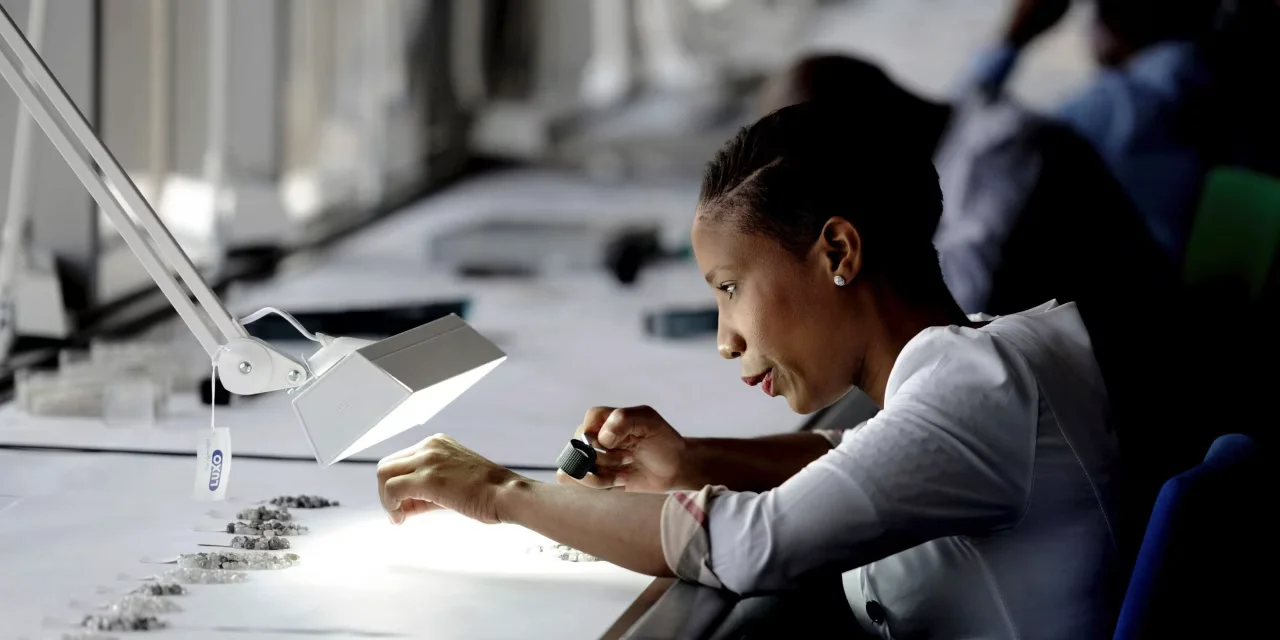
Indian Prime Minister Narendra Modi inaugurated the Surat diamond bourse in Gujarat, stating that it will create 150,000 new jobs and become a "one-stop shop" for artisans and businessmen. Surat, known for cutting and polishing 90% of the world's rough diamonds, aims to become the global diamond capital. The bourse, spanning 6.6 million square feet, is touted as the world's largest office building. Modi highlighted the potential for further job creation once facilities like international banking, safe vaults, and a jewelry mall are operational. Despite a slowdown in global demand for polished diamonds, Modi expressed confidence in increasing India's share of global gems-jewelry exports with Surat's support.
Diamond giant De Beers has reached an agreement with Botswana to allow the country to keep 50% of the production from its mines, a significant shift in the long-standing partnership. The deal aims to benefit Botswana's economy by increasing its share of the diamond industry's profits, while De Beers will continue to have access to the country's rich diamond reserves. This move reflects a broader trend of resource-rich nations seeking greater control over their natural resources.
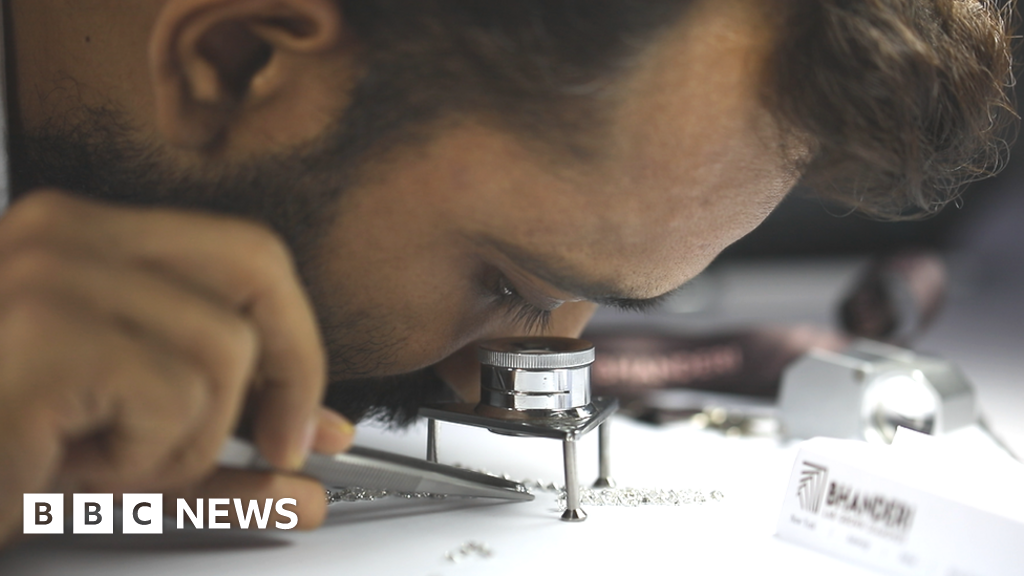
India's diamond industry is undergoing a revolution as lab-grown diamonds (LGDs) become increasingly popular due to improved technology and falling costs. LGDs are now so similar to natural diamonds that even experts have trouble telling them apart. India already produces around 15% of the world's LGDs, and the government is keen to develop the sector further. While some in the traditional diamond industry remain sceptical, others see LGDs as a way to broaden the market for diamonds and make the industry more environmentally friendly.