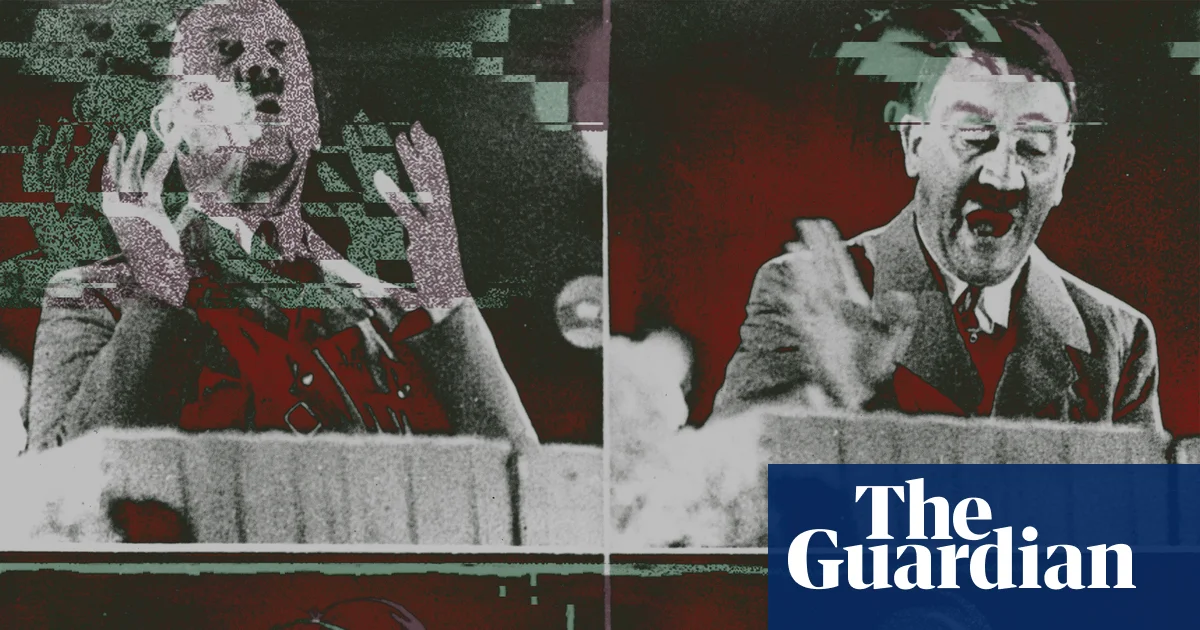
Extremist groups are increasingly using AI voice cloning technology to enhance propaganda efforts, recreate speeches of historical figures like Hitler, and spread violent ideologies across multiple languages and platforms, posing new challenges for counterterrorism efforts.
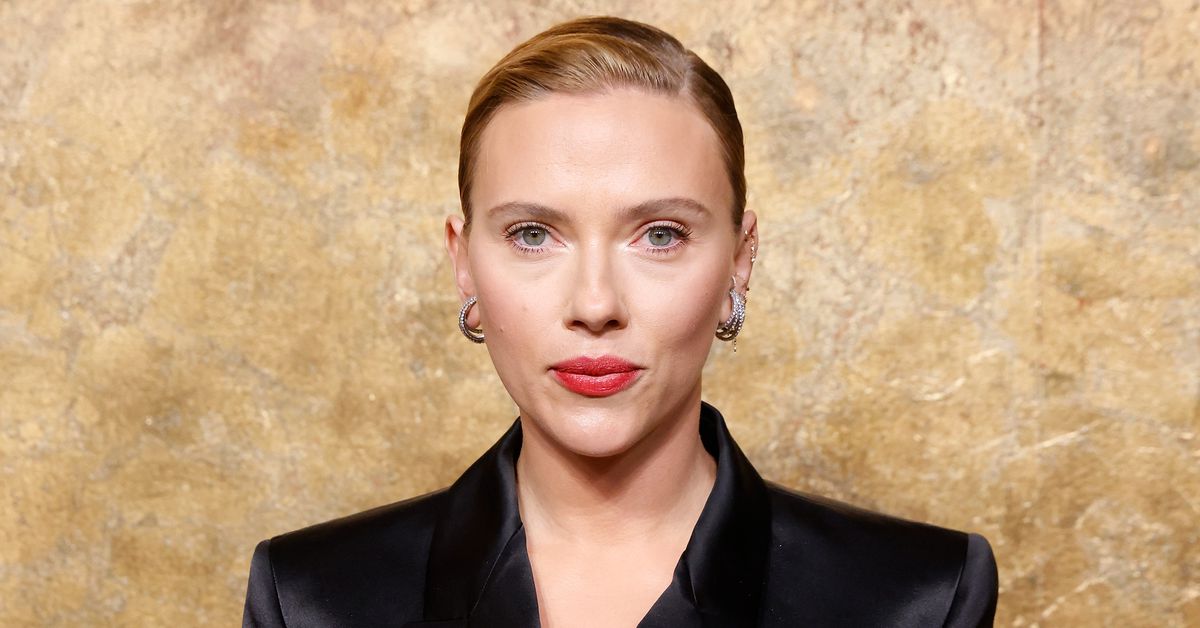
OpenAI may face legal trouble for creating a ChatGPT voice resembling Scarlett Johansson, potentially violating her right to publicity. Despite not intending the similarity, OpenAI's CEO's comments and public recognition of the likeness could worsen the situation. Johansson has hired legal counsel to address the issue, and OpenAI has temporarily pulled the voice.
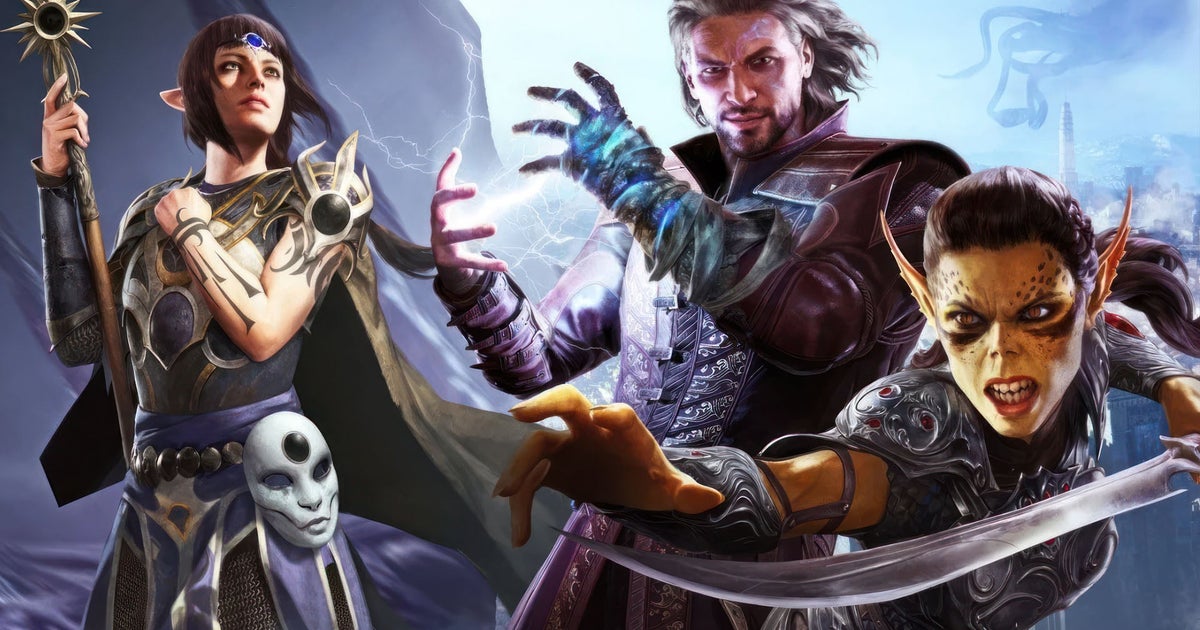
The voice actors of Baldur's Gate 3 revealed the darker side of their success, citing instances of AI voice cloning without permission and the potential threats it poses to their careers. They expressed concerns about the lack of protection against AI in their industry and emphasized the importance of safeguarding their rights as performers. Despite the game's success at the BAFTA awards, the actors highlighted the need for better protection and remuneration in the face of advancing AI technology.
OpenAI has developed Voice Engine, a text-to-voice generation platform that can create a synthetic voice based on a 15-second clip of someone's voice. The AI-generated voice can read out text prompts in multiple languages and has been deployed by companies like Age of Learning and Dimagi. OpenAI is limiting access to about 10 developers and has implemented usage policies to prevent unethical uses, including impersonation without consent. The company also added watermarking to trace the origin of audio clips and suggested steps to limit risks associated with AI voice technology.
The screenwriter of the 1989 action film Road House is suing MGM Studios and Amazon Studios for copyright infringement over the upcoming Road House remake, alleging that Amazon used generative AI to clone actors' voices during last year's Hollywood strikes. The lawsuit seeks to block the film's release, scheduled for March, and Amazon denies using AI to replace or recreate actors' voices, stating that the allegations are false and that they don't believe their copyright has expired on Road House.
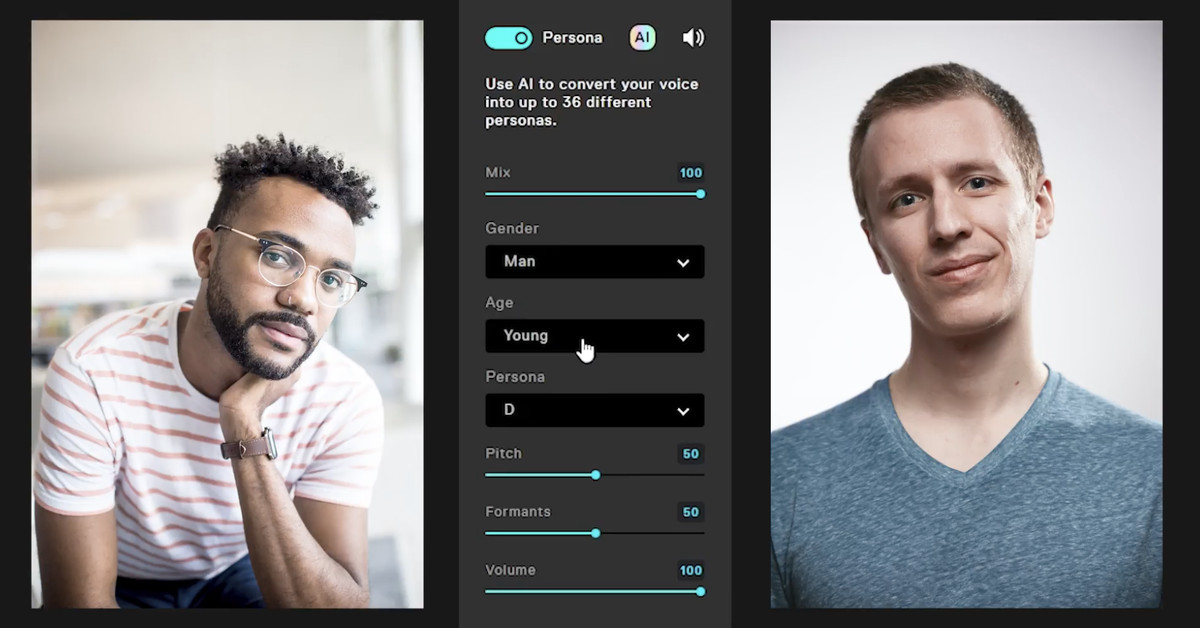
Voicemod, a popular AI voice changing program, has introduced new features that allow users to create and share their own unique synthetic voices from scratch. With the AI Voice Creator and Voicelab functionalities, users can customize various parameters and effects to create an almost unlimited number of voices. These DIY voices can be shared on the Community Voices platform. As AI voice technology becomes more prevalent, the legal hurdles are minimal since voices are not copyrightable. Voicemod is available for macOS and Windows 10 and 11.
ElevenLabs, known for creating visual deepfakes, has expanded its voice cloning capabilities to support 22 more languages, bringing the total to 30. The company offers two AI voice tools, including a text-to-speech model and a "VoiceLab" that allows users to clone voices by inputting speech fragments. The new Multilingual v2 model promises "emotionally rich" audio in various languages, such as Greek, Malay, and Turkish. ElevenLabs aims to eliminate linguistic barriers to content and is targeting media companies for applications like audiobooks and video game voice NPCs. However, the technology has raised concerns among voice actors who fear it may undercut their work.