Tag

Young Adulthood

All articles tagged with #young adulthood

science2 years ago

The Dual Effects of Testosterone on Emotion Control: Puberty vs. Adulthood

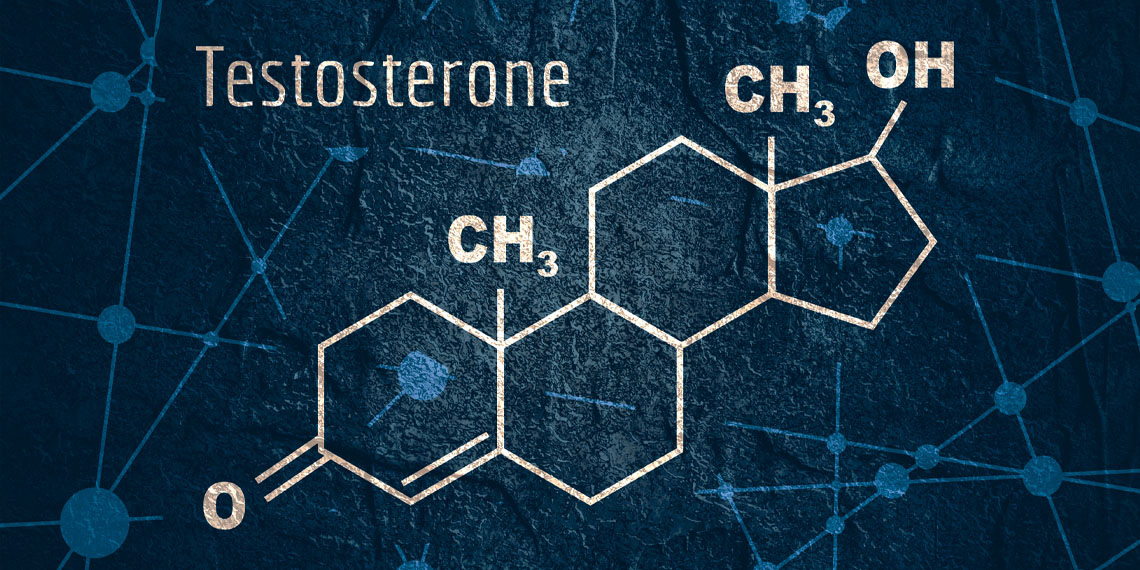
New research suggests that the effect of testosterone on brain regions involved in emotion regulation changes over time. During early adolescence, higher levels of testosterone facilitate emotional control, while in young adulthood, higher levels of testosterone impede emotional control. This age-dependent influence of testosterone on the developing brain highlights the complexity of its role. The study used functional magnetic resonance imaging (fMRI) to observe brain activity in participants aged 14, 17, and 20, and found that the effect of testosterone on the anterior prefrontal cortex (aPFC) shifted from facilitation to inhibition as individuals transitioned from middle adolescence to young adulthood. These findings contribute to understanding brain-hormone functioning in both adolescents and young adults.

neuroscience2 years ago

Age-Dependent Effects of Testosterone on Emotion Control in Brain Development.

Testosterone has a dual role in brain development, affecting emotion control differently during adolescence and adulthood. Brain imaging scans of 71 participants showed that higher testosterone levels enhance the engagement of the brain's anterior prefrontal cortex (aPFC) during adolescence, but impede it during young adulthood. The study highlights the changing role of testosterone across developmental periods and its link with mood disorders that often arise during adolescence.

health2 years ago

Sunlight exposure linked to improved cognitive function in homes.

Long-term residential sunlight exposure is positively associated with cognitive function in young adulthood and midlife, according to new research from Finland. The findings suggest that sunlight may play a protective role in cognitive health during these stages of life, potentially influencing memory, attention, and other cognitive domains. The study is observational and does not establish causation, and the results may not be generalizable to populations in different geographic locations. Further research is needed to understand the mechanisms behind these associations and to explore the relevance of sunlight and other environmental factors in cognitive health at different stages of life.