Tag

Xinjiang

All articles tagged with #xinjiang

world2 months ago

Xinjiang's Transformation Boosts Tourism and Trade Growth

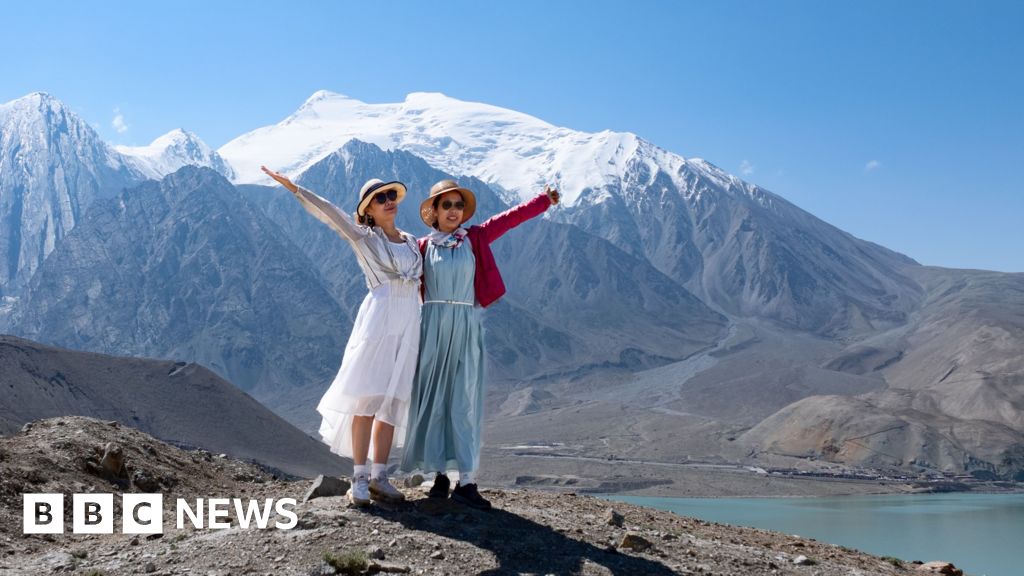
Xinjiang's tourism industry has surged with 300 million visitors in 2024, driven by government efforts to rebrand the region as a scenic and exotic destination, despite ongoing human rights concerns and allegations of cultural and political repression of Uyghurs. The region's natural beauty is promoted alongside a sanitized version of Uyghur culture, attracting domestic and foreign tourists, while critics warn of a misleading portrayal that obscures serious human rights issues.

business1 year ago

Uniqlo Faces Chinese Backlash Over CEO's Xinjiang Cotton Remarks

Uniqlo is facing backlash in China after its parent company's CEO, Tadashi Yanai, stated that the brand does not use cotton from Xinjiang, a region associated with forced labor allegations involving the Uyghur minority. This has led to calls for a boycott on Chinese social media, echoing similar controversies faced by other global brands like H&M and Nike. The issue highlights ongoing tensions between Western companies and Chinese consumers over Xinjiang cotton.

business1 year ago

Uniqlo CEO Confirms No Xinjiang Cotton in Products

Uniqlo's CEO Tadashi Yanai has stated that the company does not use cotton from China's Xinjiang region, addressing concerns over forced labor involving the Uyghur minority. This comes amid pressures from both the US and China for companies to take sides on the issue. Despite challenges, Uniqlo plans to expand its presence in China, its largest market, while also aiming to grow in the West, where human rights concerns are increasingly important to consumers. Yanai aspires to make Uniqlo the world's largest fashion retailer, surpassing Inditex's Zara.

business1 year ago

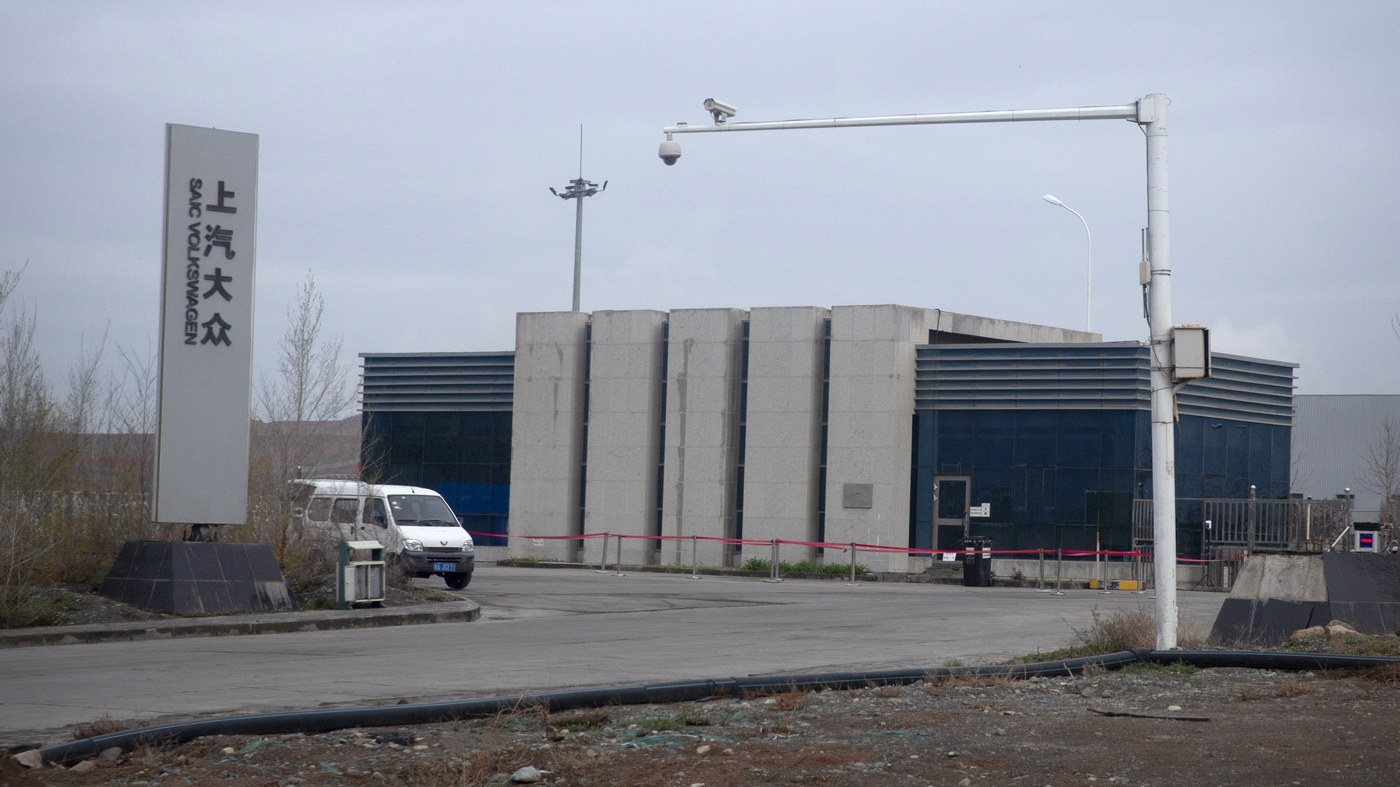
Volkswagen Exits Xinjiang Amid Controversy, Sells Plant

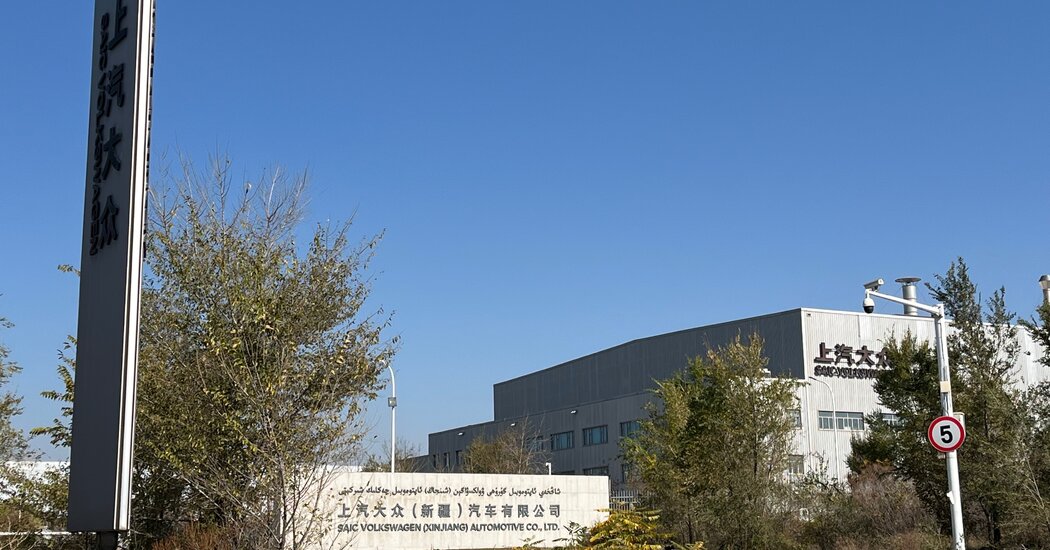
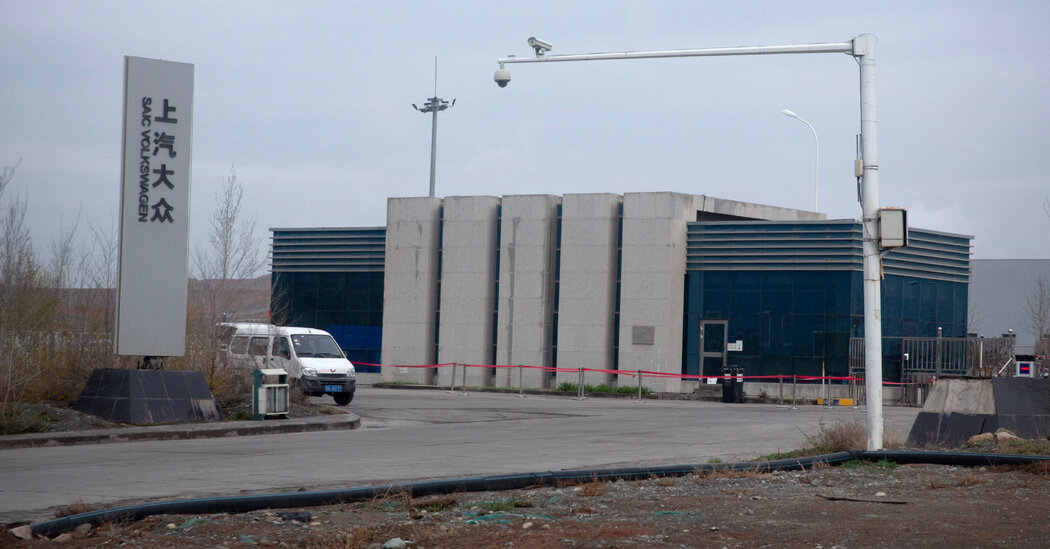
Volkswagen has announced its decision to exit China's Xinjiang region after 12 years of operations. The move comes amid growing scrutiny and concerns over human rights issues in the area. The company has not specified the reasons for its withdrawal, but it aligns with increasing pressure on global businesses to reconsider their presence in regions with controversial human rights records.

international-trade1 year ago

"US Customs Halts German Luxury Car Imports Due to Chinese Parts Controversy"

The US has impounded thousands of Bentley, Porsche, and Audi vehicles at its ports due to a single part made by a Chinese supplier on a sanctions list for using forced labor in Xinjiang. Pressure is mounting on Volkswagen to exit its joint venture in Xinjiang, while German chemical giant BASF plans to divest from two joint ventures in the region. The US demands the origin of every component in imported vehicles, impacting global supply chains and leading to rising costs for US corporations and consumers. Meanwhile, China's ability to produce its own chips in response to US sanctions is reshaping the global technology landscape.

business1 year ago

"Volkswagen and BASF Reevaluate Xinjiang Ties Amid Chinese Labor Allegations"

Volkswagen and BASF, two major German companies, are reevaluating their involvement in Xinjiang, China, amidst international scrutiny of forced labor and human rights violations against Muslim minorities. Volkswagen is in discussions with its joint venture partner in China to review the future of their business activities in Xinjiang, while BASF has started divesting its stakes in two manufacturing joint ventures in the region. The Chinese government has strongly opposed any moves by multinational corporations to distance themselves from commercial activity in Xinjiang.

business1 year ago

Luxury Car Imports Delayed in US Ports Due to Banned Chinese Part

Volkswagen is facing a delay in delivering certain models to the US market due to a customs issue related to a Chinese-made subcomponent that may have violated US anti-forced labor laws. Thousands of Porsche, Bentley, and Audi vehicles have been impounded at US ports after a supplier to Volkswagen discovered the component. The company is working to replace the component and is investigating allegations of human rights infringements within its supply chain. Additionally, Volkswagen is considering the future of its activities in China's Xinjiang province amid concerns of forced labor, as the US has banned imports from the region due to human rights violations.

business-human-rights1 year ago

BASF Accelerates Withdrawal from Xinjiang Amid Human Rights Concerns

German chemicals producer BASF has announced its decision to withdraw from its two joint ventures in Xinjiang, China, following reports of alleged human rights abuses related to its partner company, Markor Chemical. Despite not finding evidence of violations in its due diligence measures, BASF cited recent reports as inconsistent with its values. The decision comes after a group of politicians urged the company to withdraw from Xinjiang, where state-sponsored human rights abuses against Uyghurs have been widely reported. BASF's CEO emphasized that the company was not involved in the alleged abuses and hopes to complete the withdrawal within the next few months.

"Human Rights Group Warns Carmakers of Forced Labor Risk in China's Supply Chains"

Human Rights Watch has warned major carmakers, including Tesla, General Motors, Volkswagen, and Toyota, about the risk of using forced labor in their China supply chains. The report links these companies to aluminum allegedly produced with forced labor by Uyghurs and other ethnic minorities in China's Xinjiang region. The Chinese government is accused of running labor transfer programs where workers reportedly face ideological indoctrination and limited freedom of movement. The report urges governments to ensure that companies operating in China are not benefiting from forced labor and highlights the challenges in tracking the origins of aluminum from Xinjiang, which is widely used in the global automotive industry.

businessglobal-trade1 year ago

Global Carmakers Exposed to Xinjiang Forced Labor Through Aluminium Supply Chains

China's booming aluminium industry in Xinjiang has raised concerns about forced labor, exposing global carmakers to potential ethical and legal issues. The region's reliance on forced labor has prompted scrutiny from international organizations and governments, leading to calls for increased transparency and responsible sourcing practices within the supply chain.

natural-disasters2 years ago

"Devastating 7.1 Earthquake in Western China Forces Thousands from Homes, Selfless Doctors Continue Surgery Amidst Crisis"

A magnitude 7.1 earthquake in western China has left over 12,000 people displaced and relying on tents and shelters to survive freezing temperatures, with at least three people dead and several hundred livestock killed. The affected area, populated by Kyrgyz and Uyghur ethnic minorities, has been heavily militarized and is part of a region targeted by a state campaign of forced assimilation and mass detention. Aftershocks and freezing temperatures continue to pose challenges for the displaced residents, with the earthquake also causing damage in neighboring Kyrgyzstan and Kazakhstan.

human-rights-international-relations2 years ago

"UN Criticizes China's Human Rights Record and Treatment of Uighurs"

China faced rare scrutiny of its human rights record at the United Nations, with the UK and US criticizing its treatment of Uyghurs, Tibetans, and Hong Kong activists, and calling for the repeal of the national security law. China's ambassador dismissed concerns as based on "misunderstanding or misinformation," while smaller countries praised China's poverty alleviation efforts. The review comes after a UN report found "serious human rights violations" against Uyghurs in Xinjiang, prompting increased international scrutiny of China's policies.

international-relations2 years ago

"Global Divide: China's Human Rights Record Under Rare UN Scrutiny"

China faced a United Nations review of its human rights record, with Western countries criticizing its actions in Xinjiang, Tibet, and Hong Kong, while Global South nations and Beijing's allies supported its poverty alleviation policies. The review highlighted a global divide over geopolitics, with over 50 nations raising concerns on various issues. Western countries condemned China's actions, while emerging powers and Beijing's allies took a more balanced approach. The UN's UPR Working Group is set to adopt recommendations made to China by other countries on Friday.