BASF and Carlyle have agreed on a €7.7 billion deal to spin off BASF's automotive coatings and surface treatment businesses into a standalone company, with BASF retaining a 40% stake and supporting growth through Carlyle's expertise, aiming for closure in Q2 2026.
Carlyle is close to completing a nearly €7 billion deal to acquire a BASF unit, highlighting significant activity in the private equity and industrial sectors.
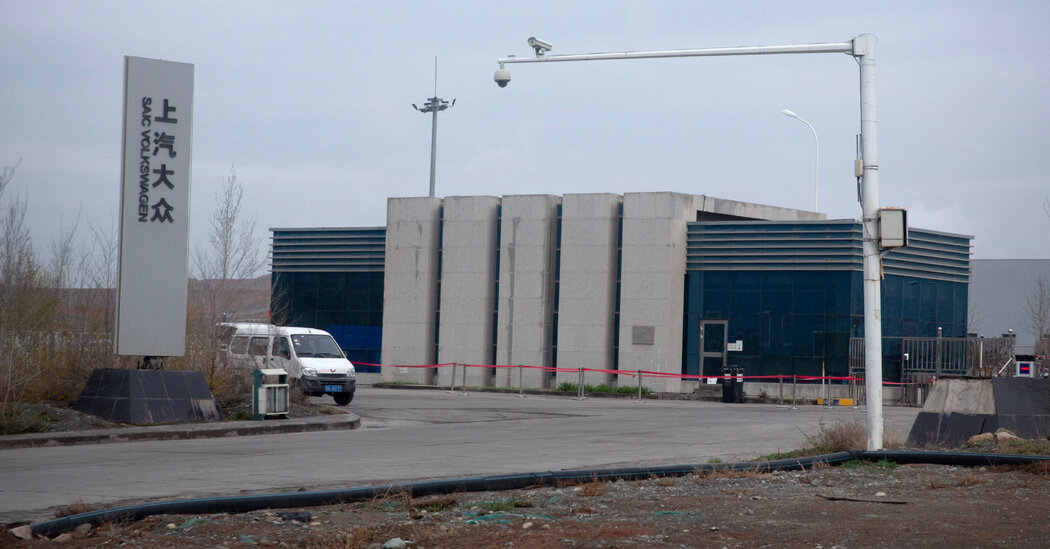
Volkswagen and BASF, two major German companies, are reevaluating their involvement in Xinjiang, China, amidst international scrutiny of forced labor and human rights violations against Muslim minorities. Volkswagen is in discussions with its joint venture partner in China to review the future of their business activities in Xinjiang, while BASF has started divesting its stakes in two manufacturing joint ventures in the region. The Chinese government has strongly opposed any moves by multinational corporations to distance themselves from commercial activity in Xinjiang.
German chemicals producer BASF has announced its decision to withdraw from its two joint ventures in Xinjiang, China, following reports of alleged human rights abuses related to its partner company, Markor Chemical. Despite not finding evidence of violations in its due diligence measures, BASF cited recent reports as inconsistent with its values. The decision comes after a group of politicians urged the company to withdraw from Xinjiang, where state-sponsored human rights abuses against Uyghurs have been widely reported. BASF's CEO emphasized that the company was not involved in the alleged abuses and hopes to complete the withdrawal within the next few months.
BASF has initiated the process to divest its shares in two joint ventures in Korla, China, due to increased competitive pressure and concerns about the high carbon footprints of the products. The decision is also influenced by recent reports of serious allegations related to the joint venture partner's activities inconsistent with BASF's values. Despite this, BASF remains committed to its business activities and planned investments in China, where it anticipates significant growth in chemical production until 2030.
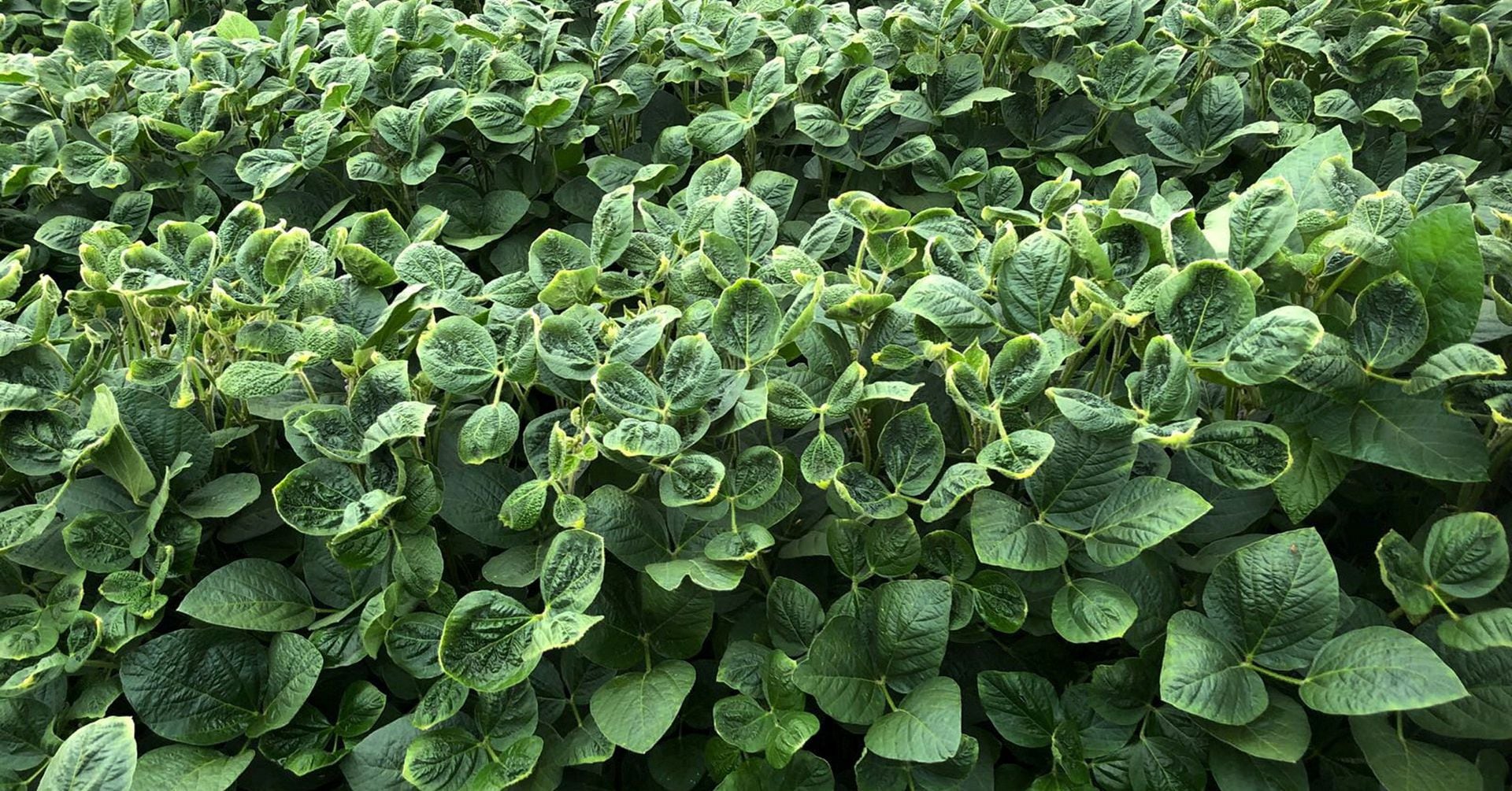
A U.S. court has invalidated the government's recent approvals of dicamba-based weedkillers from Bayer, BASF, and Syngenta, causing uncertainty for farmers who use the products on genetically engineered soybeans and cotton. The court ruling was in response to the Environmental Protection Agency's violation of public input procedures. The decision affects widely used herbicides such as Bayer's XtendiMax and BASF's Engenia, with potential financial implications for farmers and disruptions to supply chains. The companies are awaiting guidance from the EPA, and the ruling prohibits the use of dicamba products in the upcoming growing season unless existing stocks are allowed to be used.

BASF, the German chemical company, reported a decline in earnings due to higher costs and slowing demand. The company's third-quarter earnings before interest, taxes, and special items fell by 10% compared to the previous year, with sales dropping by 2%. BASF cited increased raw material prices and weaker demand from the automotive and agricultural sectors as contributing factors to the decline in financial results.
BASF Group's preliminary figures for full year 2023 show sales and EBIT below forecasted ranges and analyst consensus, with EBIT and net income considerably below analyst estimates due to non-cash-effective impairments. Cash flows from operating activities are above the prior year. The company will publish the BASF Report 2023 on February 23, 2024, and provide further commentary during analyst and investor conferences.
Markus Kamieth will succeed Martin Brudermüller as Chairman of the Board of Executive Directors of BASF SE in 2024, following a decision by the Supervisory Board. Anup Kothari and Katja Scharpwinkel have been appointed as members of the Board of Executive Directors, effective March 1, 2024, and February 1, 2024, respectively. Melanie Maas-Brunner will not renew her contract beyond 2024. The Supervisory Board has also extended the contract of Michael Heinz until the Annual Shareholders' Meeting in 2026.
Cheniere Energy has announced a deal to supply 0.8 million tonnes per annum (mtpa) of liquefied natural gas (LNG) to BASF, a German chemical company. This agreement supports Cheniere's Sabine Pass LNG expansion in Louisiana and extends through 2043. Cheniere has previously entered into supply deals with Equinor, Korea Southern Power, and ENN Natural Gas. The United States has become the world's largest LNG exporter due to Western sanctions on Russia, which has led Europe to seek alternative sources of LNG.