The U.S. Department of Labor announced $98 million in funding through the YouthBuild Program to support pre-apprenticeships in high-demand industries like construction, manufacturing, IT, and healthcare, aiming to provide young people with skills training and employment opportunities, with a focus on increasing apprenticeship participation and incorporating AI literacy.
In 2025, the emphasis on 'efficiency' driven by AI and organizational streamlining led to widespread layoffs and hiring freezes across sectors, causing job insecurity and a shift in workplace dynamics, with both private companies and the government implementing cost-cutting measures amid economic challenges.
Store Santa job postings have decreased by 35% in 2025 due to retail cutbacks, mall closures, and a shift to online shopping, but wages have increased to a median of $25 per hour, with employers now favoring candidates with real beards, reflecting a shrinking but higher-paid Santa workforce.
Japan plans to accept up to 1.23 million foreign workers by 2028, primarily through the Specified Skilled Worker System and a new Employment for Skill Development Program, replacing the problematic Technical Intern Training Program, to address domestic labor shortages across various sectors.
President Trump has shifted his stance on H-1B visas, acknowledging a talent shortage in the U.S. and defending the importance of skilled foreign workers, despite recent policies aimed at restricting visa access and increasing fees, which critics argue could harm economic growth and innovation.
The construction industry in the U.S. is facing a severe labor shortage worsened by ICE enforcement actions targeting immigrant workers, leading to project delays, increased costs, and industry concerns about the future workforce, with many industry leaders advocating for immigration reform and legal pathways for workers.
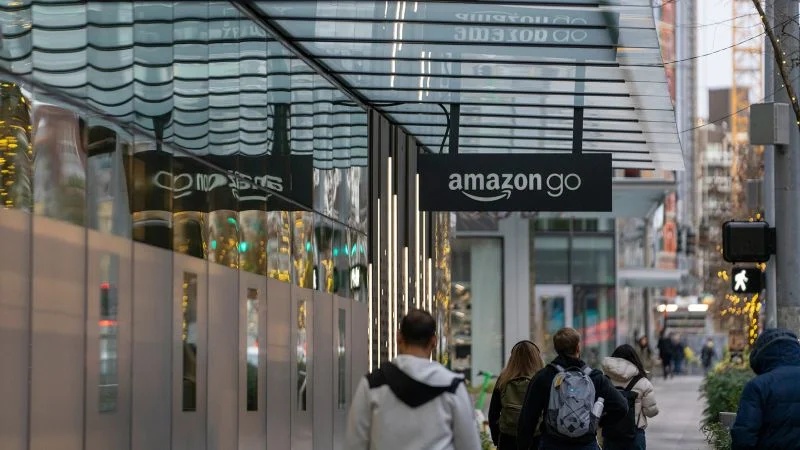
Amazon is cutting 14,000 jobs primarily due to cultural reasons and organizational efficiency, not financial or AI-driven factors, as part of its effort to streamline operations and remove layers of management, despite recent growth and AI investments.
EA's internal AI chatbot ReefGPT is causing frustration among staff by generating faulty code and increasing workload, leading to concerns about AI replacing human jobs, despite EA's heavy investment in AI technology.,
Agentic AI is rapidly transforming the workforce by enabling professionals to work alongside autonomous AI agents, leading to new roles, organizational structures, and opportunities for innovation, with organizations needing to build robust data and management systems to thrive in this new era.
Amazon plans to automate 75% of its operations, potentially replacing over 600,000 human jobs with robots by 2033, aiming to save billions and expand its use of automation, while also emphasizing community engagement and workforce upskilling.
Amazon plans to replace up to 600,000 human jobs with robots by 2033 to meet increasing demand, while claiming to create new jobs and invest in workforce upskilling, though this move raises concerns about job displacement and community impact.
AI is significantly impacting the freelance and side hustle economy by lowering barriers to entry, increasing competition, and reducing earnings for skilled freelancers, while also offering productivity benefits and new opportunities. Freelancers and small businesses are adapting to AI's presence, but concerns about wage suppression, creativity, and skill erosion persist.
The US immigration crackdown is having a significant negative impact on businesses, including reduced customer visits, lower sales, decreased productivity, and increased fear among workers and customers, which is more damaging than tariffs according to some CEOs.
A survey by SHRM indicates that while some jobs, especially those involving math and computer tasks, are at risk of automation, the overall threat to employment is less severe than predicted, due to nontechnical barriers like client preferences, legal issues, and cost-effectiveness. Jobs requiring human interaction, such as healthcare and social services, are less likely to be automated, suggesting a shift towards valuing interpersonal skills in the workforce.
Electronic Arts has announced that following its $55 billion buyout by a consortium including Saudi Arabia's PIF, Silver Lake, and Affinity Partners, there will be no immediate changes to its workforce or culture, and the company expects to maintain its strategic direction and leadership during the transition.