Ice-age gut reveals woolly rhinoceros extinction story
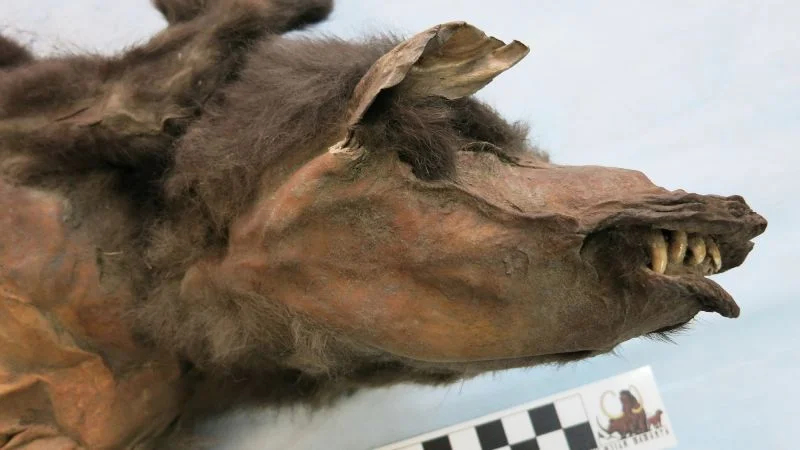
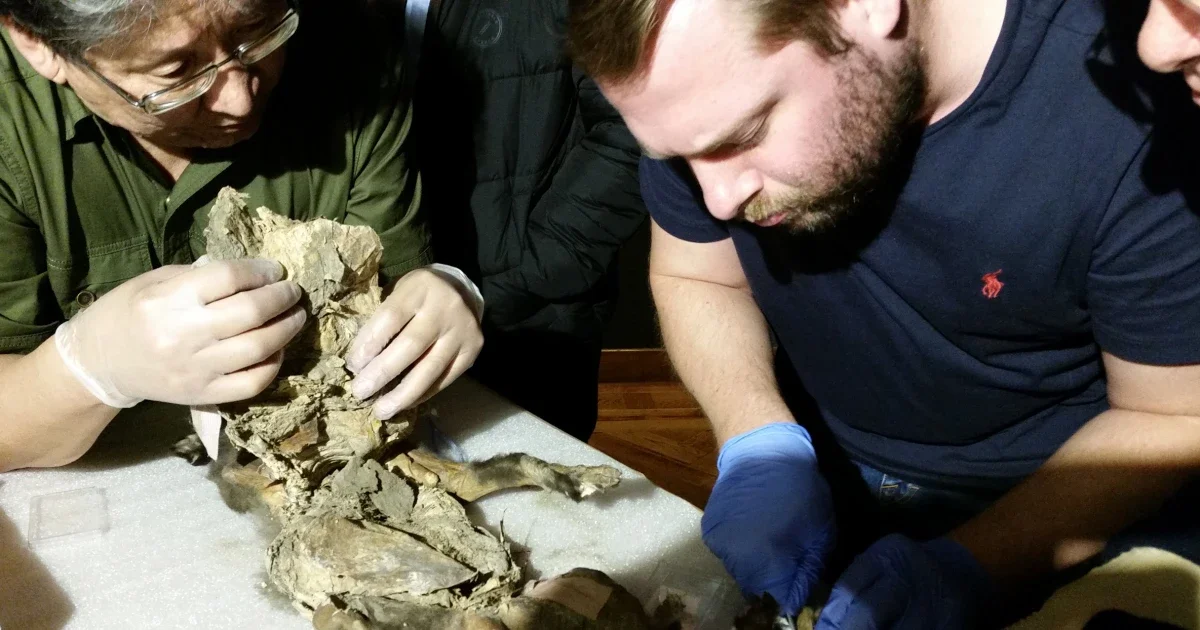
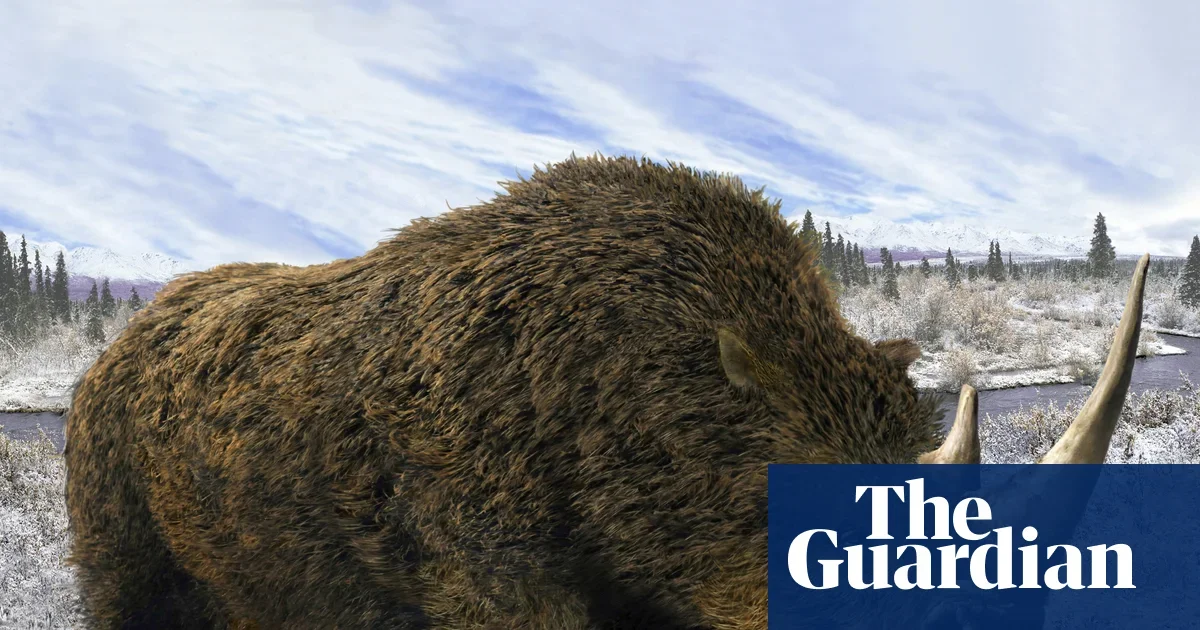
A 14,000-year-old wolf pup preserved in Siberian permafrost contained woolly rhinoceros tissue in its stomach. Scientists sequenced the rhinoceros genome from this stomach content—the first time a genome has been recovered from such material—and compared it with other woolly rhino genomes. They found no evidence of severe genetic deterioration, suggesting the species declined rapidly due to climate warming at the end of the last Ice Age rather than human hunting. The work, published in Genome Biology and Evolution, highlights permafrost-preserved remains as a powerful source of ancient dietary and ecological insights.