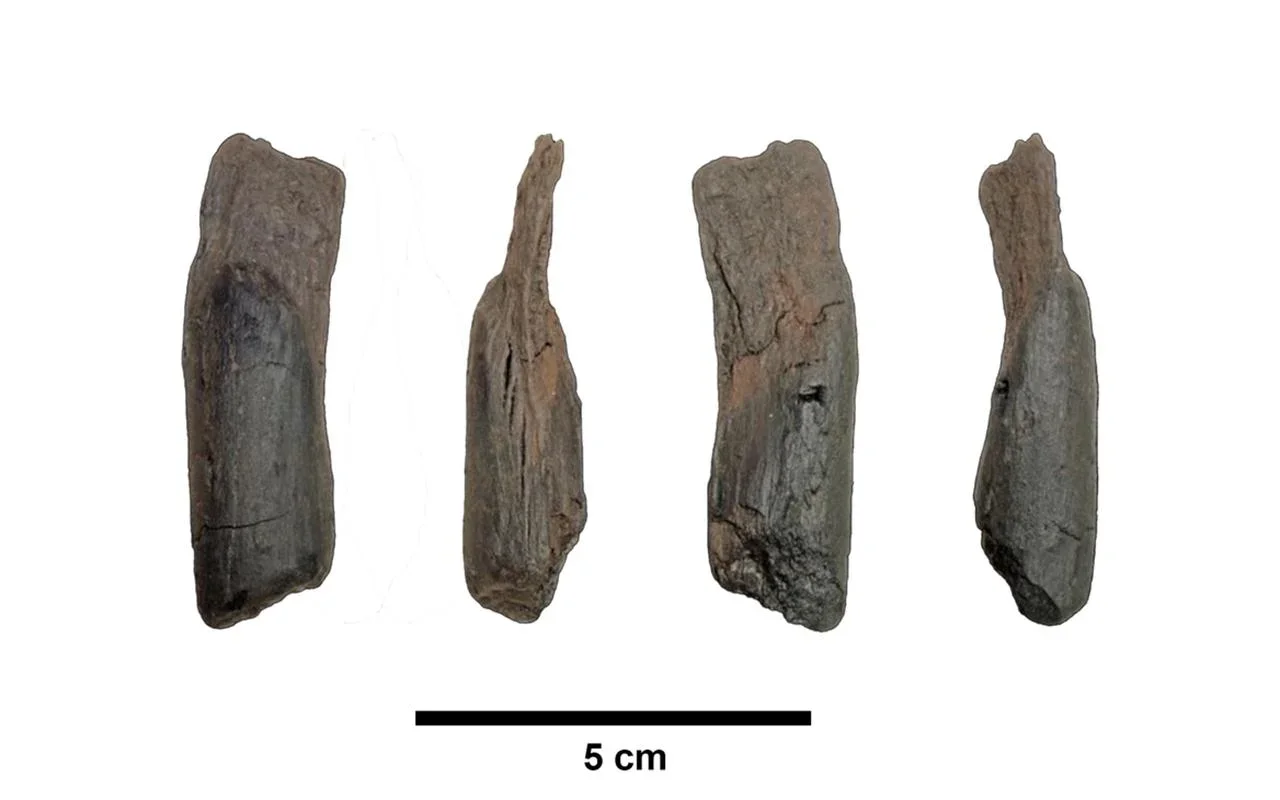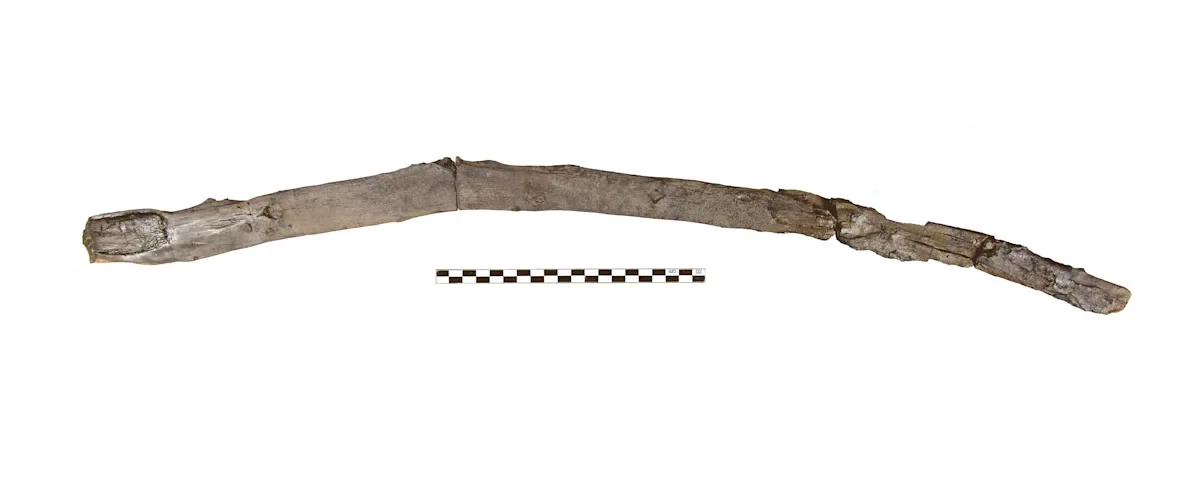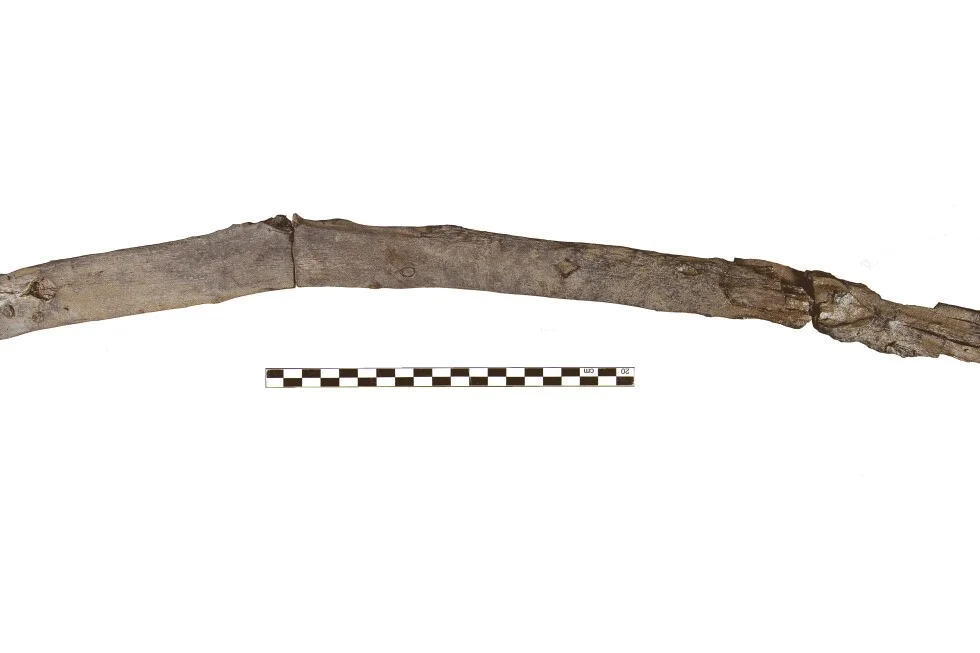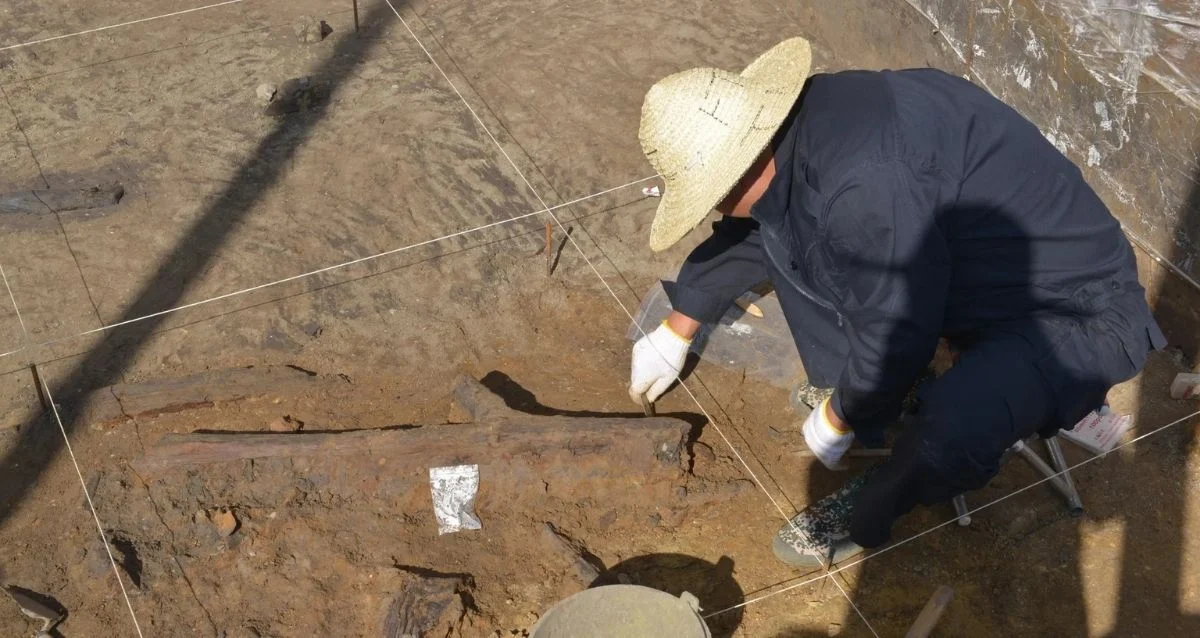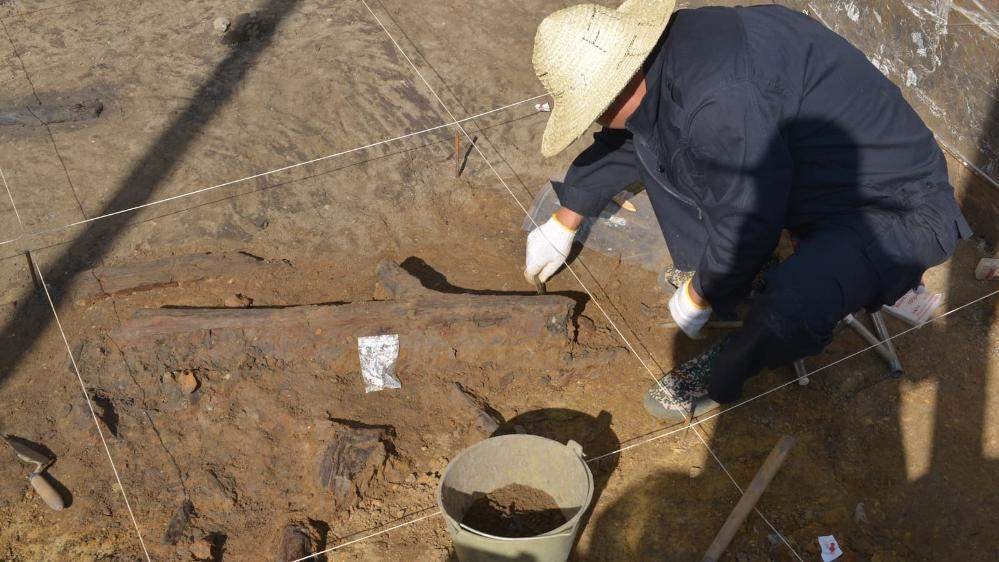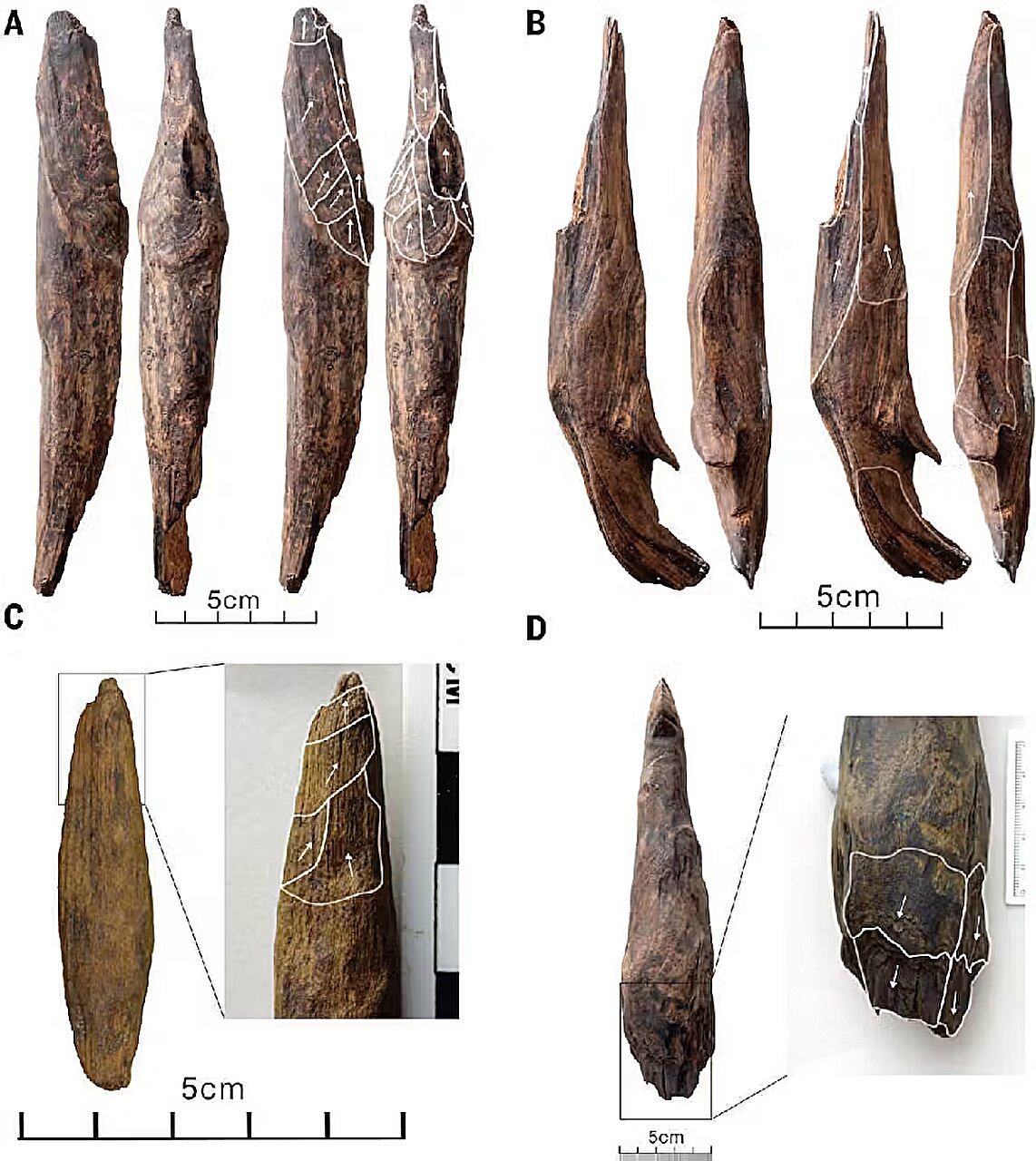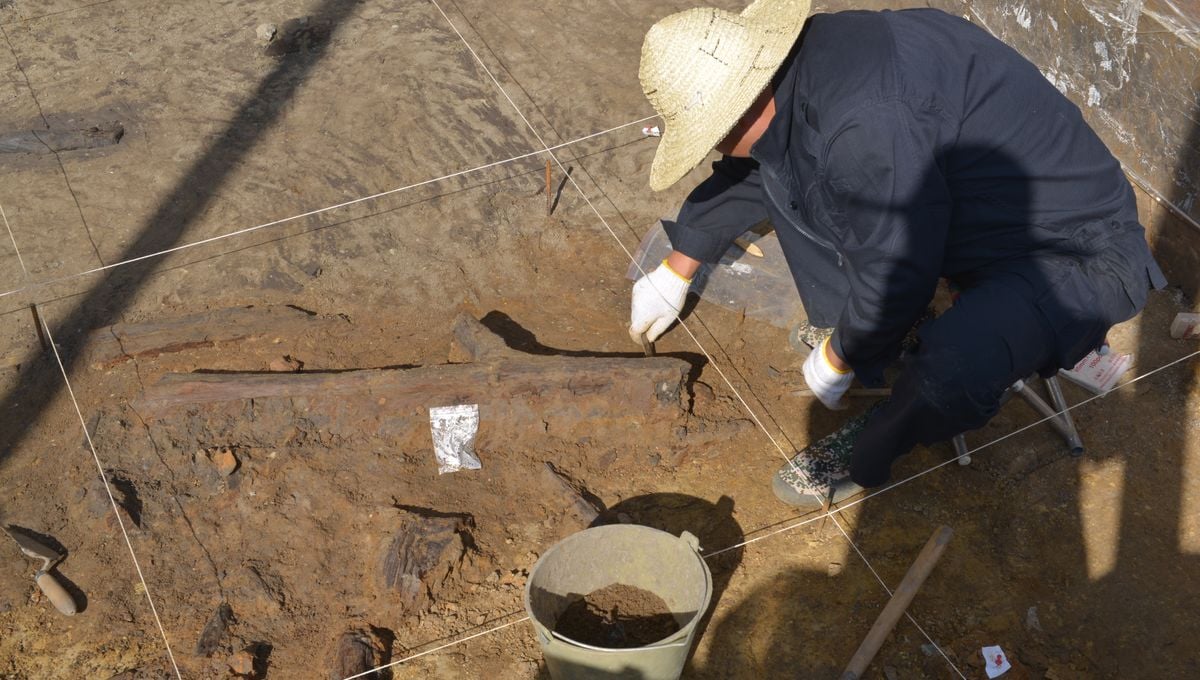
Archaeologists in China discovered the oldest wooden tools in East Asia, dating back 300,000 years, likely used for plant processing, providing new insights into early hominin behavior and tool use, though the exact species that made them remains uncertain.
Archaeologists in China have discovered 300,000-year-old wooden tools from the Old Stone Age, indicating that early humans in East Asia crafted sophisticated tools for digging and planned visits to exploit underground plant resources, challenging previous notions of technological conservatism in the region.
Ancient wooden tools dating back around 300,000 years were discovered in Gantangqing, China, revealing that early humans there were sophisticated woodworkers who relied heavily on plant resources and lived in a lush, lakeside environment, challenging previous assumptions about Paleolithic cultures that mainly emphasized stone tools.
A discovery of 300,000-year-old wooden tools in southwest China suggests advanced plant-based foraging by Denisovans, challenging previous notions of technological lag in East Asia during the Paleolithic era.
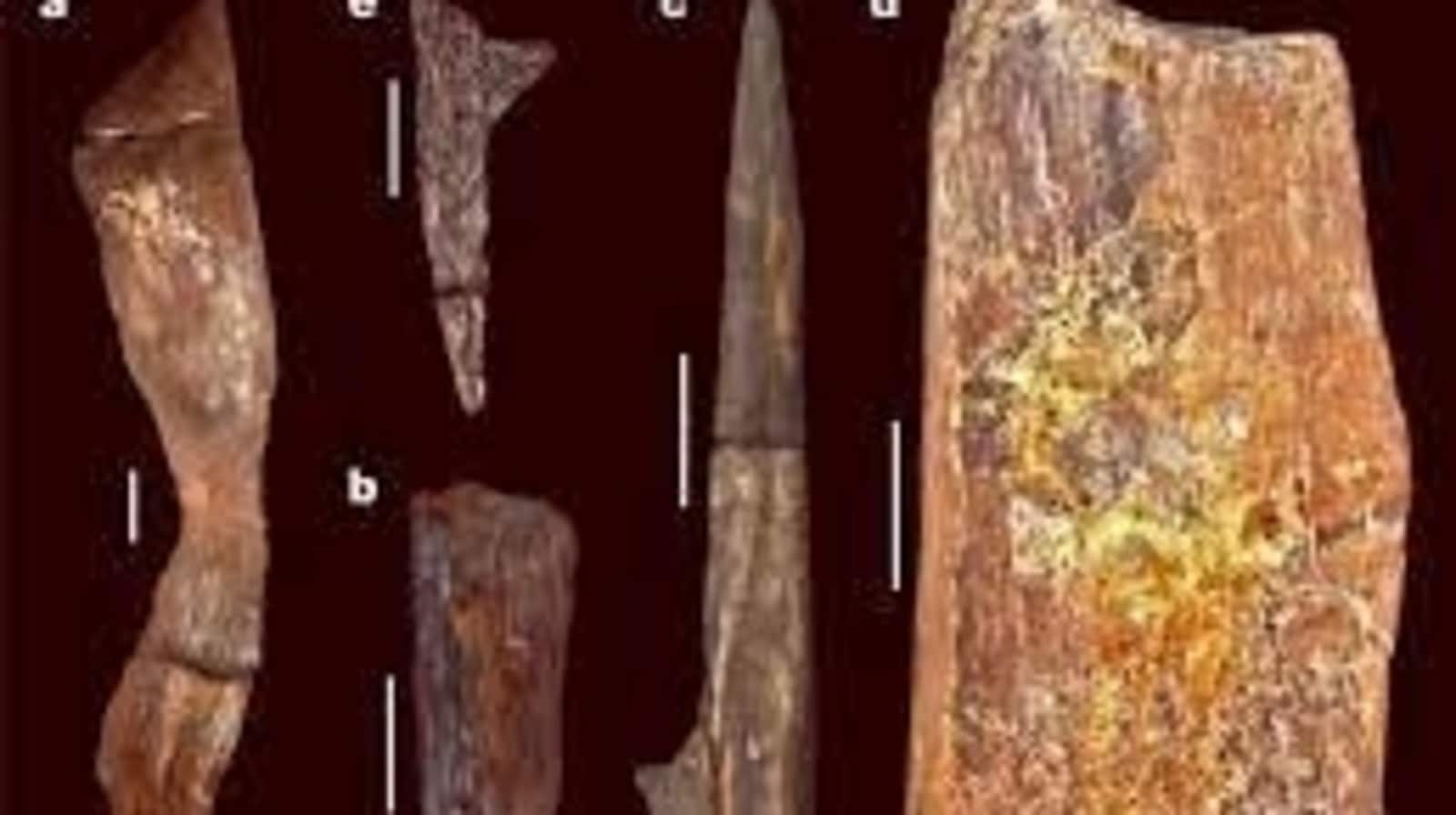
Archaeologists have discovered 500,000-year-old wooden structures and tools at the Kalambo Falls in Zambia, dating back over 476,000 years. These findings, with no known parallels, challenge previous understanding of early human capabilities. The structures demonstrate the use of wooden tools and the construction of platforms and constructions from massive tree trunks. The wet conditions at the falls contributed to the preservation of the wooden materials. The discovery predates the earliest Homo sapien fossils, leading to confusion about which ancient human species created these structures.