Apple is developing an affordable MacBook targeted at students and casual users, aiming to compete with Chromebooks and entry-level Windows laptops by using an iPhone processor and a smaller display, with plans to launch in the first half of 2026.
Qualcomm announced the Snapdragon X2 Elite and Extreme chips for Windows PCs, claiming they are the fastest and most efficient for the platform, with significant performance boosts, power savings, and multi-day battery life potential, targeting both lightweight and larger laptops, with availability expected in the first half of 2026.
Arm CEO Rene Haas aims for a 50% market share in Windows PCs within five years, driven by Qualcomm's new Snapdragon X Elite CPUs. However, analysts are skeptical, noting that current Arm-based PC shipments are low and dominated by Apple Silicon. Achieving this goal would require significant market shifts and overcoming the entrenched x86 architecture from Intel and AMD.
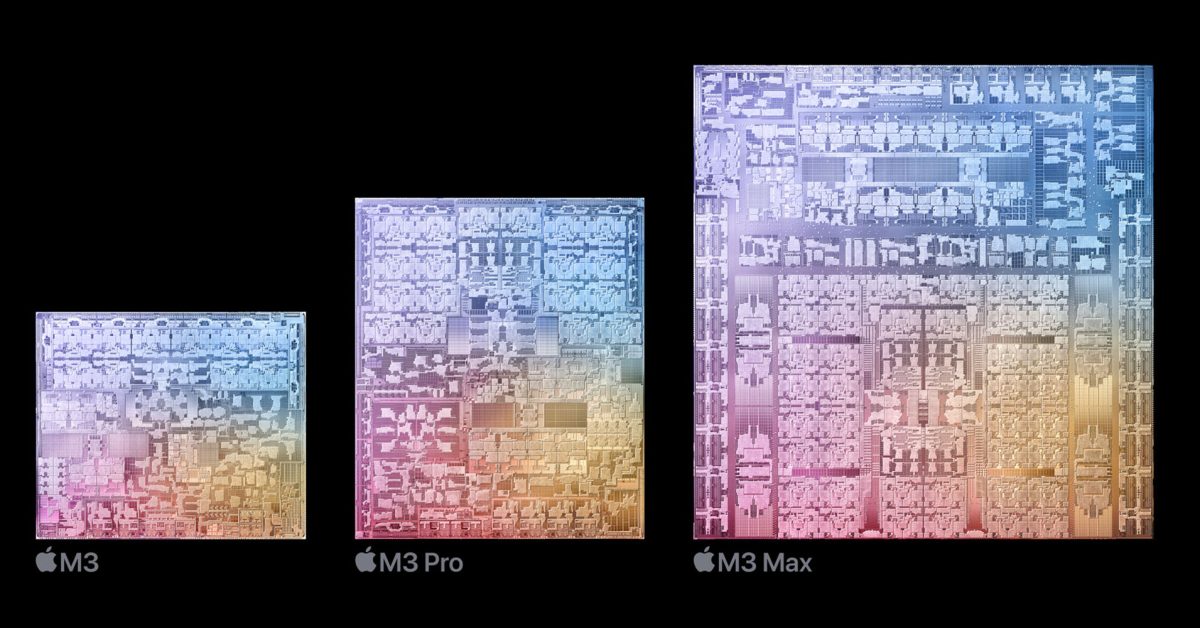
Microsoft is reportedly set to unveil the Snapdragon X Elite, an ARM-based chip that outperforms Apple's M3 and excels in app emulation, with demos planned for May 20. The chip is said to surpass the M3 in CPU tasks and AI acceleration, while offering faster app emulation than Rosetta 2. Microsoft is also focusing on "AI PCs" with features like AI Explorer and plans for a "Snapdragon X Plus" chip.
A new malware threat called Phemedrone Stealer is targeting Windows PCs, bypassing Windows Defender to steal sensitive data such as passwords and authentication cookies. The malware exploits a vulnerability in Windows Defender SmartScreen, but Microsoft has released a patch for it. However, hackers are still targeting unpatched devices, so it's crucial for users to apply the fix to protect their systems.
Market intelligence company Canalys predicts that Windows PC brands will introduce their own equivalent of Apple's Neural Engine chips into high-end laptops this year, with around 20% of PCs launched in 2022 expected to have their own AI chips. Canalys forecasts that by 2027, over 170 million AI-capable PCs will be shipped, with nearly 60% being deployed in commercial settings. This move signifies a shift towards on-device AI processing in PCs, with potential benefits for productivity, security, and cost management in the commercial sector.
Windows PCs are poised for a revolution with a combination of chip improvements, new form factors, and Microsoft's commitment to AI. Apple's success with its M-series chips has prompted other companies like Qualcomm, Nvidia, and AMD to develop their own Arm-based chips for Windows laptops. While Windows on Arm has had its challenges, Microsoft's push into artificial intelligence, along with the exploration of innovative form factors by manufacturers, is making Windows PCs more exciting. The competition between Windows and Mac is expected to intensify, leading to better performance, battery life, and build quality for both platforms.
Nvidia is bringing generative AI processing to Windows PCs using RTX-based GPUs, enabling better AI capabilities on over 100 million Windows PCs worldwide. The integration of AI into major Windows applications has been a five-year journey, with Nvidia's Tensor Cores driving the generative AI capabilities. Nvidia has also released tools to assist developers in accelerating large language models (LLMs) and has introduced enhancements such as TensorRT-LLM and RTX Video Super Resolution (VSR) version 1.5. The combination of these technologies opens up new possibilities in productivity and improves the user experience for LLM use cases.
Google has expanded the availability of Nearby Share for Windows PCs to "most countries globally," allowing Android users to exchange files wirelessly with their PC. The feature was initially restricted to a handful of countries, including the US, but has since been quietly expanded to other regions. However, it is still in beta and not available in Cuba, Iran, North Korea, and Syria. There is no word on an official release or changes to system requirements.