Google announces plans to release a custom-built Arm-based server chip in 2024, aiming to make cloud computing more cost-effective and compete with rivals Amazon and Microsoft, who have already been utilizing similar strategies. The move reflects Google's efforts to expand its presence in the cloud infrastructure market, which is growing rapidly. The new chip, named Axion, is expected to offer improved performance and energy efficiency, potentially leading to lower carbon emissions for certain workloads.
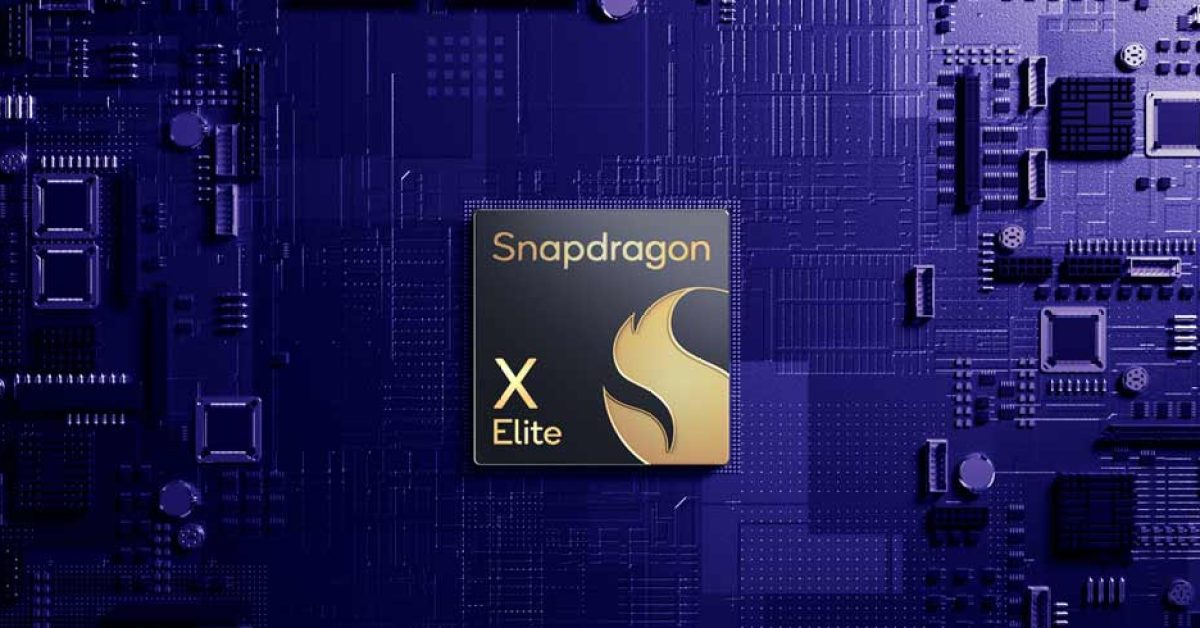
Microsoft is reportedly set to unveil the Snapdragon X Elite, an ARM-based chip that outperforms Apple's M3 and excels in app emulation, with demos planned for May 20. The chip is said to surpass the M3 in CPU tasks and AI acceleration, while offering faster app emulation than Rosetta 2. Microsoft is also focusing on "AI PCs" with features like AI Explorer and plans for a "Snapdragon X Plus" chip.
Nvidia is reportedly designing central processing units (CPUs) that would run Microsoft's Windows operating system using technology from Arm Holdings, in a move to challenge Intel's dominance in the personal computer market. Microsoft's plans aim to compete with Apple, which has gained market share with its own Arm-based chips for Mac computers. Advanced Micro Devices (AMD) also plans to make Arm-based chips for PCs. Nvidia, AMD, and Qualcomm's efforts could disrupt the PC industry, which has long been dominated by Intel. Microsoft has encouraged chipmakers to build advanced AI features into the CPUs, envisioning AI-enhanced software as an integral part of Windows. However, the transition from x86 computing architecture to Arm-based designs may pose challenges.