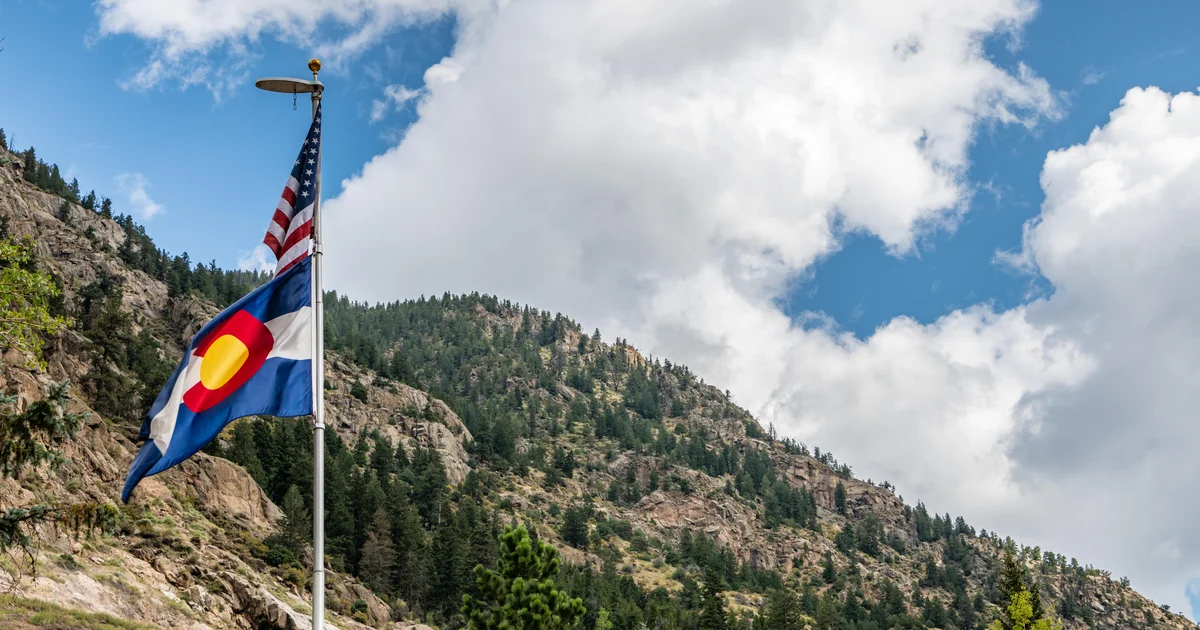
Due to forecasted high winds and planned power shutoffs by Xcel Energy to prevent wildfires, several Colorado school districts are modifying or canceling classes on Wednesday, with updates to be communicated as plans develop.
The Trump administration plans to rescind the 2001 Roadless Rule, which protects 30% of national forest lands from development, including 2 million acres in Oregon, to promote logging and economic growth, sparking opposition from environmental advocates and local communities.
U.S. Secretary of Agriculture Brooke Rollins announced the rescinding of the 2001 Roadless Rule, which restricts road construction and timber harvest on nearly 59 million acres of national forests. This move aims to improve forest management, reduce wildfire risks, and boost economic development in rural areas by allowing more local decision-making and responsible resource use.
The order aims to improve wildfire prevention and response in the US by streamlining federal programs, enhancing local preparedness, adopting new technologies, modifying policies on fire use, and modernizing wildfire management practices, following recent devastating wildfires.
President Donald Trump signed an executive order to improve wildfire prevention and response by consolidating federal programs, leveraging technology, empowering state and local leaders, and promoting responsible land management to reduce wildfire risks and enhance response capabilities.
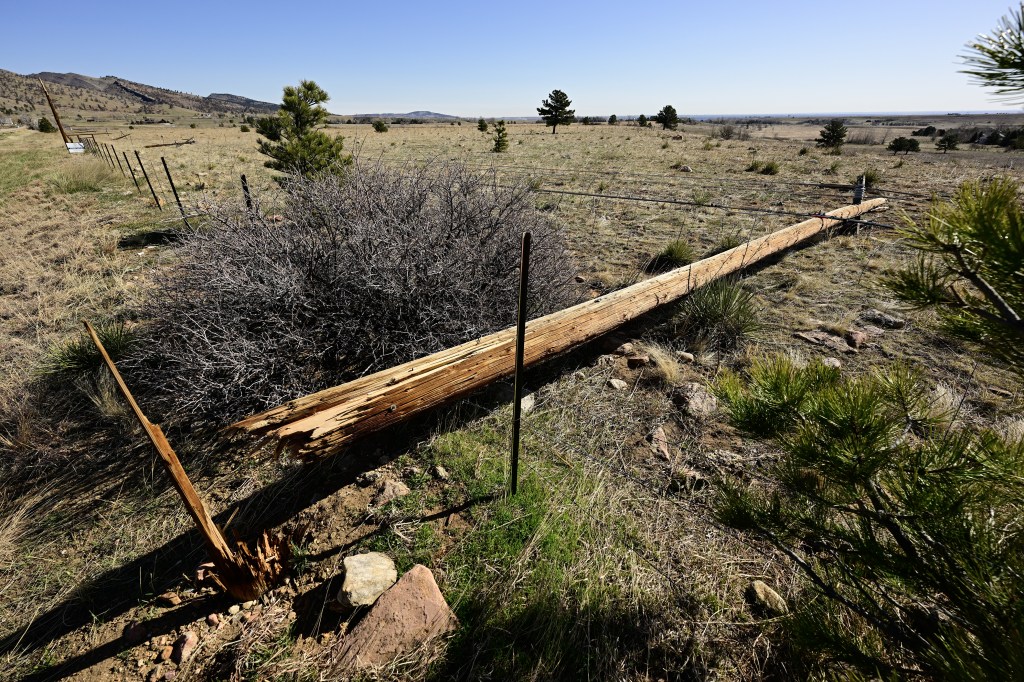
Xcel Energy-Colorado took the unprecedented step of cutting power to some parts of the Front Range to minimize the risk of wildfires as strong winds walloped the region, leading to blowback from affected customers and officials. The move, aimed at preventing a repeat of the devastating Marshall fire, resulted in complaints about lack of notice and communication, as well as concerns about unintended consequences such as sewage overflow. Xcel Energy faces lawsuits over previous fires, and while the company insists the power shutdown was solely for public safety, critics accuse it of trying to avoid more legal action.
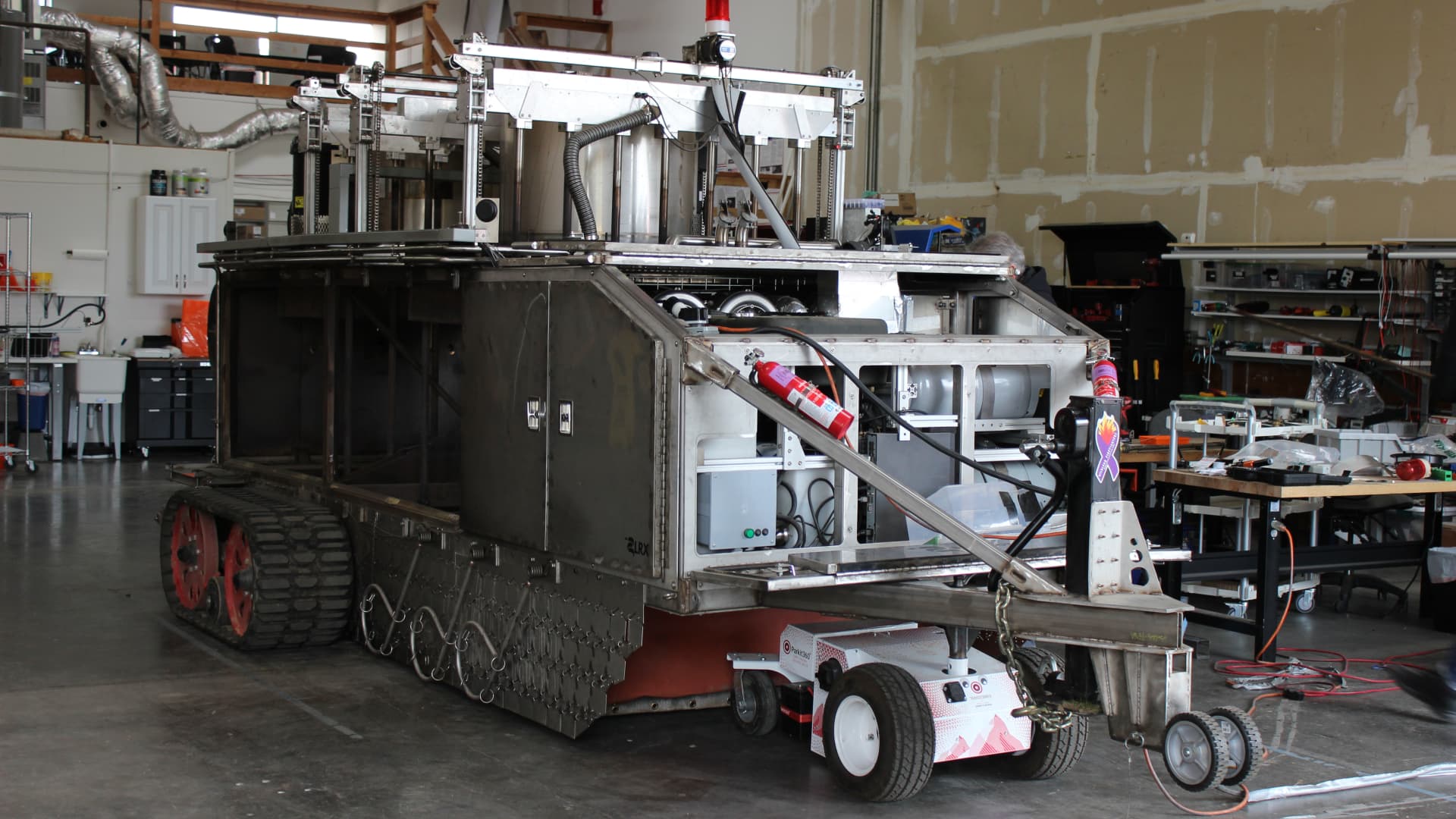
As California braces for another wildfire season, startup BurnBot is developing high-tech solutions for prevention, with its RX model using robotics to burn away dry vegetation without emitting harmful smoke. The company recently secured a $20 million funding round to expand its operations and develop new machines capable of navigating steeper terrains. BurnBot's innovative approach aims to make fire prevention efforts more effective and environmentally friendly, with plans to conduct prescribed burns for organizations like CalTrans and Pacific Gas & Electric. The startup's goal is to eventually expand its operations beyond California to areas with high wildfire risk across the United States.
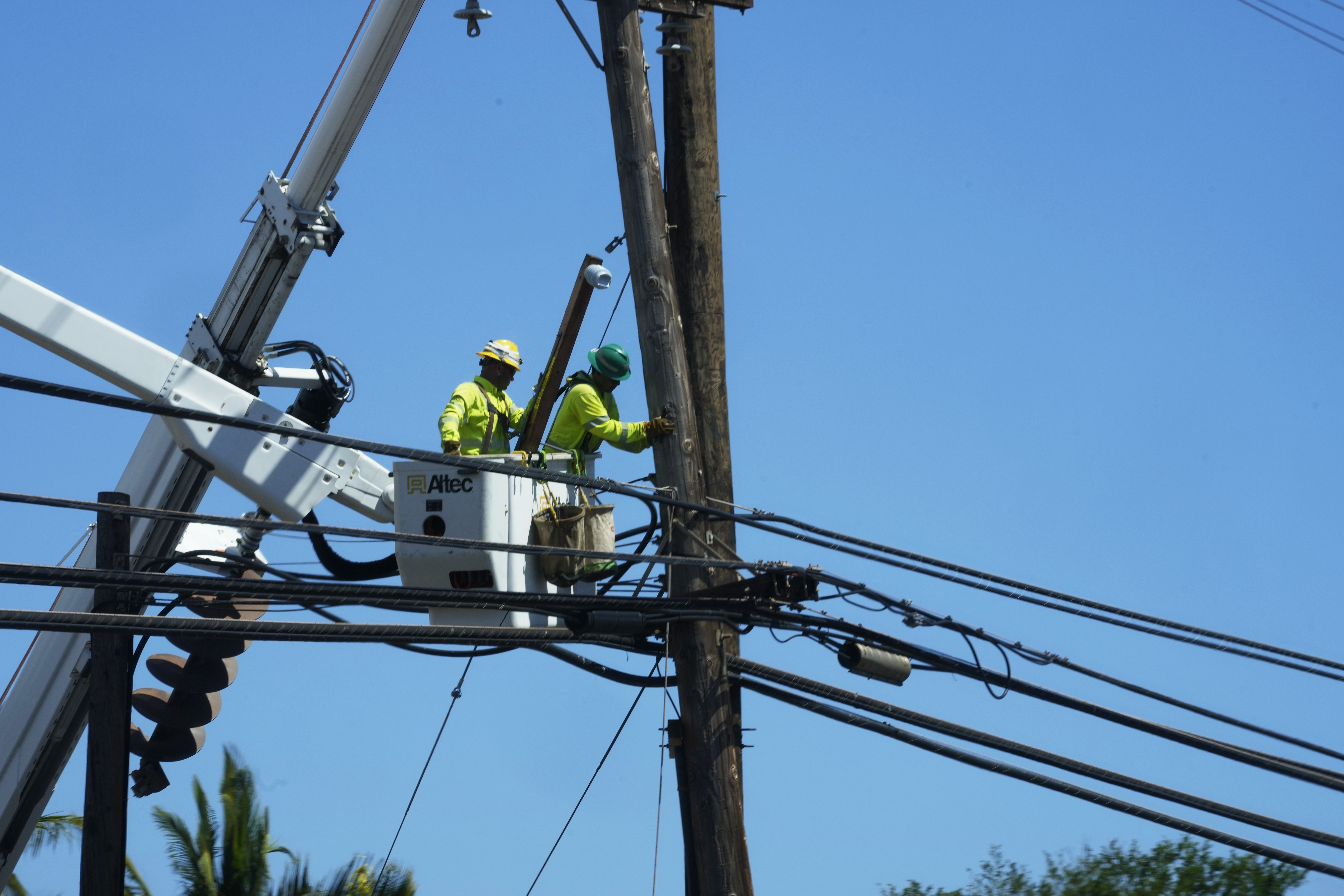
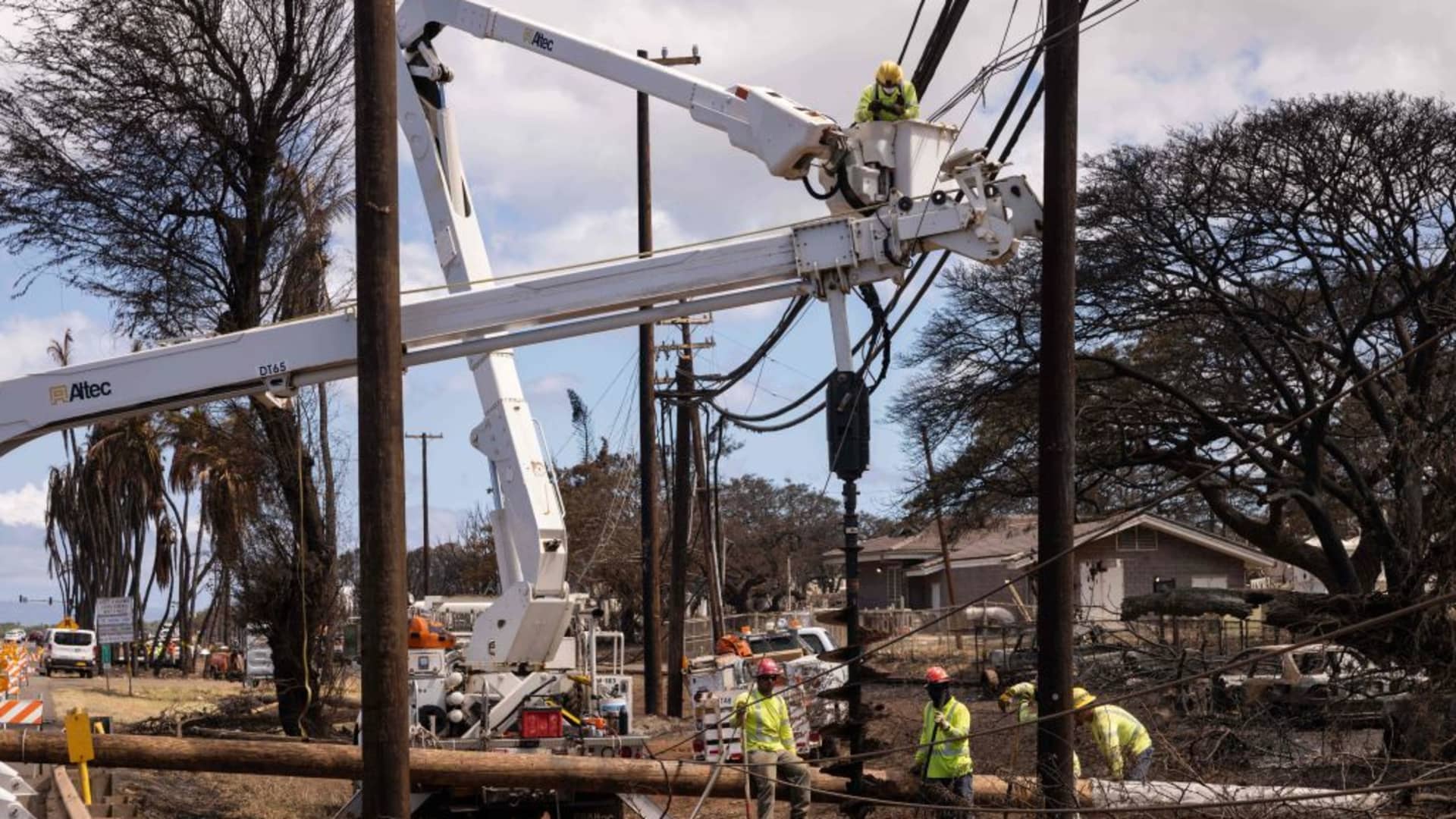
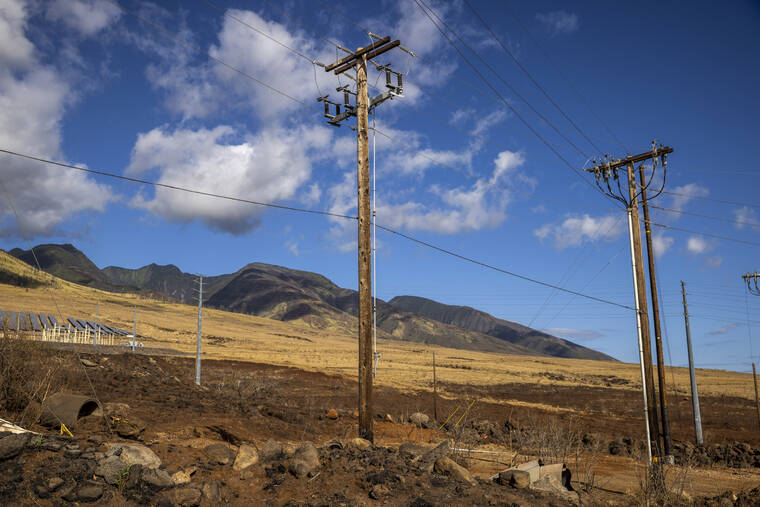
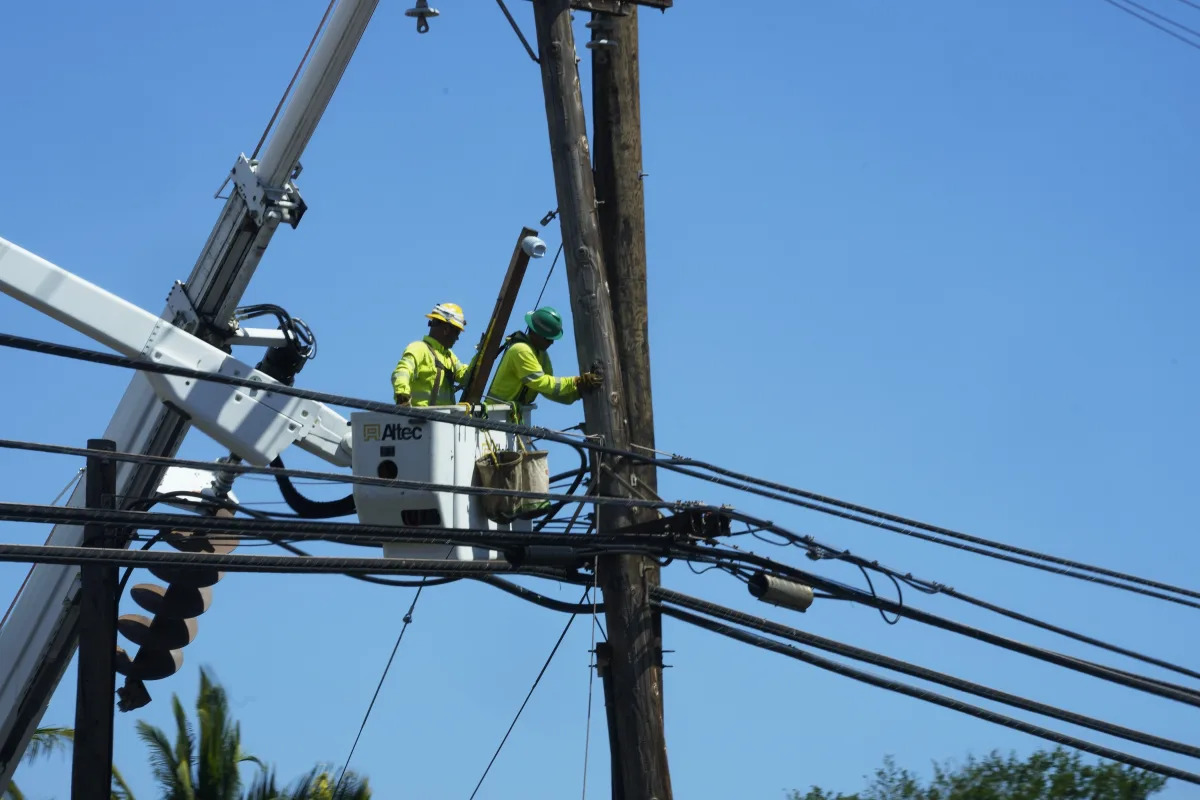
Bare, uninsulated electrical wires and leaning power poles owned by Hawaiian Electric Co. are being investigated as possible causes of the deadly wildfires in Maui. Videos and images analyzed by The Associated Press confirmed that the wires were left exposed to the weather and foliage, despite efforts by other utilities in wildfire-prone areas to cover or bury their lines. Many of the utility's wooden power poles were also described as being in poor condition and not meeting safety standards. Hawaiian Electric is now facing lawsuits and criticism for its lack of action in preventing the fires. Other utilities in California have been addressing the issue by insulating wires and burying lines in high-risk areas.
Bare, uninsulated electrical wires and leaning, outdated power poles were potential causes of the deadly Maui fires in Hawaii. Videos and images analyzed by The Associated Press confirmed that the wires were left exposed to the weather and foliage by Hawaiian Electric, despite efforts by other utilities in wildfire-prone areas to cover or bury their lines. Many of the utility's wooden power poles were described as built to an obsolete standard and were near the end of their projected lifespan. Experts agree that insulated wires would not have sparked and caused fires in dry vegetation. Hawaiian Electric is now facing lawsuits and criticism for not shutting off power during high wind warnings and for its lack of action in addressing the issue of bare wire. Other utilities in California have taken steps to eliminate uninsulated wire and bury electrical lines in high-risk areas.
Bare, uninsulated electrical wires and leaning, outdated power poles owned by Hawaiian Electric Co. are being investigated as possible causes of the deadly fires that ravaged Maui. Videos and images analyzed by The Associated Press confirmed that the bare wires sparked flames when they came into contact with dry grass. Hawaiian Electric Co. has faced criticism for leaving miles of uninsulated wires exposed to the weather and foliage, despite efforts by other utilities in wildfire-prone areas to cover or bury their lines. Many of the utility's wooden power poles were also in poor condition and did not meet the national standard for withstanding high winds. The utility is now facing lawsuits and calls for improved safety measures to prevent future wildfires.
Bare, uninsulated electrical wires and leaning power poles owned by Hawaiian Electric Co. are being investigated as possible causes of the deadly fires that ravaged Maui. Videos and images analyzed by The Associated Press confirmed that the wires were among miles of line left exposed to the weather and foliage, despite efforts by other utilities in wildfire-prone areas to cover or bury their lines. Many of Hawaiian Electric's wooden power poles were described as built to an obsolete standard and were near the end of their projected lifespan. The utility is now facing lawsuits and criticism for its failure to address these safety concerns, including the use of bare metal conductors and the lack of preemptive power shutoffs. Other utilities in California have taken steps to insulate their lines and bury electrical wires in high-risk areas. Experts emphasize the need for utilities to better prepare for climate change-related risks to prevent future wildfires.
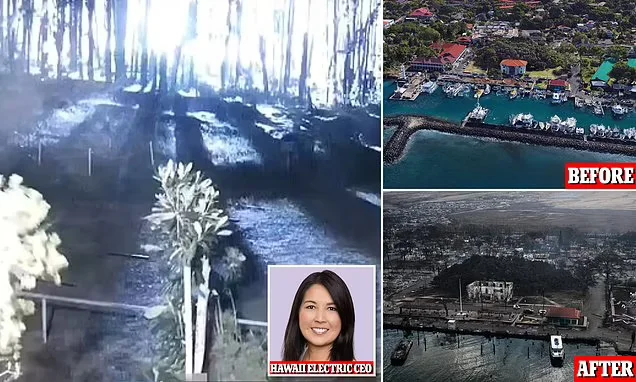
Hawaiian Electric, Hawaii's largest electricity supplier, prioritized its pursuit of renewable energy over wildfire prevention, spending only $245,000 on wildfire-specific projects between 2019 and 2022. The utility company focused on converting to renewables after a spike in oil prices in 2008 and a state mandate to derive 100% of electricity from renewable sources by 2045. However, this focus may have come at the cost of fire mitigation, as the company is now facing scrutiny for not shutting down power lines during high winds that contributed to devastating wildfires in Maui. Proposed class action lawsuits have been filed against Hawaiian Electric, alleging negligence in maintaining the grid and failure to prevent the fires.
A non-profit organization called City Grazing is using a herd of 128 goats to prevent wildfires in San Francisco by grazing on the lush grass that can become dry and brown in the summer, turning into fuel for wildfires. The goats also serve an educational purpose, teaching students about sustainability and regenerating the land. The program is coordinated with local groups and has been successful in limiting the fire hazard.