Mozilla's new CEO aims to transform Firefox into a modern AI browser with enhanced privacy controls, including a toggle to turn AI features off, and diversify revenue streams beyond search engine royalties, amidst declining market share and rising competition.

OpenAI's AI browser Atlas, especially its agent mode, is avoiding certain parts of the web due to ongoing legal battles, such as avoiding media outlets suing OpenAI and reconstructing content from other sources, raising concerns about access and copyright enforcement in AI browsing.
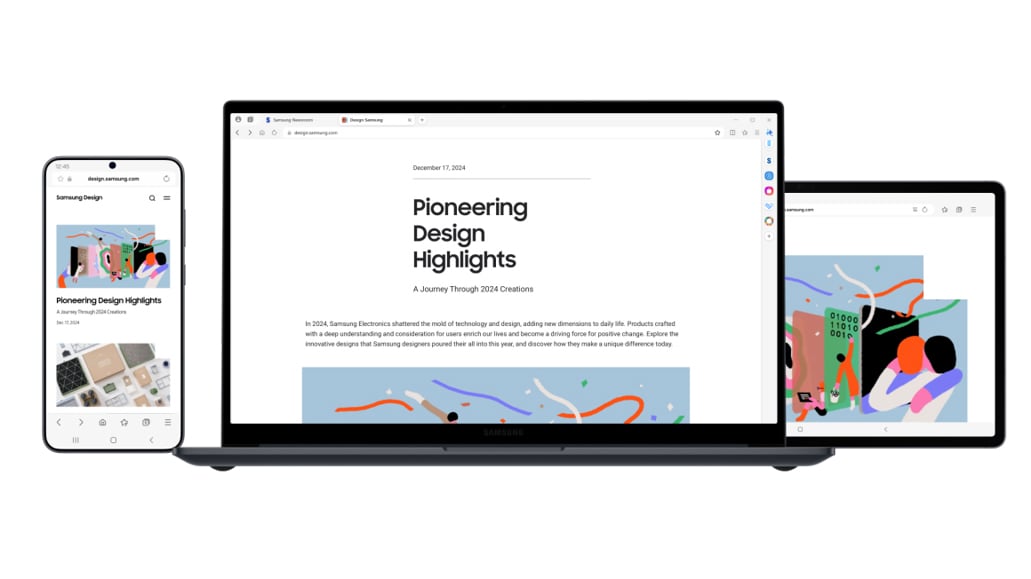
Samsung has launched a desktop version of its web browser for Windows, emphasizing its shift towards an AI-powered platform that offers personalized assistance and integrates with its mobile browser, aiming to compete in the growing AI browser market while maintaining privacy and security features.
Samsung is launching its Internet browser on Windows PCs with AI features like browsing assist, cross-device sync, and privacy tools, aiming to compete in the AI-driven web browser market, with a beta release starting October 30th in the US and South Korea.
Cybersecurity researchers have discovered serious prompt injection vulnerabilities in OpenAI's new AI browser Atlas, particularly in its agent mode and omnibox, which could allow hackers to execute harmful commands or access sensitive data. Experts recommend stricter URL validation to prevent such attacks, highlighting ongoing security challenges in AI-powered browsers.
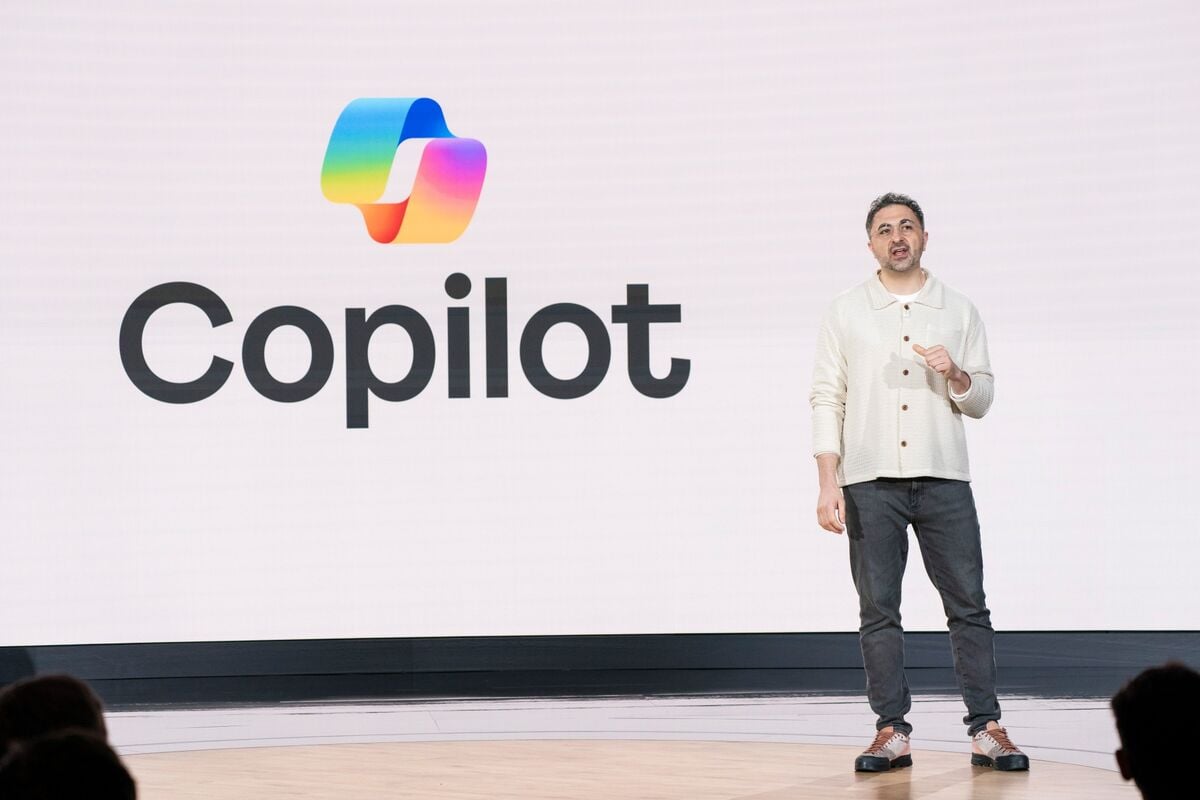
Microsoft is once again positioning itself in the AI space, playing a 'me too' role in the ongoing competition with OpenAI, amid broader industry growth and regulatory scrutiny, including a Bank of England review of data center lending due to the AI boom.
OpenAI's ChatGPT Atlas browser is vulnerable to prompt injection attacks where malicious URLs disguised as harmless links can trick the AI into executing harmful commands or redirecting users to malicious sites, highlighting ongoing security challenges in AI-enabled browsers.
OpenAI's ChatGPT Atlas browser can mimic human clicks on ads, potentially draining ad budgets and corrupting analytics data, which poses risks for digital marketing and calls for new detection standards.
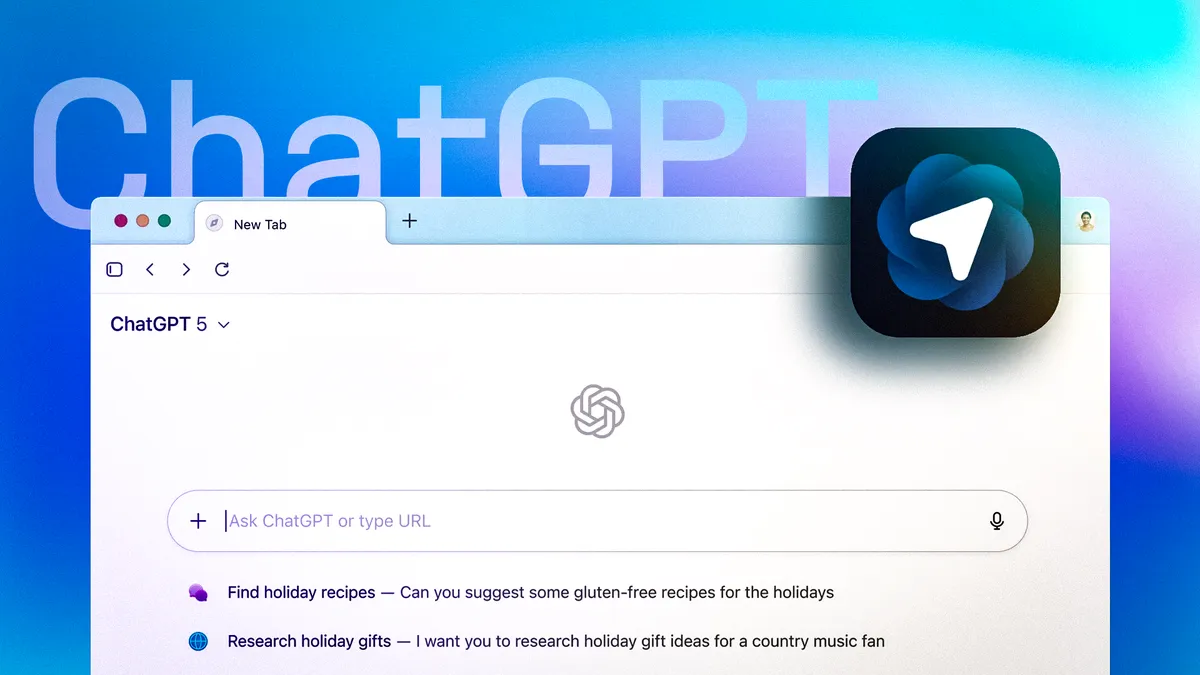
OpenAI's ChatGPT Atlas browser aims to integrate AI chat capabilities with web browsing but currently offers a limited and somewhat clunky experience compared to rivals, with issues in relevance, functionality, and user interface, indicating it needs further development to truly compete in the AI browser space.
OpenAI is actively developing and teasing new features for its AI-powered web browser, ChatGPT Atlas, including profiles, tab groups, an ad blocker, and improvements to AI tools like the agent and Ask ChatGPT sidebar, aiming to enhance user experience and compete with browsers like Chrome.
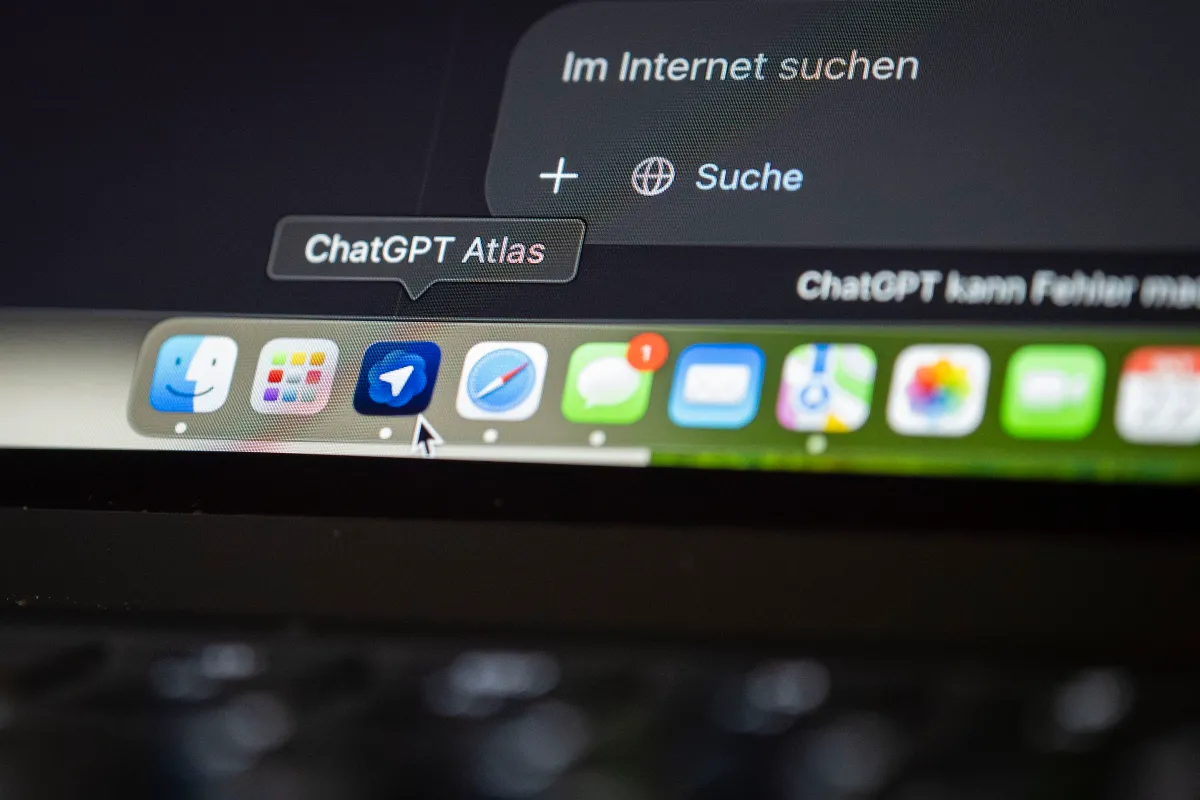
OpenAI has launched Atlas, a new web browser for Mac that integrates ChatGPT to revolutionize browsing with AI-powered features like replacing the URL bar with a chatbot and an 'agent mode' that autonomously surfes the internet based on user history. While aiming to challenge Google Chrome's dominance, the browser faces skepticism over privacy concerns and the accuracy of AI-generated information, amid growing AI integration in web browsing.
OpenAI has launched ChatGPT Atlas, an AI-powered web browser for MacOS that integrates ChatGPT features into browsing, with support for Windows, iOS, and Android coming soon, challenging existing AI-enhanced browsers like Google's Gemini and Perplexity.
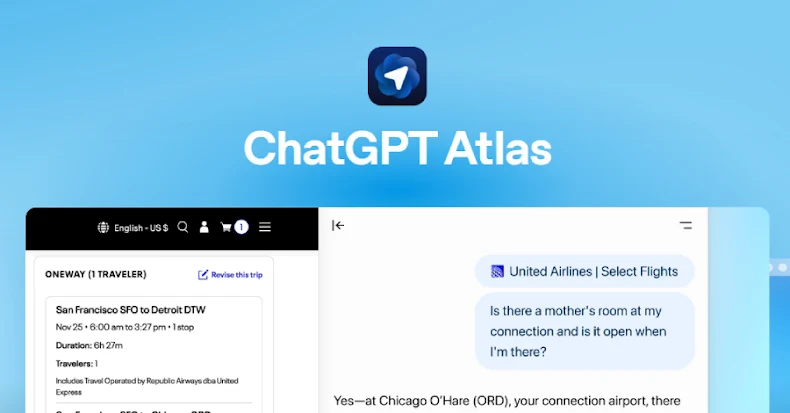
OpenAI has launched ChatGPT Atlas, an AI-powered web browser designed to offer a personalized browsing experience and perform tasks like booking and editing, positioning itself as a competitor to Google and other AI-integrated browsers. The browser is initially available on macOS with plans for other platforms, and features advanced AI capabilities for paid users. This move marks a significant step in reimagining web browsing with AI, amid increasing competition from companies like Google, which recently integrated its Gemini AI into Chrome.
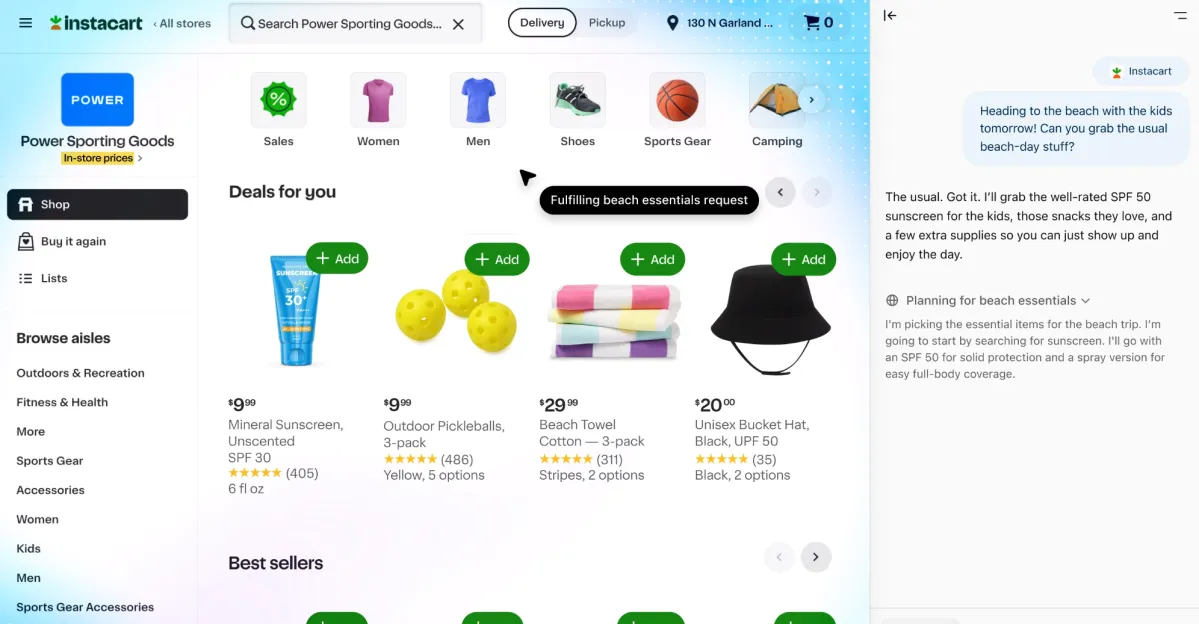
OpenAI has launched ChatGPT Atlas, an AI-powered web browser available on macOS with plans to expand to other platforms, featuring personalized memory, agent mode for task automation, and integrated ChatGPT functionalities to enhance web browsing and task management, intensifying the AI browser competition.
AI browser Dia has been publicly launched on Mac, offering new browsing capabilities, with privacy policies emphasizing user data protection and restrictions on automated access.