Tag

Whale Sharks

All articles tagged with #whale sharks

Orcas Unveil New Hunting Strategy for World's Largest Fish

Originally Published 1 year ago — by ScienceAlert

Featured image for Orcas Unveil New Hunting Strategy for World's Largest Fish
Source: ScienceAlert

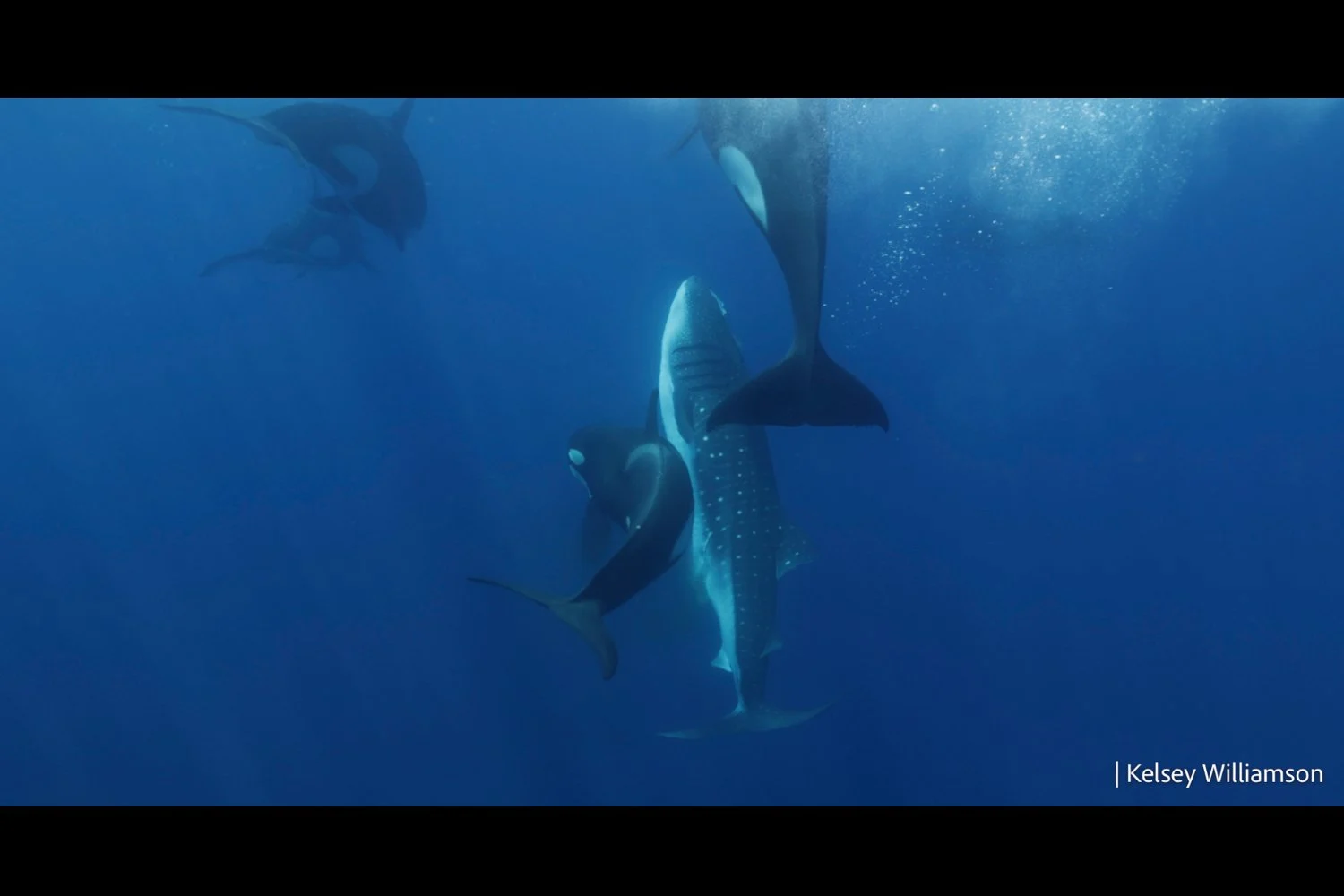
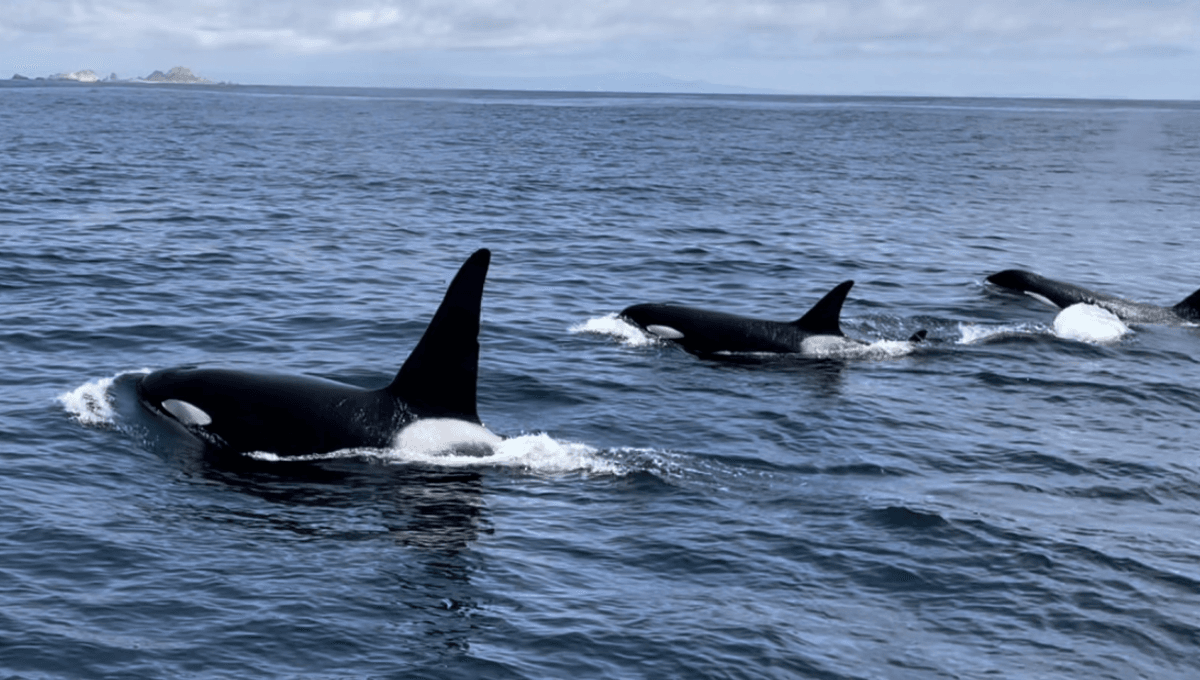
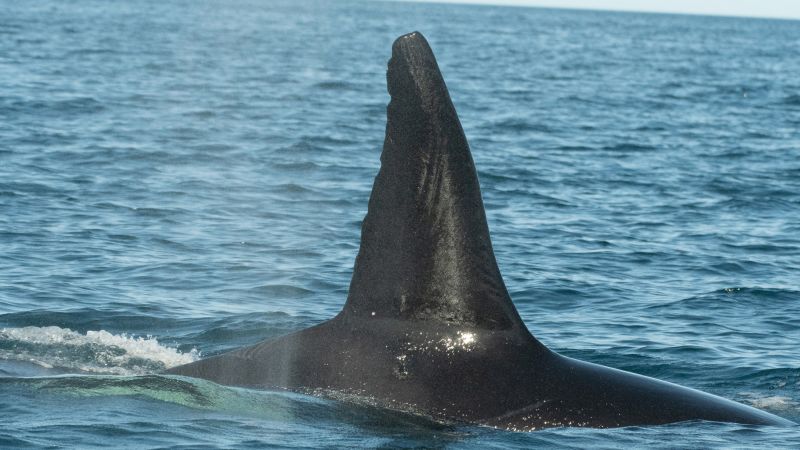
A pod of orcas in the Gulf of California has developed a specialized hunting technique to prey on whale sharks, the largest fish in the ocean. These orcas, including a male named Moctezuma, use coordinated attacks to immobilize the sharks and target their nutrient-rich livers. This behavior suggests a potential emerging ecotype with a focus on elasmobranchs, distinct from other orca groups. The findings highlight the orcas' adaptability and learning capabilities, contributing to the understanding of their complex hunting strategies.
Orcas Develop Unique Strategy to Hunt Giant Whale Sharks

Originally Published 1 year ago — by CNN

Featured image for Orcas Develop Unique Strategy to Hunt Giant Whale Sharks
Source: CNN

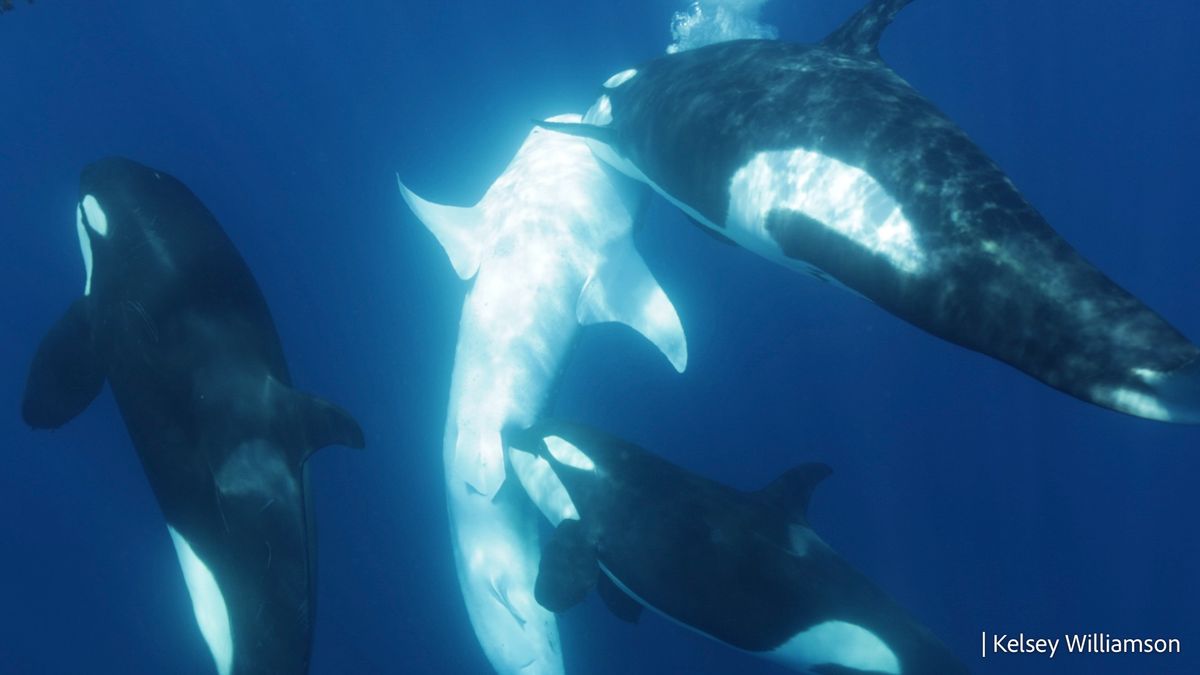
New research has documented how an orca pod off the coast of Mexico hunts whale sharks, the world's largest fish. The orcas use a strategic method to flip the sharks belly-up, inducing a state of tonic immobility, before targeting their nutrient-rich livers. This behavior, captured in images and videos, marks the first detailed observation of orcas preying on whale sharks, suggesting a potential new ecotype in the Gulf of California. Despite the predation, there are no significant impacts on the whale shark population in the area.

Orcas Unveil New Tactics in Whale Shark Hunts

Originally Published 1 year ago — by Livescience.com

Featured image for Orcas Unveil New Tactics in Whale Shark Hunts
Source: Livescience.com

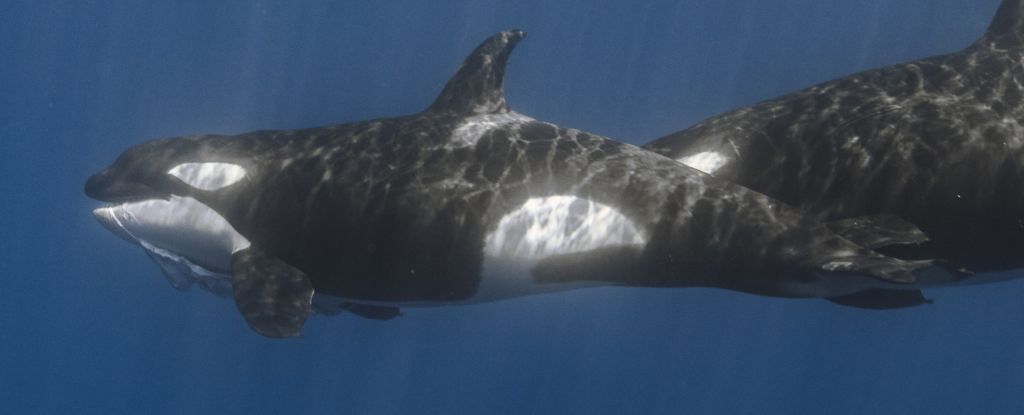
A group of orcas off the coast of Mexico has developed a brutal hunting strategy to prey on whale sharks, the world's largest shark species. By flipping the sharks upside down to immobilize them, the orcas target the pelvic area to cause bleeding and access the nutrient-rich livers. This behavior, observed in the Gulf of California, involves a male orca named Moctezuma, who may be teaching these tactics to others. The findings highlight the orcas' ability to develop specialized hunting techniques for specific prey.

Orca Pod in Mexico Masters Whale Shark Hunting

Originally Published 1 year ago — by Gizmodo

Featured image for Orca Pod in Mexico Masters Whale Shark Hunting
Source: Gizmodo

Scientists have documented orcas in the Southern Gulf of California hunting whale sharks, marking the first confirmed instances of this behavior. Over six years, researchers observed orcas, particularly a male named Moctezuma, using collaborative techniques to target the pelvic area of whale sharks, causing them to bleed out and allowing access to their liver. This discovery highlights the orcas' adaptability and raises concerns about the potential impact on whale shark populations and the need for careful conservation efforts in the region.

"Survival Strategies: How Deep-Sea Creatures Evade the Bends"

Originally Published 2 years ago — by IFLScience

Featured image for "Survival Strategies: How Deep-Sea Creatures Evade the Bends"
Source: IFLScience

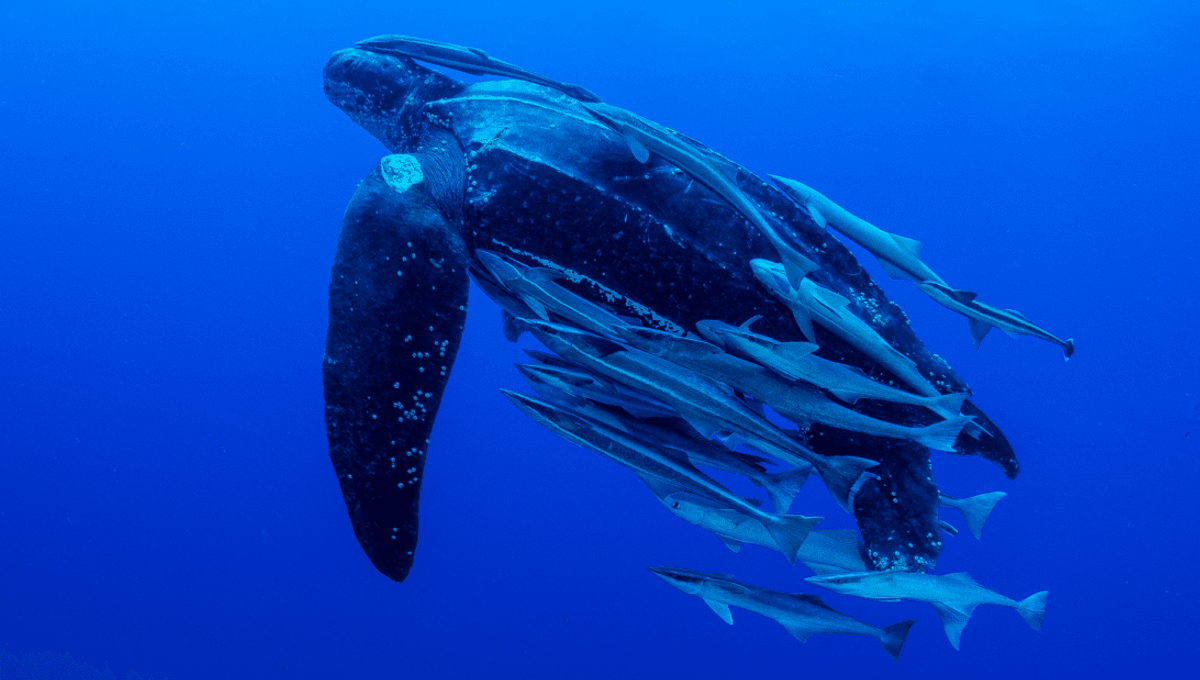
The ocean is home to a variety of animals that can dive to extreme depths. Some of the deepest diving animals include Emperor penguins, which can swim down to 500 meters and lower their heart rate to avoid decompression sickness; Leatherback turtles, which can dive to 1,200 meters and use gliding techniques to avoid the bends; Whale sharks, the largest fish, which have been recorded diving to 1,928 meters and may forage in the deep scattering layer; Sperm whales, which can dive to 2,250 meters and have specialized adaptations to withstand the pressure; and Cuvier's beaked whales, which hold the record for the deepest dive at 2,992 meters and can shut down certain organs to survive on long dives.

Orcas Devour Liver of World's Largest Shark in Shocking Video

Originally Published 2 years ago — by IFLScience

Featured image for Orcas Devour Liver of World's Largest Shark in Shocking Video
Source: IFLScience

A gruesome video captured by James Moskito, CEO of Ocean Safaris, shows a pod of orcas attacking and sucking out the liver of a whale shark, the world's largest fish. This rare footage demonstrates the orcas' ability to target large prey and consume only the nutrient-rich organs. Orcas are known to dine on the livers of great white sharks, using a technique that induces tonic immobility in the shark before surgically removing its vital organs. The video highlights the potential cultural transmission of knowledge among orca pods and sheds light on their dietary preferences and hunting strategies.

New World's Largest Omnivore Weighs 42000 Pounds, Scientists Find.

Originally Published 2 years ago — by msnNOW

Featured image for New World's Largest Omnivore Weighs 42000 Pounds, Scientists Find.
Source: msnNOW

The whale shark has been officially declared the largest omnivore in the world, after a recent study found that they also feed on plant matter, specifically Sargassum seaweed. Previously, the title was held by the Kodiak bear. Whale sharks are the largest fish in the ocean, growing up to 60 feet long and weighing over 41,000 lbs. They have few predators, but young whale sharks can be hunted by blue sharks, blue marlins, orcas, and white sharks. Despite their name, whale sharks are gentle and do not attack humans.

"Preparing for the Rare and Strange Hybrid-Total Solar Eclipse of 2023"

Originally Published 2 years ago — by Forbes

Featured image for "Preparing for the Rare and Strange Hybrid-Total Solar Eclipse of 2023"
Source: Forbes

On April 20, 2023, a rare "hybrid" or annular-total solar eclipse will occur, visible only from the southern hemisphere. Eclipse-chasers will travel to Western Australia, Timor Leste, and West Papua to witness the event. The eclipse will be technically a "hybrid" type, but this won't affect the viewing experience. Totality will be witnessed by relatively few people, making it an exclusive eclipse experience. Southeast Asia and Australia will see a big partial solar eclipse, and the event will happen during "whale shark" season in Western Australia and West Papua.