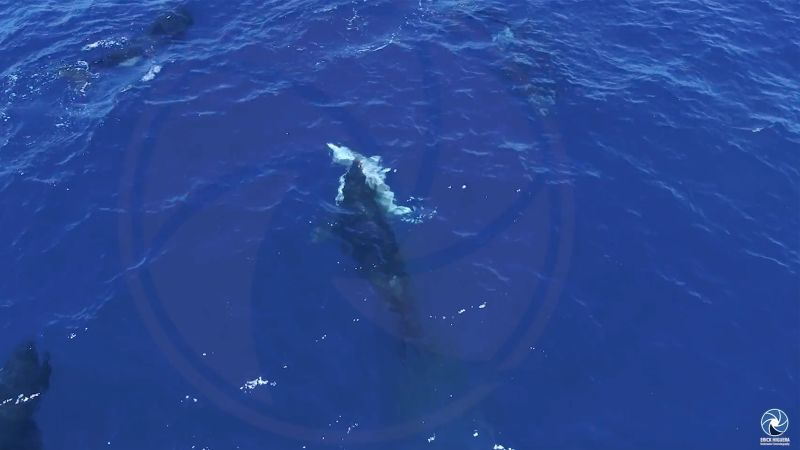
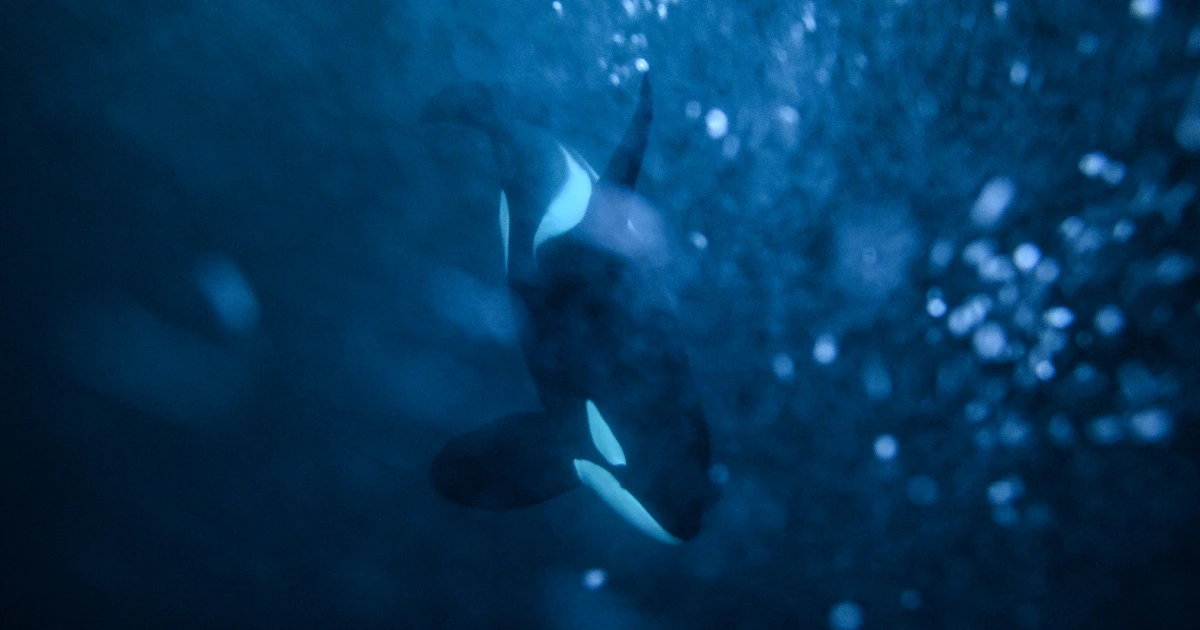
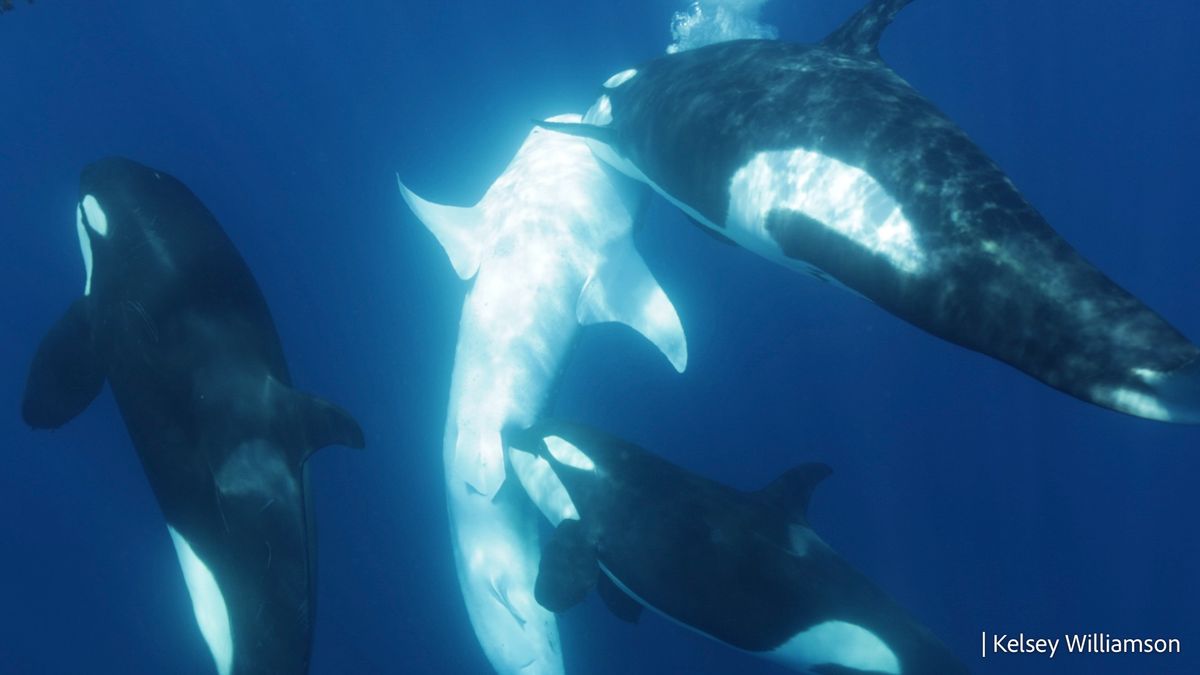
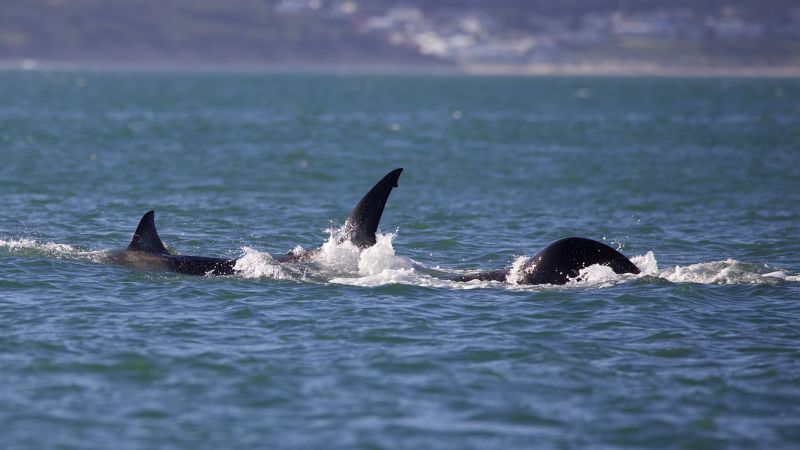
Scientists in Mexico documented orcas hunting and eating the livers of young great white sharks, a behavior previously observed in other regions but now confirmed in Mexico, indicating a possible shift in orca predation patterns that could impact shark populations.
Videos from Mexico reveal orcas hunting and eating the livers of young great white sharks, showcasing a specialized predation behavior that has been observed in other regions like South Africa. The behavior involves flipping sharks to induce tonic immobility, allowing orcas to extract the nutritious liver, and appears to be a learned, group-specific strategy that may be influenced by changing ocean conditions.
A group of orcas off the coast of Mexico has developed a brutal hunting strategy to prey on whale sharks, the world's largest shark species. By flipping the sharks upside down to immobilize them, the orcas target the pelvic area to cause bleeding and access the nutrient-rich livers. This behavior, observed in the Gulf of California, involves a male orca named Moctezuma, who may be teaching these tactics to others. The findings highlight the orcas' ability to develop specialized hunting techniques for specific prey.
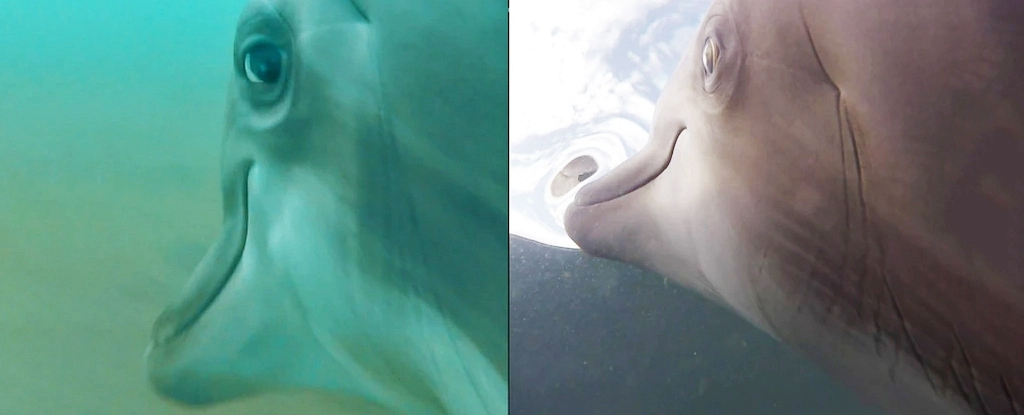
The US Navy conducted a study by attaching cameras to dolphins, revealing fascinating insights into their hunting strategies and communication. The footage showed dolphins using echolocation and vision to hunt various fish and even venomous sea snakes, employing techniques like suction feeding. This research, published in PLOS ONE, provides a deeper understanding of dolphin behavior and highlights the innovative work of the late Sam Ridgway, who contributed significantly to marine mammal science.
Scientists have observed a lone orca, named Starboard, swiftly killing a juvenile great white shark in less than two minutes near South Africa's coastline, signaling a potential ecological shift. This behavior, along with the orcas' selective feeding on the sharks' nutrient-rich livers, has driven the sharks away from certain areas, raising concerns about coastal marine ecology balance. The orcas' hunting approach challenges conventional cooperative behaviors and may be linked to broader ecosystem dynamics, possibly influenced by human activities like climate change and industrial fishing. The rapid developments in this phenomenon pose challenges for scientific understanding, and further research and funding are deemed essential.