
Are Weighted Vests Worth the Hype? A Quick Guide
Kim Holderness observes a growing trend of middle-aged Americans wearing weighted vests while walking, reflecting a broader fitness movement among suburbanites.

All articles tagged with #weighted vest
Kim Holderness observes a growing trend of middle-aged Americans wearing weighted vests while walking, reflecting a broader fitness movement among suburbanites.
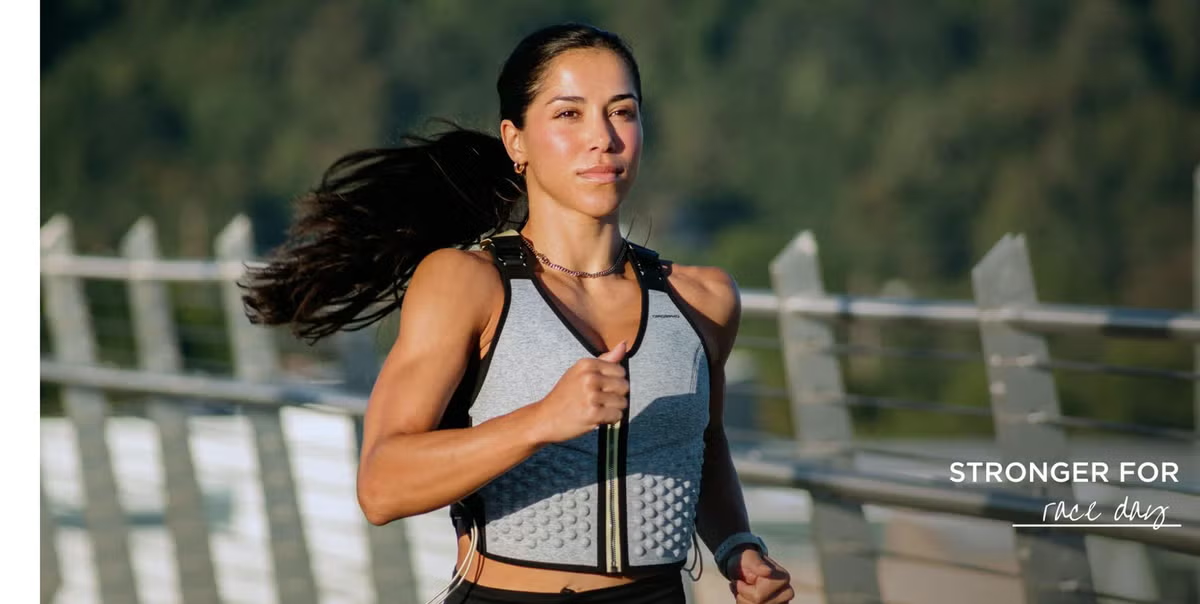
Adding a weighted vest to walking routines can enhance calorie burning, build muscle, improve bone density, and boost cardiovascular health, making it a practical and affordable way to upgrade fitness routines, provided it is used gradually and with proper fit to avoid injury.
A poll of 1,000 women reveals that women wearing weighted vests, a wellness trend, are politically engaged and could be key swing voters in the 2026 elections, with a balanced political split and high engagement among suburban, educated, and higher-income women under 45.
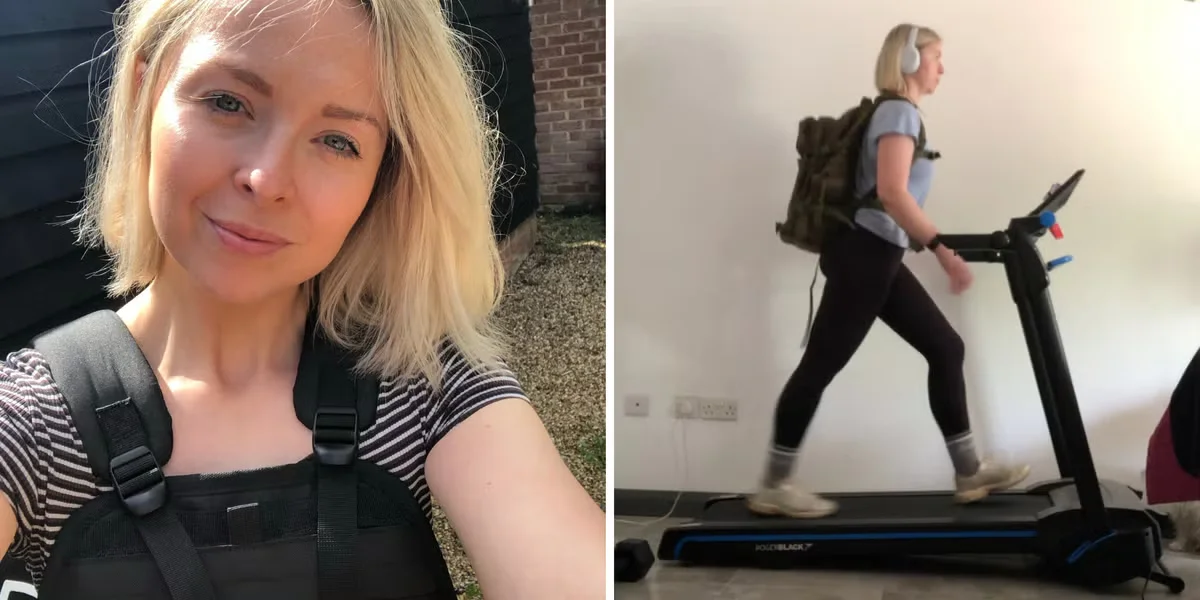
A fitness writer shares her week-long experience of walking with a weighted vest, highlighting increased intensity, muscle engagement, and benefits like improved cardiovascular health and bone density, especially for women. She finds it a practical, low-impact way to boost exercise, stress relief, and muscle strength, and recommends starting with manageable weights and gradually increasing.
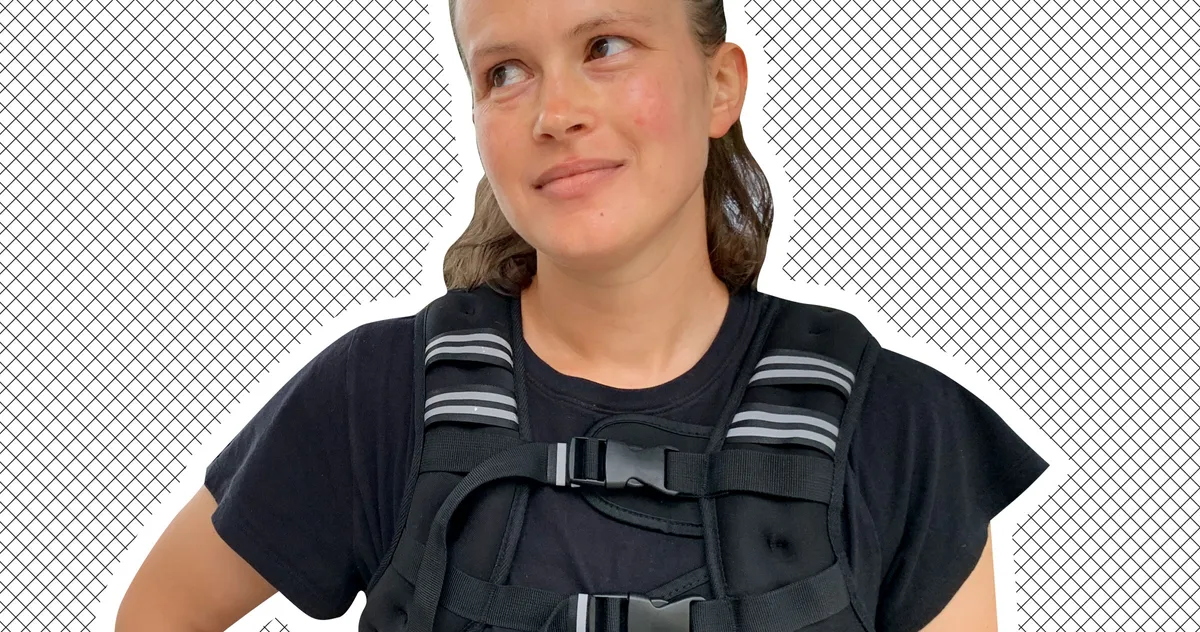
Weighted vests have gained popularity for their supposed benefits in improving bone density, muscle strength, and aiding weight loss, but current scientific evidence supporting these claims, especially for walking, is limited and inconclusive. Experts suggest that for muscle building, traditional resistance training is more effective, and for cardiovascular fitness, other methods may be more satisfying. The article also highlights that wearing weighted vests can be uncomfortable and may not provide significant benefits for casual walkers.
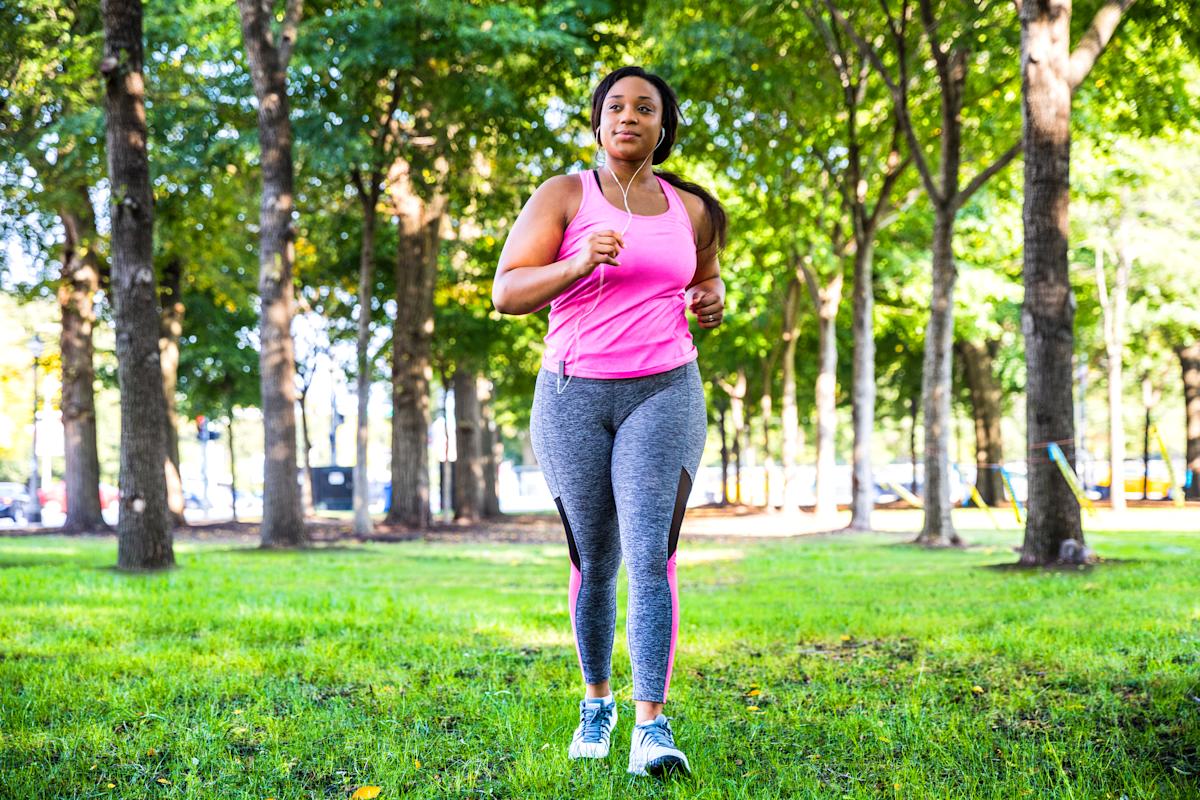
To make walking workouts more effective, increase pace, incorporate interval training, add distance gradually, use weighted vests instead of hand weights, and walk on inclines or hills to boost intensity and health benefits.

Experts recommend simple, affordable fitness items like resistance bands, weighted vests, mini stair steppers, walking pads, supportive shoes, foam balance pads, adjustable dumbbells, and pickleball paddles to improve bone density and reduce fracture risk, emphasizing the importance of impact, resistance, and balance exercises for bone health.
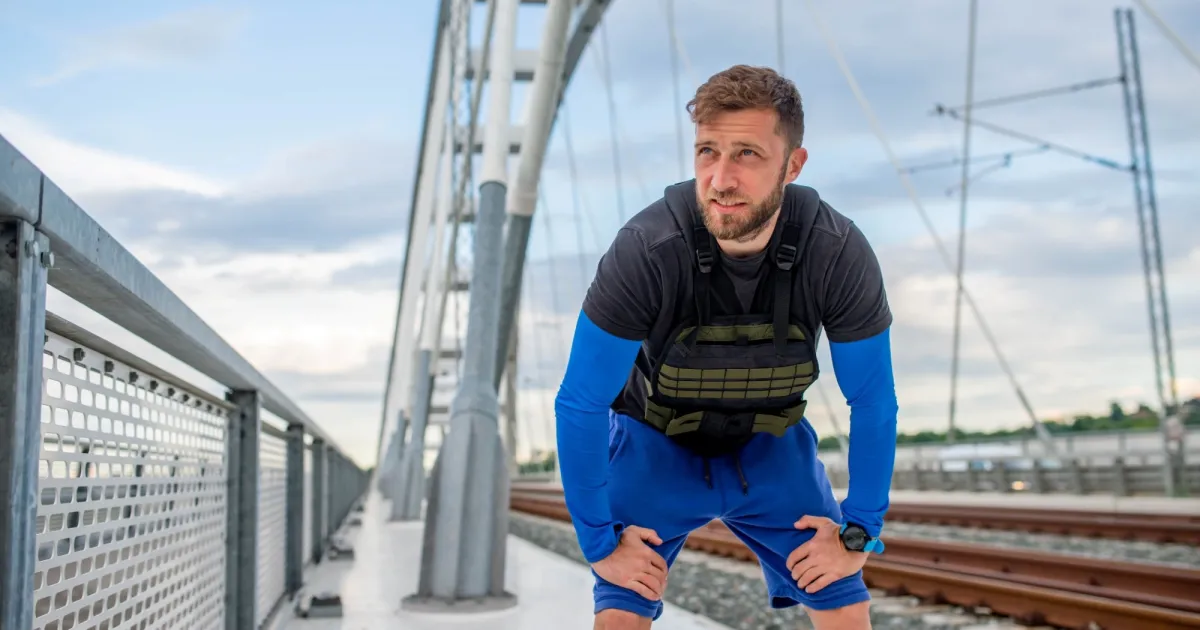
A recent study published in The Lancet explored the effects of wearing weighted vests on body fat reduction. Researchers found that participants with mild obesity who wore 11kg weighted vests for eight hours daily over three weeks lost an average of 2.9 lbs, primarily from fat, without losing muscle mass. This suggests that heavier loads can increase energy expenditure and aid in weight and fat loss. The study highlights the potential benefits of incorporating weighted vests or rucksacks into daily activities or exercise routines to enhance fat loss.

Walking with a weighted vest can enhance your workout by increasing intensity, burning more calories, and building muscle strength and endurance. Experts recommend starting with a lighter weight and ensuring the vest fits properly to avoid injury. Alternatives like weighted backpacks can also be effective. However, it's crucial to progress gradually and consult a medical provider if you have pre-existing health conditions.