Tag

Weather Phenomena

All articles tagged with #weather phenomena

science1 year ago

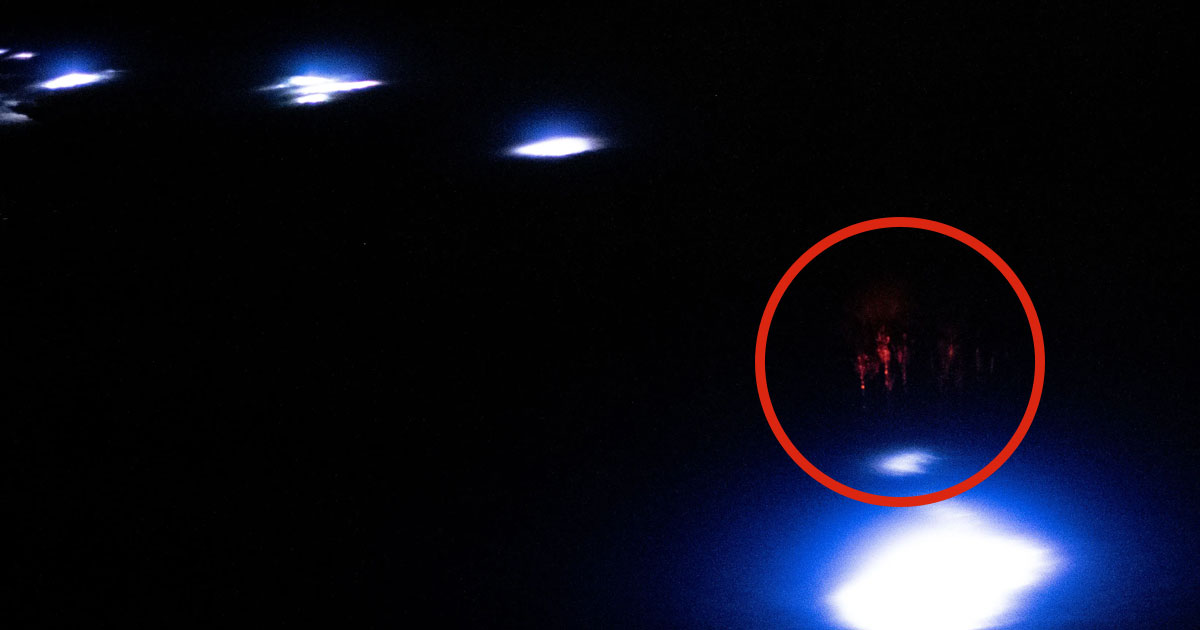
Astronaut Captures Mysterious Glowing Orbs from Space Station

NASA astronaut Matthew Dominick captured images of mysterious blue orbs and red sparks from the International Space Station, which are identified as lightning strikes and rare weather events called "red sprites." These phenomena, related to powerful lightning events, are still not fully understood and are part of NASA's "Spritacular" citizen science project to crowdsource images of sprites.

science1 year ago

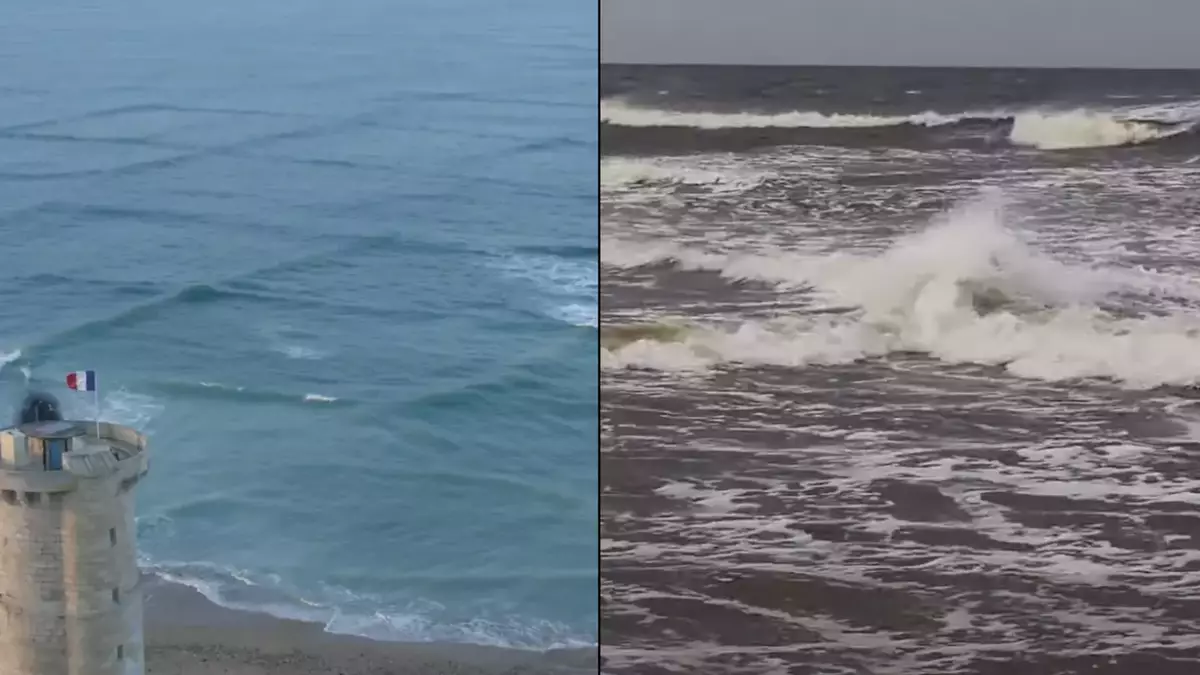
"Rare Footage Captures Dangerous 'Square Waves' Prompting Immediate Sea Evacuation"

Rare footage captured by cameraman Razvan Fiat shows the dangerous phenomenon of square waves, which can be life-threatening to swimmers. These nonparallel waves, formed when strong weather patterns collide, can reach up to 10 feet in height within minutes and are associated with riptides. Swimmers and surfers are advised to evacuate the water immediately upon spotting square waves, as they have been responsible for shipwrecks and pose a significant threat.

science-and-nature1 year ago

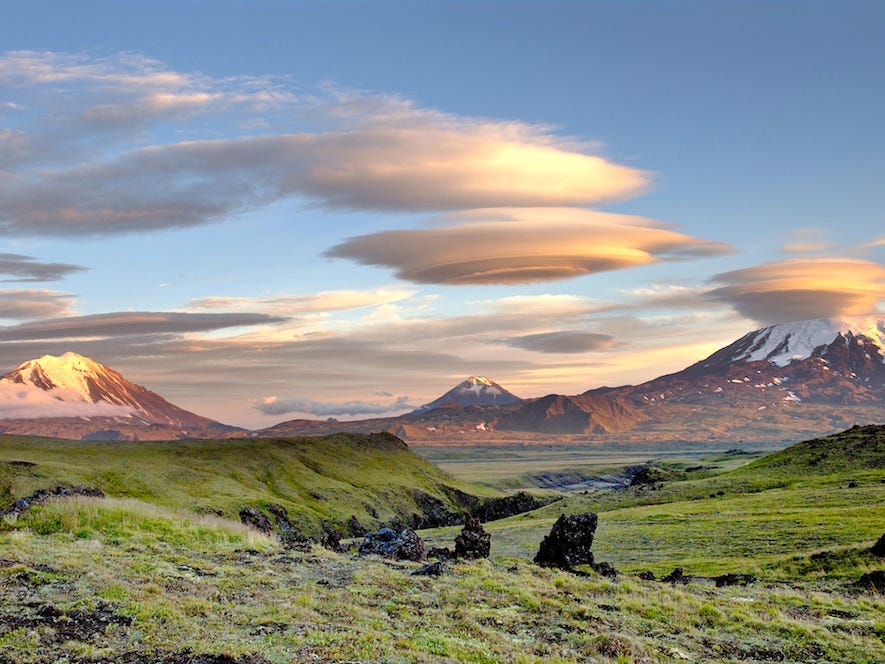
"Understanding Cloud Cover: Deciphering Atmospheric Holes"

Cavum clouds, also known as hole-punch clouds, are caused by airplanes moving through supercooled altocumulus clouds, leading to the formation of ice crystals and the creation of distinctive voids in the cloud layer. Studies led by University Corporation for Atmospheric Research (UCAR) scientists in 2010 and 2011 provided a comprehensive explanation for these phenomena, dispelling otherworldly theories. Factors such as aircraft type, angle of passage through the clouds, cloud thickness, air temperature, and wind shear can affect the size and duration of these unique cloud formations.

natural-disasters2 years ago

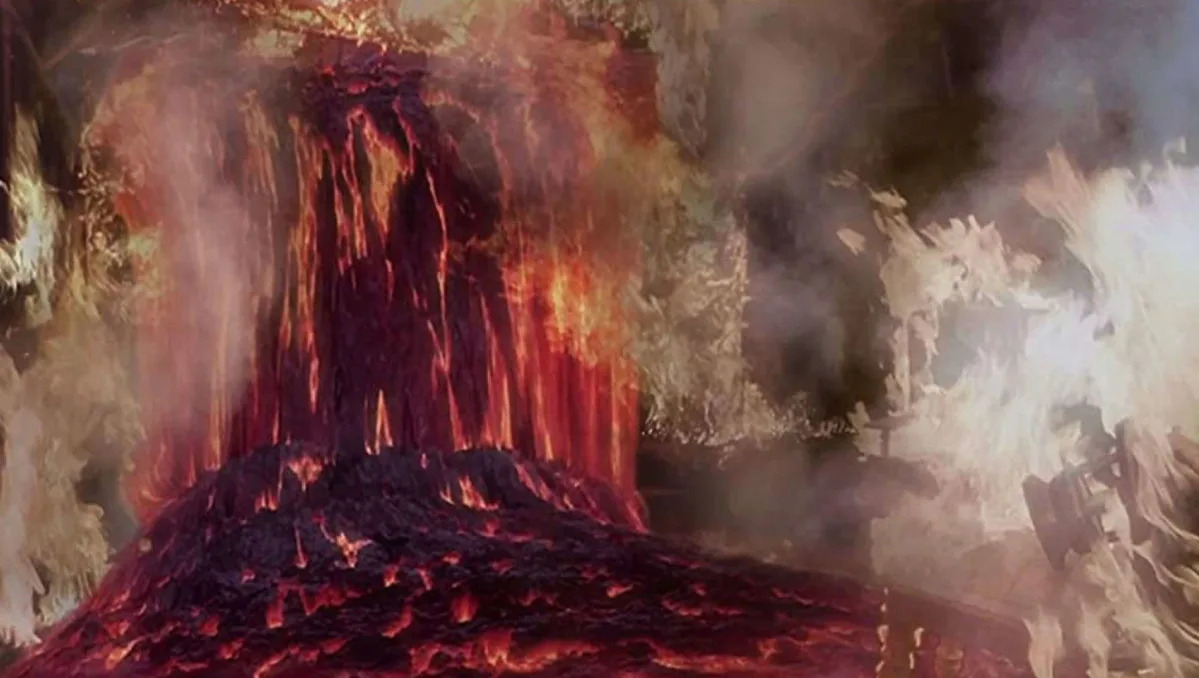
"Unprecedented Lightning Storm Unleashed by Volcanic Eruption"

The eruption of the underwater volcano Hunga Tonga-Hunga Ha'apai triggered the most intense lightning storm ever recorded, according to a study published in Geophysical Research Letters. The eruption sent millions of tons of ash, dust, and superheated water into the atmosphere, creating an umbrella cloud. Lightning strikes occurred at an unprecedented rate, with approximately 2,600 strikes per minute during the peak. The lightning also occurred at significantly higher altitudes than usual, suggesting that volcanoes can create their own weather systems.