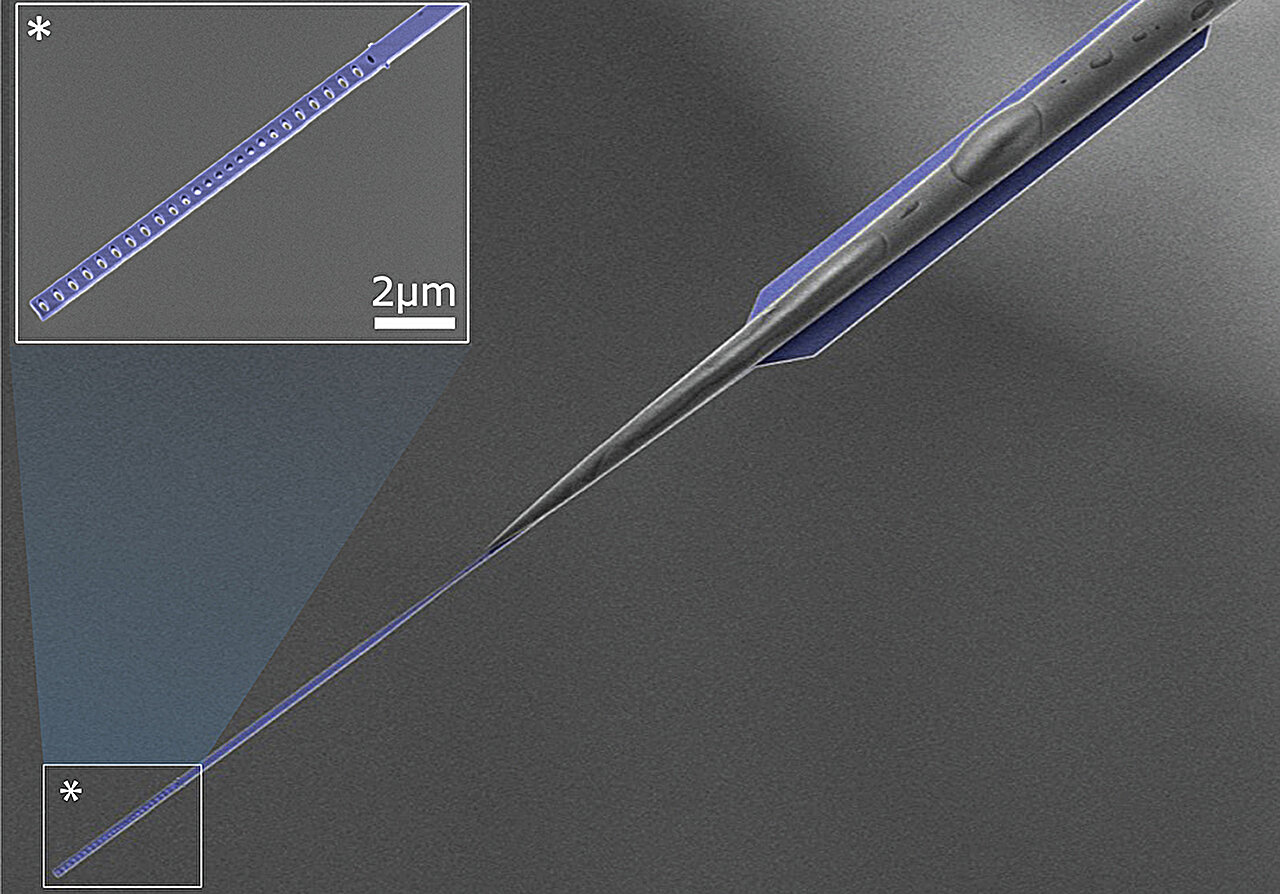
Researchers at the University of Queensland have developed the world's smallest wave tank on a chip, using superfluid helium to observe unique nonlinear wave behaviors, including solitons and shock fronts, with potential applications in understanding complex fluid phenomena and advancing fluid dynamics research.
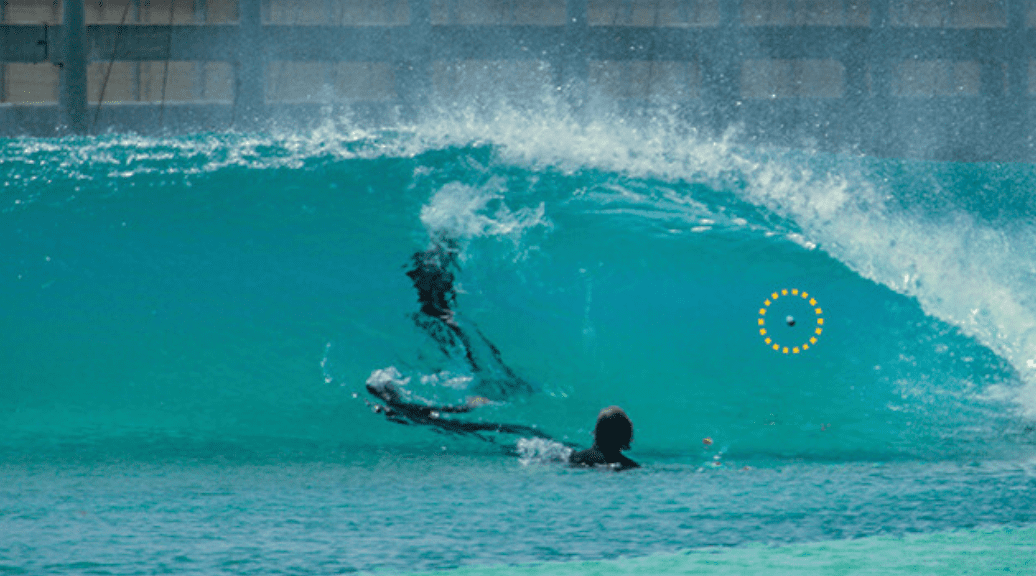
The Scripps Institution of Oceanography has used Kelly Slater's Surf Ranch as a test facility to study wave dynamics and the science behind waves. Researchers from Scripps, Kelly Slater Wave Co., and Naval Postgraduate School used a new instrument called the wavedrifter to make in situ measurements inside waves, providing valuable insights into wave behavior and the intense accelerations that occur when waves overturn. The study also explored the complex vortex structures created when waves break, which have implications for coastal engineering and shoreline changes. The implementation of the wavedrifter in coastal environments can contribute to better coastal planning and beach management.