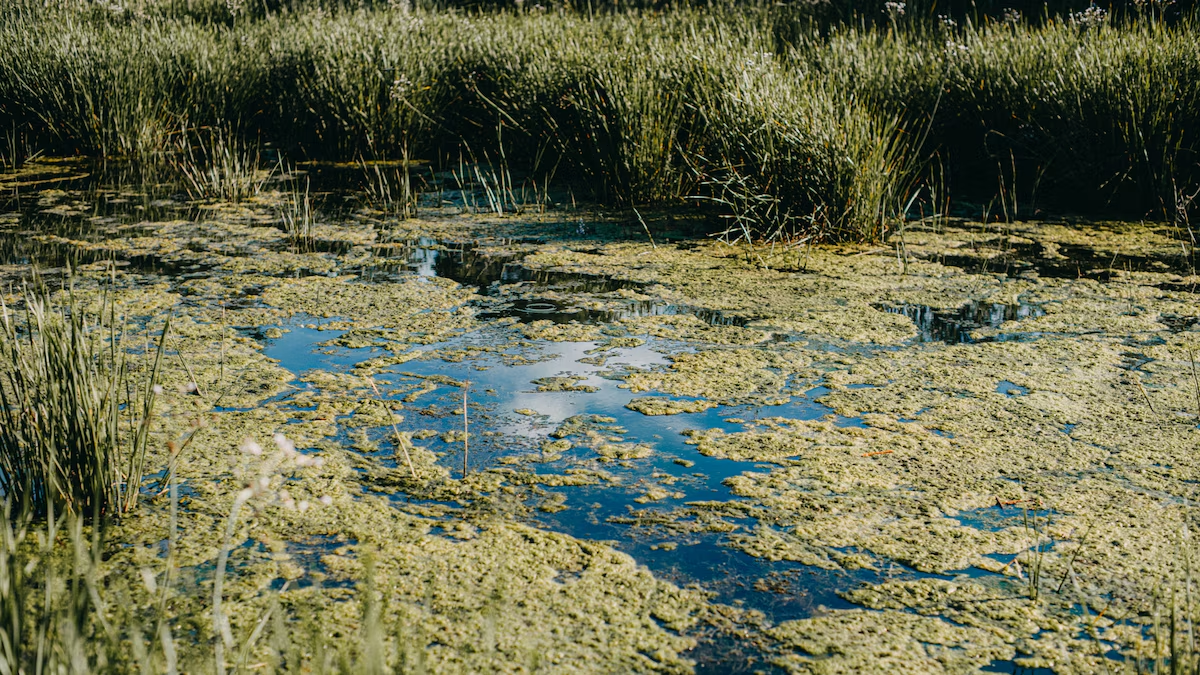
Climate change is increasing the prevalence of flesh-eating bacteria like Vibrio vulnificus in warmer, brackish waters, leading to more infections, especially as global temperatures rise and people spend more time in water, with vulnerable populations at higher risk. The rise in sea temperatures and extreme weather events are contributing to the spread and severity of waterborne pathogens, posing growing health risks.

A CDC report highlights health concerns associated with public splash pads, which have been linked to 60 waterborne disease outbreaks in the US since 1997, primarily due to fecal contamination from young children. Despite filtration and chlorination efforts, Cryptosporidium, a parasite causing gastrointestinal illness, remains a significant threat. The report suggests preventive measures like avoiding splash pads when ill, not swallowing water, and frequent diaper checks to reduce outbreaks. These recommendations aim to ensure safe enjoyment of splash pads, especially in marginalized communities.
The CDC has issued a warning about splash pads after a report found over 10,000 infections and 150 hospitalizations linked to these recreational areas from 1997 to 2022. The outbreaks, primarily caused by Cryptosporidium, are often due to fecal contamination from children's diapers. Despite chlorine use, the design of splash pads can reduce its effectiveness. The CDC advises avoiding splash pads for two weeks after diarrhea and recommends regular bathroom breaks and diaper checks to prevent disease spread.
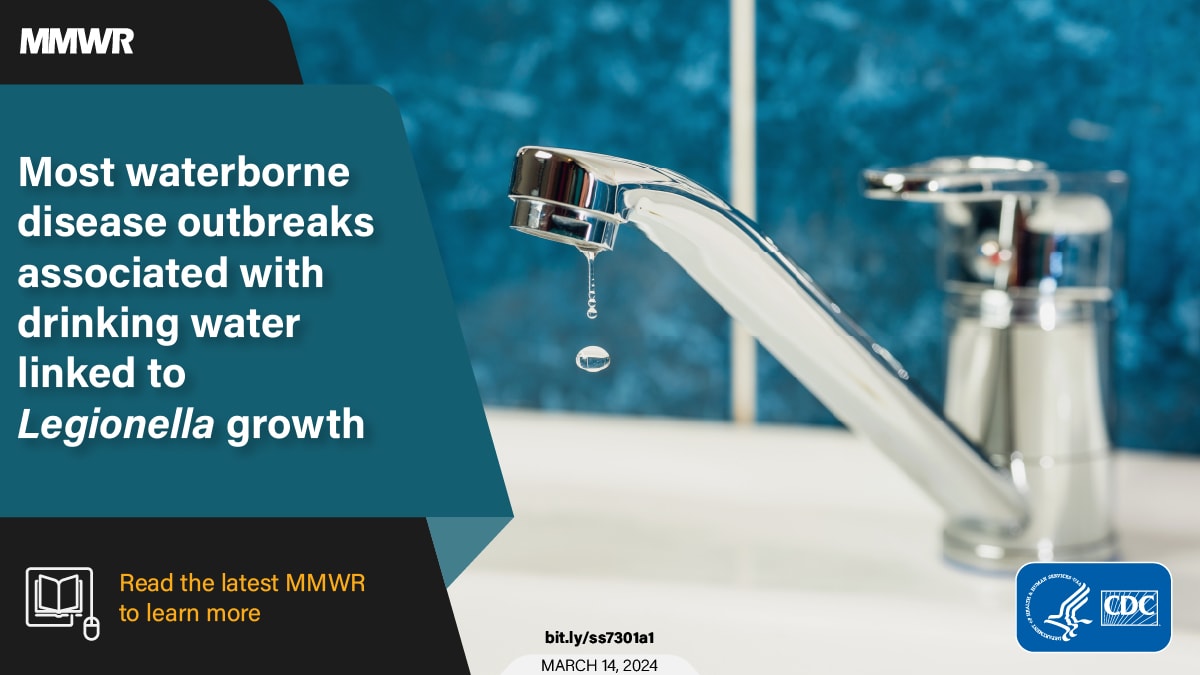
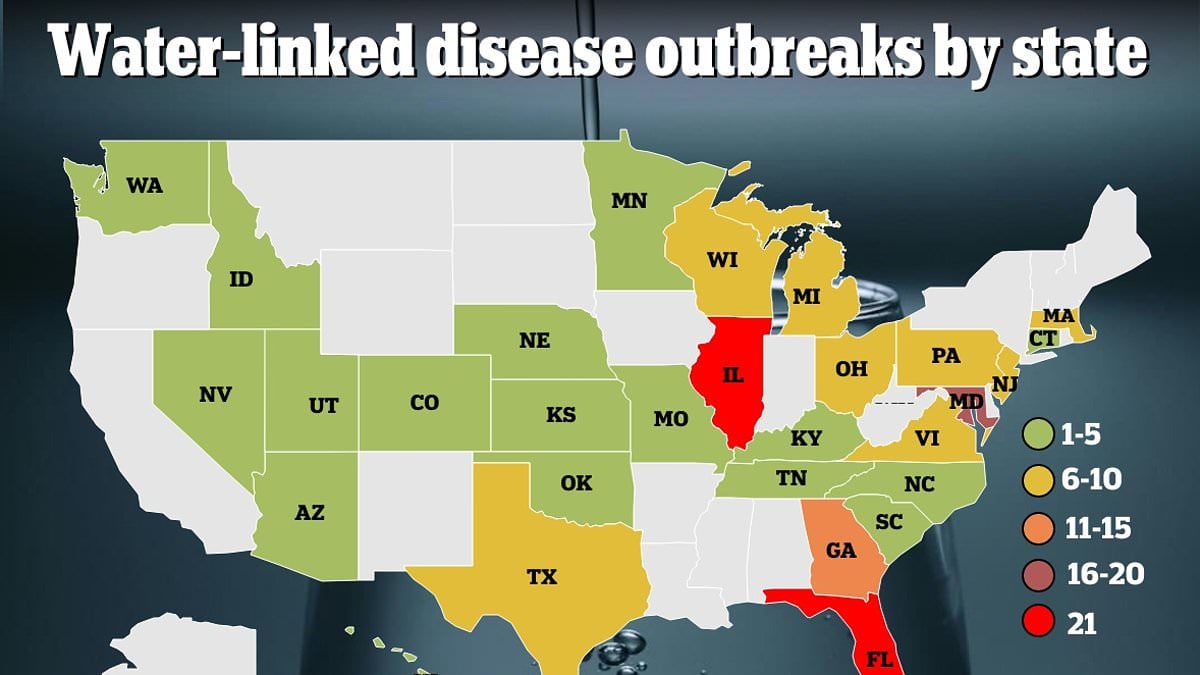
Public health agencies in the U.S. voluntarily report waterborne disease outbreaks to CDC through the National Outbreak Reporting System (NORS). From 2015 to 2020, 214 drinking water-associated outbreaks were reported, resulting in at least 2,140 cases of illness, 563 hospitalizations, and 88 deaths. Legionella was the leading cause of outbreaks, hospitalizations, and deaths, particularly in community and noncommunity water systems, health care facilities, and private residences. Biofilm-associated pathogens, including Legionella and nontuberculous mycobacteria, emerged as predominant causes of hospitalizations and deaths from waterborne and drinking water-related diseases. Public health surveillance and prevention programs are crucial in reducing the risk of waterborne diseases.
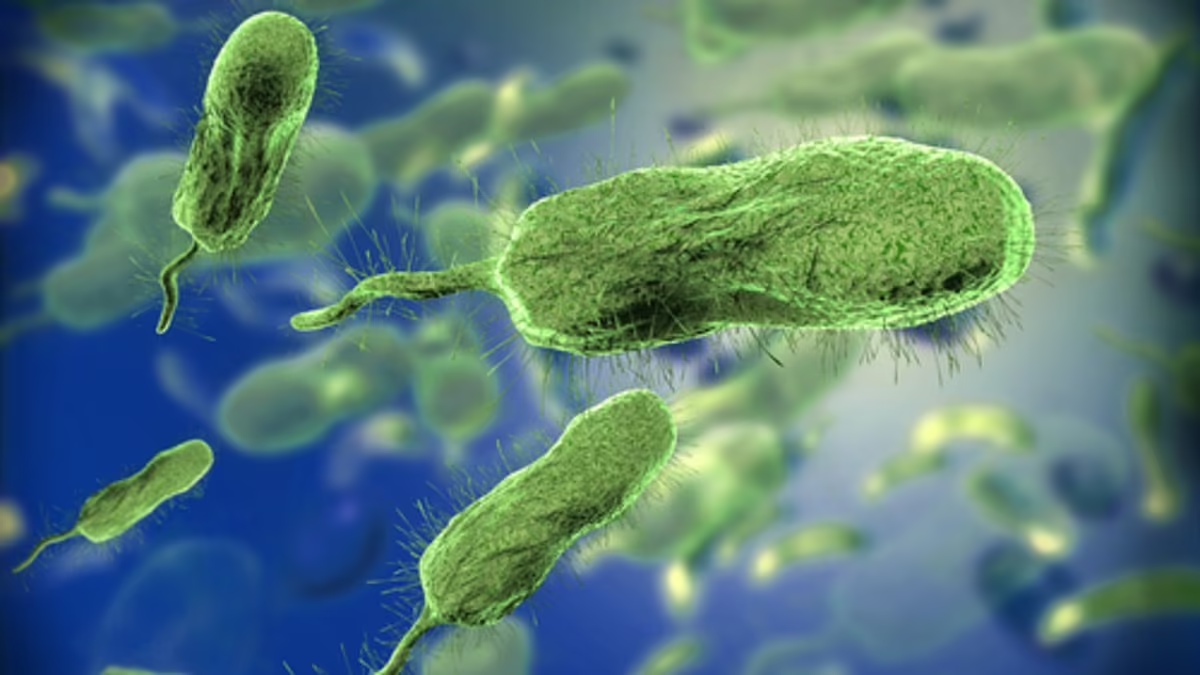
A new CDC report warns of a deadly waterborne disease problem in the US, with Legionella bacteria causing 184 outbreaks from 2015 to 2020, resulting in 786 illnesses, 544 hospitalizations, and 86 deaths. Most outbreaks were linked to public water systems, and Legionella-associated outbreaks continued to increase, particularly in community and noncommunity water systems. The bacteria spreads through contaminated aerosols from water systems, causing potentially fatal pneumonia or less serious illness. The report highlights the need for improved detection and prevention measures, as well as the importance of early antibiotic treatment for survival.
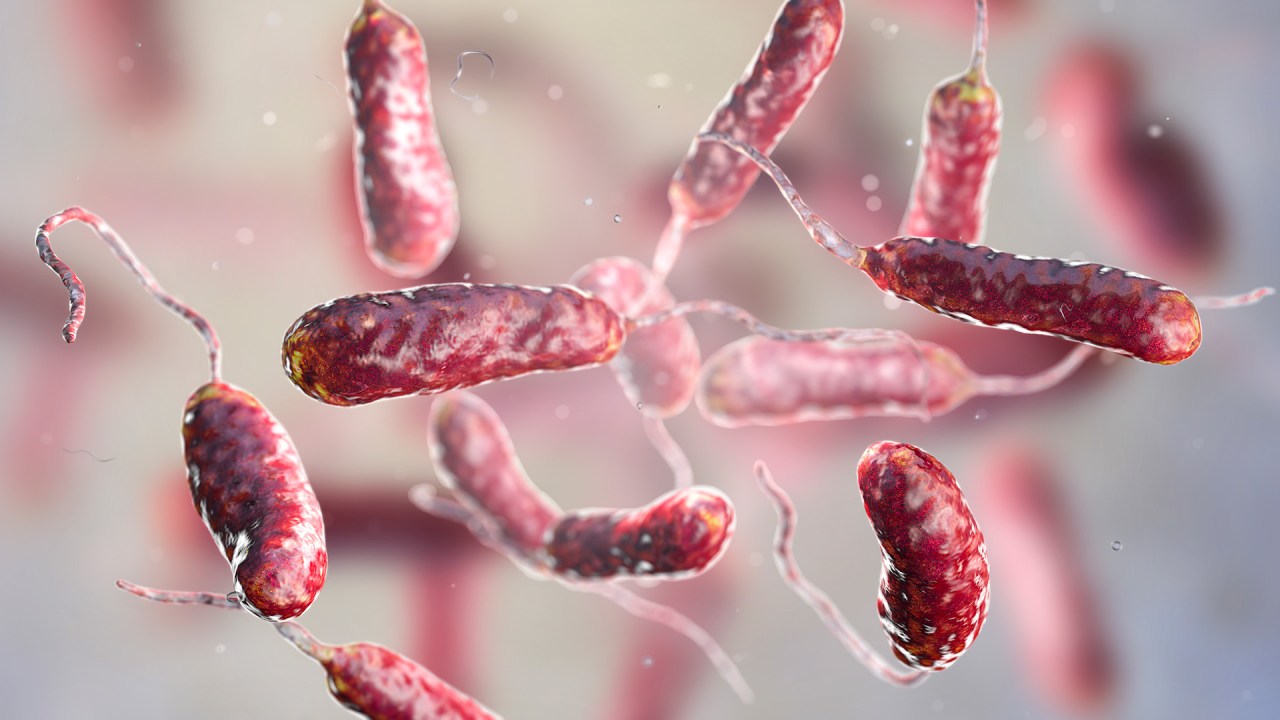
Cases of the deadly flesh-eating bacterial infection caused by Vibrio vulnificus have doubled on the East Coast of the US compared to 2022, with rising water temperatures attributed to climate change being a contributing factor. The bacteria, which enters the body through cuts and grazes, can cause tissue death and deadly blood infections, with about one in three infections proving fatal. The CDC report examined data from North Carolina, New York, and Connecticut, finding that most infected patients were elderly and had underlying health conditions. Experts advise avoiding contact with brackish water, salt water, and raw seafood, and thoroughly cooking seafood to prevent infection, especially for those with underlying health conditions.
Health organizations are warning of an imminent public health crisis in the Gaza Strip, as disruptions to health and water systems are increasing the risk of disease outbreaks. The lack of access to safe water and sanitation, along with the closure of primary health facilities, has created conditions for the spread of waterborne illnesses such as cholera and typhoid. The World Health Organization (WHO) has reported a significant increase in bacterial infections, including diarrhea, affecting thousands of people. With overcrowded health facilities and shelters, the risk of infectious disease transmission is high. Both the WHO and the International Rescue Committee (IRC) are calling for a humanitarian cease-fire to allow aid into the strip.
Health officials are warning Americans about a rise in cases of a rare flesh-eating bacteria, Vibrio vulnificus, which has caused at least a dozen deaths across the U.S. this year. The bacteria thrives in warm waters where rivers and ocean water mix, and can enter the body through open cuts or wounds, as well as through the consumption of raw seafood. Experts predict that the number of infections and deaths caused by this bacteria will continue to increase.