The article highlights various critical issues on the brink of collapse, including ecosystems like the Salish Sea's salmon populations, water shortages due to droughts, aging infrastructure, societal systems such as education and the economy, and broader concerns like climate change, AI's impact on critical thinking, and insect extinction, emphasizing that these problems are often overlooked despite their severity.
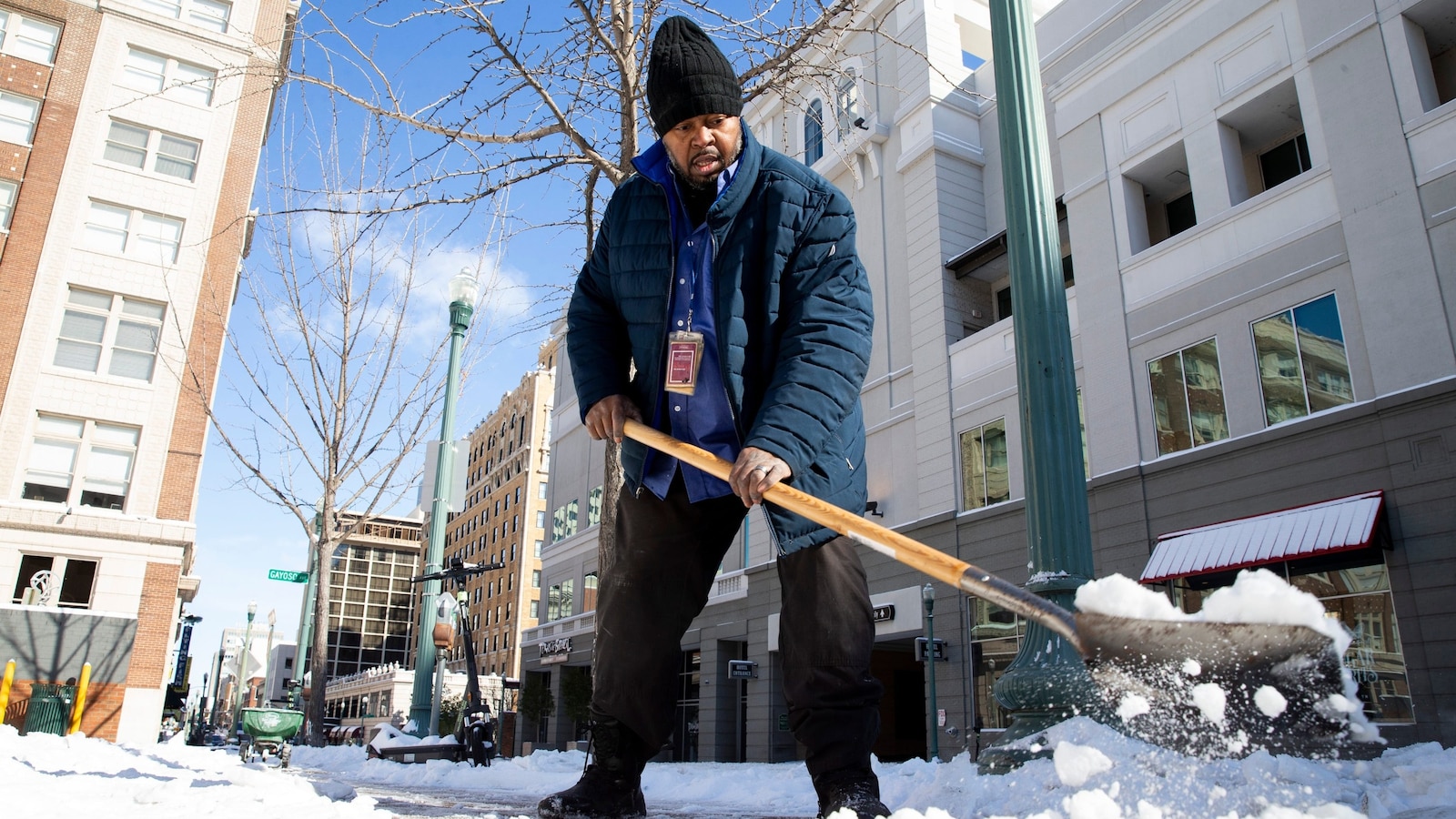
Memphis residents are enduring a fourth day under a boil water notice due to broken pipes caused by sub-freezing temperatures, snow, and ice. Repair crews are working to restore water service, with the utility CEO expecting most customers to have water restored by Tuesday. The Tennessee Valley Authority has asked 10 million people to conserve energy to avoid blackouts. Water shortages and operational issues are also reported in other Tennessee counties and Arkansas due to the winter storm.
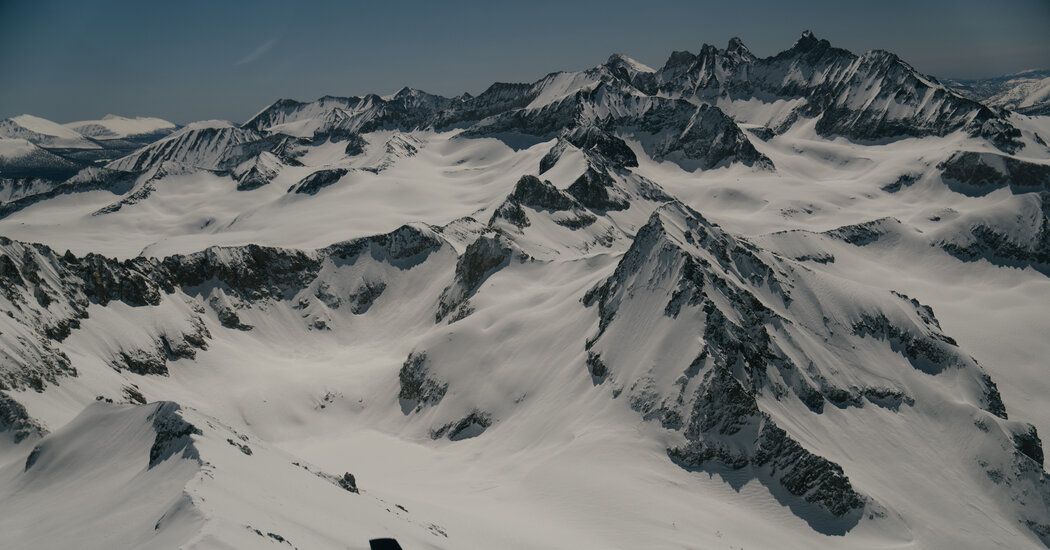
A new study confirms that human-caused climate change has led to significant declines in snowpack across the Northern Hemisphere, with at least 31 river basins experiencing clear decreases. Researchers found that when a region warms to an average temperature of 17 degrees Fahrenheit over the whole winter, it reaches a tipping point where snow starts to melt away quickly. This decline in snowpack has far-reaching consequences, including water shortages and impacts on industries like skiing.
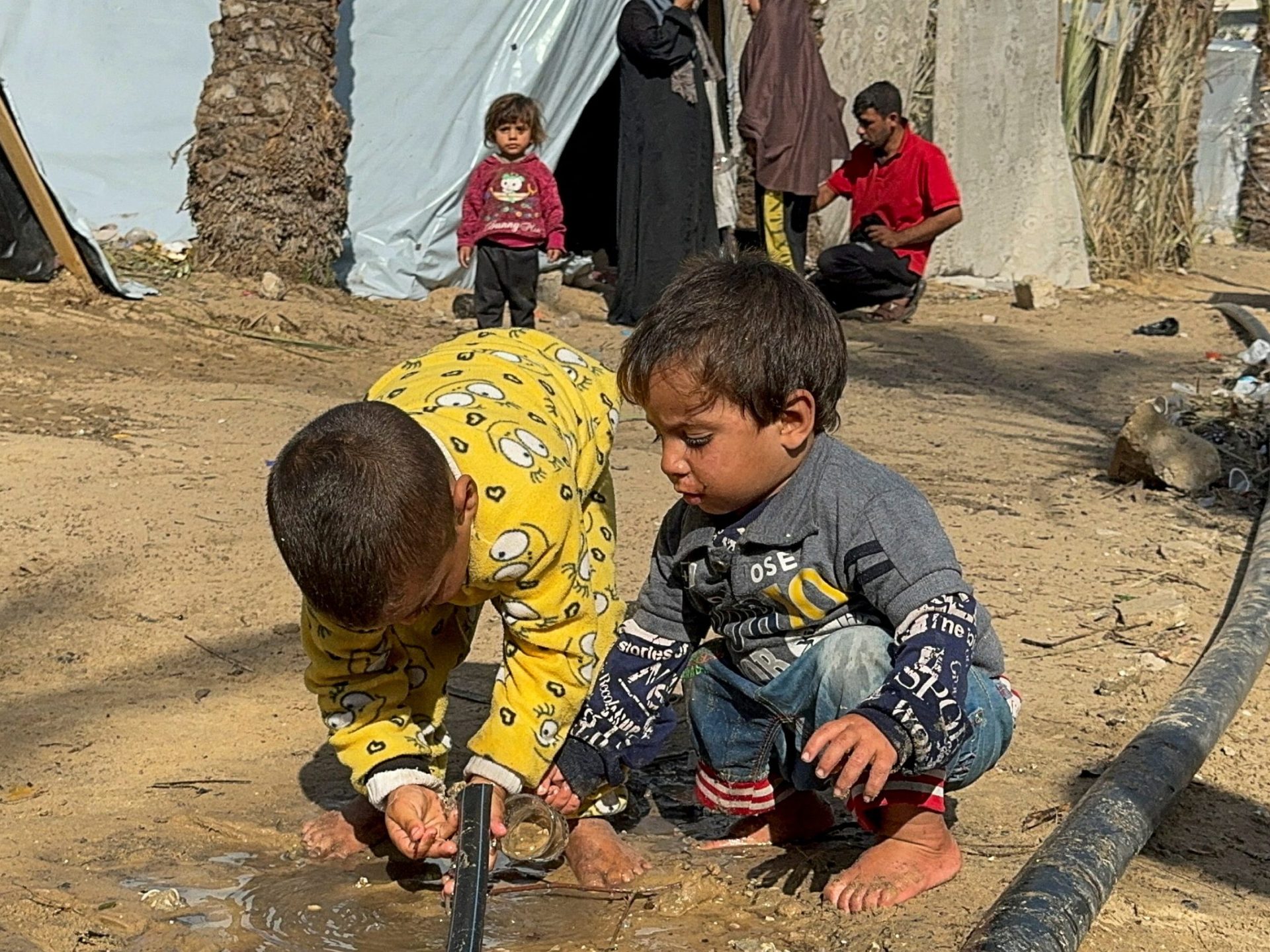
UNICEF warns that limited access to clean water and sanitation in Gaza, exacerbated by Israel's bombardment and destruction of infrastructure, poses a grave risk to children. Displaced people in the southern Gaza Strip are accessing only 1.5 to 2 liters of water per day, well below the recommended requirement for survival. The crisis puts vulnerable children at risk of disease, with unsafe water and lack of hygiene being a significant risk factor. Humanitarian aid deliveries are insufficient, and the damaged water systems urgently need repair to prevent further deterioration. Cases of diarrhoea and other diseases have been increasing, with the health system and other services in Gaza near collapse.
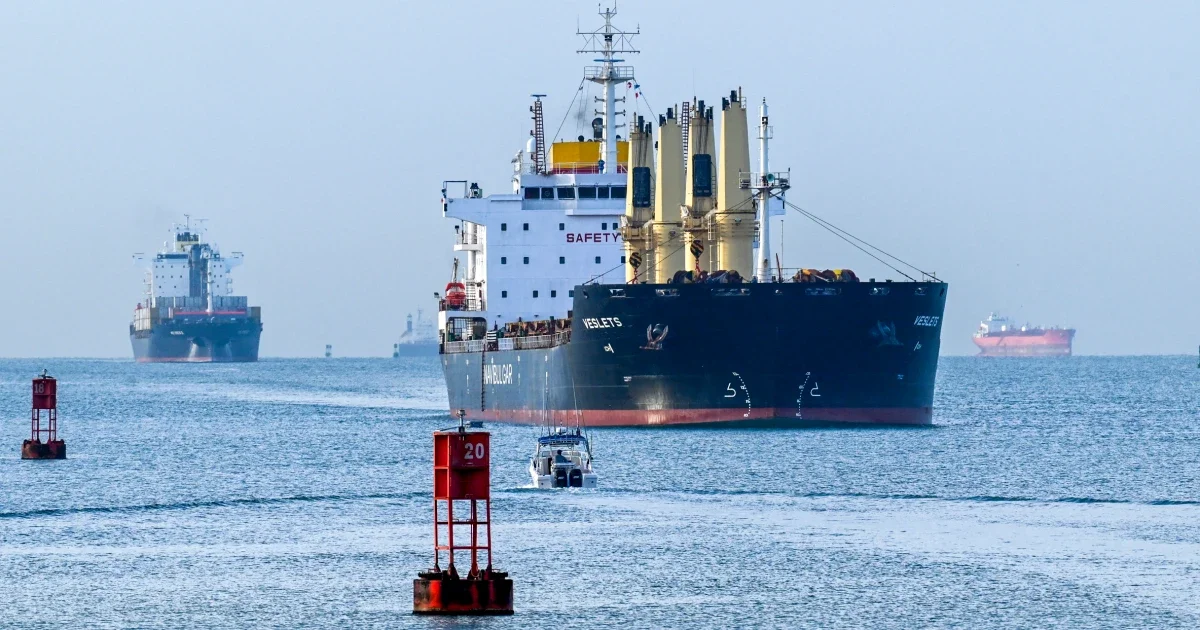
Major shipping routes, including the Panama Canal and the Rhine River, are facing water shortages due to climate-driven extreme weather events. The onset of El Niño is expected to worsen the situation, potentially leading to more severe droughts in 2024. The restrictions on the Panama Canal have caused a backlog of ships, highlighting the vulnerability of global shipping and supply chains. Analysts warn that climate-related disruptions could increase, posing risks to food security and regional economies. The impacts of extreme weather events on major waterways emphasize the need to understand and address the vulnerabilities of maritime chokepoints in the face of the climate crisis.
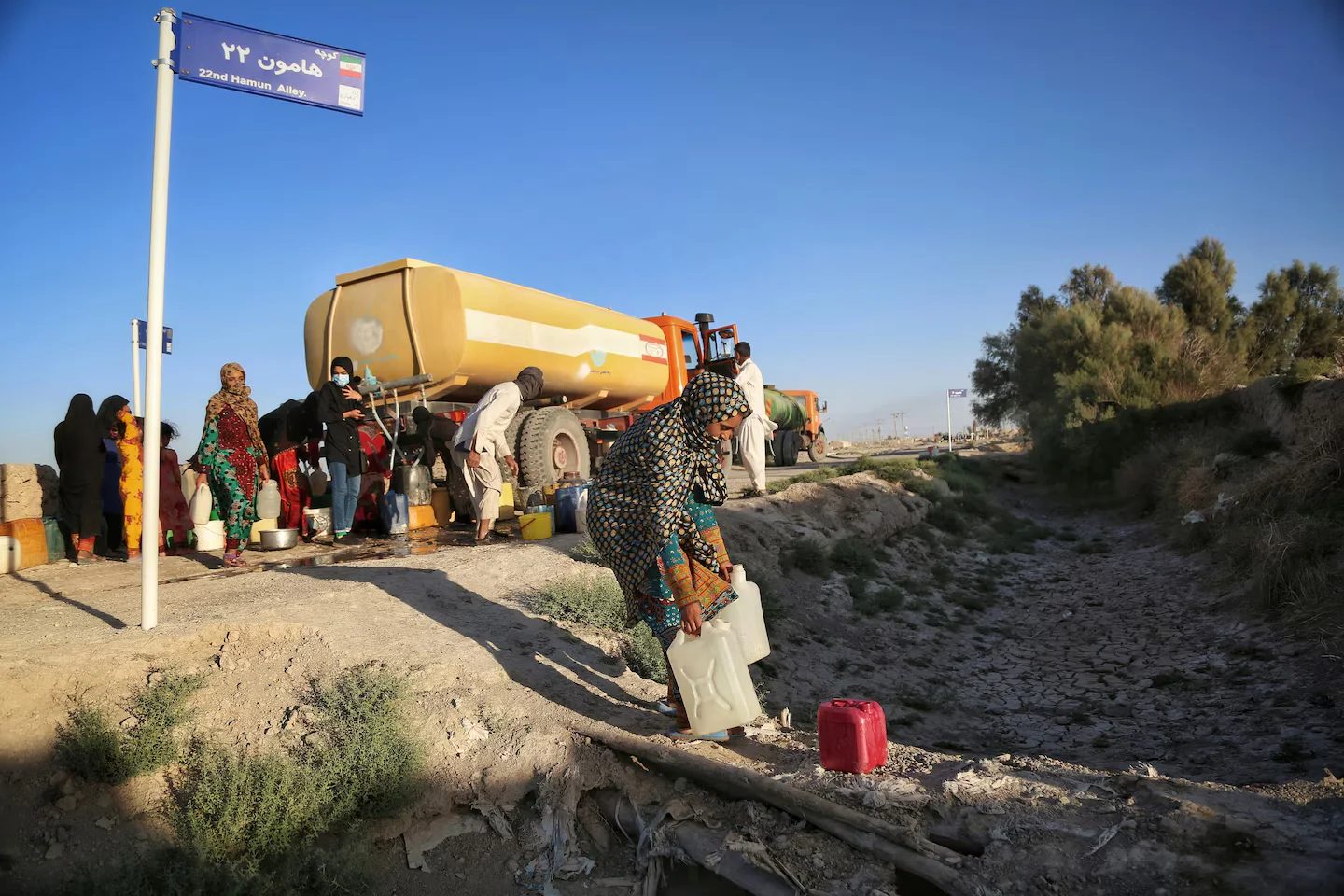
Iran is facing severe water shortages exacerbated by climate change and decades of mismanagement. The country's heat wave and humidity have led to record-breaking heat index values, while dust storms have ravaged water-starved regions. The government has shifted blame to the Taliban, floods, fallen rocks, and citizens' consumption, but experts say the crisis is a result of unsustainable agricultural practices and the depletion of groundwater reserves. The water shortages have sparked protests and confrontations, posing a threat to the government's authority. As the situation worsens, residents are left without running water, leading to discontent and concerns about the future.
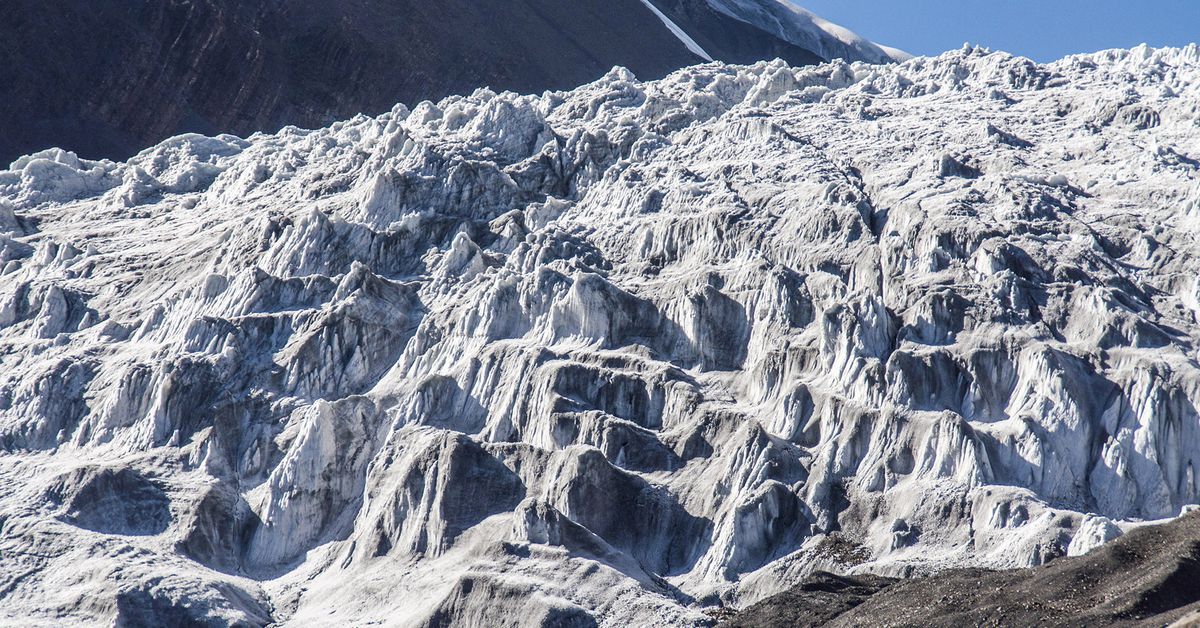
Glaciers in the Hindu Kush Himalaya region could lose up to 75% of their volume by 2100 due to global warming, causing dangerous flooding and water shortages for the 240 million people who live in the mountainous region, according to a new report. The glaciers shed ice as much as 65% faster during the 2010s than in the preceding decade. At 1.5 degrees Celsius or 2C of warming above preindustrial temperatures, glaciers across the entire region will lose 30% to 50% of their volume by 2100.