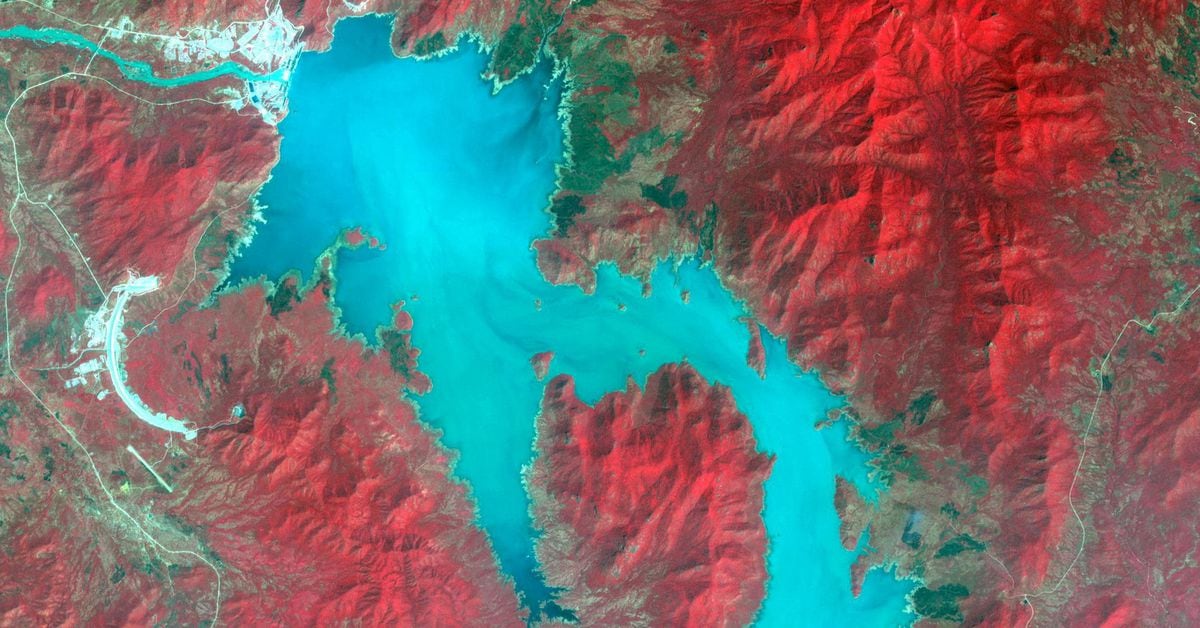
Ethiopia is set to open Africa's largest hydroelectric dam, the GERD, despite warnings from Sudan and Egypt about potential impacts on Nile water supplies, raising regional tensions over water security and cooperation.
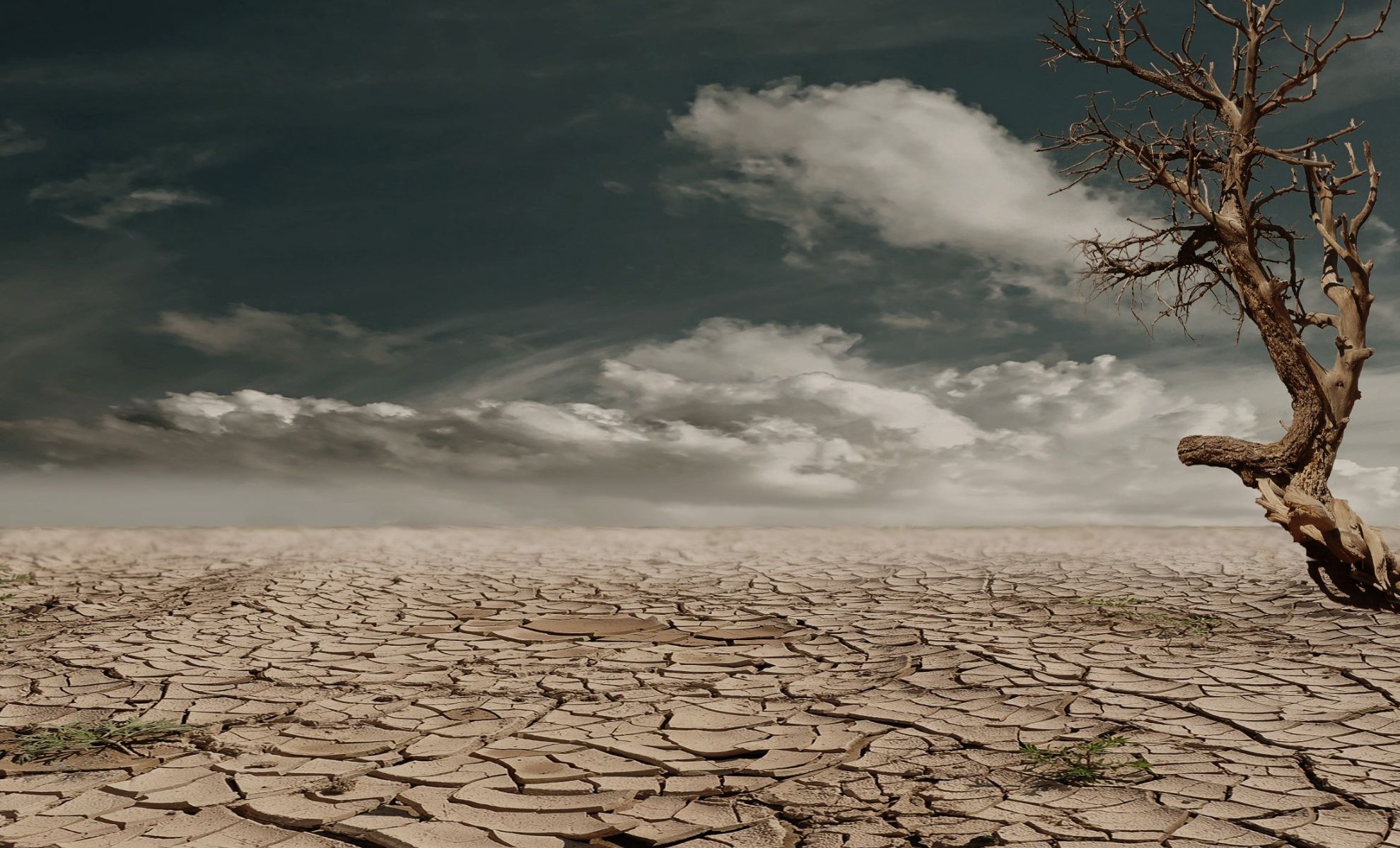
A new study warns that rising global temperatures could cause irreversible shifts in rainfall patterns, particularly affecting the intertropical convergence zone (ITCZ), which may lead to severe water disruptions for nearly 2 billion people and threaten ecosystems, agriculture, and water supplies worldwide. Immediate action to reduce greenhouse gas emissions is crucial to prevent these long-term impacts.
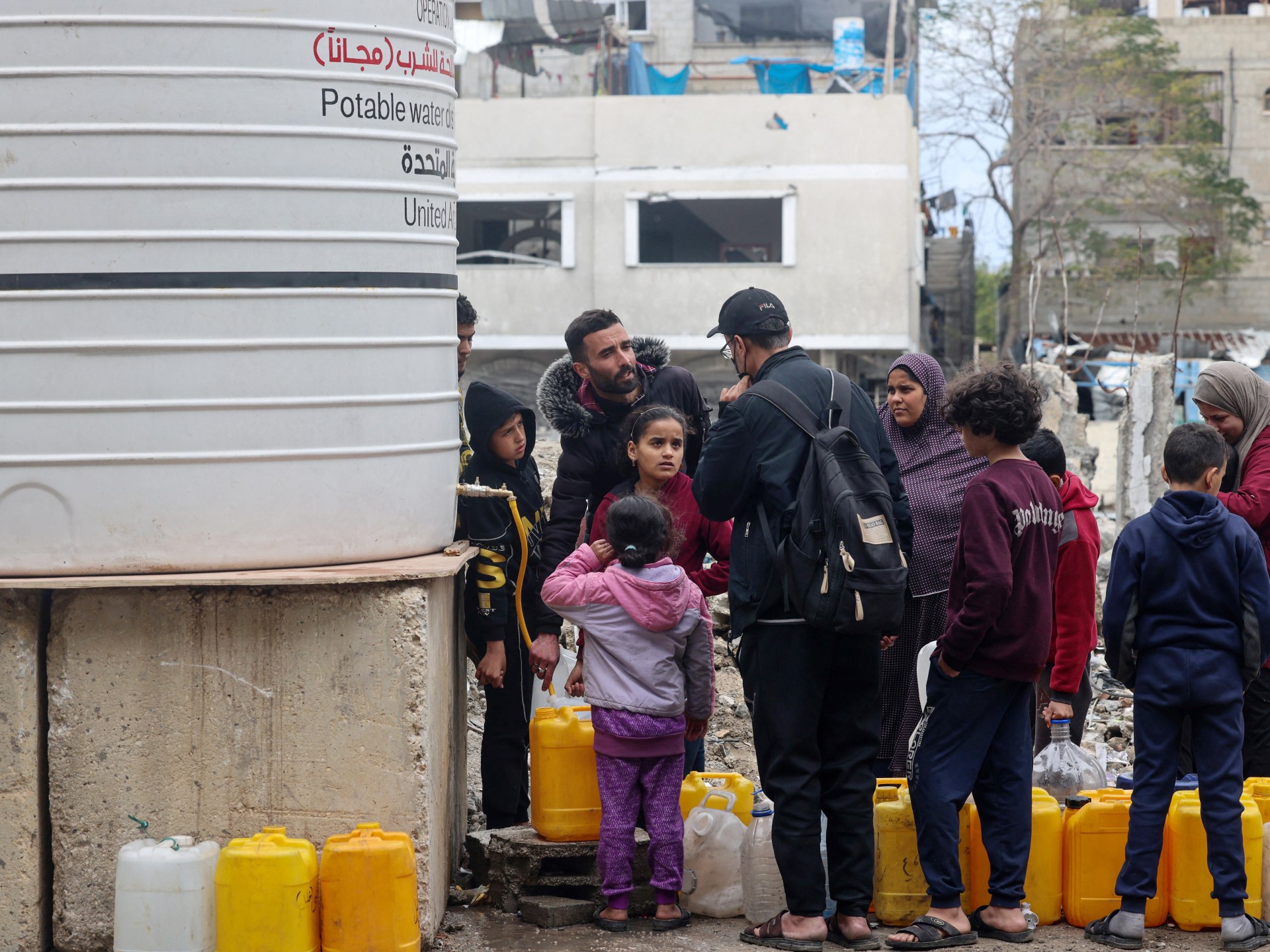
Israel has confirmed pumping seawater into Gaza's tunnels, a move that could violate international law and have dire consequences for the enclave's freshwater supply. Environmental analysts warn that this could damage Gaza's groundwater aquifer, which 2.3 million people depend on, leading to long-term devastation. The region already faces water scarcity and sewage contamination, and the flooding of tunnels could exacerbate these issues. The move has raised concerns about Israel's use of water as a weapon and potential violations of international law, including the UN Genocide Convention.
Egypt has announced that the latest talks over the Grand Ethiopian Renaissance Dam (GERD) have failed. Egypt expressed concerns about its water and national security and reserved the right to defend itself if any harm occurs. Ethiopia accused Egypt of misrepresenting its positions and having a colonial-era mentality. The dam has been a source of contention as Egypt and Sudan worry about their water supplies from the Nile, while Ethiopia argues for its right to economic development. The meeting failed due to Ethiopia's refusal to accept compromise solutions, according to Egypt, while Ethiopia remains committed to a negotiated settlement.
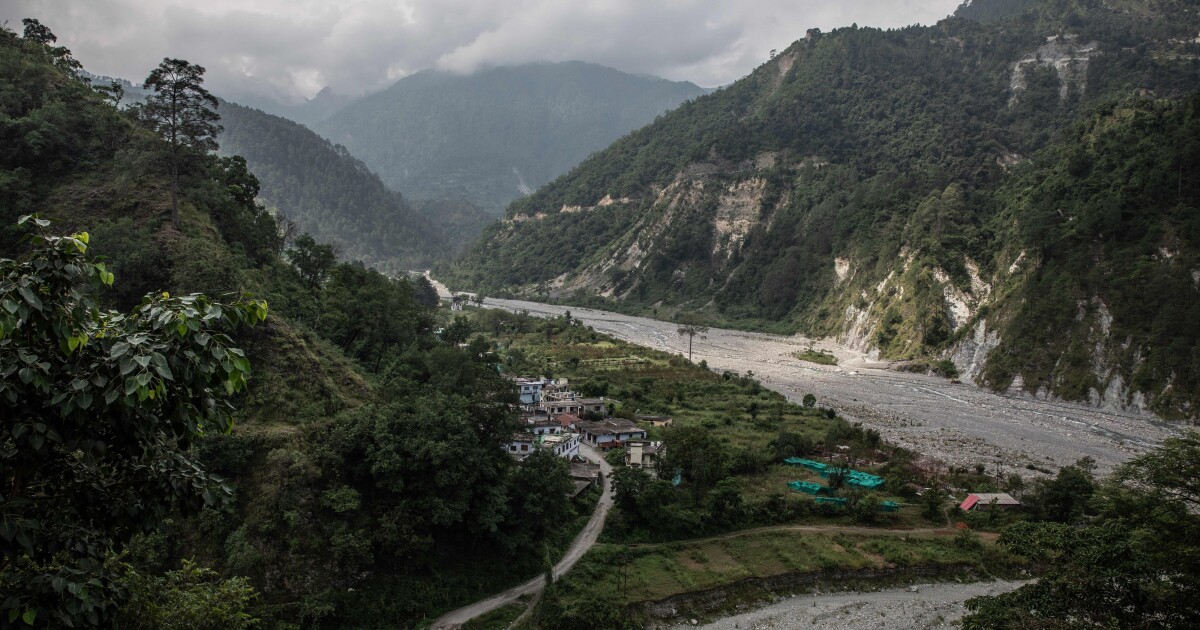
As climate change worsens water scarcity in northern India, villagers in the Himalayan foothills are working to revive their springs, which provide a vital source of water for millions of people. With the help of a development organization, local women are forming water user committees and conducting hydrogeological surveys to identify catchment areas and implement measures to slow down and trap rainwater, such as digging trenches and percolation pits. These efforts have led to noticeable improvements in water availability and have relieved the burden on women who previously had to travel long distances to fetch water.