Tag

Wasp 76b

All articles tagged with #wasp 76b

astronomy1 year ago

"First-Ever Sighting of Rainbow-like 'Glory' on Scorching Exoplanet"

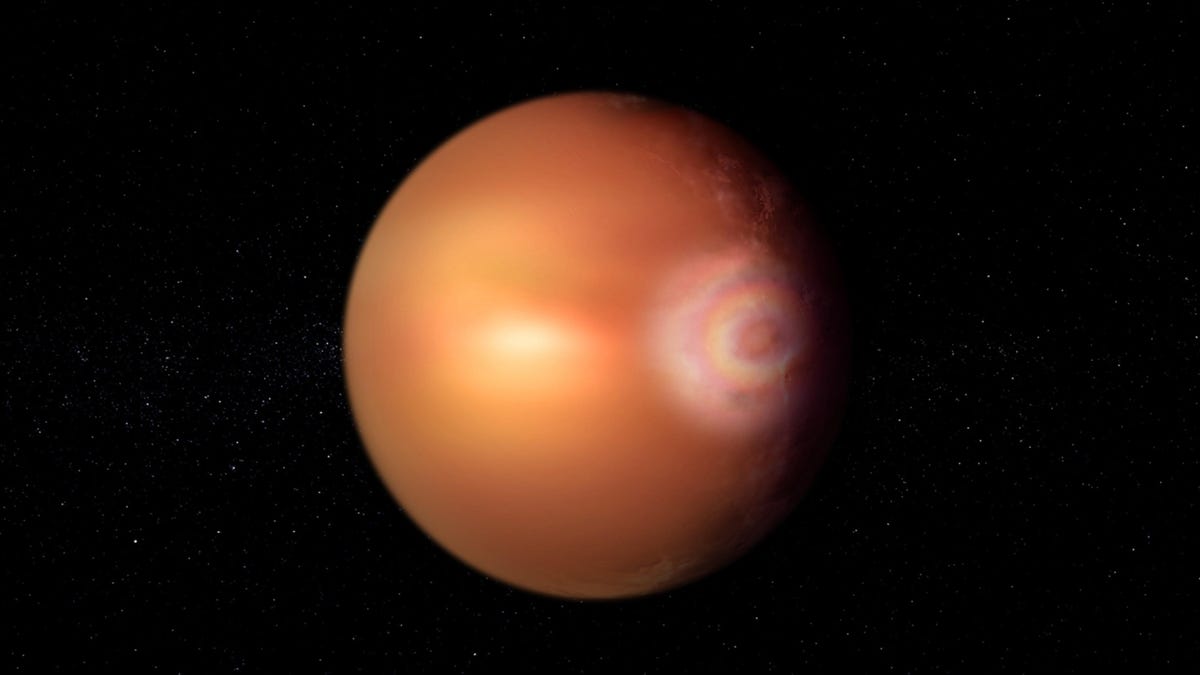
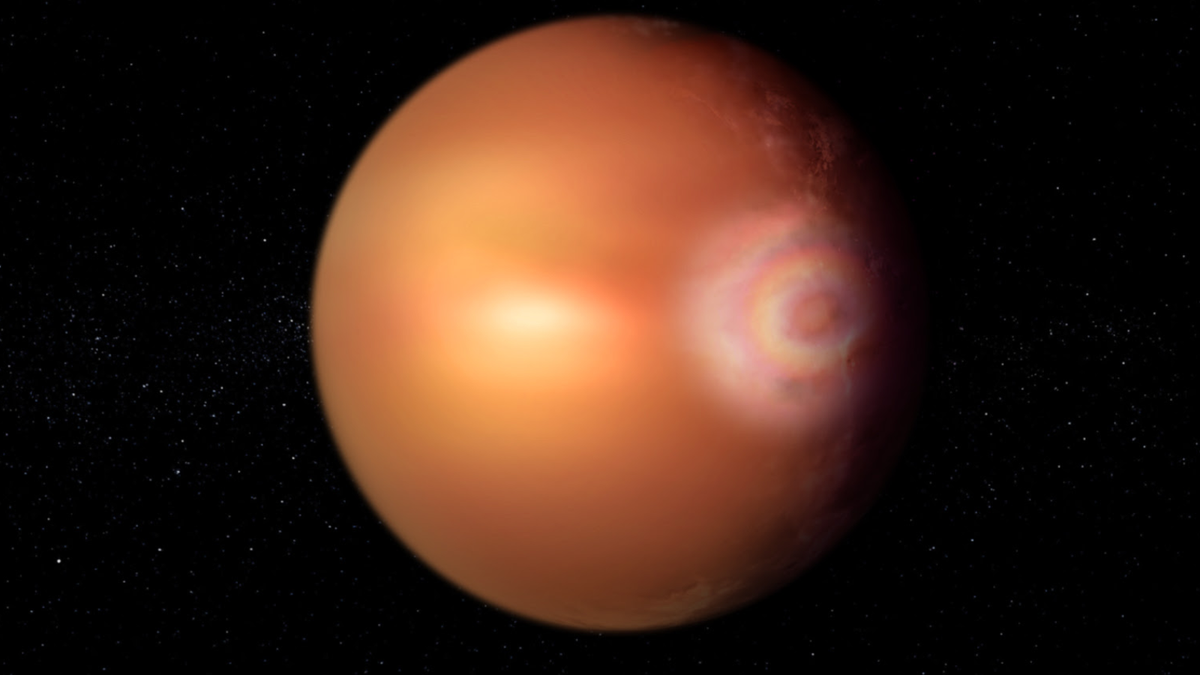
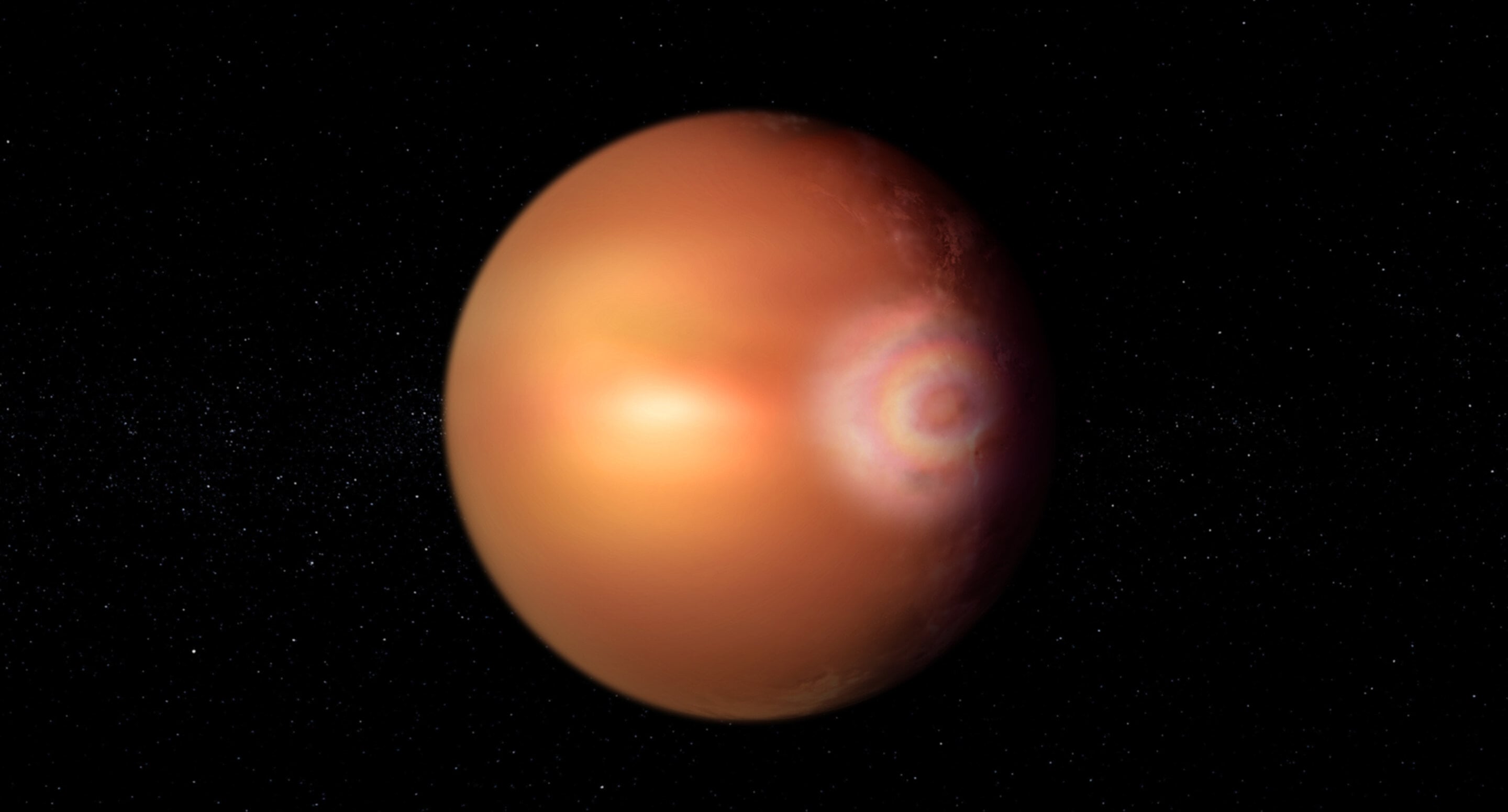
Astronomers have observed a rainbow-like "glory effect" on the ultra-hot exoplanet WASP-76b, located 637 light-years from Earth, using the Cheops space telescope. This phenomenon, previously only seen on Venus, consists of concentric rings of light and suggests the presence of persistent clouds with perfectly spherical droplets in the planet's atmosphere. The intense heat and radiation from its host star have caused WASP-76b to puff up to nearly double the size of Jupiter, and the discovery could provide new insights into alien worlds.

astronomy1 year ago

"First-Ever Observation of Mysterious Rainbow-like 'Glory Lights' on Exoplanet"

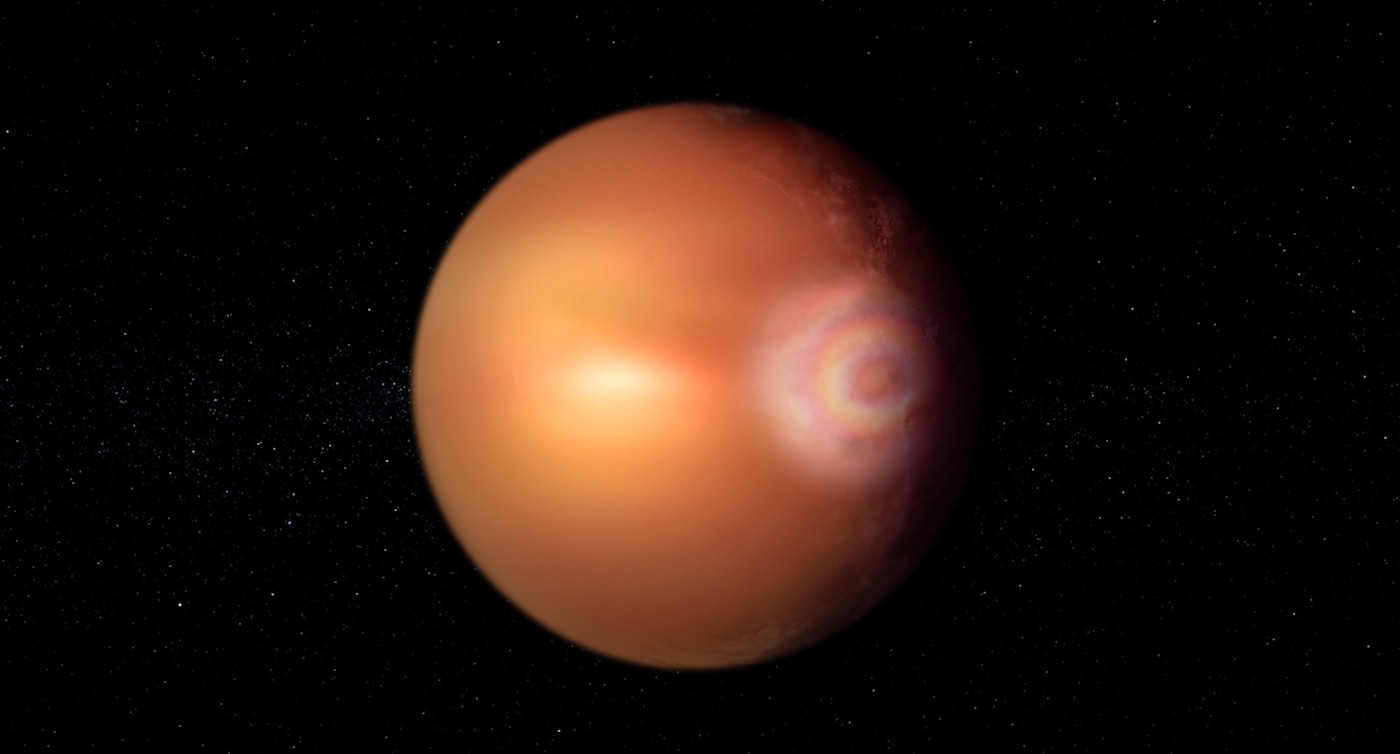
Astronomers have observed the rainbow-like 'glory' effect on a planet outside our solar system for the first time, offering new insights into the potential habitability of distant planets. The phenomenon, seen on a planet called WASP-76b, is caused by concentric rings of light reflecting off clouds made of a uniform substance. This discovery, made using the European Space Agency's Characterizing Exoplanet Satellite, could provide a unique tool for understanding the atmospheres of exoplanets and their potential habitability.

astronomy1 year ago

"Rare Rainbow-Like 'Glory' Effect Discovered on Chaotic Exoplanet"

Astronomers have potentially discovered a rare "glory" phenomenon in the atmosphere of exoplanet WASP-76b, located 637 light-years from Earth. This would be the first time such a rainbow-colored light show has been observed beyond our solar system. The phenomenon, similar to rainbows on Earth, was detected as a bright spot of light on the exoplanet's eastern limb. Further research and confirmation are needed to establish whether this intriguing light is indeed a glory, but if confirmed, it could provide valuable insights into the atmospheres of exoplanets.

astronomy1 year ago

"Rare 'Glory' Effect Observed on Chaotic Alien World with Iron Rain"

The European Space Agency's Cheops satellite has detected signs of a rare optical phenomenon, known as the 'glory effect', on the exoplanet WASP-76b, which is located several hundred light-years away. This phenomenon, previously observed only on Earth and Venus, occurs when light passes through spherical and uniform atmospheric particles, creating a rainbow-like halo. The extreme conditions on WASP-76b, including its tidally locked orbit, scorching temperatures, and iron rain, make it an unusual and fascinating world for astronomers to study. Further observations with the Webb Space Telescope and the upcoming Ariel mission are planned to confirm the presence of the glory effect on this chaotic alien world.

astronomy1 year ago

"Exoplanet's Iron Rain Creates Spectacular Rainbow Effect in Alien Skies"

Astronomers have detected a rainbow-like "glory" effect in the atmosphere of the ultra-hot Jupiter exoplanet WASP-76b, located 637 light-years away. This phenomenon, observed by the European Space Agency's CHEOPS mission, suggests the presence of stable, spherical clouds and could provide insights into the extreme exoplanet's turbulent environment. The discovery highlights the potential for investigating similar light phenomena on distant worlds and its significance in the search for life beyond our solar system.

astronomy1 year ago

"Unprecedented Discovery: Rainbow-Like 'Glory' Lights Found on Distant Exoplanet"

Astronomers have potentially discovered the "glory" effect on a planet outside our solar system for the first time, shedding light on the habitability of distant worlds. This phenomenon, resembling rings of light around a bright spot, is caused by light scattering in a specific way by tiny particles in the planet's atmosphere. The effect was observed on WASP-76b, a planet known for its extreme conditions, and if confirmed, it would provide valuable insights into exoplanet atmospheres and their potential habitability. The discovery was made using the European Space Agency's Characterising Exoplanet Satellite, and further confirmation is sought through NASA's James Webb Space Telescope.

astronomy1 year ago

"Discovery of Mysterious 'Rainbow Glory' Effect on Hellish Exoplanet"

Astronomers have potentially detected the rainbow-like "glory effect" on the distant exoplanet WASP-76b, 637 light-years away, using data from ESA's Cheops satellite and other missions. This delicate phenomenon, previously observed only on Venus, could provide insights into the nature of this ultra-hot gas giant and its nearby star. The discovery suggests the presence of perfectly spherical atmospheric particles and stable temperatures, offering valuable lessons for understanding distant worlds and aiding in the detection of critical phenomena in exoplanets.

astronomy1 year ago

"Unprecedented Rainbow-Like Glory Spotted on Distant Alien World"

Astronomers have detected a rare and beautiful phenomenon known as a glory in the skies of WASP-76b, an exoplanet located 640 light-years from Earth. This colorful halo of light, previously only observed on Earth and Venus, provides insights into the unique atmospheric conditions of this alien world. The discovery suggests the presence of stable, spherical aerosol droplets in the planet's clouds and could lead to further revelations about its atmospheric composition. If confirmed, this finding could serve as a model for identifying similar phenomena on other exoplanets and potentially uncovering other features such as starlight reflecting off liquid surfaces.

astronomy2 years ago

Exoplanet Discoveries: From Vaporized Rocks to Cannibalism

The ultra-hot Jupiter planet WASP-76b has a massive, hot atmosphere with temperatures averaging 2000 C and rising up to 2400 C in one hemisphere. The extreme heat vaporizes rock-forming elements like calcium, nickel, and magnesium, which float around in the thick blanket of air. Recently, astronomers used the MAROON_X high-resolution spectrogram to measure the chemistry of the planet’s atmosphere and found at least 11 rock-forming elements, including vanadium, which had never been detected on an exoplanet before. The discovery provides insights into the formation of gaseous planets around distant stars and the birth and evolutionary processes of Jupiter, Saturn, Uranus, and Neptune.