D7VK 1.3 adds Direct3D 5 support atop Vulkan, extending the DXVK-based Proton compatibility layer to run classic Windows games on Linux, and adds FSAA emulation along with logging improvements and various fixes.
System76 outlines COSMIC Epoch 2 and Epoch 3 features for its Rust-based desktop, including a Vulkan renderer for the COSMIC Wayland compositor to enable HDR/night light, performance optimizations, window effects, and gaming improvements in Epoch 2, followed by Epoch 3 additions like session restoration, per-app volume controls, SVG cursors, LSP-powered COSMIC Edit, and more—timelines for release are not provided.
Samsung’s Exynos 2600 with a custom RDNA 4-based Xclipse 960 on a 2nm GAA process shows a 21.8% OpenCL lead over Qualcomm’s Snapdragon X Elite in Geekbench 6 (Exynos 24,964 vs. 20,492) when tested on the Galaxy Book4 Edge in Balanced mode, but Vulkan results tell a different story, with the Snapdragon Galaxy Book4 Edge reportedly leading (28,934) and Exynos Vulkan numbers not yet published; Samsung also touts Heat Pass Block for better thermals and suggests potential gains in higher-power modes, with a South Korea-bound Galaxy S25+ reference spotted in Geekbench 6.
Mesa 26.0 introduces a dedicated transfer-only queue support in the RADV Vulkan driver using the SDMA engine, benefiting resource streaming and memory management on GFX9 and newer AMD GPUs, with activation via an environment variable, expected to improve Vulkan app performance.
Mesa 25.3.3, the latest stable release in the Mesa 25.3 series, includes bug fixes for Intel Vulkan drivers, small drivers like Freedreno and Asahi, and a Nouveau memory leak fix, along with GTK4 toolkit workarounds for Intel hardware, with a new version expected by late February.
Progress has been made in supporting NVIDIA graphics on Haiku OS, with the release of alpha driver packages that utilize NVIDIA's open-source kernel modules, NVK Vulkan, and Mesa's Zink driver, though support is limited to Turing GPUs and newer. The effort is still in early stages and not yet integrated into the main Haiku OS.
D7VK 1.1 has been released, introducing experimental support for Direct3D 6 alongside improvements for Direct3D 7, enhancing compatibility for retro gaming on Linux using Vulkan-based implementations.
AMD has discontinued its AMDVLK driver in favor of focusing solely on the RADV driver for Vulkan on Linux, with recent benchmarks showing significant improvements in RADV's performance, especially in Vulkan ray-tracing, making it a strong choice for Linux gamers and workstation users.
FFmpeg has added Vulkan-accelerated decoding for Apple ProRes videos, using shader-based implementation to support various features and hardware, enhancing performance across different GPUs.
The lsfg-vk project aims to bring Lossless Scaling's Frame Generation feature to Linux, currently in development with a complex installation process, encouraging Linux hackers to contribute and improve the tool.
DXVK 2.7 is a major update that improves performance and support for newer Intel GPUs, introduces memory defragmentation by default, and includes various optimizations and features for better compatibility and efficiency in running Windows games on Linux via Vulkan.
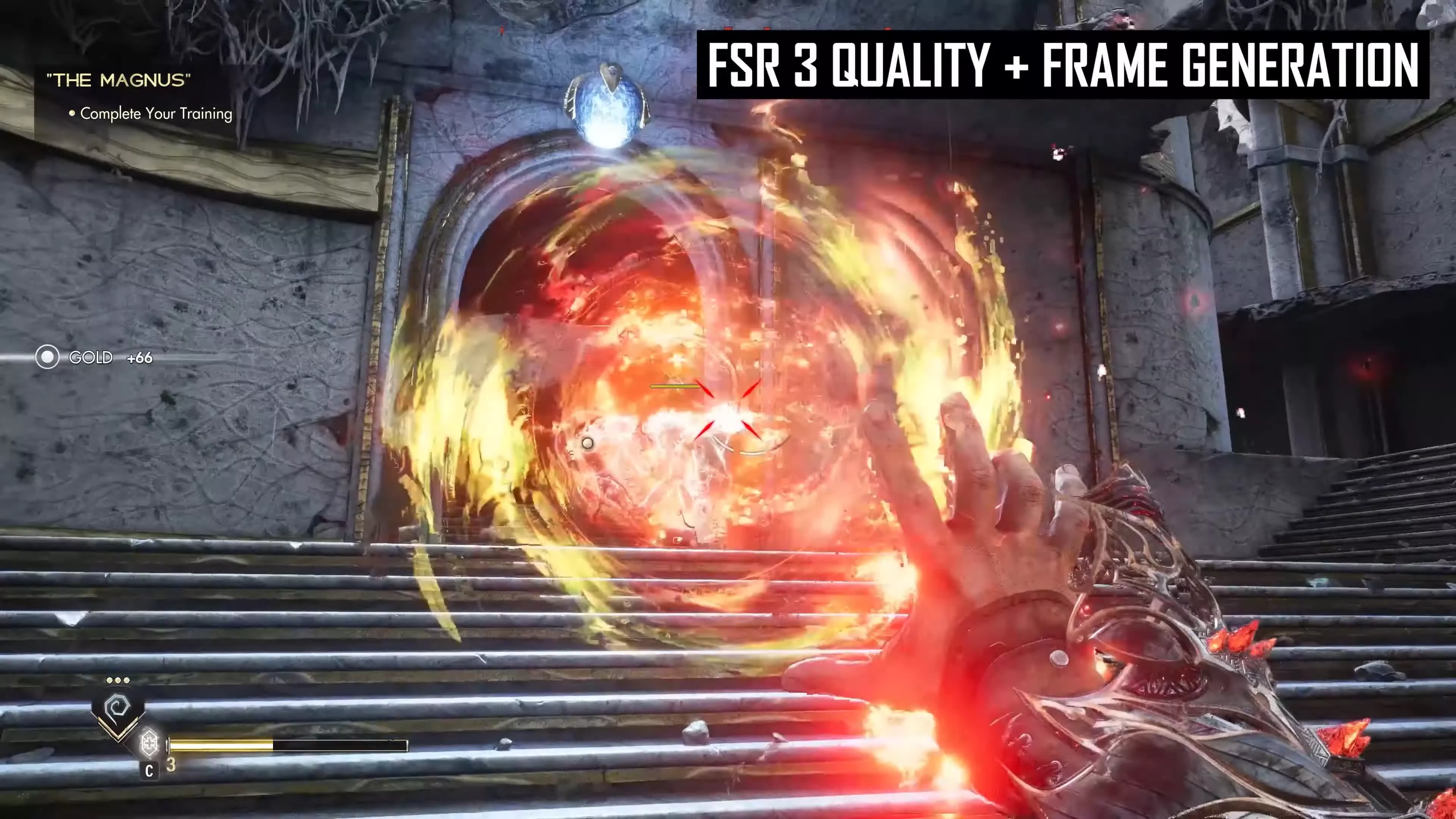
AMD has announced the FSR 3.1 update at the Game Developers Conference, promising upscaling quality improvements and adding support for Vulkan and Xbox. The update includes enhancements to both upscaling and frame generation, as well as decoupling frame generation from upscaling, allowing it to work with other upscaling solutions like DLSS and XeSS. FSR 3.1 aims to address issues such as flickering, shimmering, and ghosting, with examples showing significant image quality improvements compared to FSR 2.2. The update is expected to benefit gamers using AMD and Nvidia GPUs, and its availability to developers through GPUOpen is anticipated in Q2.
The Asahi Linux project, aiming to support Linux on Apple Silicon Macs, has achieved a significant milestone by surpassing Apple's OpenGL and OpenGL ES graphics support with its latest GPU driver. Despite the challenges posed by Apple's hardware, the Asahi team's driver now fully conforms with OpenGL version 4.6 and OpenGL ES version 3.2, enabling better compatibility with software like Valve's Proton and supporting native Linux apps. The project's next focus is on supporting the low-overhead Vulkan API on Apple's hardware, with basic support for the newest M3 Macs expected to take at least six months.
GTK has merged new "unified" rendering code with a focus on Vulkan API support, encouraging Linux distributions to build with the Vulkan renderer. The NGL and Vulkan renderers, built from the same sources, offer improved anti-aliasing, fractional scaling support, arbitrary gradients, and broader DMA-BUF support. While not yet faster than the old OpenGL renderer, future improvements include HDR color handling, GPU path rendering, and off-the-main-thread rendering. The NGL renderer is now the default in GTK 4.13.6, with the option to revert to the old OpenGL renderer for "very old" hardware.
AMD's official Vulkan driver for Linux, "AMDVLK," has dropped support for Polaris and Vega GPUs, causing concern among the community. However, the open-source Mesa RADV driver, maintained by third-party developers, continues to provide optimizations for these aging AMD lineups. The latest optimization brings performance improvements to Vega/GFX9 GPUs, making RADV a viable alternative to AMD's Vulkan driver. While AMD has some catching up to do in the Linux camp, they have already started pushing out patches for next-gen RDNA 4 and introducing new features to the platform.