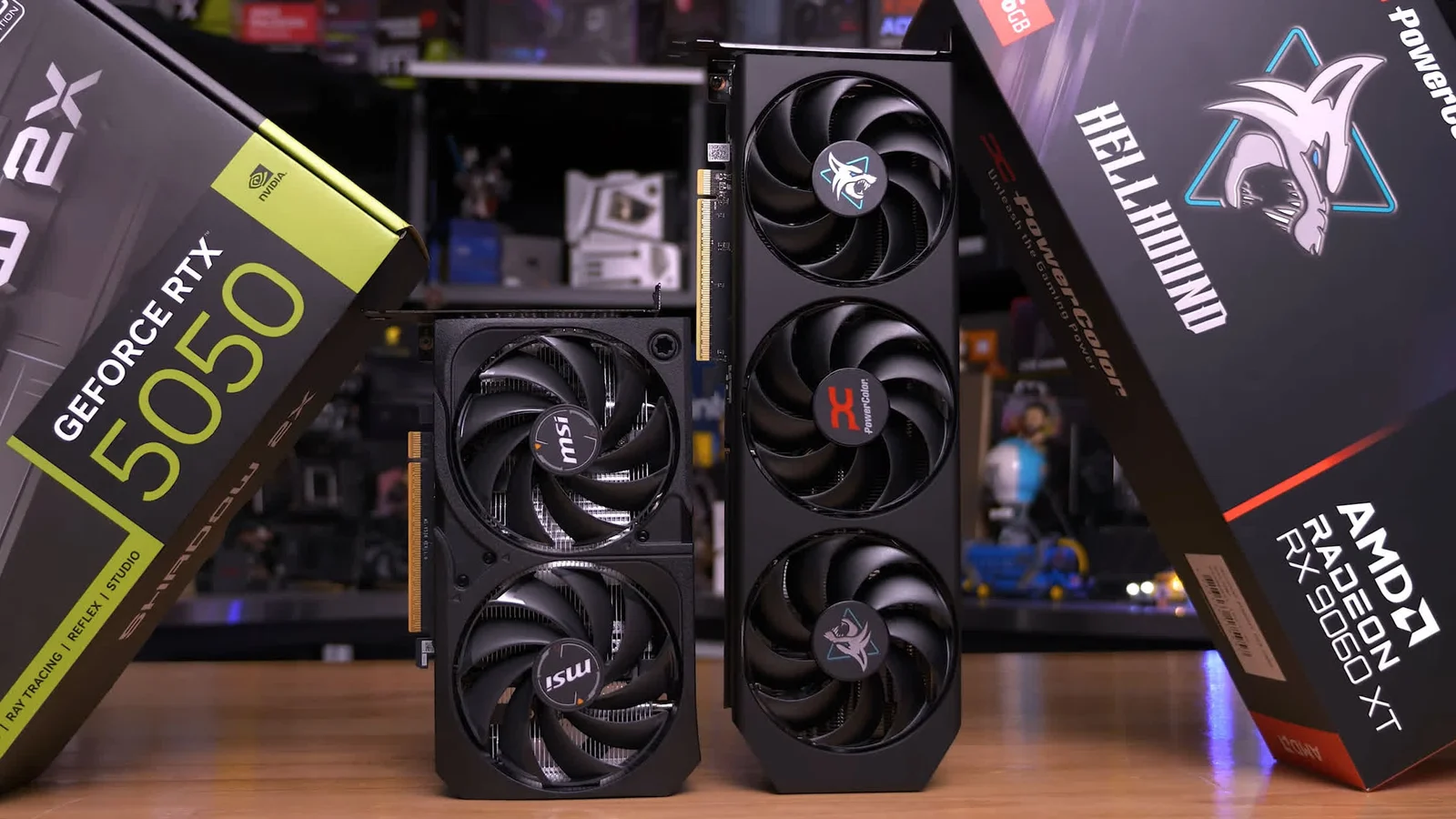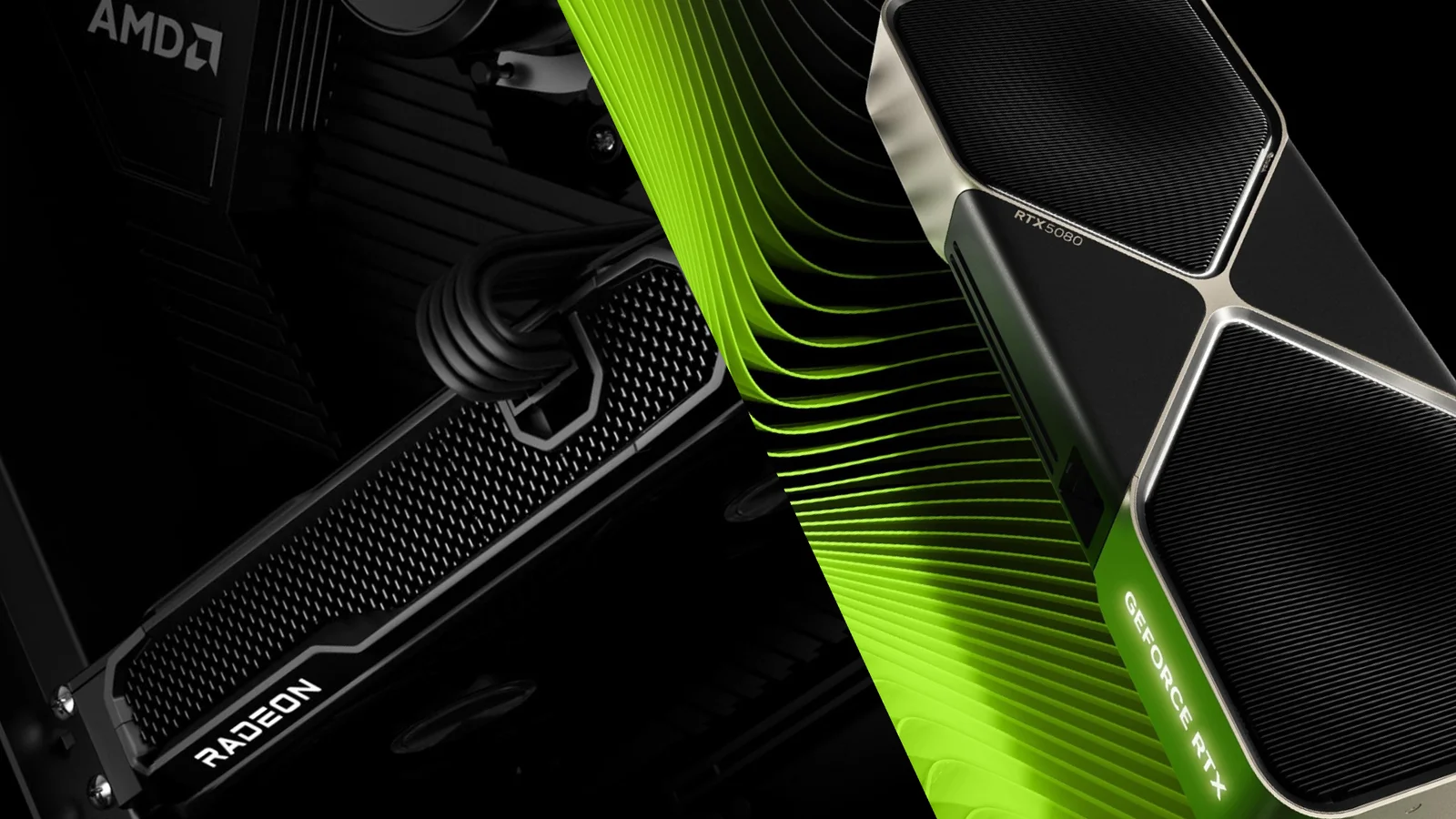
The article criticizes several GPU releases in 2025, highlighting the poor value and performance of 8GB models like Nvidia's RTX 5060 Ti and AMD's RX 9060 XT, which are seen as misguided and damaging to consumers, with Nvidia's RTX 5080 also underwhelming due to insufficient VRAM and high prices. Overall, the generation is marked by questionable product decisions and a lack of meaningful upgrades, especially in the entry-level and high-end segments.
The article reviews the top gaming GPUs of 2025, highlighting NVIDIA's RTX 5090 as the best high-end option, AMD's RX 9070 XT as the best overall, and the RX 9060 XT 16 GB as the best budget choice, with a focus on performance, availability, and technological advancements amidst supply chain challenges.
AMD is developing new 'Max' CPUs, such as the Ryzen AI Max+ series, which could challenge low-end GPUs by offering integrated graphics capable of high-performance gaming, potentially replacing or supplementing traditional GPUs in budget-friendly gaming devices and handheld PCs.
The Outer Worlds 2, built on Unreal Engine 5 with advanced graphics features, has been tested across over 30 GPUs to evaluate performance, image quality, and VRAM usage, providing insights into hardware needs for optimal gameplay.
The Trump administration is considering implementing tariffs on consumer CPUs and GPUs based on the value of their foreign chip content, which could significantly increase prices if enacted, aiming to promote domestic chip manufacturing but potentially raising costs for products like AMD Ryzen and NVIDIA GPUs.
Intel will continue to develop its own GPU products despite Nvidia's contribution of GPU chiplets for Intel CPUs, with the collaboration seen as complementary rather than replacing Intel's graphics efforts. However, skepticism remains about Intel's commitment to graphics development given Nvidia's dominance and Intel's cost-cutting strategies.
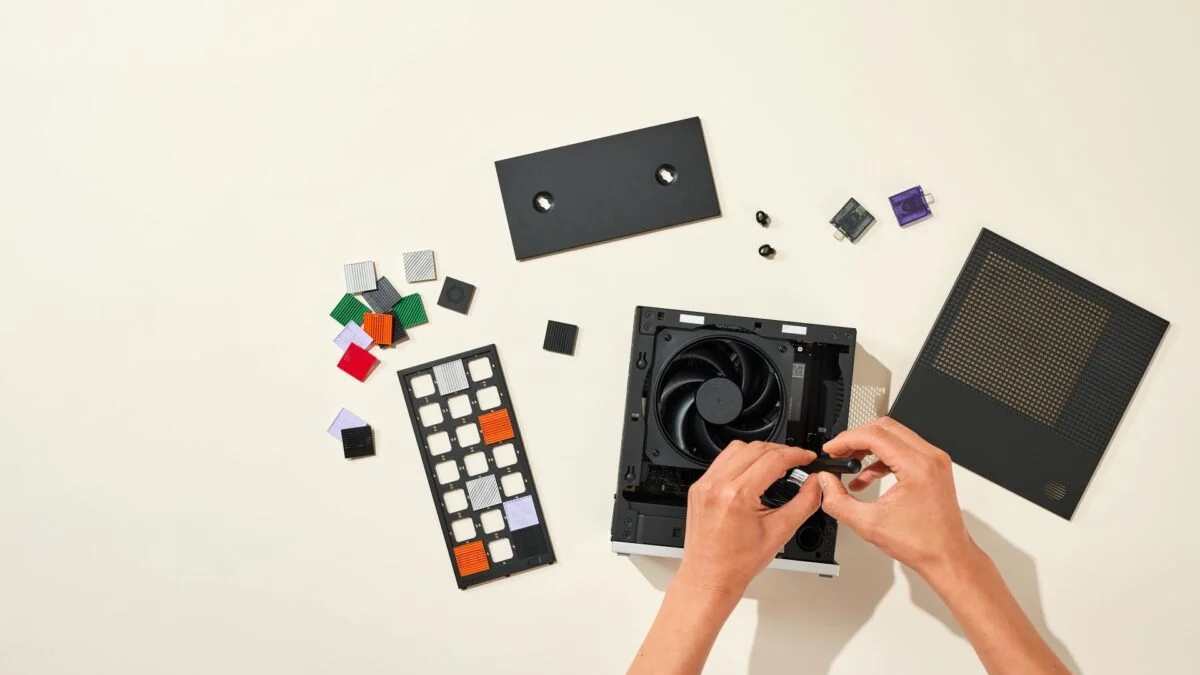
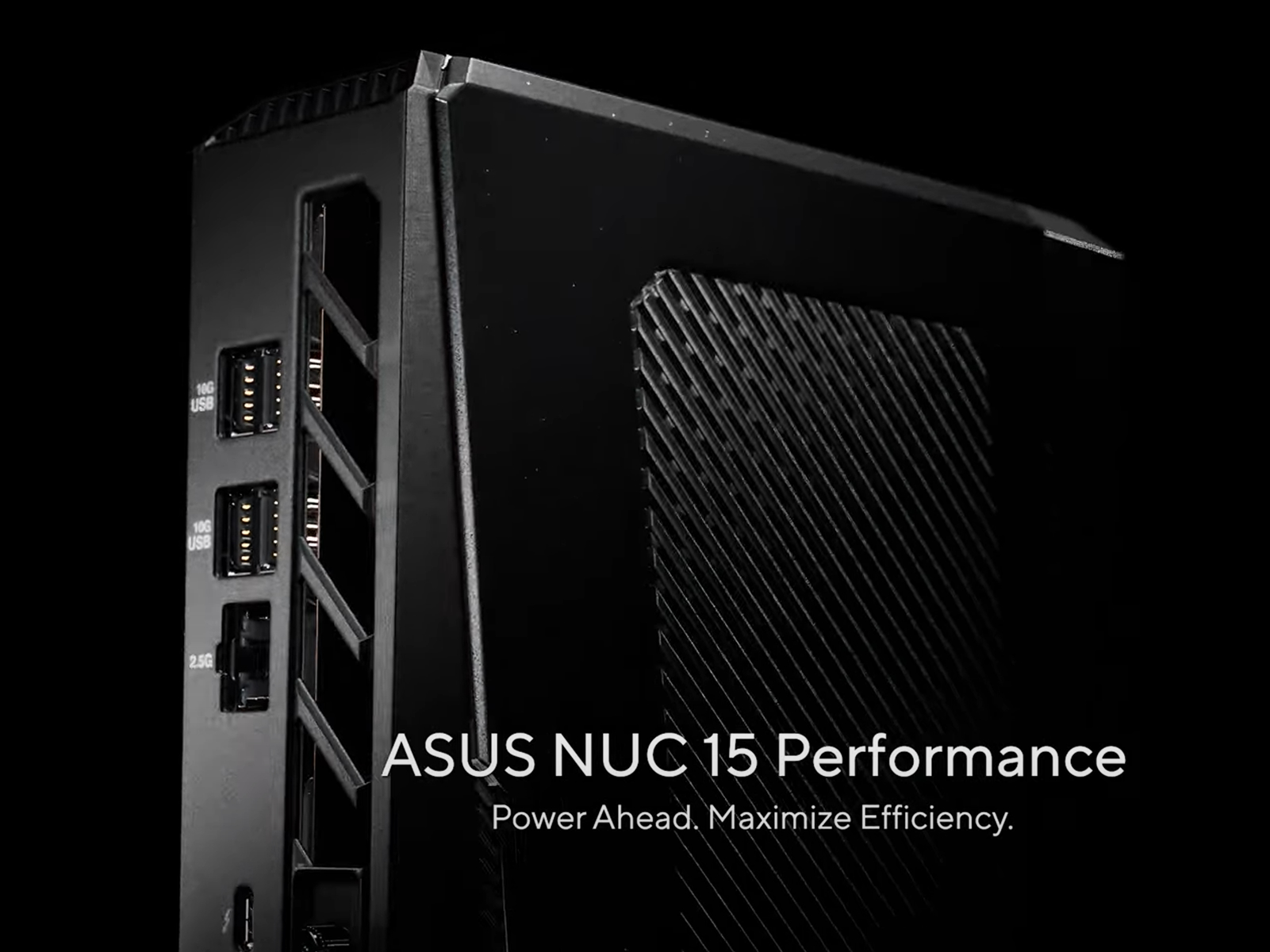
Asus has launched the NUC 15 Performance mini-PCs featuring Nvidia GeForce RTX 5060 and RTX 5070 GPUs, with various ports including DisplayPort 2.1 and HDMI 2.1, and configurable hardware options. The units are available in the Eurozone starting at €1,632, but global pricing is not yet disclosed.
China has launched its first 6nm GPUs, the Lisuan 7G106 and 7G105, with up to 24 GB memory, outperforming the RTX 4060 in synthetic benchmarks and capable of running demanding games at 4K with high FPS, marking a significant advancement in China's GPU segment.
Intel's upcoming XeSS2 technology, designed to enhance gaming performance with frame generation and low-latency features, has seen its DLL files surface online via Nexus Mods. This development comes as Intel prepares to launch its Battlemage "Xe2" discrete GPUs, positioning XeSS2 as a competitor to AMD's FSR 2 and NVIDIA's DLSS 3. While official content from Intel is pending, the technology promises significant performance improvements and is expected to be compatible with all Intel Arc GPUs, with a potential release by Q1 2025.
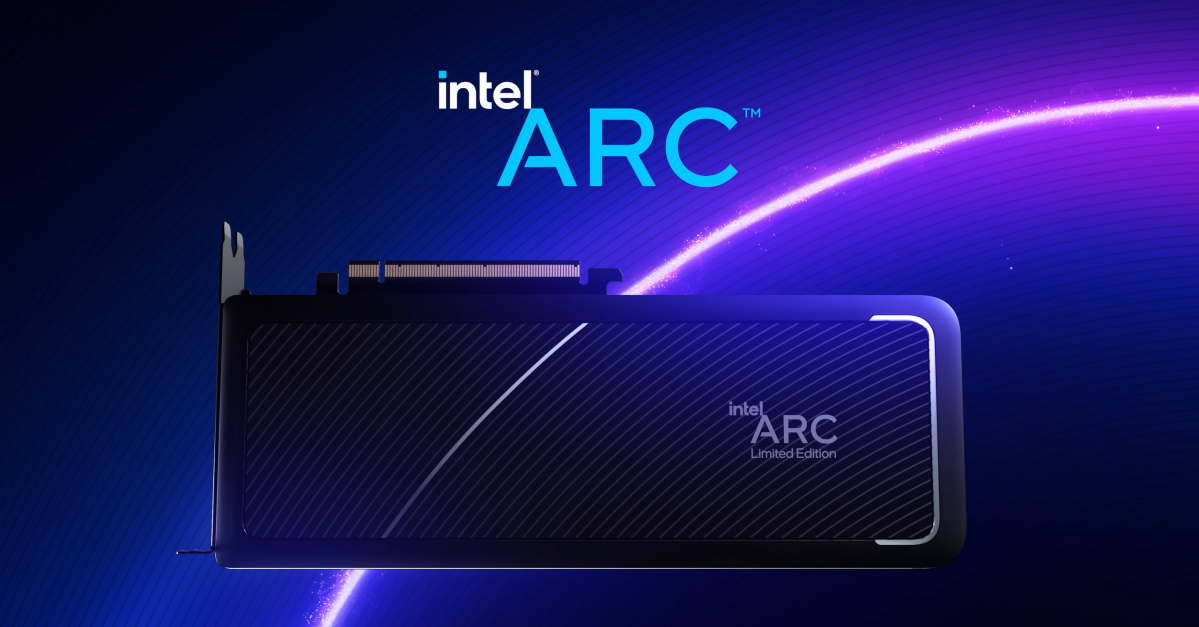
Intel is set to launch the Arc B580, a new discrete GPU featuring the Battlemage architecture, aiming to compete with AMD and Nvidia by offering more VRAM and competitive pricing. Historically, Intel's GPUs faced driver issues, but recent improvements have made them more viable. The B580, priced at $250, could be a strong contender in the budget GPU market, especially as AMD and Nvidia have not released comparable options in this price range. Potential buyers should await reviews before deciding, but Intel's advancements suggest a promising alternative.
AMD has confirmed the upcoming Radeon RX 8600 and RX 8800 GPUs, part of the "RDNA 4" lineup, through a new ROCm patch. These GPUs, aimed at the mid-range market, are expected to feature significant improvements, including lower power consumption and enhanced ray tracing performance. The RDNA 4 series will not include high-end models like the RX 8900, as AMD focuses on budget-friendly options. Mass production is set to begin in December, with a release anticipated in Q1 2025.
Intel has launched its new Arc B580 and B570 "Battlemage" GPUs, priced at $249 and $219 respectively, targeting mainstream gamers. These GPUs, based on the Xe2 architecture, offer significant performance improvements over the previous generation, with the B580 featuring 20 Xe2 cores and 12 GB VRAM, and the B570 featuring 18 Xe2 cores and 10 GB VRAM. The B580 is claimed to outperform NVIDIA's RTX 4060 by 10% while being more affordable. The B580 will be available from December 13, 2024, and the B570 from January 16, 2025.
Nvidia is pushing to reshape the 5G landscape by promoting its GPUs as a viable option for cloud RAN, challenging the traditional purpose-built networks and Intel's x86 architecture. The company aims to leverage its CUDA platform to offer a more versatile and efficient solution for telecom operators, but success hinges on buy-in from major players like Ericsson and Nokia. While Nvidia's GPUs promise performance akin to ASICs, concerns about power consumption and economic viability persist, especially in less densely populated areas.
Nvidia's stock is expected to continue its strong performance into 2025, driven by its leadership in AI accelerators and the upcoming Blackwell GPU, which significantly outperforms previous models. Despite some competition, Nvidia's robust software ecosystem, CUDA, and its superior GPU performance position it for market-beating returns. The company's gross margin remains high, and demand for its new GPU is already exceeding supply, indicating strong future growth.
The GPU market is set for a major shake-up as Nvidia, AMD, and Intel prepare to launch new generations of graphics cards within weeks of each other. Nvidia is expected to unveil its RTX 50-series GPUs, possibly at CES 2025, while AMD plans to release its RDNA 4 series, focusing less on high-end competition with Nvidia. Intel is also entering the fray with its Battlemage GPUs, aiming to capture market share with value-focused offerings. This convergence of launches, combined with potential tariffs, could significantly impact GPU pricing and availability, marking an exciting yet uncertain time for PC gaming enthusiasts.