AMD has discontinued its AMDVLK driver in favor of focusing solely on the RADV driver for Vulkan on Linux, with recent benchmarks showing significant improvements in RADV's performance, especially in Vulkan ray-tracing, making it a strong choice for Linux gamers and workstation users.
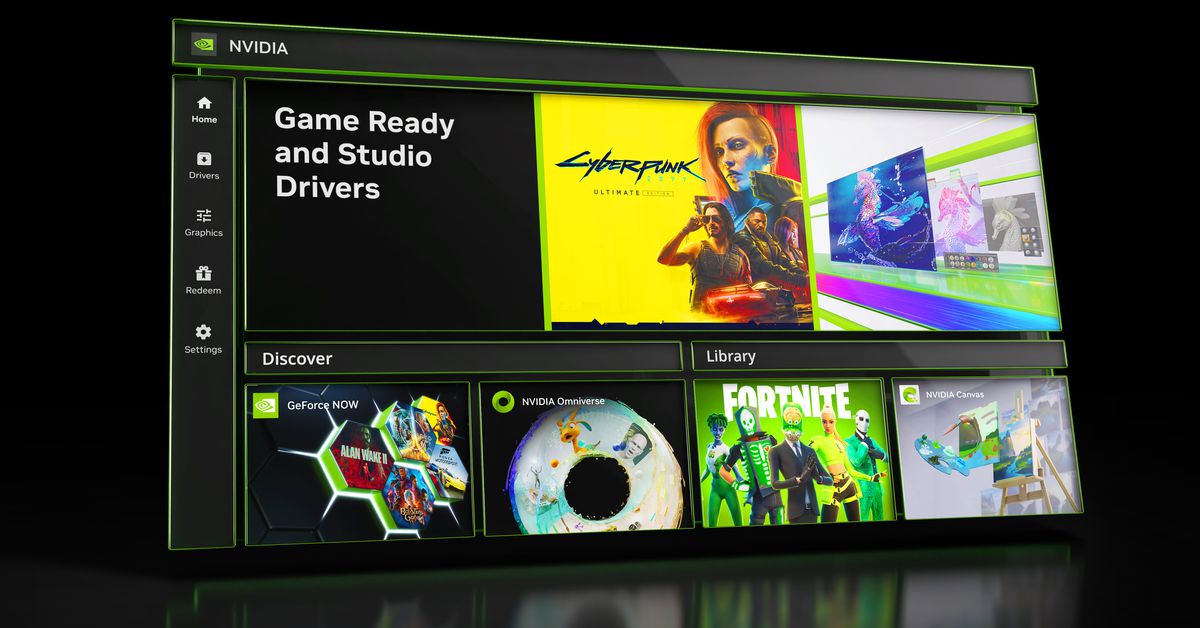
Nvidia has officially launched its new Nvidia app for PC, replacing the GeForce Experience app. The app, which is now out of beta, features a redesigned overlay, 4K 120fps AV1 video capture, AI-powered RTX game filters, and customizable statistics. It also integrates features from the Nvidia Control Panel, allowing users to configure displays, enable G-Sync, and tune GPU performance directly within the app. Future updates will continue to incorporate more Control Panel features. The app will be bundled with Nvidia's GeForce drivers and does not require an Nvidia account to use.
Mesa 23.2.1, the first release in the Mesa 23.2 series, is now available, featuring new features such as VK_EXT_attachment_feedback_loop_dynamic_state and VK_EXT_dynamic_rendering_unused_attachments. The release also includes bug fixes and support for OpenGL 3.1 and OpenGL ES 3.0. Mesa 23.2.2 is expected to be released soon, with Mesa 23.3 scheduled for mid-November.
Valve has hired Alyssa Rosenzweig, a developer known for their work on reverse-engineering Apple Silicon GPU and open-source Linux drivers for Arm Mali GPUs, to work on developing upstream graphics drivers to enhance Linux gaming. This move is part of Valve's ongoing commitment to improving various aspects of Linux for gaming, including the kernel, Proton, Gamescope, and other projects. The addition of Rosenzweig and other contractors demonstrates Valve's long-term dedication to the Linux gaming ecosystem, particularly in preparation for the upcoming Steam Deck.