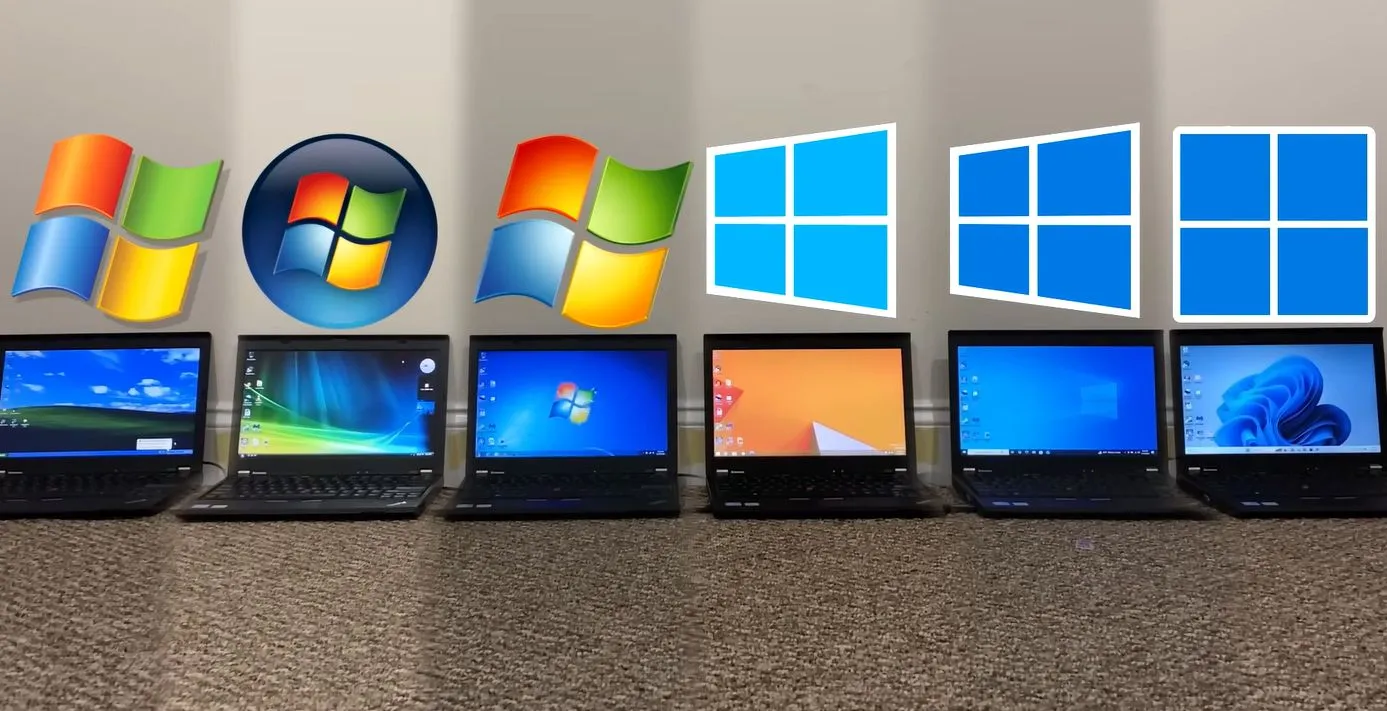
A series of benchmarks on Windows XP through Windows 11 on the same laptop reveal that despite hardware improvements, Windows 11 performs worse than older versions in startup speed, memory management, and overall responsiveness, highlighting increased resource usage and software bloat in newer Windows versions.
Two years after its launch, Intel Meteor Lake's Linux performance has declined to 93% of its original benchmarks, contrary to typical improvements seen in similar hardware, with newer software and hardware updates not translating into performance gains.
AMD has discontinued its AMDVLK driver in favor of focusing solely on the RADV driver for Vulkan on Linux, with recent benchmarks showing significant improvements in RADV's performance, especially in Vulkan ray-tracing, making it a strong choice for Linux gamers and workstation users.
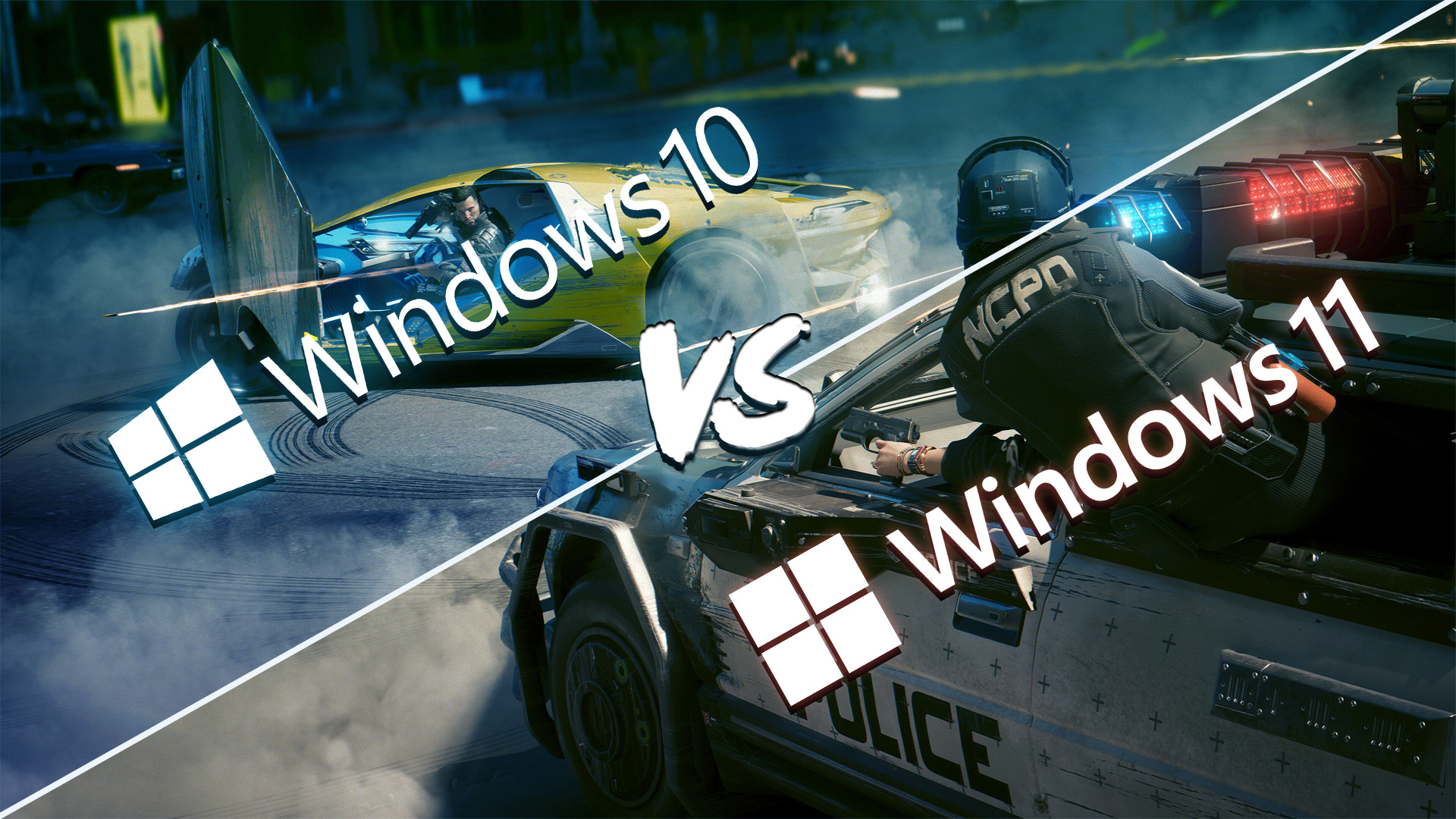
A comparison of gaming performance between Windows 10 and Windows 11 on a high-end gaming PC shows that performance is largely similar, with minor variations in minimum FPS in some games. The article suggests that upgrading to Windows 11 won't significantly impact gaming performance and discusses options for users who wish to delay upgrading beyond the end-of-life support date for Windows 10 in October 2025.
Anthropic revoked OpenAI's access to its Claude large language models after discovering that OpenAI was using the models to benchmark and develop its own competing AI, violating the terms of service. While OpenAI can still perform safety evaluations, its ability to use Anthropic's tools for development has been cut off, highlighting tensions in AI model sharing and competition.
AI agents currently perform poorly in office tasks, with success rates around 30-35%, and many marketed as 'agentic AI' are not truly autonomous. Studies by CMU and Salesforce highlight significant limitations and failures, with Gartner predicting most agentic AI projects will be canceled by 2027 due to high costs and unclear value, though adoption is expected to grow by 2028.
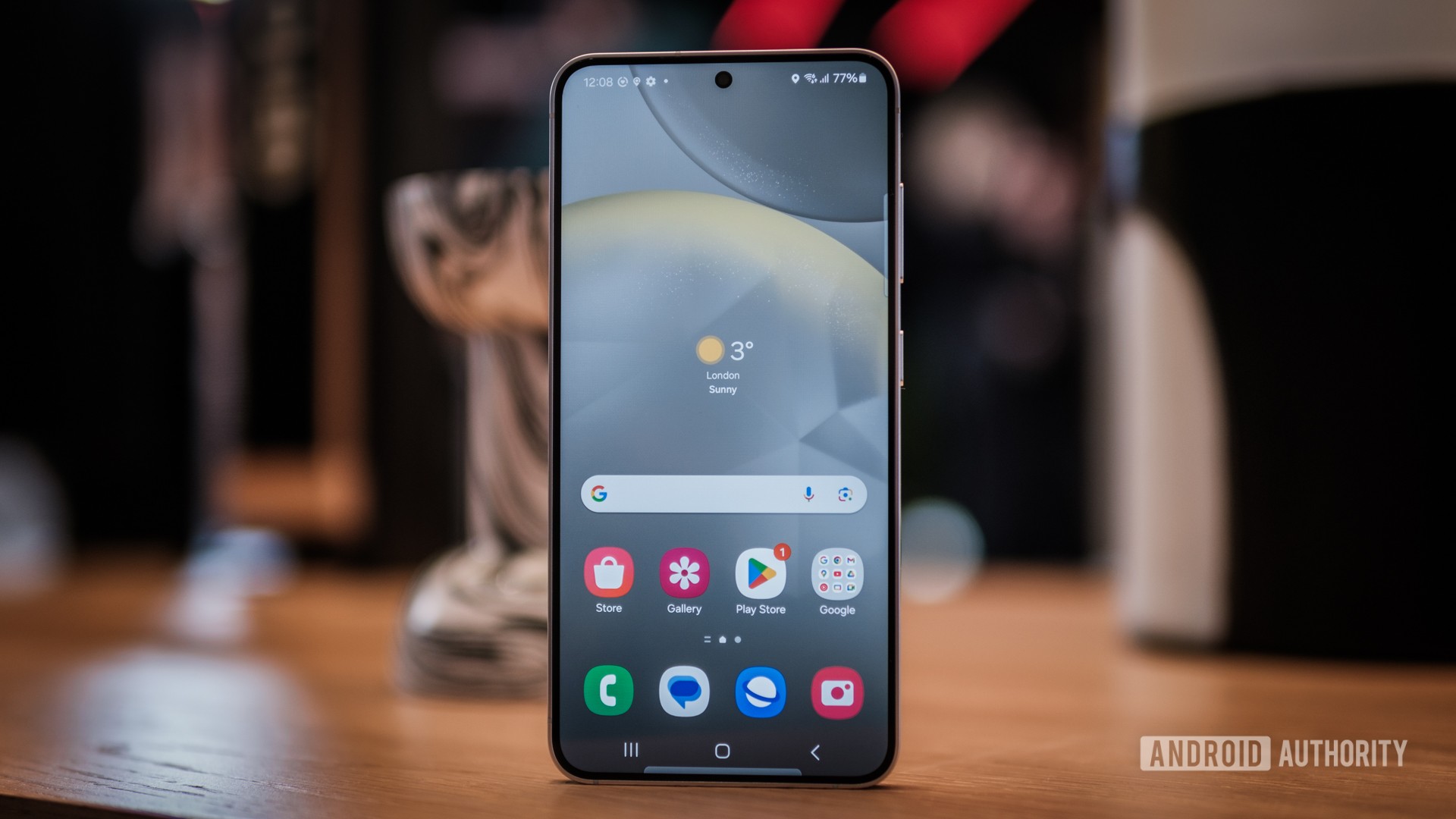
Samsung's Exynos 2400 chipset in the Galaxy S24 competes well against last year's Snapdragon 8 Gen 2 in CPU performance but lags behind in GPU tests due to thermal throttling. The Exynos 2400 shows promise for future gaming with ray tracing capabilities, but overall, the Snapdragon 8 Gen 3 in the Galaxy S24 Ultra outperforms it. Customers seeking peak performance should consider the S24 Ultra, especially for gaming.
A comprehensive comparison of AMD Radeon RX 7000 series and NVIDIA GeForce RTX 40 series performance under Linux has been conducted, including the first look at the GeForce RTX 4070 series and RTX 4080 SUPER performance. The article provides details on the specifications and performance of the newly received NVIDIA graphics cards for Linux benchmarking, such as the GeForce RTX 4070, RTX 4070 SUPER, RTX 4070 Ti SUPER, and RTX 4080 SUPER.
Preliminary benchmarks comparing the upcoming Nvidia GeForce RTX 4070 Ti Super with its counterparts, including the RTX 4080 and AMD's Radeon RX 7900 series, suggest competitive performance dynamics. In OpenCL benchmarks, the RTX 4070 Ti Super trails the RTX 4080 by 5% but surpasses it by 7% in Vulkan benchmarks. Compared to the previous generation, the RTX 4070 Ti Super shows potential performance increases of 10-15% over the RTX 4070 Ti and a 5-10% lag behind the RTX 4080. Nvidia's strategy with the RTX 4070 Ti Super seems aimed at competing with AMD's RX 7900 series, prompting AMD to introduce promotional pricing for some of its Radeon RX 7900 series models. While real-world performance benchmarks are pending, the RTX 4070 Ti Super is expected to narrow the gap with the RX 7900 XT and may reach parity due to its enhanced capabilities.
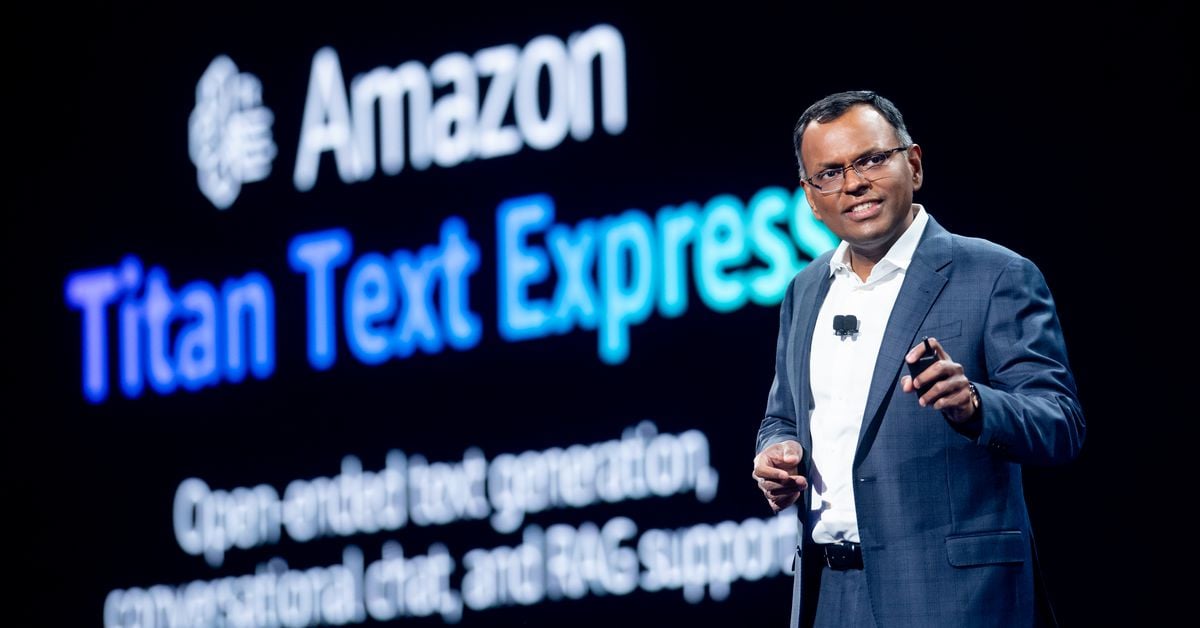
Amazon is introducing Model Evaluation on Bedrock, a preview feature that allows users to test and evaluate AI models. The platform includes automated evaluation and human evaluation components, enabling developers to assess model performance on metrics like accuracy and toxicity. Users can choose to work with an AWS human evaluation team or their own, and can bring their own data into the benchmarking platform. The goal is to provide companies with a way to measure the impact of AI models on their projects and guide development decisions. AWS will only charge for model inference used during the evaluation.
Google has blocked the installation of benchmarking tools like GeekBench and 3DMark on its new Pixel 8 Series smartphones, indicating a focus on AI-driven efficiency rather than raw performance. The Tensor G3 chip in the Pixel 8 Series features a unique 9-core CPU architecture and a 10-core GPU with ray-tracing acceleration capabilities. Despite Google's restrictions, users have found workarounds to run benchmarking tools, revealing performance gaps compared to competitors like the Qualcomm Snapdragon 8 Gen2 chip. Google's approach challenges the importance of benchmark scores in evaluating smartphone quality, emphasizing the value of AI capabilities.