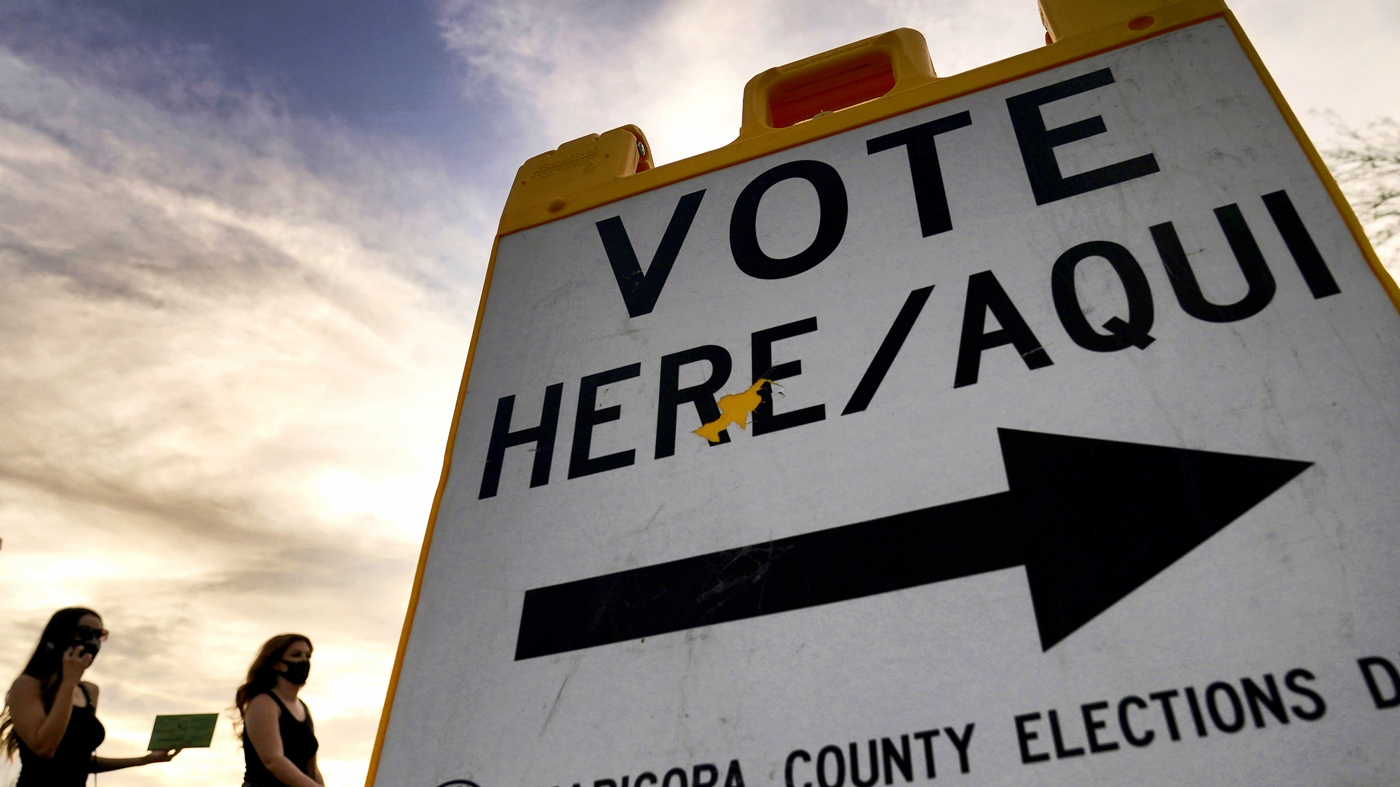
In Arizona's upcoming presidential preference election, independent voters are not allowed to participate, unlike in most other elections in the state. This exclusion has sparked debate among election officials and voters, with some advocating for more inclusivity and others arguing that the primary process should be limited to registered party members. Efforts are underway to potentially change this system in the future, with a ballot initiative gathering support to require political parties to either fund the election or allow independents to participate.
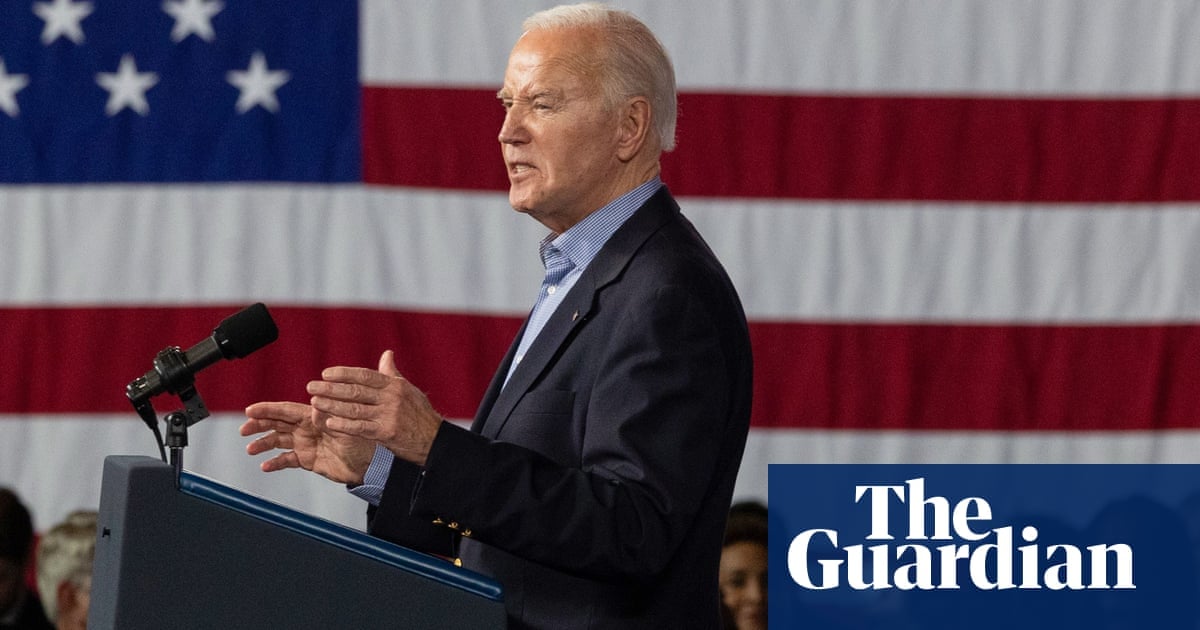
Georgia holds its primary election with Joe Biden and Donald Trump holding dueling rallies in the state, offering a preview of the November election. Voter participation is a key concern, with nearly 8 million people registered to vote. The primaries also include Mississippi and Washington, with only the presidential race on the ballot in Georgia and Washington, while Mississippi voters have primaries for US Senate and House. Biden and Trump are both nearing the delegate counts needed to secure their party's nomination.
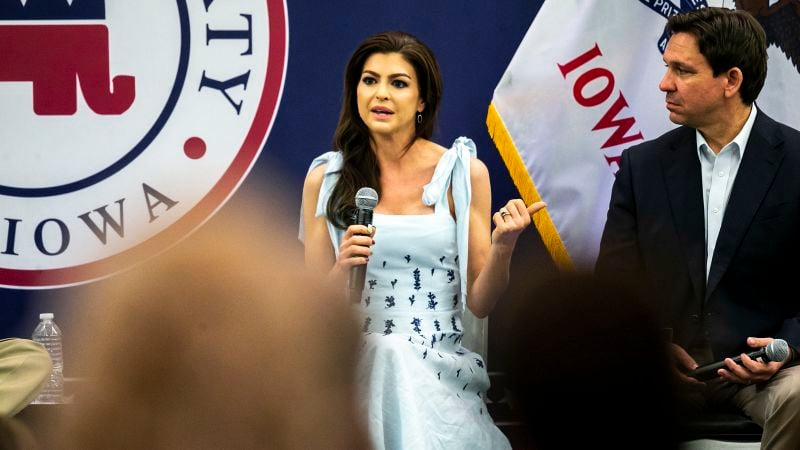
Casey and Ron DeSantis are clarifying comments made by Casey that appeared to encourage out-of-state voters to participate in the Iowa caucuses. Casey clarified that she meant volunteering, not voting, and called on people to register to participate. Ron DeSantis denied that his wife was encouraging illegal voting and emphasized that only registered Republicans in Iowa can vote in the caucus. The Trump campaign accused the DeSantises of embracing voter fraud and demanded clarification from the Governor of Iowa.
Advocates and political scientists argue that the current primary election system in the United States is flawed, as it often excludes voters and leads to the selection of more extreme candidates. They highlight the low voter turnout in primary elections, which effectively decide the winners in a majority of Congressional seats. The movement for electoral reform calls for rethinking how states set up their primary elections and allowing independent voters to participate. Some states have already implemented nonpartisan primary systems, where all candidates from all parties are listed on the same ballot, leading to potential changes in bipartisanship and ideological moderation among elected officials. However, research on the impact of nonpartisan primaries on candidate moderation and voter engagement remains mixed.
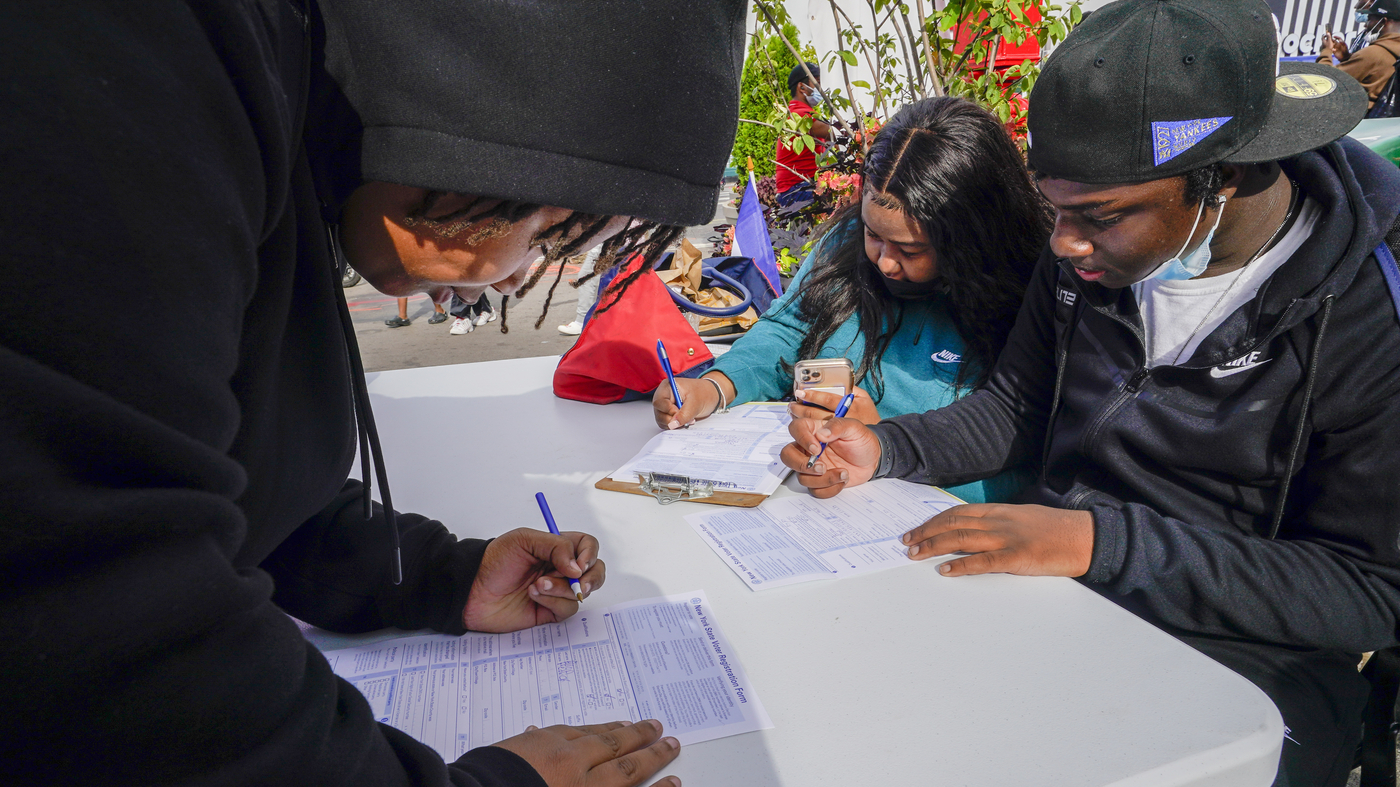
Several states are implementing policies to boost youth voter registration and participation rates. These policies include pre-registration for 16- and 17-year-olds, automatic voter registration through DMV interactions, and online voter registration. Advocates argue that these measures simplify the registration process and make it more accessible for young people. However, some Republicans express concerns about potential voter fraud. Despite the challenges, registration rates are increasing, with last year seeing the highest share of registered U.S. citizens in at least two decades during a midterm election.