With the midterms approaching, Trump pursues greater federal involvement in election administration—through DOJ actions, FBI activity, and talk of ‘nationalizing’ elections—sparking Democratic fears of potential subversion, even as Republicans push tighter voting rules and courts block past efforts.
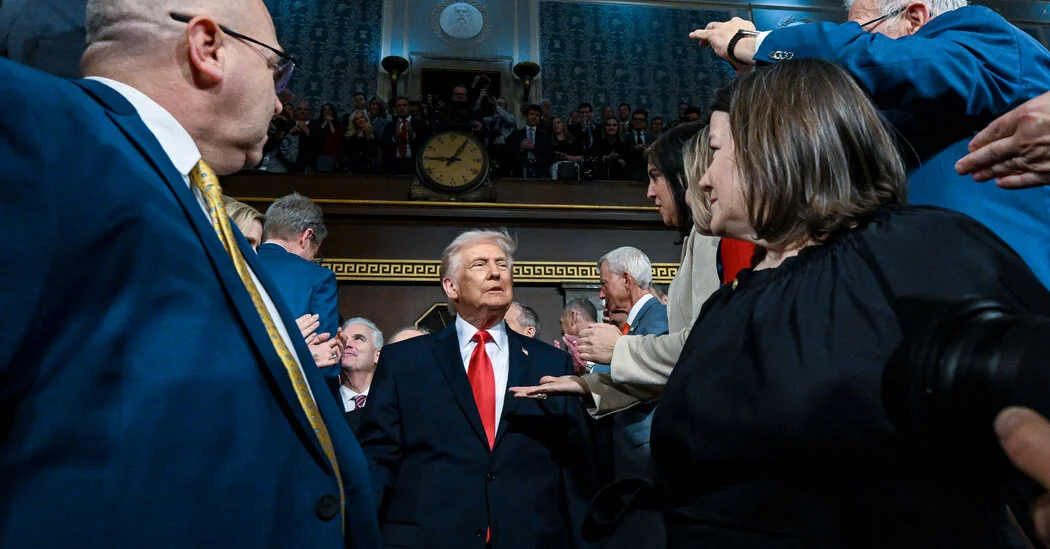
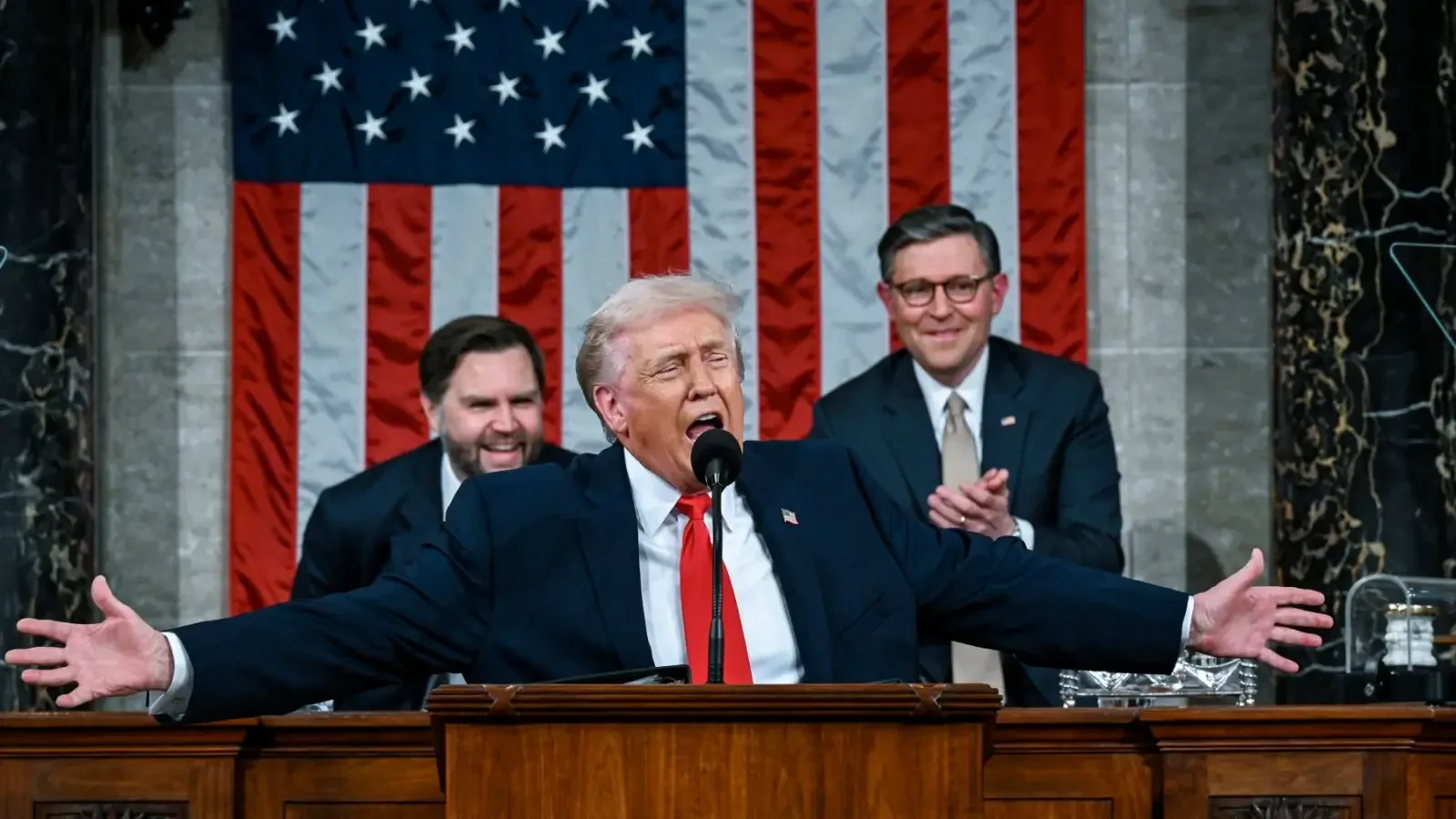
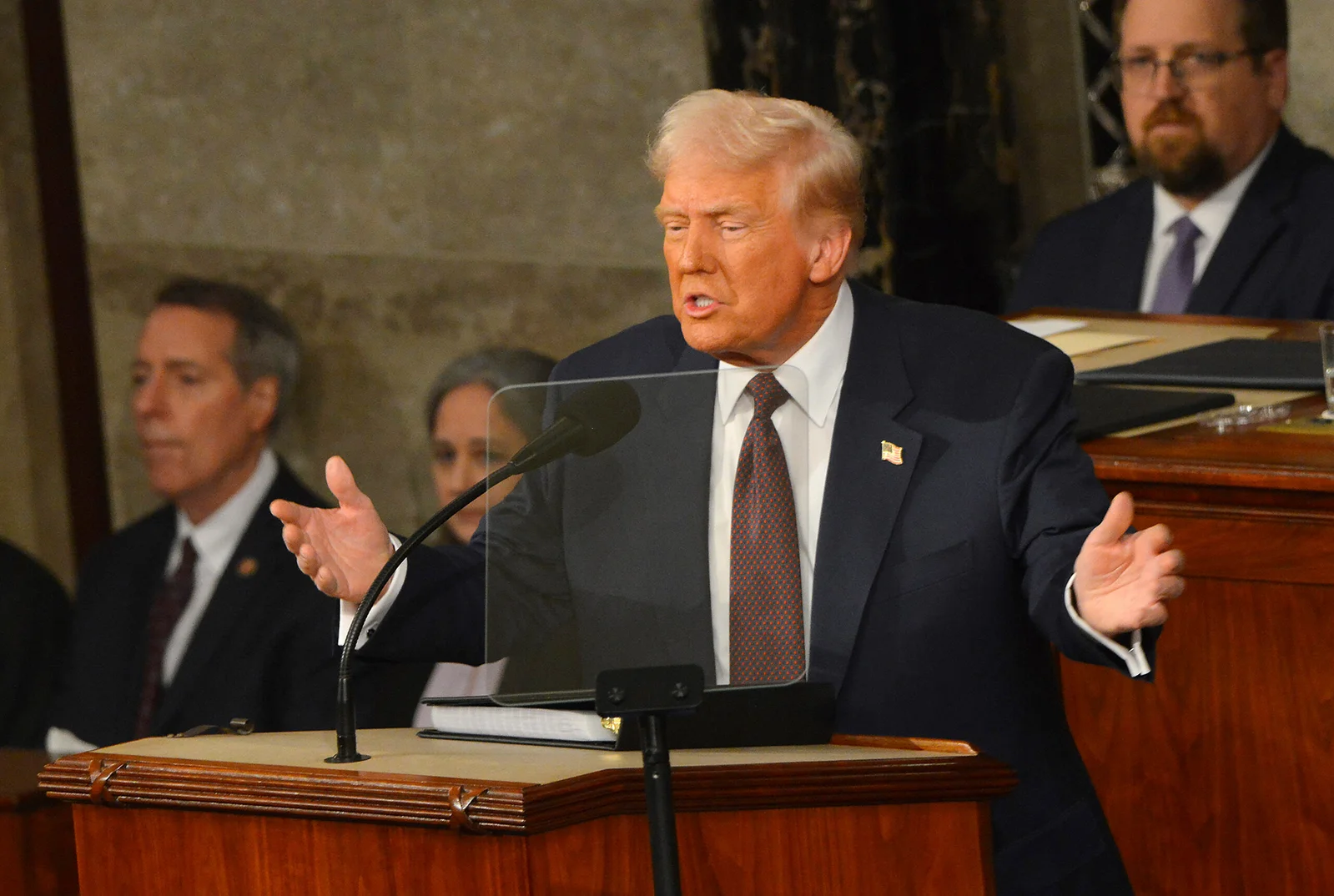
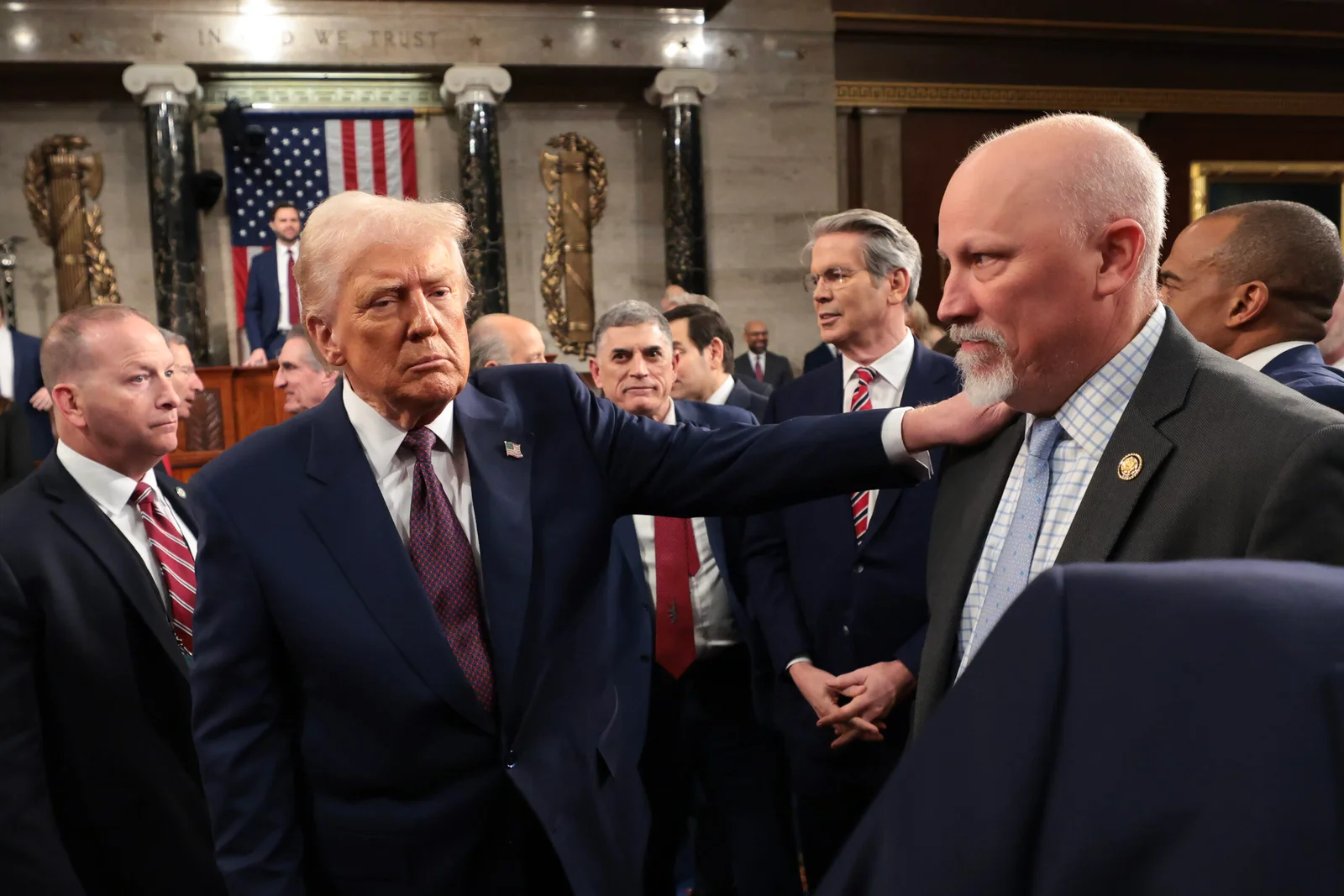
Donald Trump delivered the longest State of the Union on record (108 minutes), pairing medal ceremonies with a hardline immigration message and a push for the SAVE Act to tighten voting rules, while reiterating unfounded election-fraud claims. The address sparked clashes with Democrats — including Omar and Tlaib — and even saw Al Green escorted out after a protest sign. The moment was also laden with pre-speech context about Epstein-related documents NPR/MS NOW reported were withheld, fueling protests and counter-programming, as Virginia Gov. Abigail Spanberger delivered the official rebuttal.
In the State of the Union, Trump urged passage of the SAVE America Act, claiming it would curb fraud and require citizenship proof at registration and photo ID at voting; however, the bill’s provisions are disputed—critics say it would disenfranchise millions and opposes no-excuse mail voting bans—while supporters frame it as election integrity. The proposal faces partisan hurdles in the Senate, and Trump has floated executive-action steps despite the likely constitutional challenges.
A wave of mid-decade redistricting lawsuits is sweeping across nearly a dozen states ahead of the 2026 midterms, with cases in states like Missouri, Florida, Utah and New York and a pivotal Supreme Court dispute (Louisiana v. Callais) that could reshape district lines by challenging or redefining Voting Rights Act Section 2; the fast-moving litigation complicates ballot planning and could trigger rapid redraws depending on court outcomes.
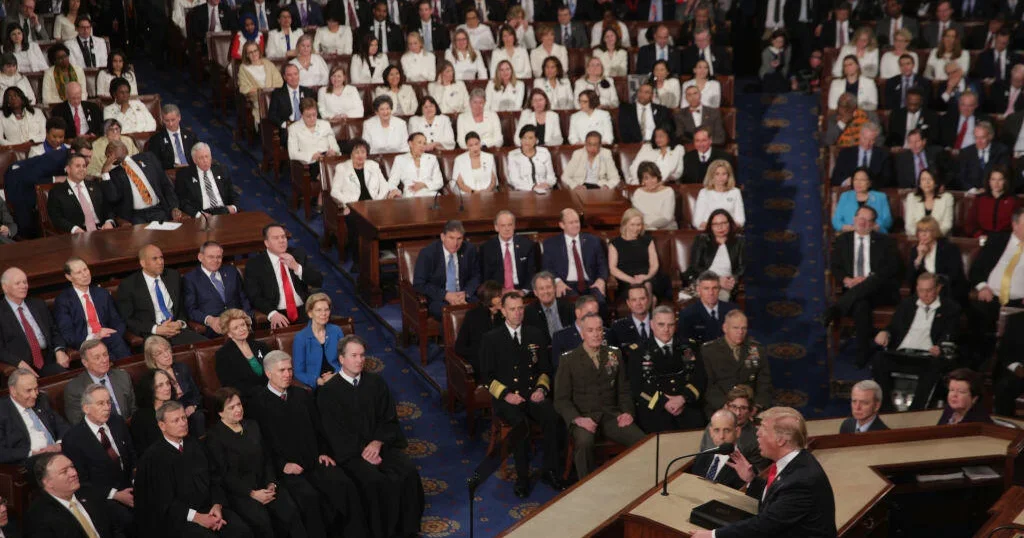
More than a dozen Democratic women plan to wear white at Trump’s State of the Union to honor suffragists and highlight ongoing battles over voting rights, including opposition to a strict voter-ID measure; Rep. Leger Fernández says the color signals that women are still in the fight, while some caucus members will attend a MoveOn rally rather than the speech.
Democratic state attorneys general are conducting tabletop exercises to plan how to counter possible Trump-inspired moves to disrupt midterm voting, including potential seizures of ballots or voting machines, attempts to throttle mail voting, and the deployment of federal or immigration enforcement to polling sites; they’re preparing provisional legal strategies to preserve election materials and monitoring Trump’s rhetoric while pursuing court challenges to related executive orders.
A GOP push to require proof of citizenship to register to vote (the SAVE Act) is framed as a safeguard against noncitizen voting, but critics warn it would disenfranchise legal voters who lack documentation or are deterred by extra steps. State experiences with SAVE-based screening show misflagging and administrative errors that can remove or delay eligible voters, often affecting people of color and young voters; a Kansas 2011 law, blocked after it blocked tens of thousands of registrations with very few noncitizen registrations, serves as a cautionary precedent. Other states (New Hampshire, Arizona, Texas, Idaho) report similar issues and disparate impact. Given the rarity of actual noncitizen votes, many argue the potential harm to eligible voters outweighs any modest fraud prevention.
Key items this week include the House's passage of the SAVE America Act expanding nationwide voter ID and citizenship proof, a Fulton County FBI raid tied to debunked 2020 fraud theories, Utah's ballot-measure push to roll back a gerrymandering ban amid signature-forgery allegations, and growing pushback by states against DOJ's attempts to collect voter-roll data.
Democracy Docket’s weekly roundup chronicles a sharp partisan clash: Trump calls for taking control of elections while House Republicans roll out the Save America Act, a restrictive voting bill that would require citizenship proof and, after pushback, a photo ID, risking disenfranchising many eligible voters. The week also includes a federal judge denying the DOJ access to Oregon’s voter rolls, Fulton County, Georgia challenging an FBI raid on its elections hub, and the Supreme Court dismissing a GOP challenge to California’s new congressional map, signaling ongoing battles over voting rules and redistricting.
California election officials across counties are running contingency drills and preparing staff for unprecedented federal involvement in the 2026 elections, including scenarios like immigration or federal agents near polling places and ballots being seized. State leaders say elections remain under state control and will be defended, while experts warn that such rhetoric undermines public trust. Officials cite guardrails, expanded observer programs, and coordinated planning to ensure a secure, accurate vote regardless of federal pressure.
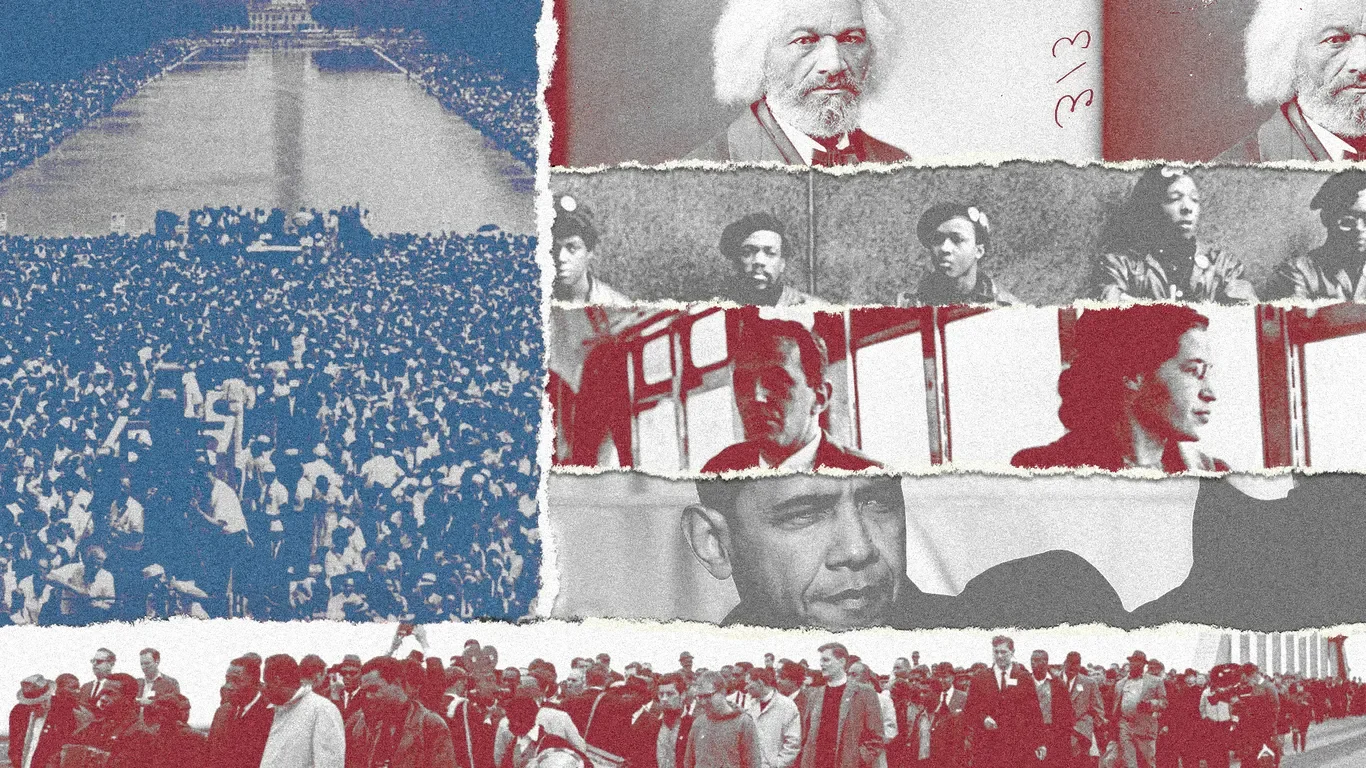
As America nears its 250th anniversary, the White House’s rollbacks of diversity, equity and inclusion efforts and moves to reshape how Black history is taught collide with critics’ warnings that civil-rights protections are at risk; federal agencies and cultural institutions have revised or removed Black history content, DEI offices are downsized, and debates over how history is preserved and narrated intensify.
House Republicans released an amended SAVE America Act that would require a passport or birth certificate to register to vote and impose a nationwide photo ID to cast a ballot, dropping the earlier provision to prove citizenship at the polls. The citizenship-registration requirement could affect about 21.3 million voting-age Americans lacking ready access to those documents, and excluding college IDs would hit students who often vote Democratic. Supporters say the measure protects elections; critics call it a voter suppression effort. Prospects in the Senate remain uncertain.
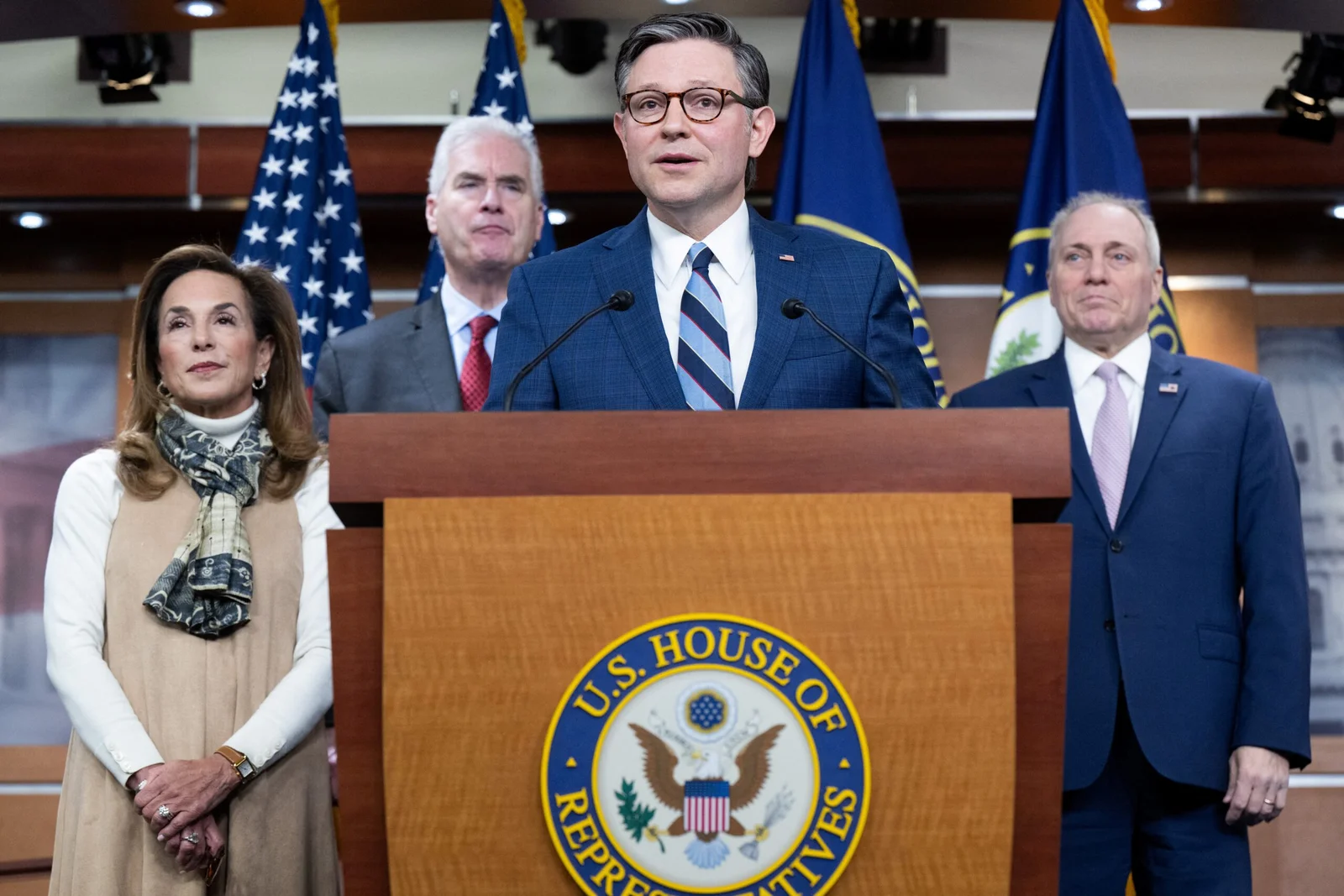
Republicans are fast-tracking the Safeguard American Voter Eligibility Act, which would require documentary proof of citizenship to register and a citizenship-based photo ID to vote, effectively forcing many voters to show passports or birth certificates at polling places. Analysts say up to about 21 million Americans could be disenfranchised, given that many lack passports or readily available birth certificates, and roll-cleaning could inadvertently purge eligible voters. The bill faces a difficult path in the Senate amid Democratic opposition and filibuster concerns, while a companion MEGA Act would roll back mail voting and other practices. President Trump and GOP leaders back the effort as a safeguard against noncitizen voting, but critics warn it would constitute a major voting-rights rollback.
The SAVE America Act would amend the National Voter Registration Act to require proof of citizenship to register to vote in federal elections and mandate photo ID for casting ballots, including mail ballots. It would require in-person citizenship proof for mail registrations, allow a sworn affidavit for those unable to provide documents, andDirect states to verify citizenship using DHS/SSA data. Republicans call it a common-sense measure to secure elections, while Democrats warn it would disenfranchise millions lacking birth certificates or passports, trigger purges, and hinder registration methods; the Senate is unlikely to pass it, though Trump supports it. The discussion sits amid prior executive orders, lawsuits, and state citizenship audits estimating noncitizens on rolls, with broad polling showing support for voter ID in general.
The White House would not guarantee that ICE will be at polling locations this November, saying there are no formal plans but stopping short of a categorical rejection. The remark comes amid calls from Trump-aligned figures to deploy federal agents at polls and underscores concerns about potential voter intimidation at sensitive polling sites, though there is no evidence of an official plan.