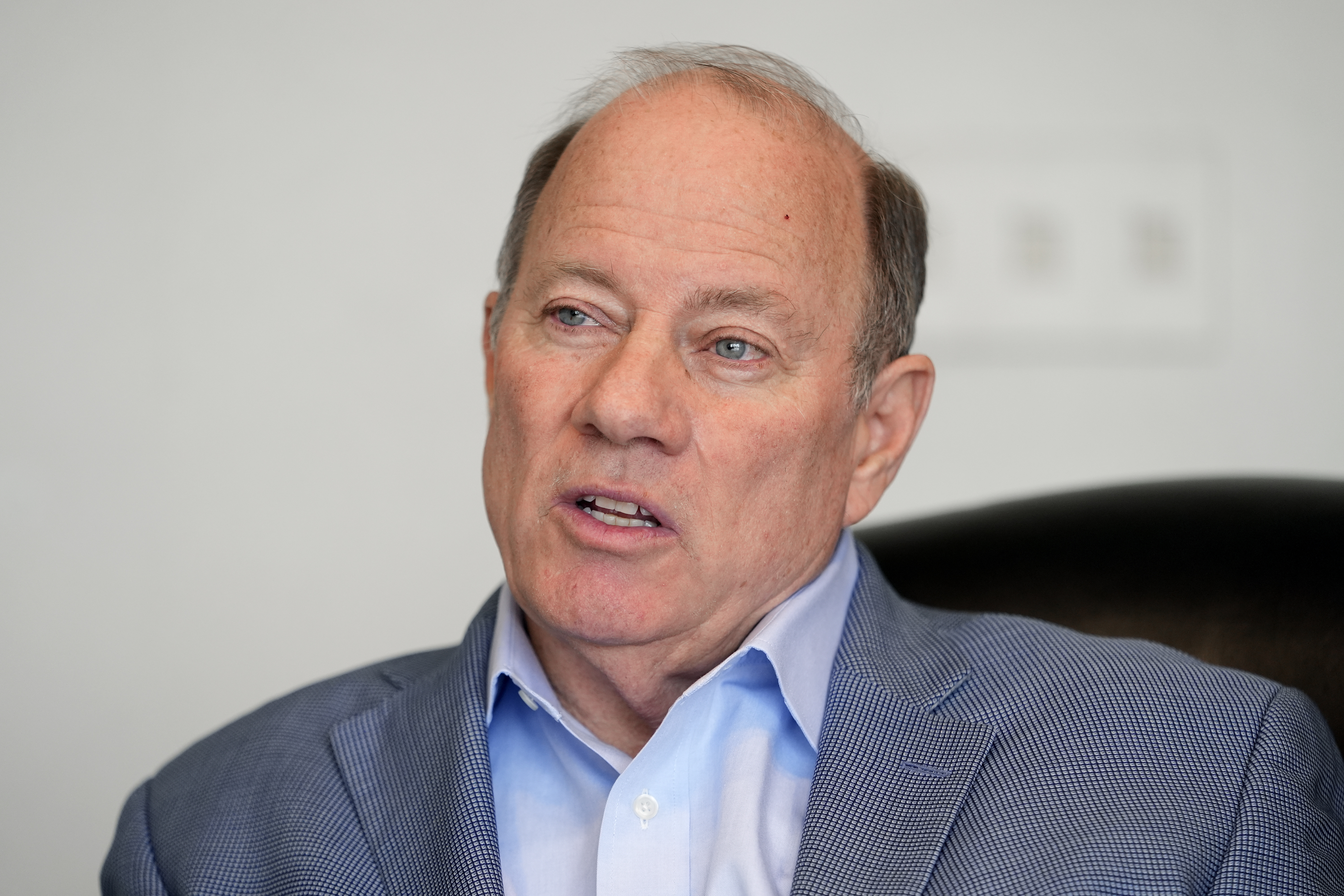
Detroit Mayor Mike Duggan announced his candidacy for Michigan governor as an independent, distancing himself from the Democratic Party. Duggan, who has served three terms as mayor and is credited with helping Detroit recover from bankruptcy, aims to offer voters an alternative to the traditional two-party system. He emphasized his desire to be a governor for all, not just for Democrats or Republicans, and highlighted his past decisions that defied party lines, such as increasing police overtime pay.
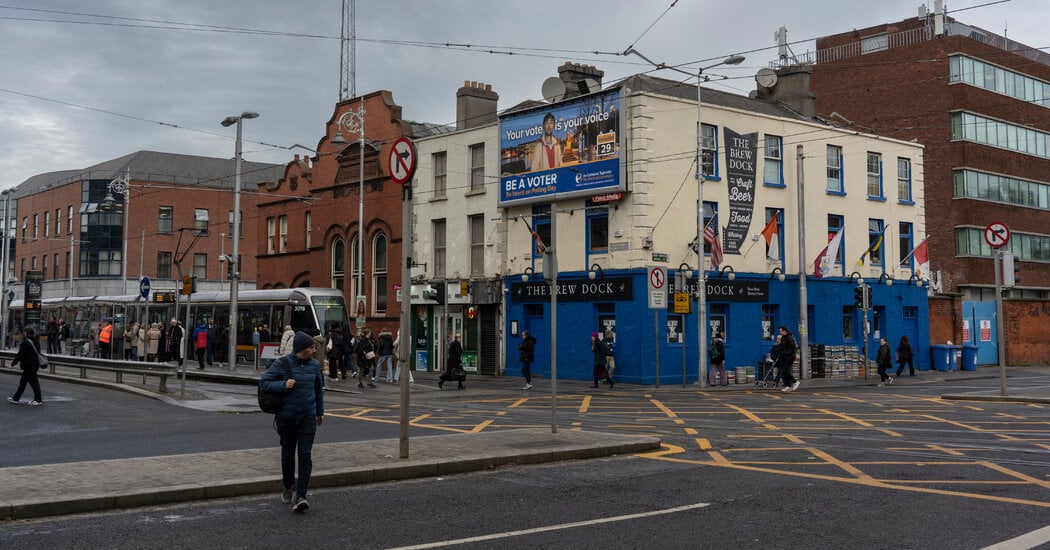
Early election results in Ireland indicate that the country's main political parties are outperforming Sinn Féin, suggesting a competitive political landscape.
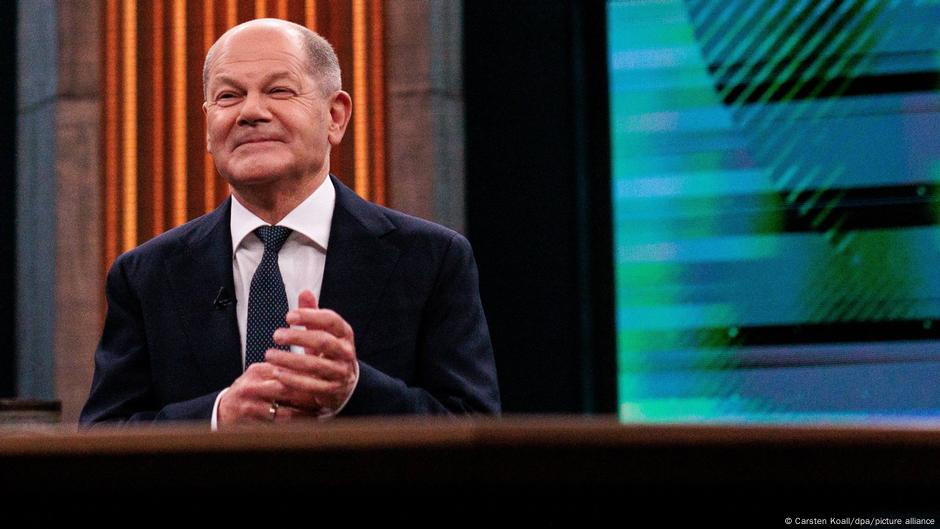
Germany's political parties have announced their candidates for the upcoming snap elections on February 23, 2025, as the country prepares to elect a new chancellor.
A political party in Lithuania, whose leader has been criticized for antisemitic views, is set to join the country's government coalition. This development has raised concerns about the potential influence of such views within the government.
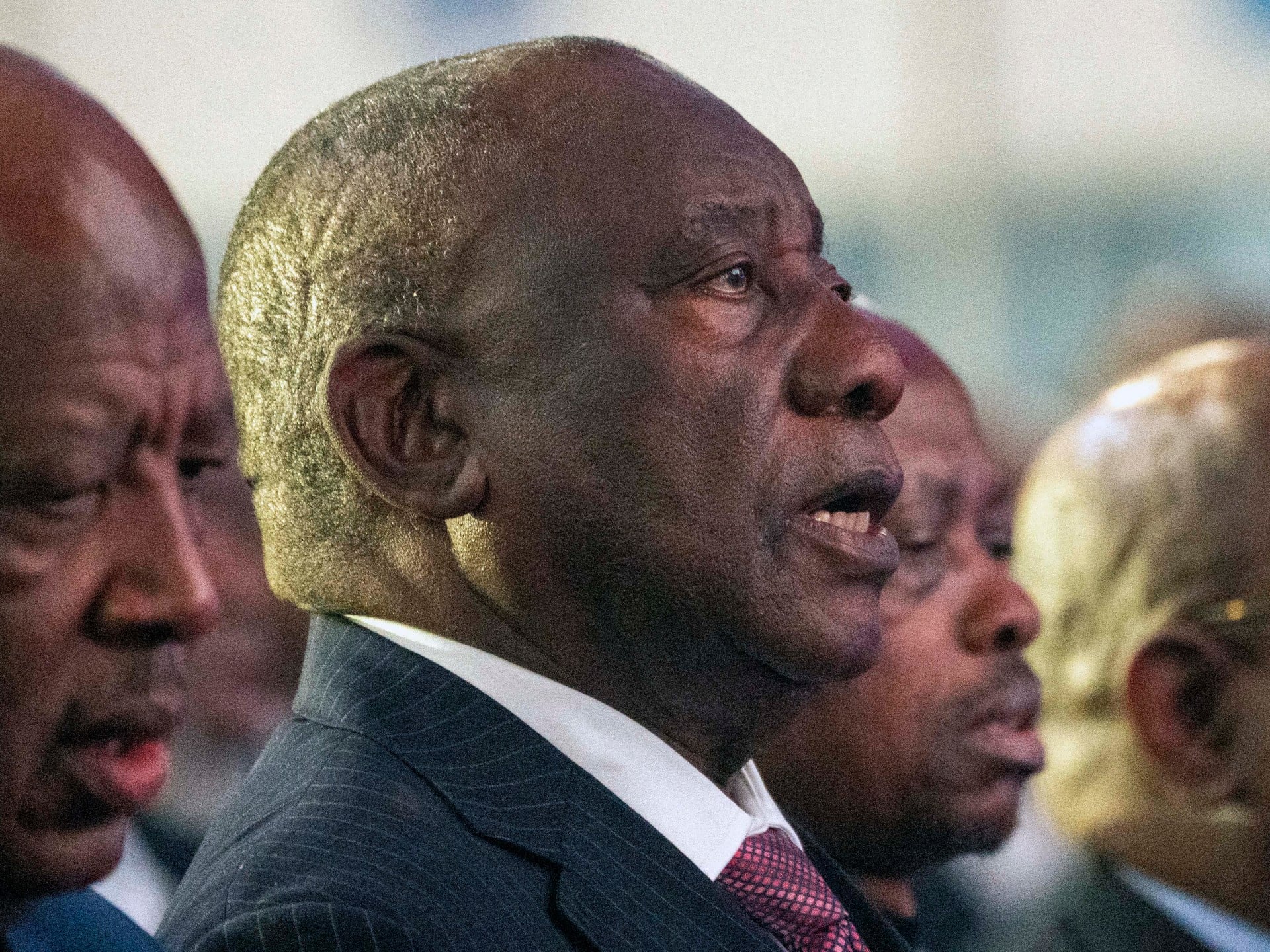
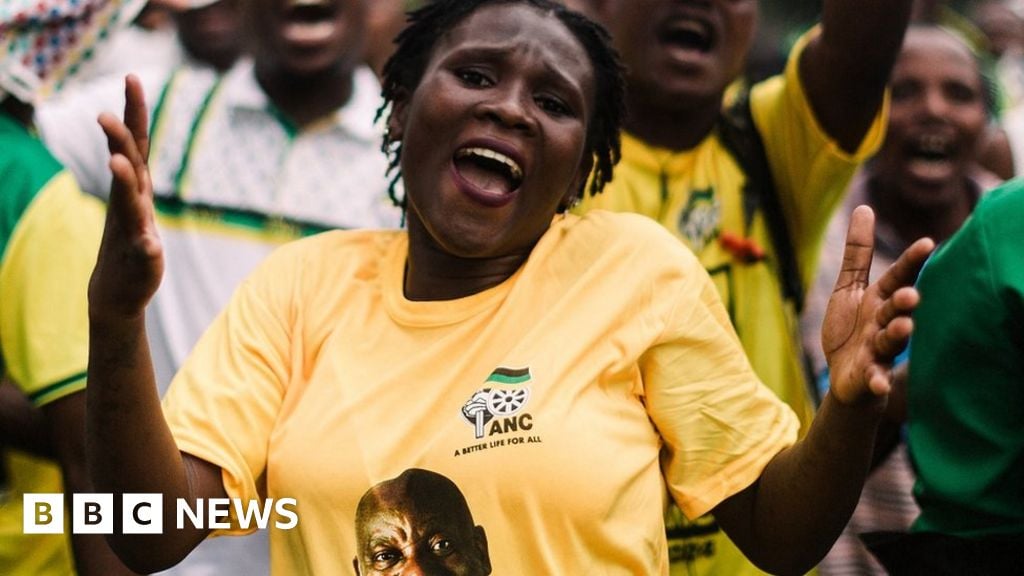
Following a significant decline in support in the recent elections, South Africa's ruling African National Congress (ANC) is in talks with various political parties to form a coalition government. With no party securing an outright majority, the ANC is exploring alliances, including a potential coalition with the Democratic Alliance (DA) to ensure stability. The ANC's weakened position has led to discussions about forming a government of national unity, reminiscent of Nelson Mandela's era, but challenges remain due to differing political agendas and internal party scrutiny.
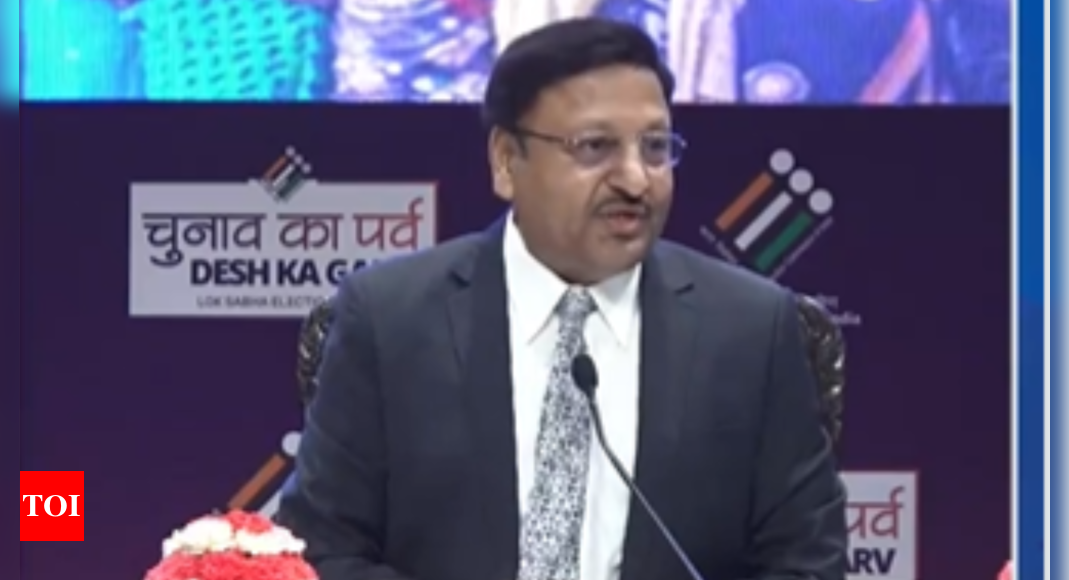
Chief Election Commissioner Rajiv Kumar addressed various aspects of the 2024 Lok Sabha elections, emphasizing the robustness of the election process, the absence of cash and liquor distribution, and the control over deep fakes. He highlighted record voter participation, with 642 million voters, and significant logistical efforts involving 1.5 crore personnel. Despite social media memes, Kumar affirmed the presence and transparency of the Election Commission. Political leaders from various parties expressed confidence in their performance, with exit polls predicting a BJP-led NDA victory.
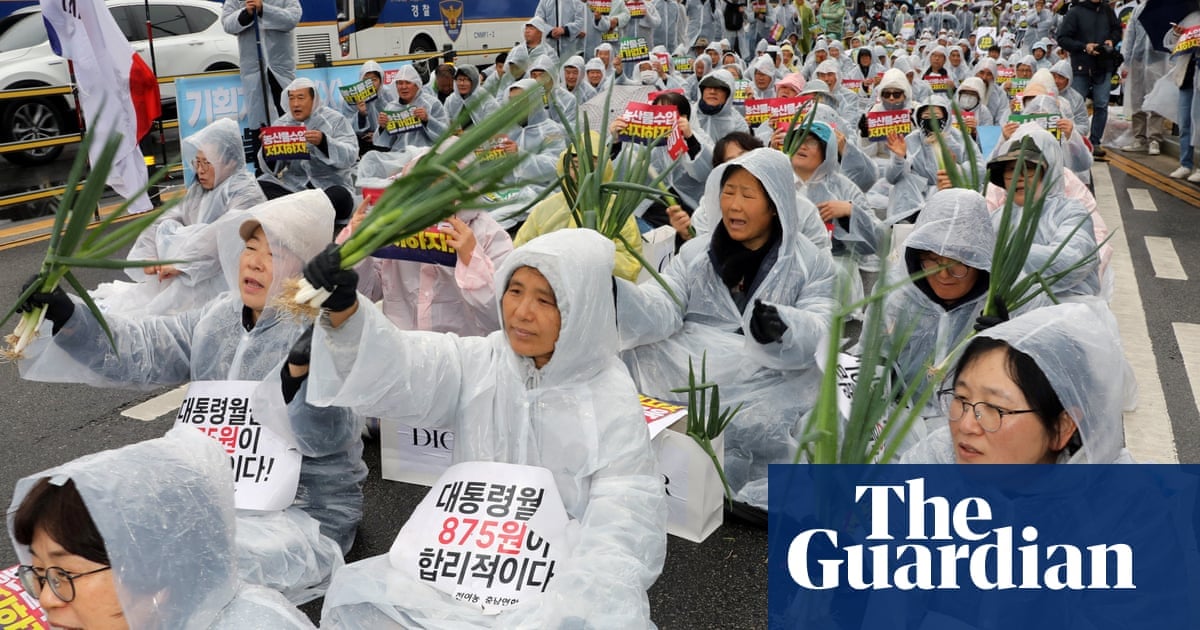
South Korea's conservative president, Yoon Suk Yeol, faced backlash after downplaying the soaring price of green onions, symbolizing voter anger over rising living costs. The upcoming national assembly elections are crucial for Yoon's People Power party, but his supermarket visit and subsequent onion memes have fueled support for smaller parties, potentially disrupting the balance of power. Disaffection with established parties has given rise to new contenders like the Rebuilding Korea party, led by former justice minister Cho Kuk, who could potentially form a coalition to challenge Yoon's party's control.
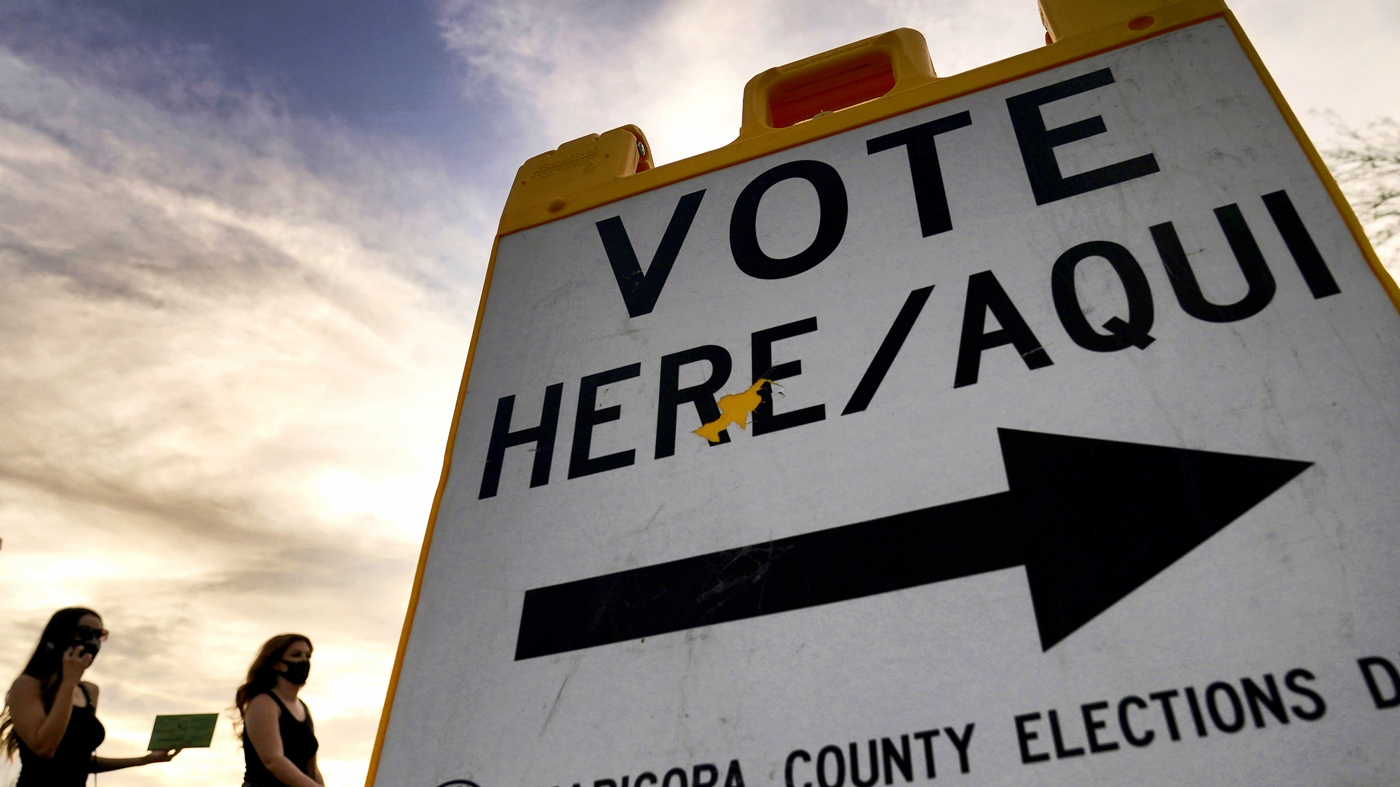
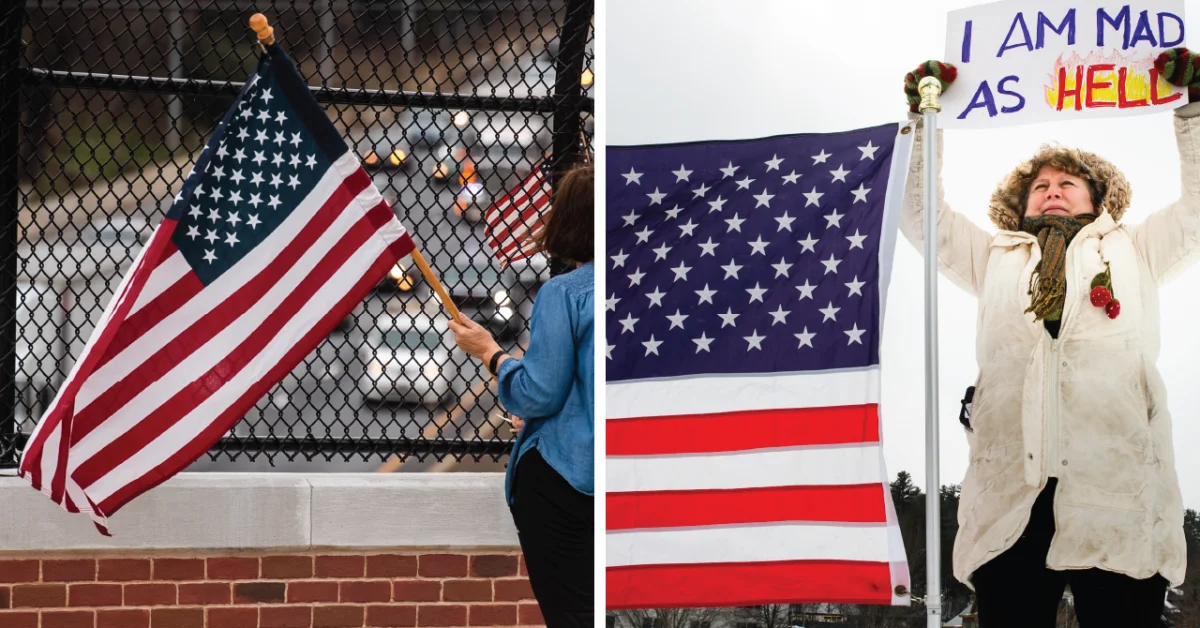
In Arizona's upcoming presidential preference election, independent voters are not allowed to participate, unlike in most other elections in the state. This exclusion has sparked debate among election officials and voters, with some advocating for more inclusivity and others arguing that the primary process should be limited to registered party members. Efforts are underway to potentially change this system in the future, with a ballot initiative gathering support to require political parties to either fund the election or allow independents to participate.
South Africa's ruling African National Congress (ANC) faces a tough battle in the upcoming elections as dissatisfaction with the economy, public services, and corruption threatens its majority. President Cyril Ramaphosa launched the party's manifesto, promising to create jobs, boost investment, and eradicate corruption. The main opposition Democratic Alliance (DA) aims to address the country's crises with a liberal economic approach, while the Economic Freedom Fighters (EFF) seeks to transform the economy by expropriating land and nationalizing key sectors. With former President Jacob Zuma's new party also in the mix, South Africa is gearing up for a highly contested election with the possibility of a coalition government.
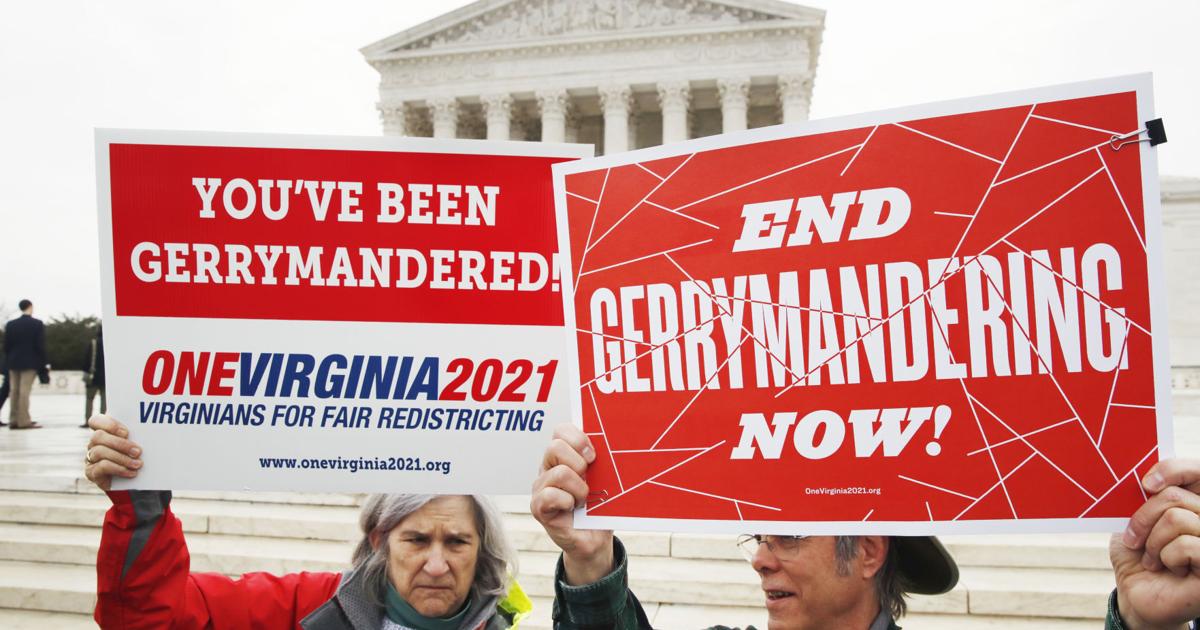
Wisconsin's new legislative maps, signed into law by Gov. Tony Evers, are expected to make the state's Legislature more evenly balanced between the two major parties. The maps have created 10 highly competitive districts, with seven in the Assembly and three in the Senate, where control of the Legislature could hinge on the outcome of elections. These changes come after years of Republican dominance in the Legislature despite losing statewide races, and the new maps are likely to prompt both parties to target a larger number of districts in upcoming elections.
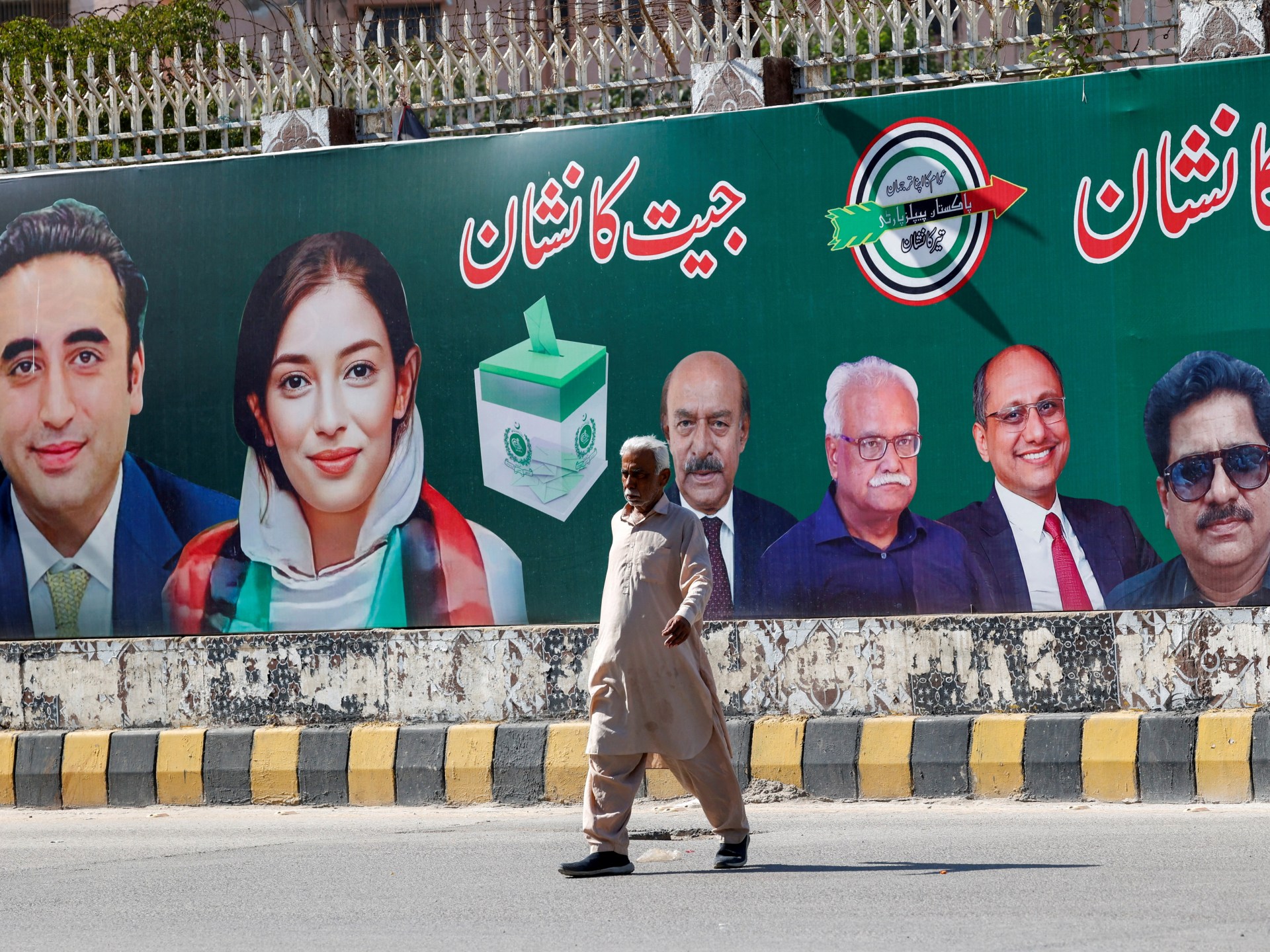
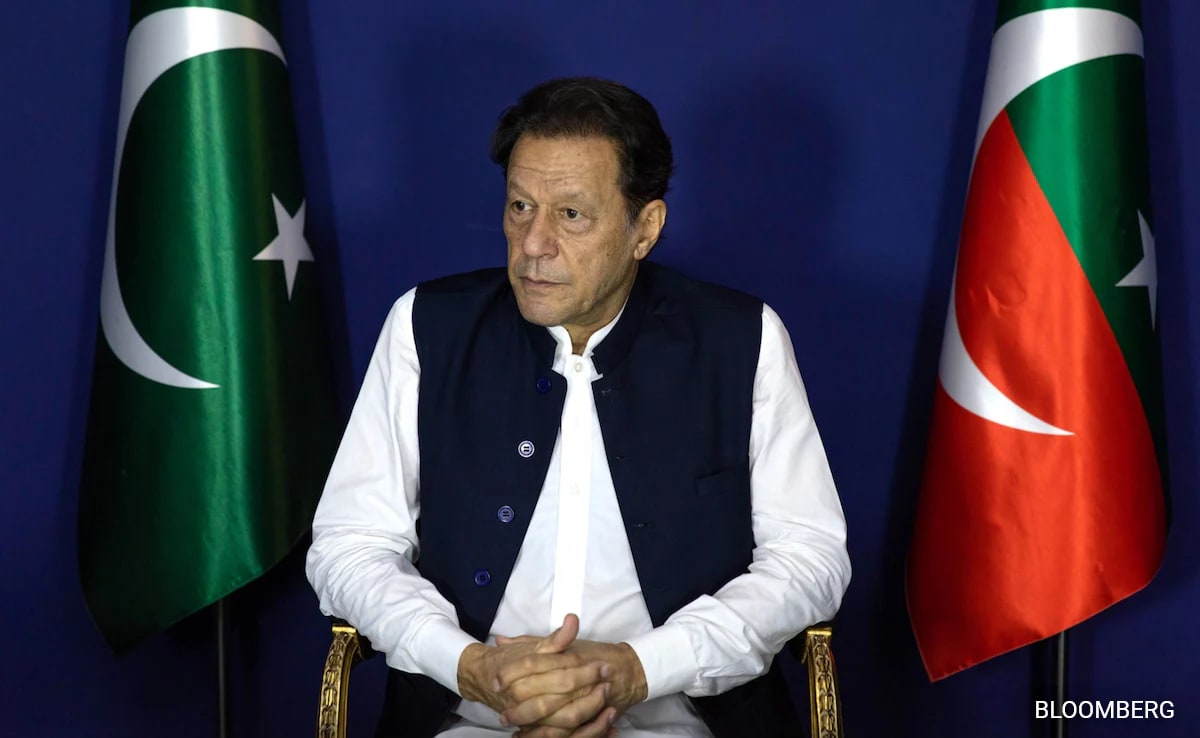
Pakistan's PPP and PMLN have reached a coalition agreement to form a government, with Shehbaz Sharif as the candidate for prime minister and Asif Ali Zardari as the candidate for president, following inconclusive national elections. The PTI, led by Imran Khan, alleged widespread vote rigging and faced restrictions, while the country grapples with an economic crisis and rising violence. The delay in forming a government has caused concern, and the PPP and PMLN aim to expedite the process as per the country's constitution.
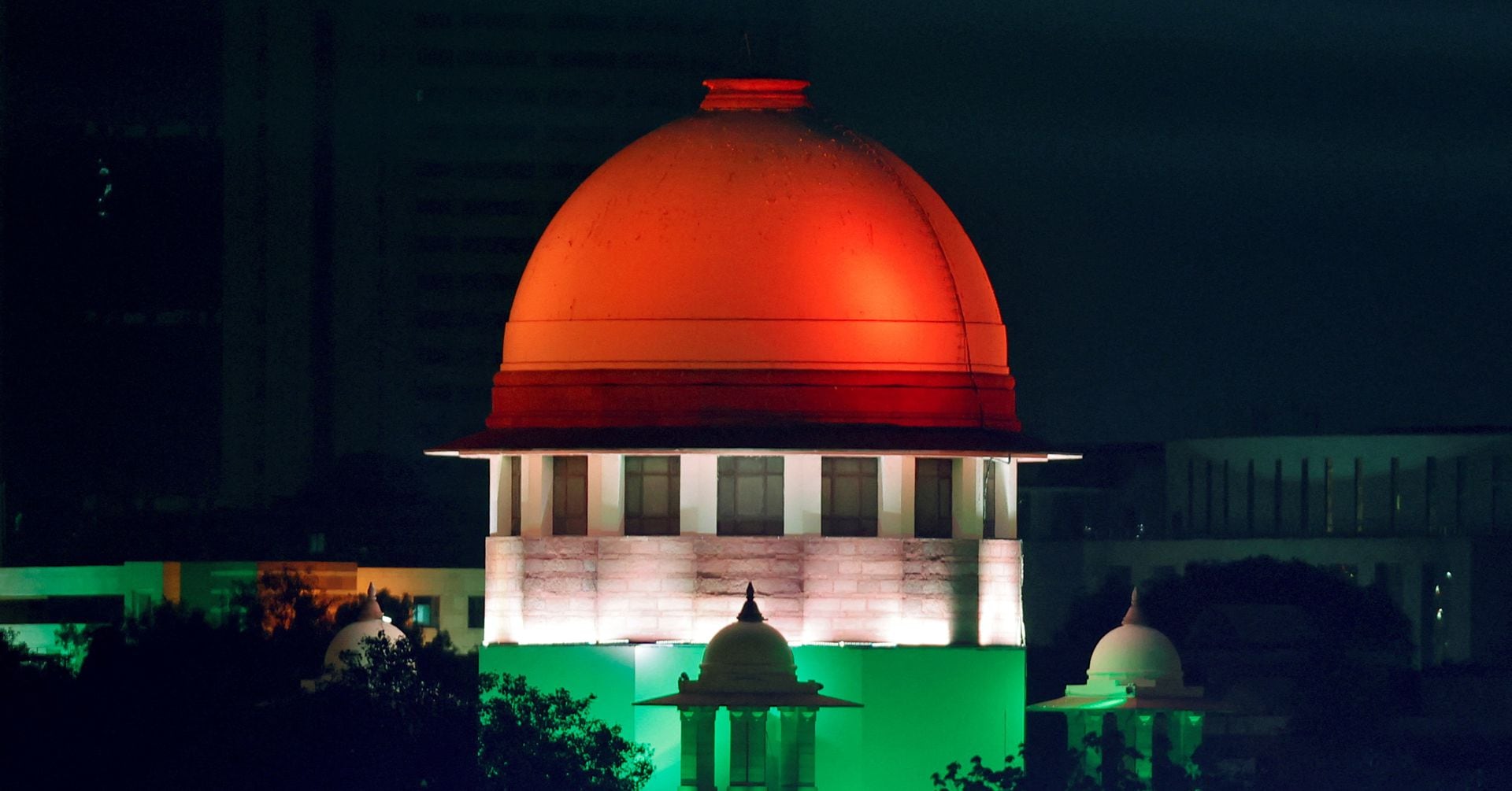
India's Supreme Court has declared the Electoral Bonds system, which allowed anonymous and unlimited donations to political parties, as unconstitutional, posing a setback for Prime Minister Narendra Modi's Bharatiya Janata Party. The system, in place since 2017, was challenged for hindering transparency in political funding. The court reinstated corporate donation limits, directed the State Bank of India to cease issuing such bonds, and mandated disclosure of bond buyers' identities and information on bonds redeemed by each political party. The decision aims to address concerns about the influence of money in politics and the lack of transparency in political funding.
Four days after Pakistan's general elections, no party has secured a majority to form a government, with Imran Khan's PTI winning the most seats but falling short. Possible scenarios include a coalition between PML-N and PPP, or PPP working with PTI, while PTI-backed independents may join a smaller party. Allegations of vote-rigging and protests have added to the uncertainty, with the constitution mandating a government formation by 29 February.
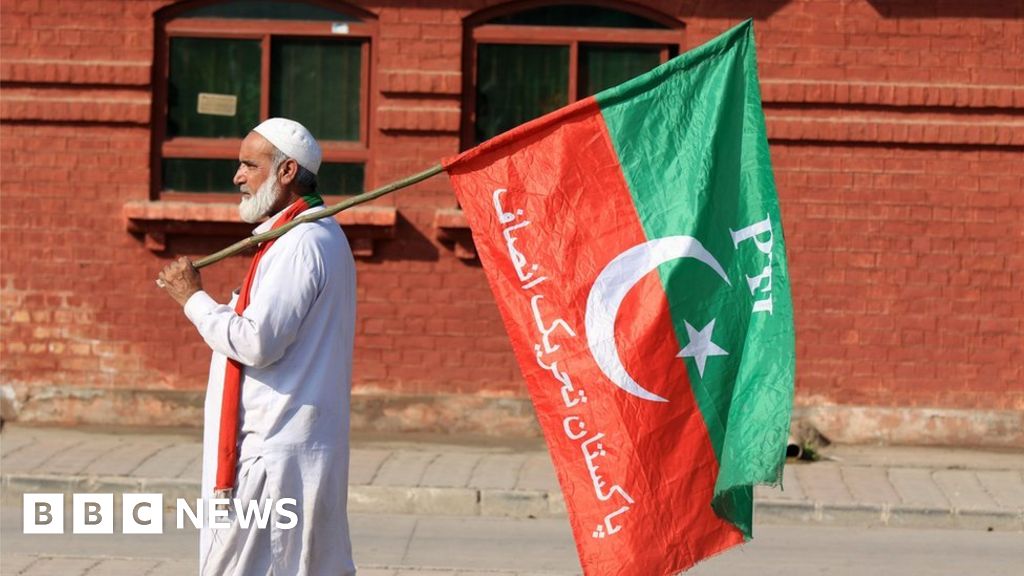
Imran Khan's Pakistan Tehreek-e-Insaf party faced numerous obstacles in the lead-up to Pakistan's election, including the jailing of Khan and the barring of his colleagues from contesting under their party's name or symbol. Despite this, candidates running as independents and backed by Khan put forth a strong showing, winning 100 of 265 contested lower-house seats. The results point to Khan's enduring popularity and public disillusionment with the status quo of Pakistani politics. The election was marred by terrorist attacks, and any post-election instability could further challenge an economy already grappling with high inflation and the need to negotiate a new IMF bailout program.
Independent candidates affiliated with jailed ex-leader Imran Khan's party won the most seats in Pakistan's general election, leading to a surprise victory in a vote marked by slow counting and rigging allegations. None of the major parties secured enough seats to form a government, leaving the next prime minister uncertain. Violent protests erupted over vote rigging allegations, resulting in casualties. The election was seen as a referendum on the military's role in politics, with foreign governments expressing concerns about interference. Imran Khan, who remains imprisoned, accused the military of orchestrating his removal from office.