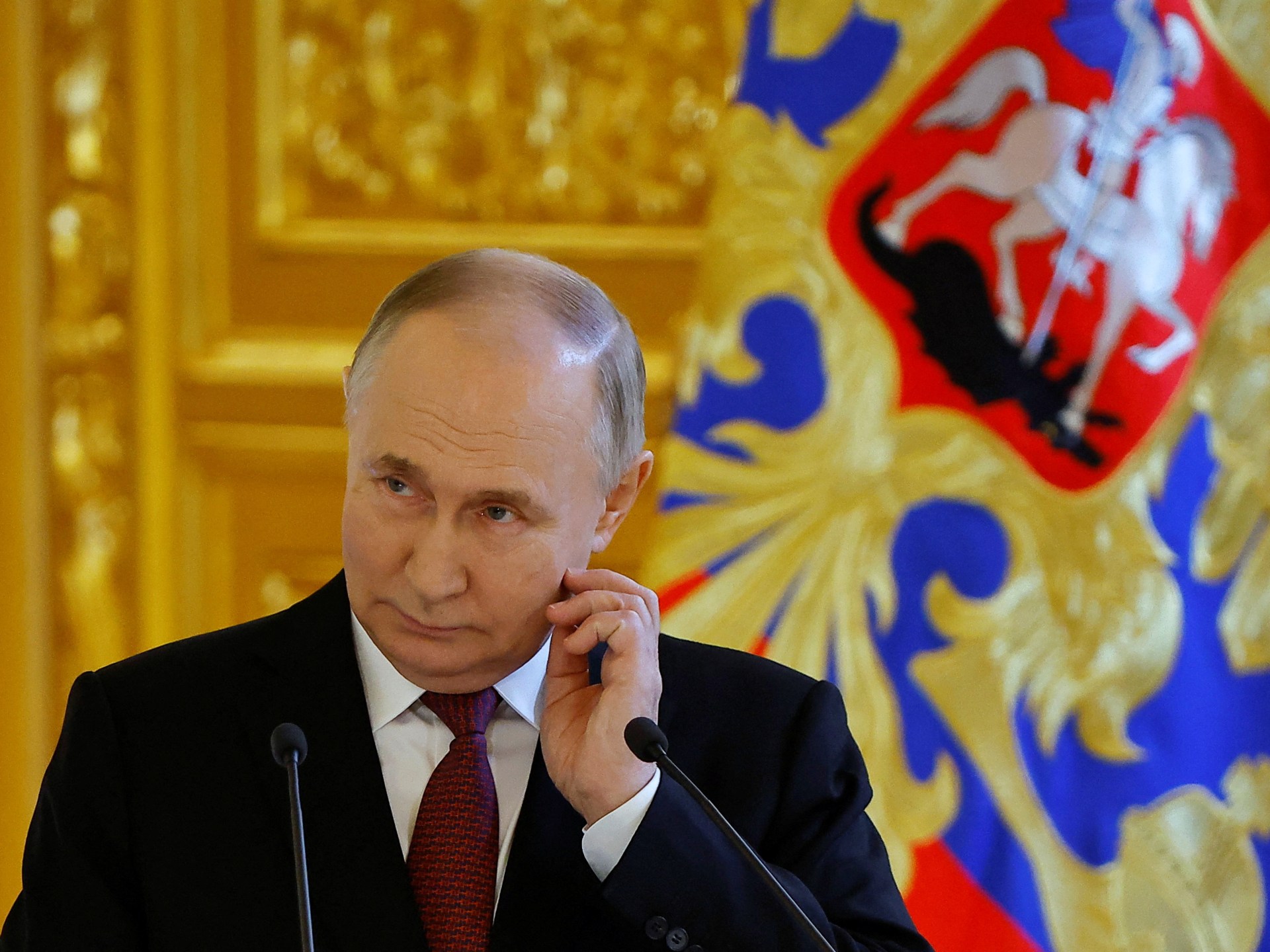
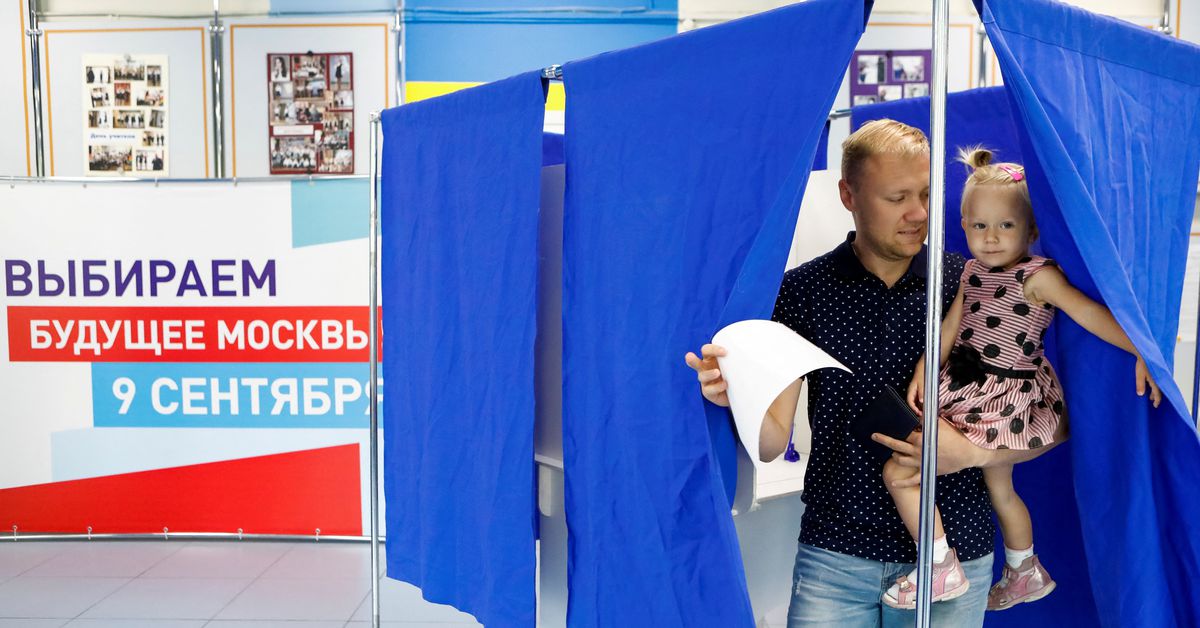
Critics of the recent presidential vote in Russia, won by Vladimir Putin, have decried widespread vote rigging and record falsification, with reports of coercion, ballot stuffing, and falsified votes in Russia-occupied parts of Ukraine and within Russia itself. Independent monitors and analysts have claimed that at least 31.6 million votes for Putin were falsified, marking a new high in vote rigging. The Kremlin's efforts to imitate transparency and openness during the campaign have been criticized, and the vote has been seen as a display of Putin's attempts to legitimize his rule. The shift in public opinion towards pro-war sentiments, fueled by propaganda and economic resilience, has been noted as a factor in the election results.
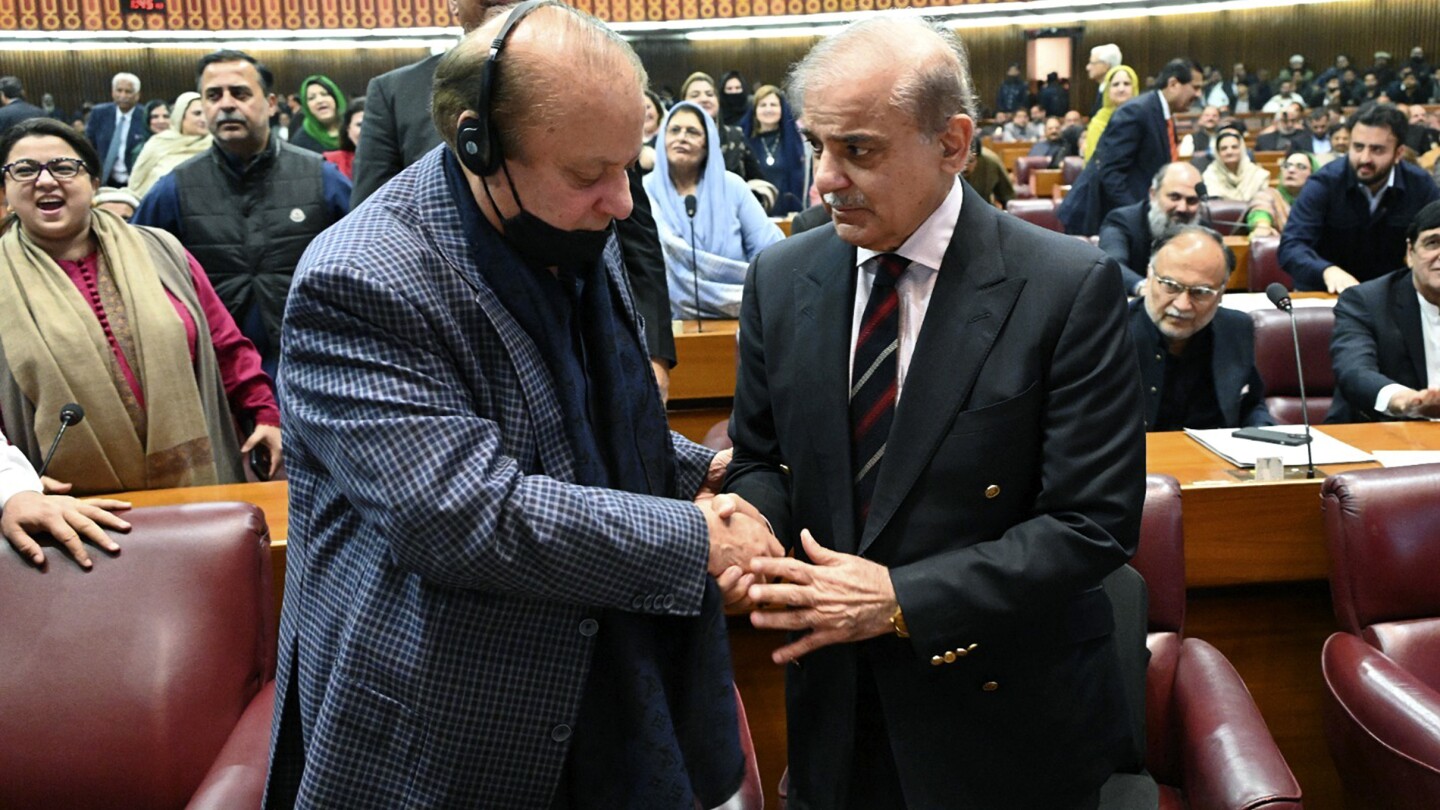
Shehbaz Sharif has been elected as Pakistan's new prime minister, replacing the imprisoned former premier Imran Khan, amid allegations of vote rigging by Khan's allies in parliament. Sharif secured 201 votes, defeating Omar Ayub, who was backed by Khan's party. The election, overshadowed by violence and a mobile phone shutdown, has been contested by Khan's party, which claims evidence of rigging. Sharif aims to address economic challenges, repair ties with the U.S., and seek a new IMF bailout, while facing opposition protests and demands for a probe into the election.
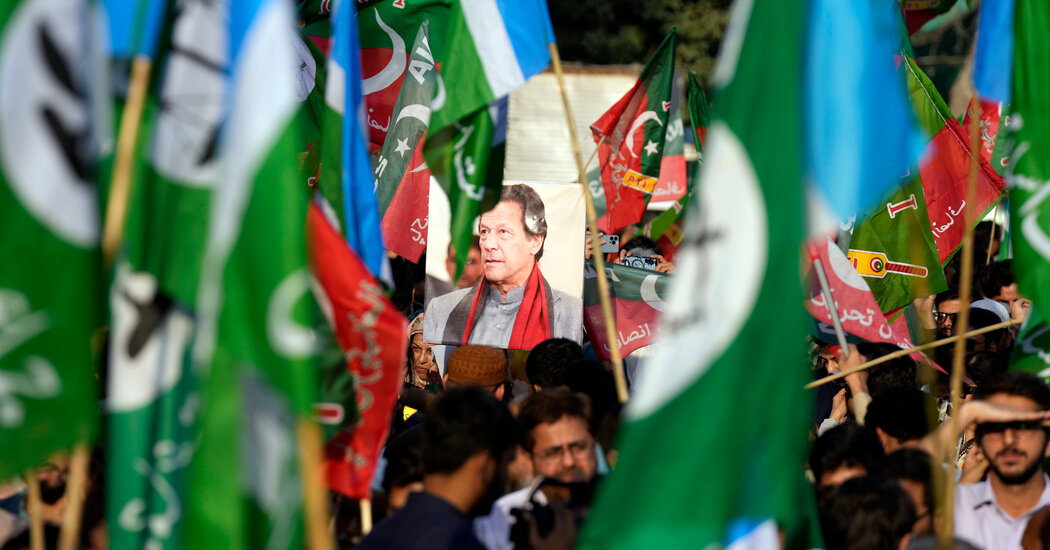
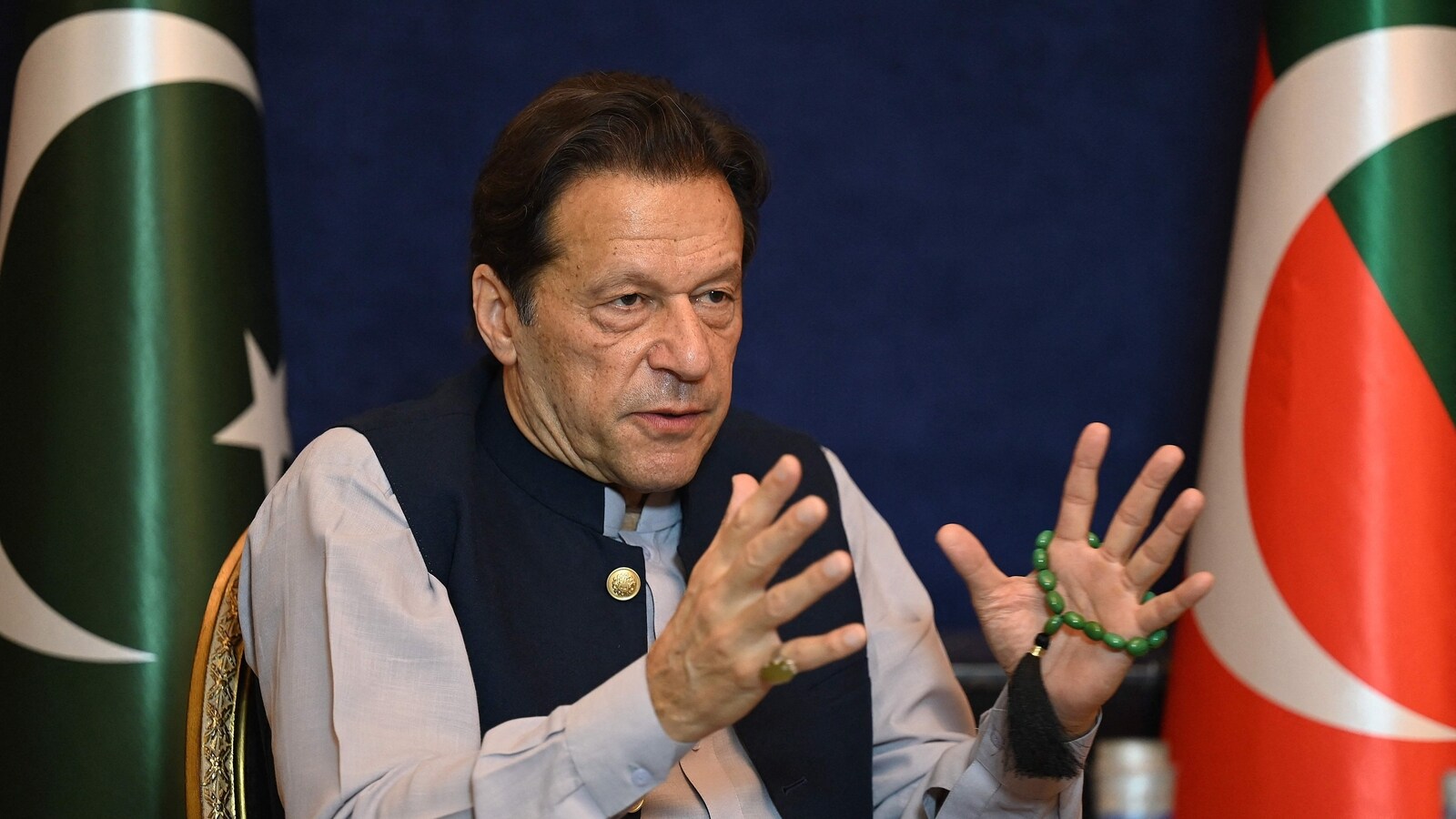
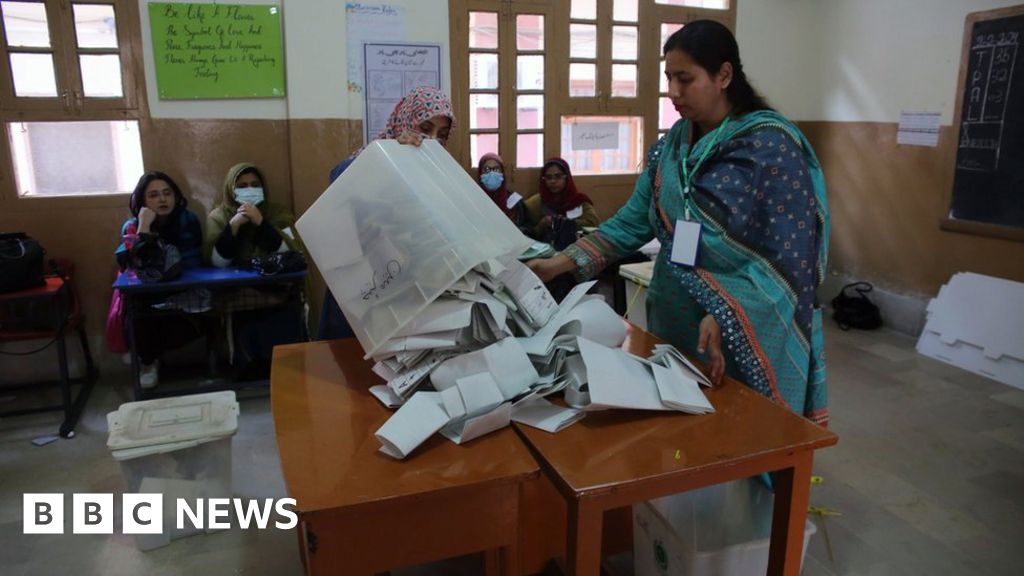
Imran Khan's party won the most seats in Pakistan's national election, but supporters are alleging vote rigging and challenging the results in court. Pressure is mounting on the Election Commission to address irregularities in the vote counting, leading to protests in various parts of the country. The political future of Pakistan remains uncertain as the Election Commission has yet to finalize the results, with Imran Khan's party, the Pakistan Muslim League-Nawaz, and the Pakistan People's Party vying for power.
Allies of Pakistani Prime Minister Imran Khan have accused officials of vote rigging in the recent Senate elections, claiming that the ruling party's candidates were unfairly disadvantaged. The allegations have sparked controversy and raised concerns about the transparency of the electoral process in Pakistan.
Pakistan faces political uncertainty as no clear majority emerges from the recent elections, with Imran Khan's Pakistan Tehreek-e-Insaf (PTI) and the army-backed Pakistan Muslim League-Nawaz (PML-N) vying for power. Independent candidates loyal to Khan have performed strongly, prompting talks for potential coalition governments. Allegations of vote-rigging and concerns over military influence have marred the election process, leading to protests and violence in some areas. International observers have expressed concerns, and the country awaits the outcome of negotiations and potential alliances to form a government.
Vote counting is underway in Pakistan following a general election marred by mobile phone service suspensions and violent unrest. Imran Khan's party alleges vote-rigging as unofficial results suggest his allies are leading. Khan, disqualified and jailed last year, was barred from standing, and his party had to field candidates as independents. The election saw slow result reporting, with the government blaming an "internet issue" for the delay. Despite economic woes and violence, millions cast their votes, with the PML-N and PPP considered major parties. Imran Khan's imprisonment and alleged military interference have raised concerns, while Nawaz Sharif, recently returned from exile, is poised for a potential fourth term.
Serbia's ruling party, the Serbian Progressive party (SNS), has declared victory in the country's snap parliamentary election, despite reports of significant irregularities and accusations of vote-rigging. The SNS claimed to have secured 47% of the vote, but the main opposition group disputed these projections. Election monitors and independent media reported irregularities, including instances of voters being paid to support the SNS and the presence of unauthorized individuals at polling stations.
Russia concluded regional and municipal elections, including in annexed regions of Ukraine, which delivered strong support for President Vladimir Putin. The vote has been criticized for alleged vote rigging and Kyiv's claim that it was an illegal attempt by Moscow to tighten its grip over the regions. The Council of Europe called the vote a violation of international law. While Putin's United Russia party dominated the elections, strong opposition candidates were blocked from running. Reports of vote rigging and intimidation tactics against opposition candidates have surfaced. The Kremlin maintains that elections are free and fair, and that Putin is the most popular politician in Russia.
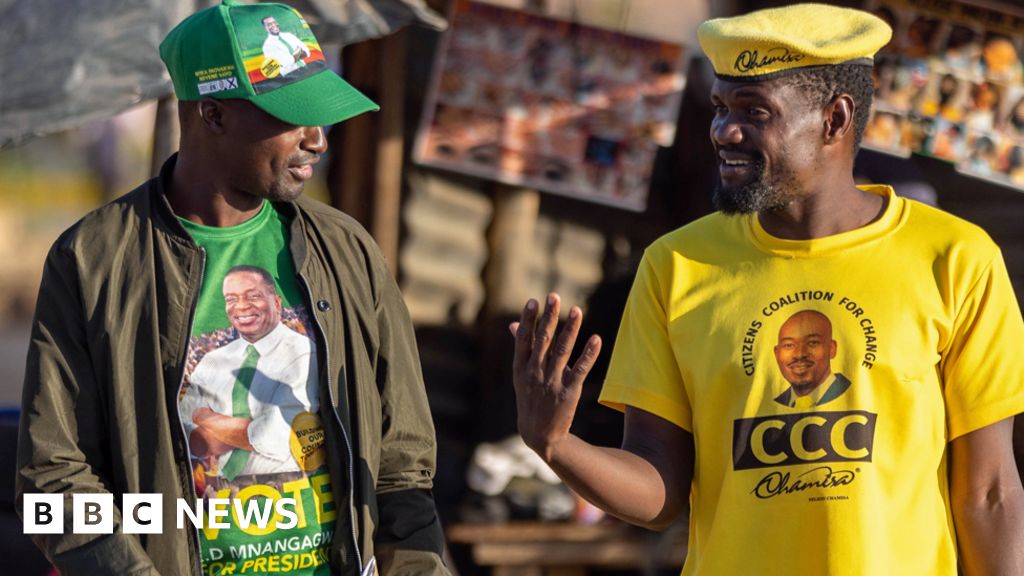
As Zimbabwe prepares for its first election since the ousting of Robert Mugabe, concerns about vote rigging and the fairness of the polls persist. President Mnangagwa, the candidate of the ruling Zanu-PF party, faces competition from Nelson Chamisa of the Citizens Coalition for Change (CCC) and nine other contenders. Human rights groups report an increase in threats, intimidation, and violence, with the ruling party accused of being complicit. Despite reservations about the fairness of the election, Chamisa has decided to participate, while the Movement for Democratic Change (MDC) leader has called for a boycott. An activist group called Team Pachedu is using an app called Mandla to monitor potential election rigging.