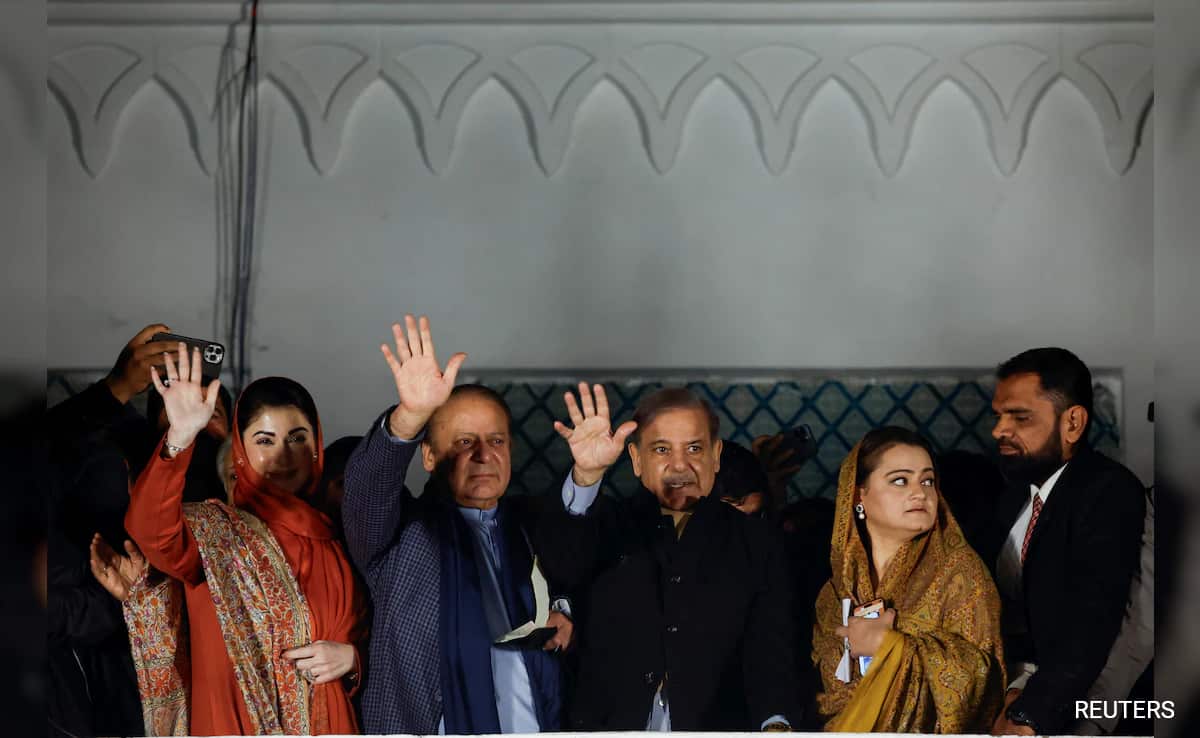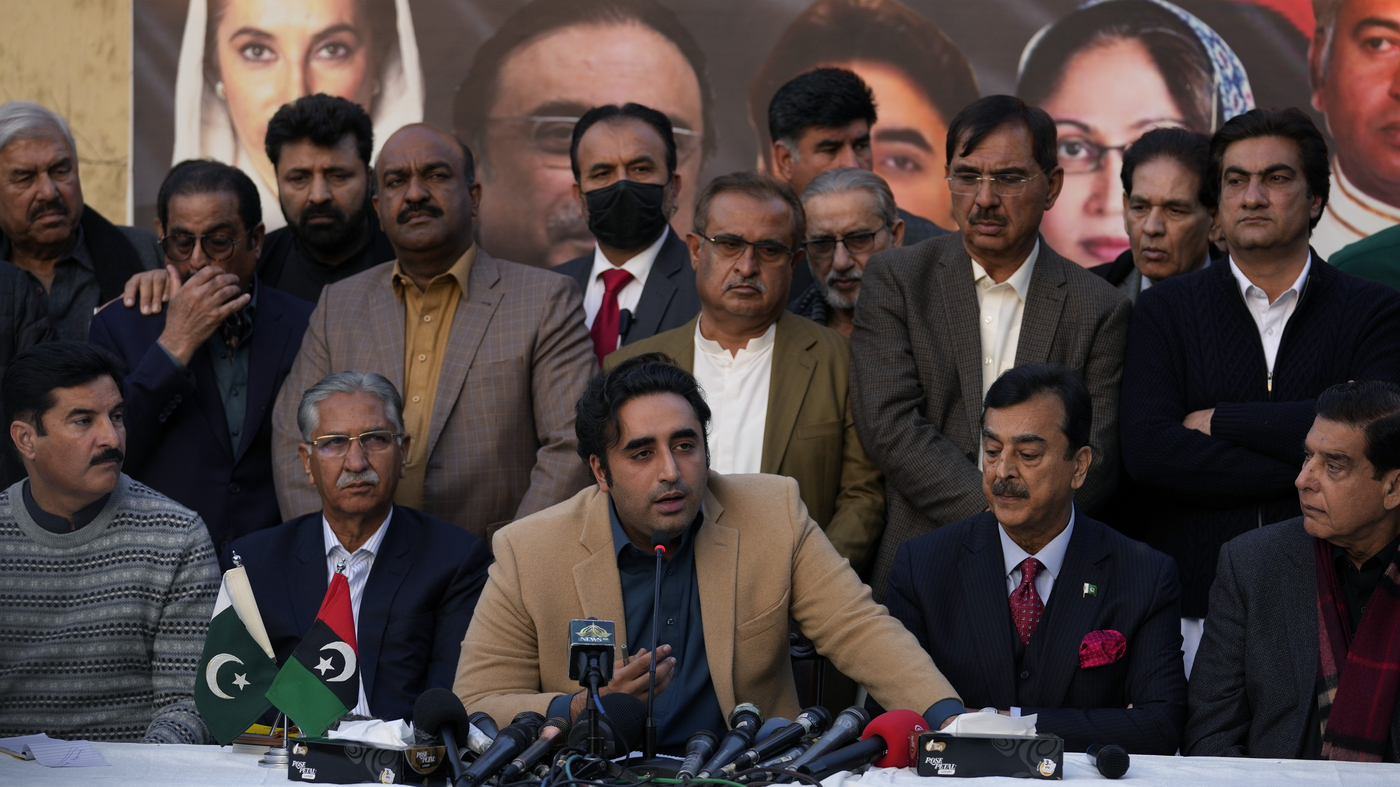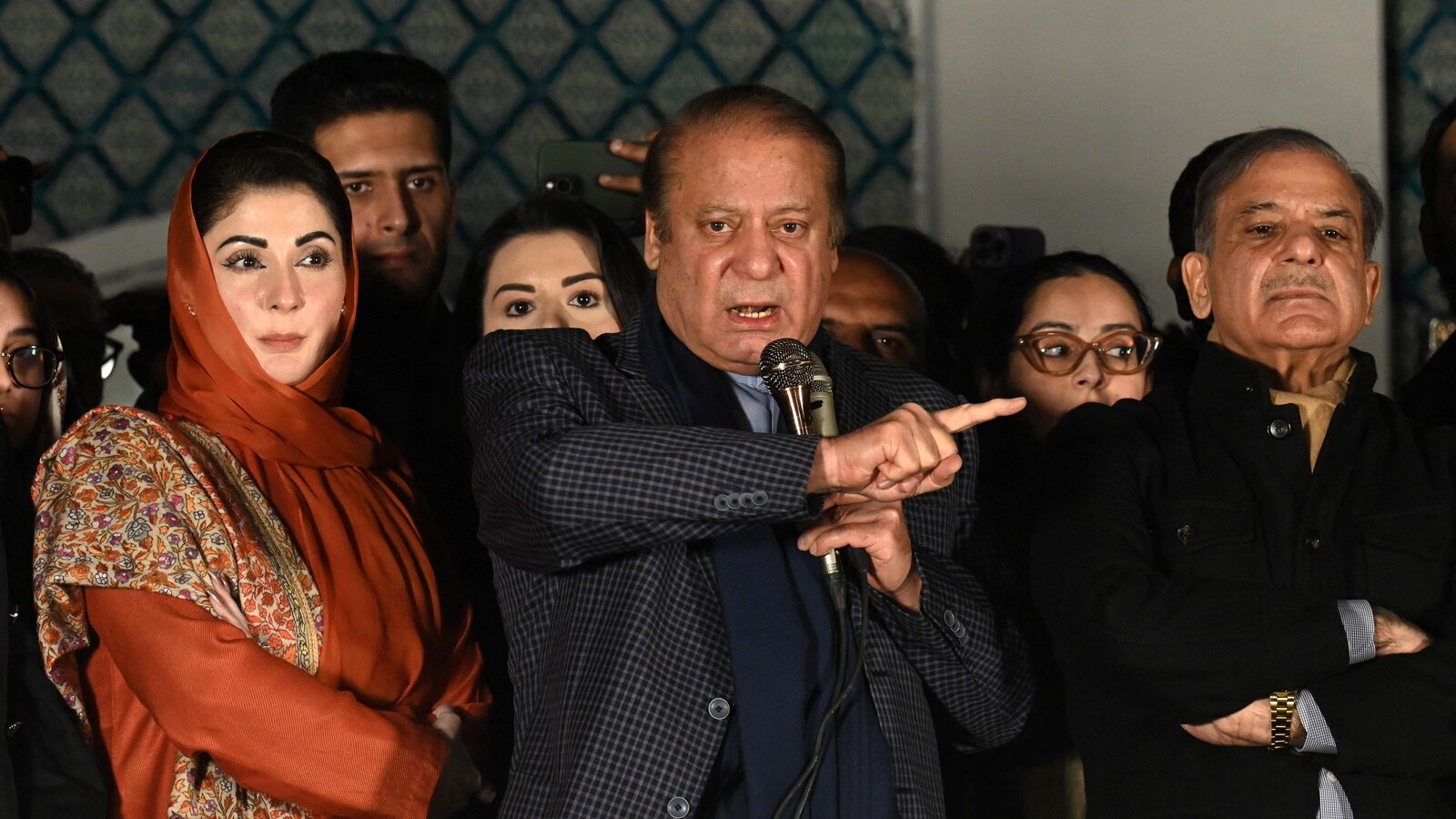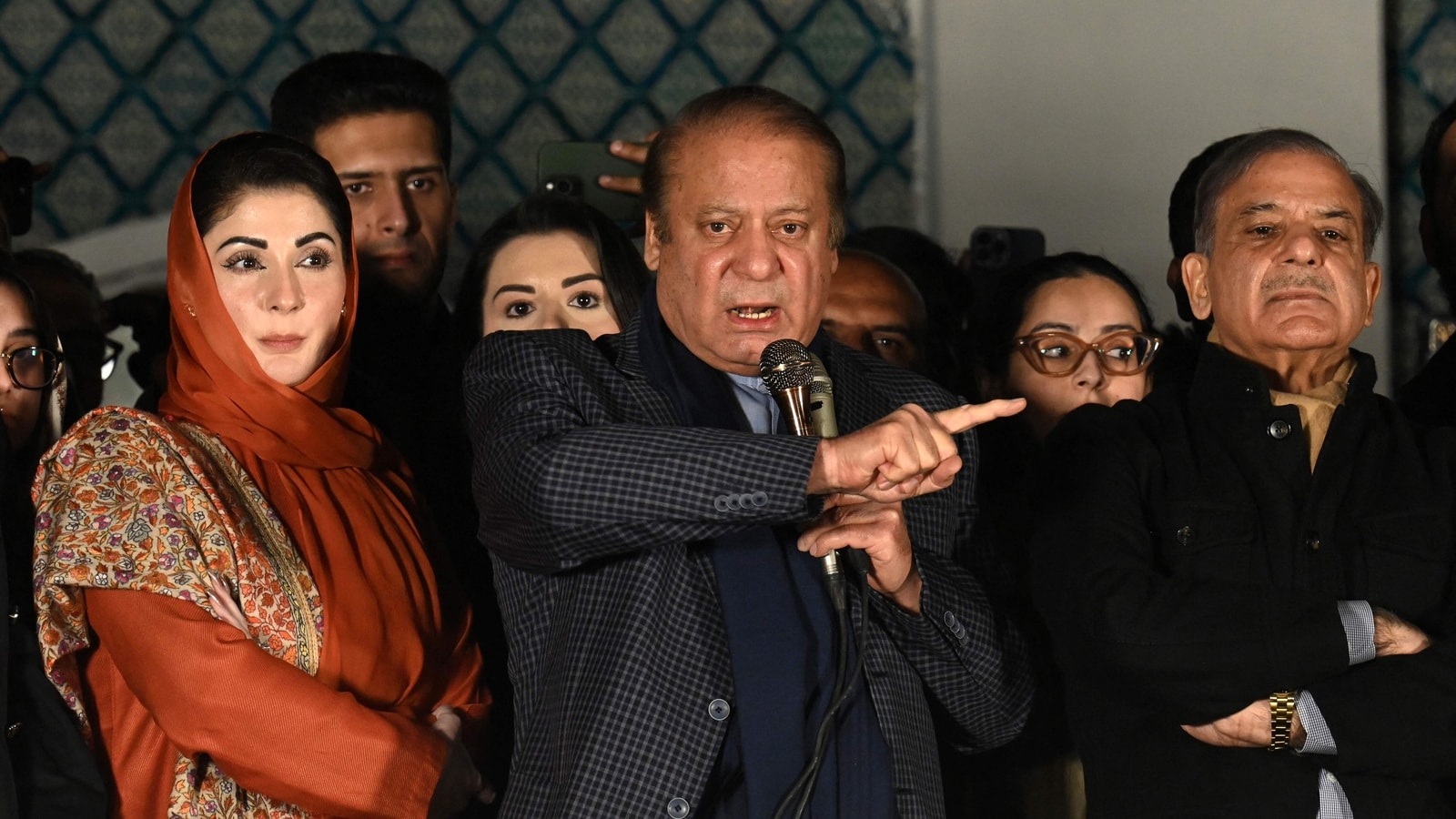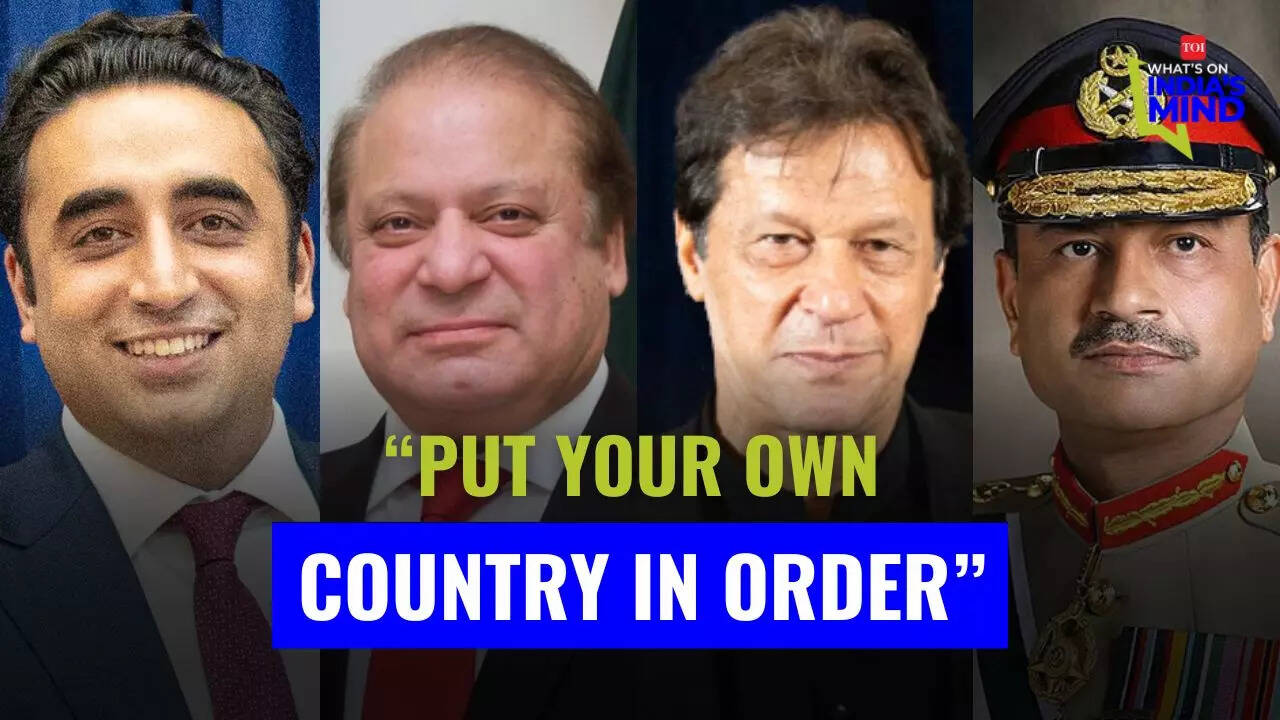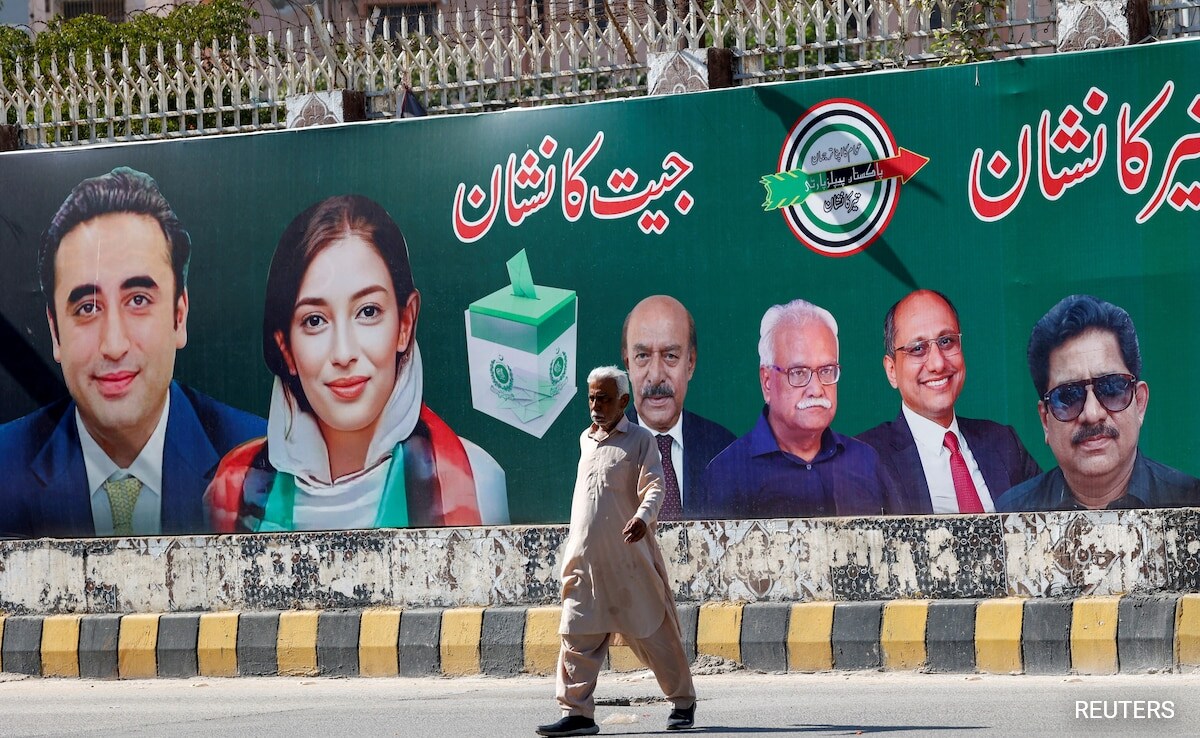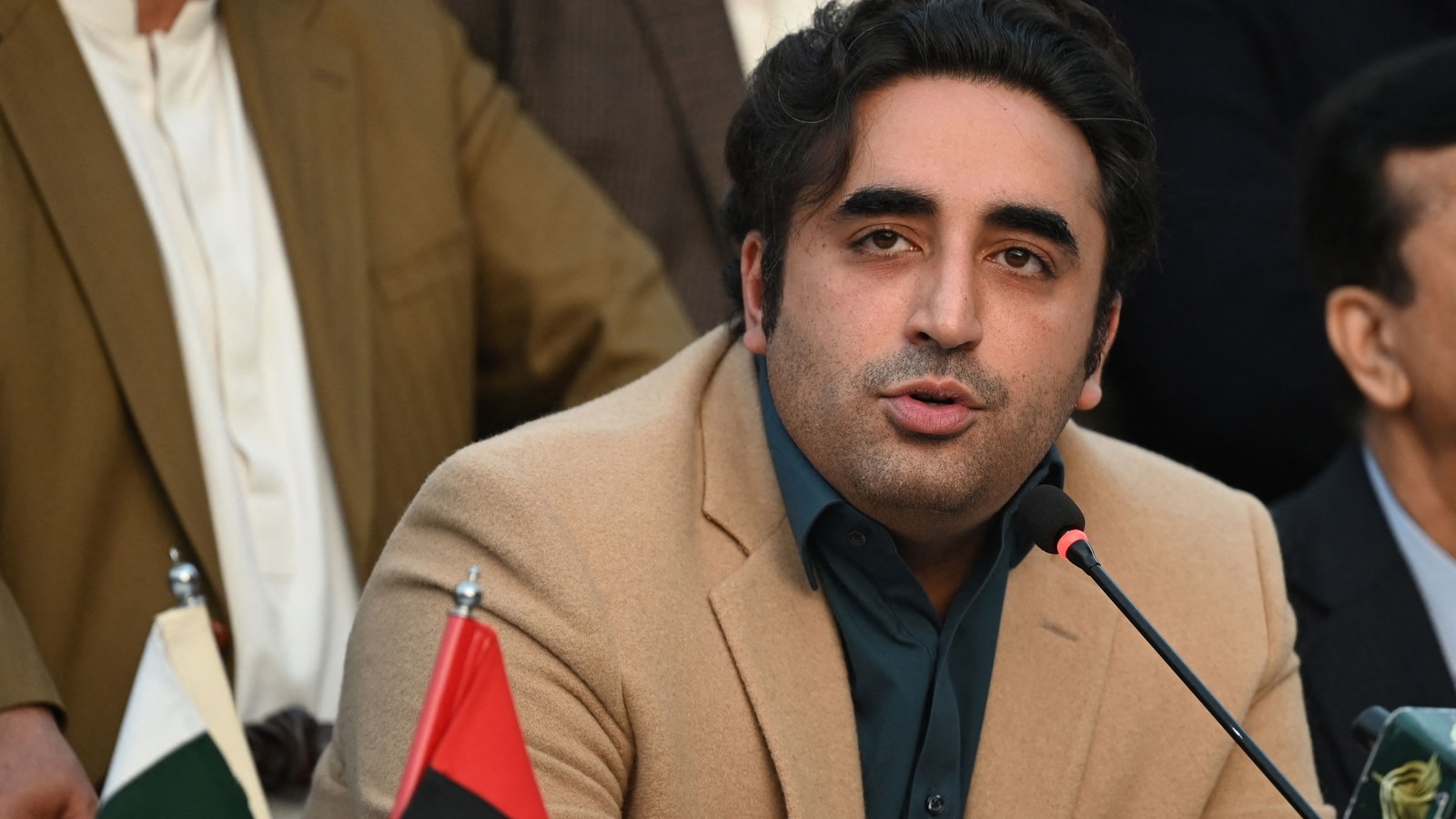
The Pakistan Peoples Party (PPP) led by Bilawal Bhutto Zardari has struck a deal with the Pakistan Muslim League-Nawaz (PML-N) to form a coalition government in Pakistan following the hung national assembly produced by the Feb. 8 elections. As per the agreement, Shehbaz Sharif, the younger brother of former Premier Nawaz Sharif, will be the coalition's candidate for prime minister, while Bilawal's father, Asif Ali Zardari, will be their candidate for the country's president.
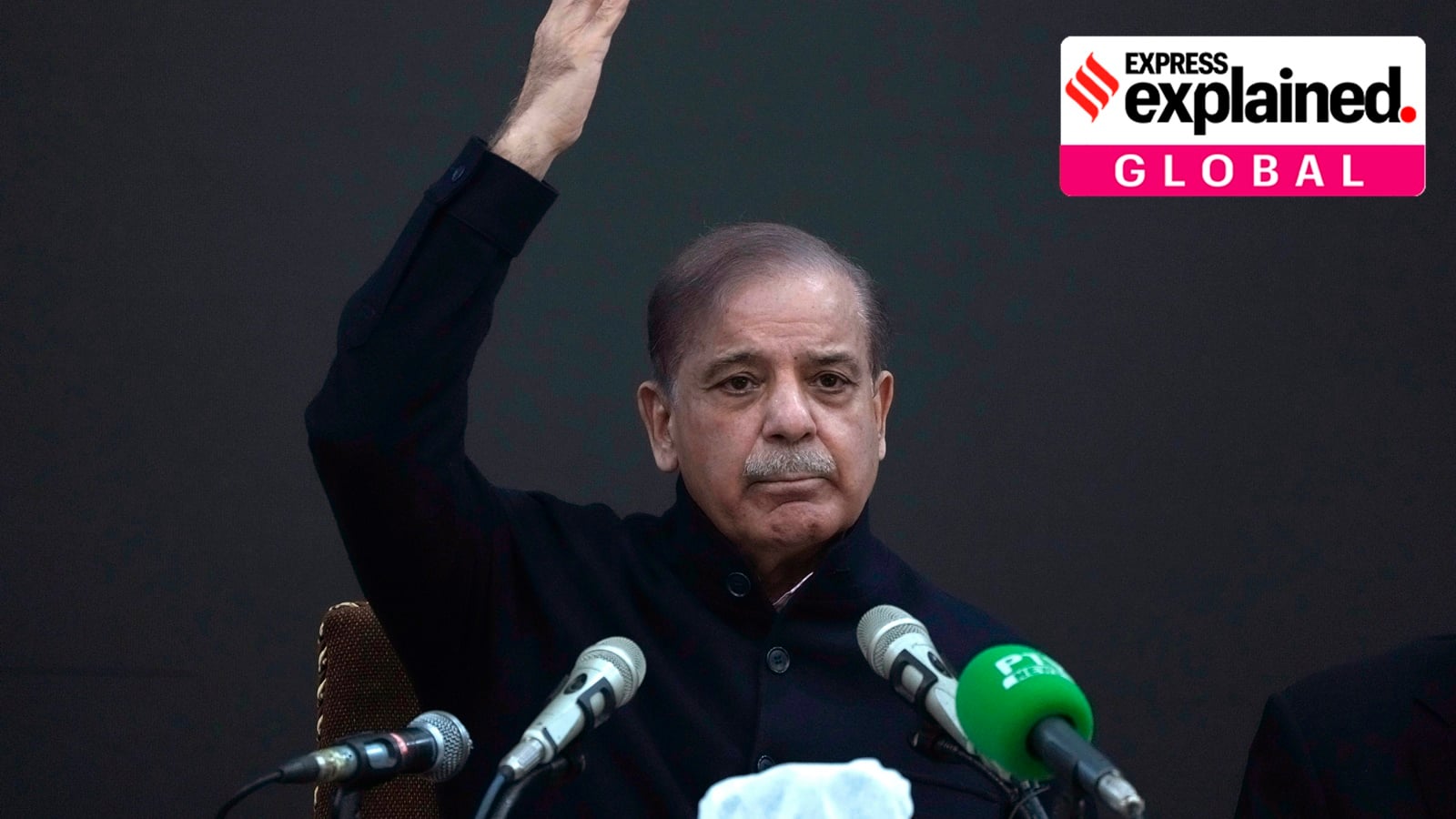
Shehbaz Sharif, the 72-year-old former Prime Minister of Pakistan, is set to return as the PM candidate instead of his older brother Nawaz Sharif, who was widely expected to take the top post. Shehbaz's political career includes serving as the Chief Minister of Punjab multiple times and facing criticism as Prime Minister for economic challenges and perceived ties to the military regime. His elevation has caused disquiet within the PML-N, with reasons cited for his selection including his better equation with the military and Nawaz's reluctance to lead a coalition government.
After the 2024 Pakistani elections, the PML-N and PPP have formed a coalition to potentially govern the nation, with Shehbaz Sharif emerging as the potential candidate for prime minister. The coalition faces the challenge of forming a government with a minimum required number of 169 seats and potentially reaching two-thirds majority of 224 seats in the 336-member Pakistan National Assembly. However, the distribution of key positions within the coalition remains unclear, leaving room for negotiations and speculation. The success of this coalition in forming the next government hinges on effective negotiations, internal cohesion, and addressing the challenges posed by allegations of election irregularities.
Pakistan's former Prime Minister Nawaz Sharif's party and its allies have announced plans to form a coalition government after no party won a simple majority in last week's parliamentary elections. The coalition, which includes rivals of imprisoned former Prime Minister Imran Khan, is expected to be led by Sharif's Pakistan Muslim League. The move comes after Khan's party refused to hold talks with its rivals, and Khan himself was disqualified from contesting the vote and is currently serving prison terms. The parliament is expected to convene before Feb. 29 to swear in lawmakers and elect the new prime minister.
Former Pakistan Prime Minister Nawaz Sharif has nominated his brother Shehbaz Sharif as the next Prime Ministerial candidate to lead a new coalition alliance formed after national elections resulted in a hung parliament. The Pakistan Muslim League-Nawaz (PML-N) and the Pakistan Peoples Party (PPP) have sufficient seats to secure a simple majority, with the PPP announcing its decision to back Sharif's party in establishing a minority government. This alliance has quelled concerns regarding government formation, following inconclusive elections and raised fears of renewed instability.
Pakistan's political deadlock sees PPP leader Bilawal Bhutto Zardari dropping out of the race for prime minister and pledging support for Nawaz Sharif's PML-N, while also ruling out joining the cabinet. This move paves the way for Nawaz Sharif to potentially become prime minister for a record fourth time, following a tumultuous period marked by legal battles and exile. The announcement comes after the February 8 polls resulted in a fractured mandate, with independent candidates winning the most seats in the National Assembly.
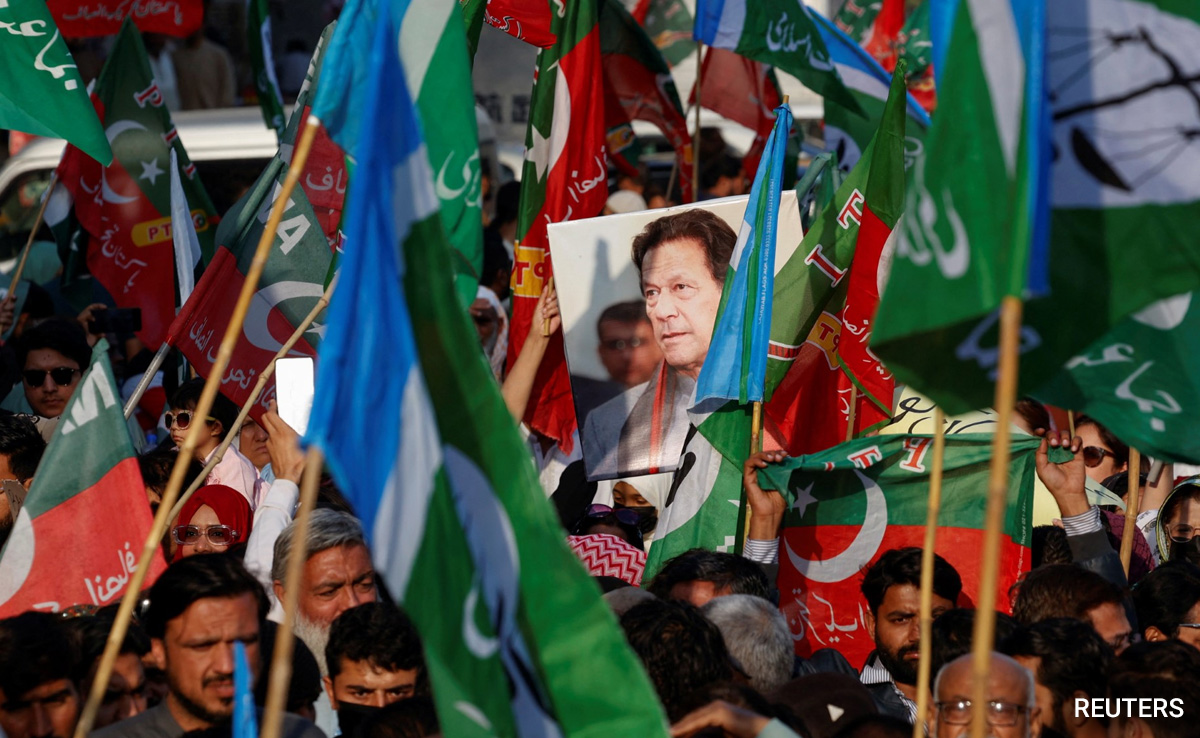
Pakistan's recent elections and the ensuing political drama have captured the attention of Indians across the border, with a Vox Pop video showcasing a diverse range of perspectives and opinions on the situation, from allegations of rigging to Imran Khan's supporters taking to the streets.
Pakistan's recent election saw a surprising performance by Imran Khan loyalists running as independents, winning the most seats despite Khan's party not having a simple majority. Talks of a coalition between the Sharif and Bhutto parties are ongoing, with the military's likely backing. It's uncertain whether Khan's PTI will form a government, and concerns about result manipulation have been raised. The military's influence and the potential impact on markets are key factors in the aftermath of the disputed election.
Pakistan's national election resulted in no party winning a majority in parliament, leading to uncertainty and potential scenarios for forming a government, including coalition deals involving Nawaz Sharif's party, Imran Khan's independent candidates, or the Pakistan Peoples Party. If no agreement is reached, there is a possibility of the army stepping in to restore order and take power.
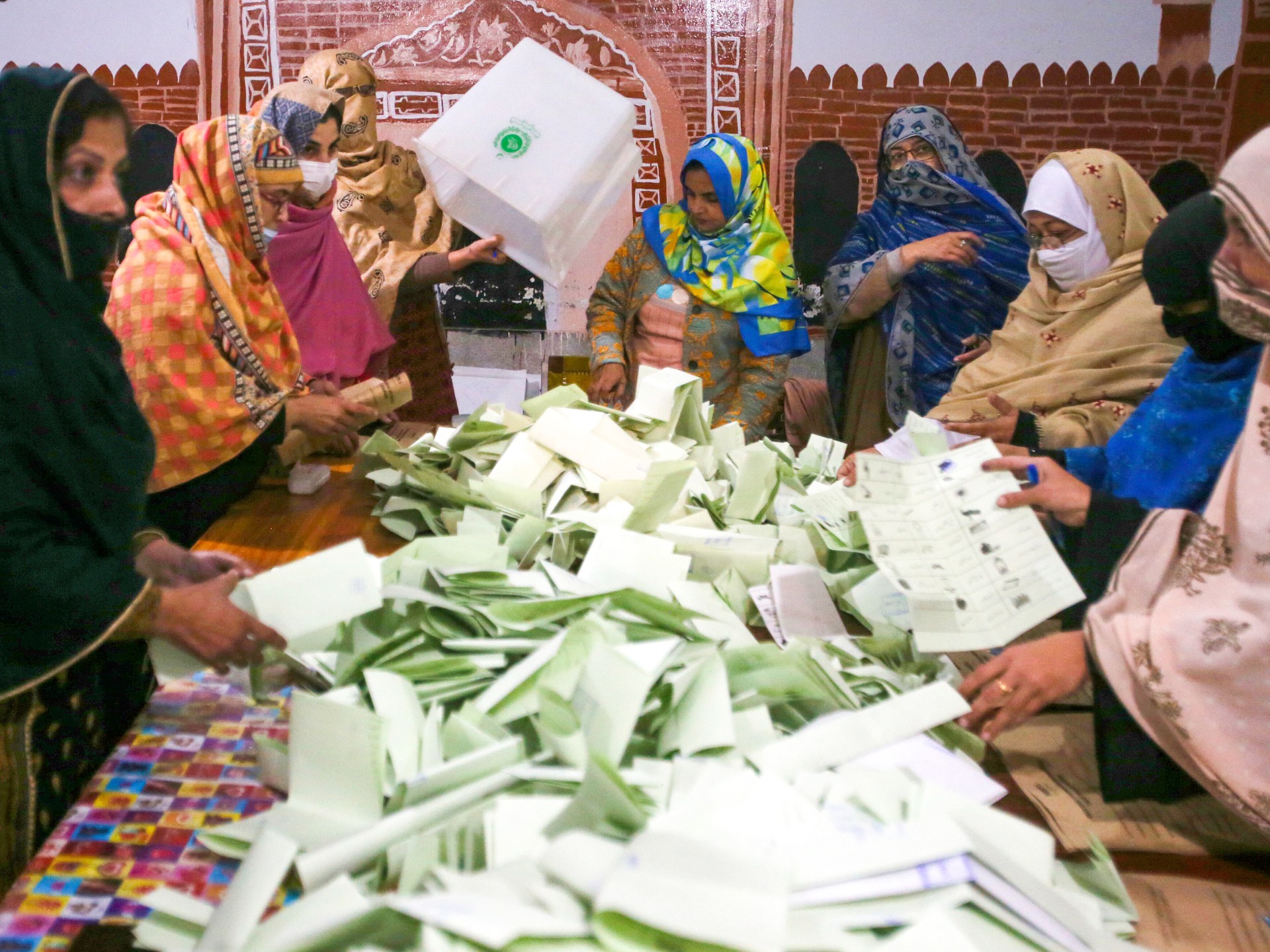
Final results of Pakistan's general election show independent candidates backed by Imran Khan's PTI party leading with 101 seats in the National Assembly, ahead of Nawaz Sharif's PMLN with 75 seats. Both parties are vying to form the next government amidst allegations of vote-rigging. The unexpected outcome has led to political instability, with concerns about a weak and unstable coalition government. Additionally, PTI-backed candidates have lodged legal challenges alleging election result alterations, while experts warn of a prolonged period of political instability in Pakistan.
Independents backed by jailed former Prime Minister Imran Khan lead in the final poll count in Pakistan's national election, winning 101 of the 264 seats, while the party of another former prime minister, Nawaz Sharif, won 75 seats. The delay in releasing the tally has raised questions about the process, with Sharif's party now in talks to form a coalition government. Khan's supporters, running as independents due to a ban on contesting under his party's symbol, face challenges in forming a government, including being ineligible for reserved seats.
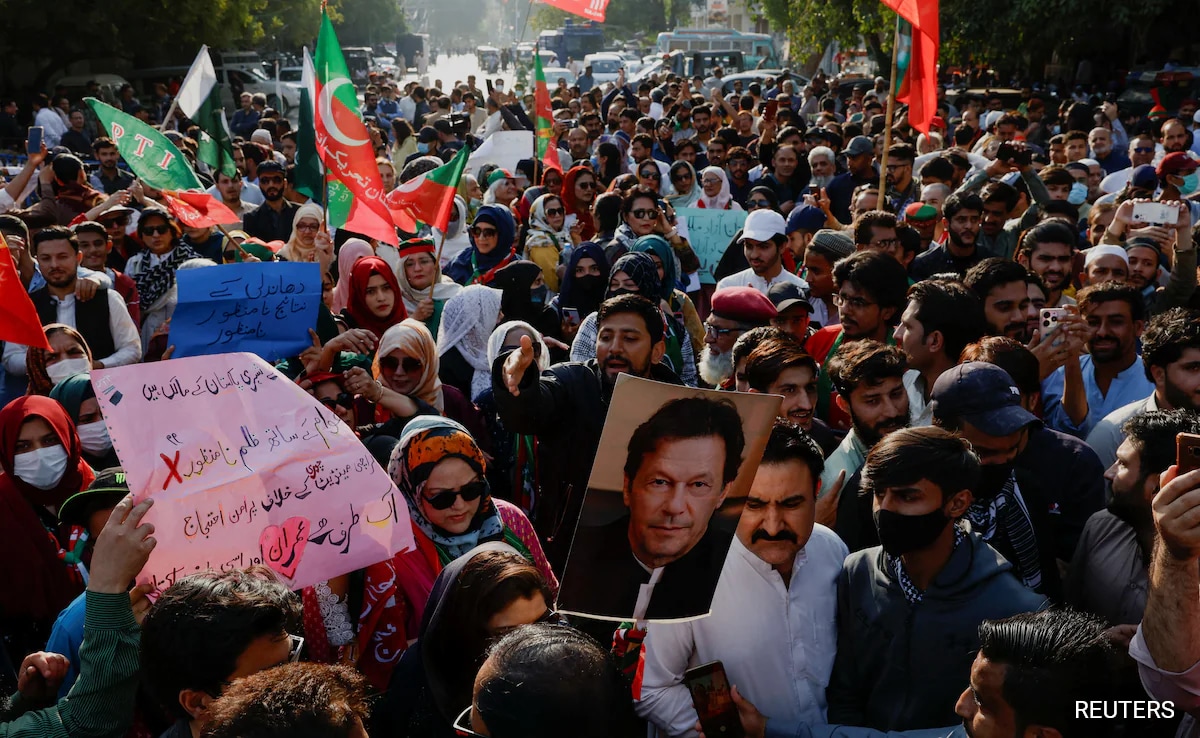
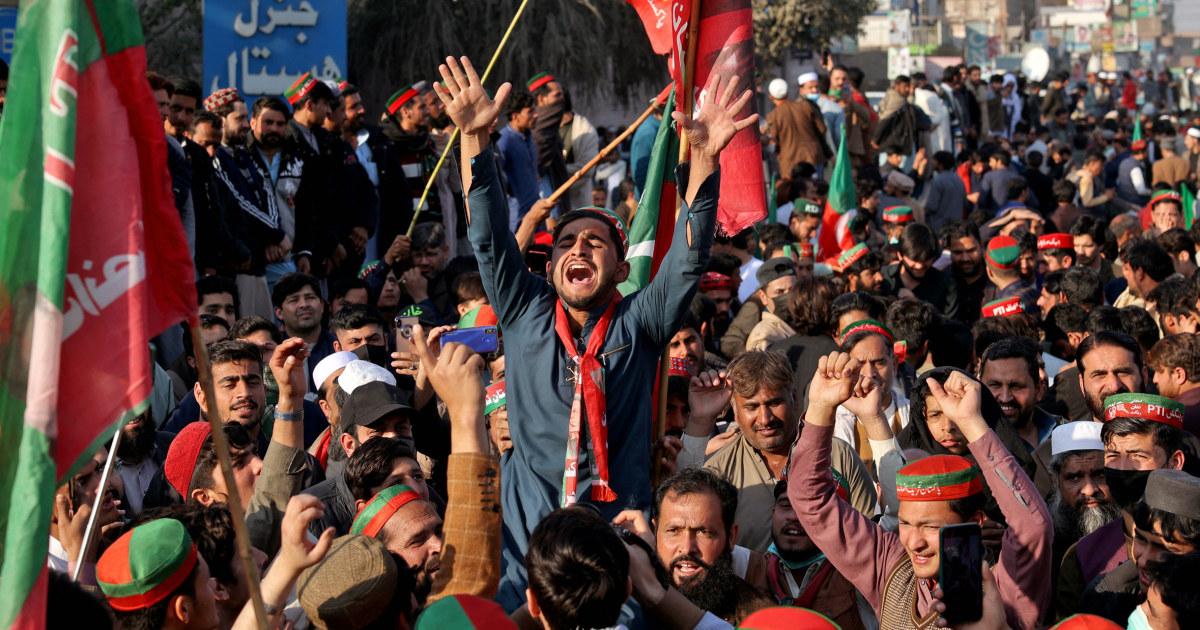
Pakistan's general election results have led to a hung verdict, with Imran Khan's PTI winning 102 seats but falling short of a majority, while Nawaz Sharif's PML(N) secured 73 seats. Allegations of rigging have sparked protests and legal challenges, with uncertainty over who will form the next government. Imran Khan's enduring popularity and the delay in releasing complete results have added to the political turmoil, as parties engage in talks and potential alliances to secure a majority.
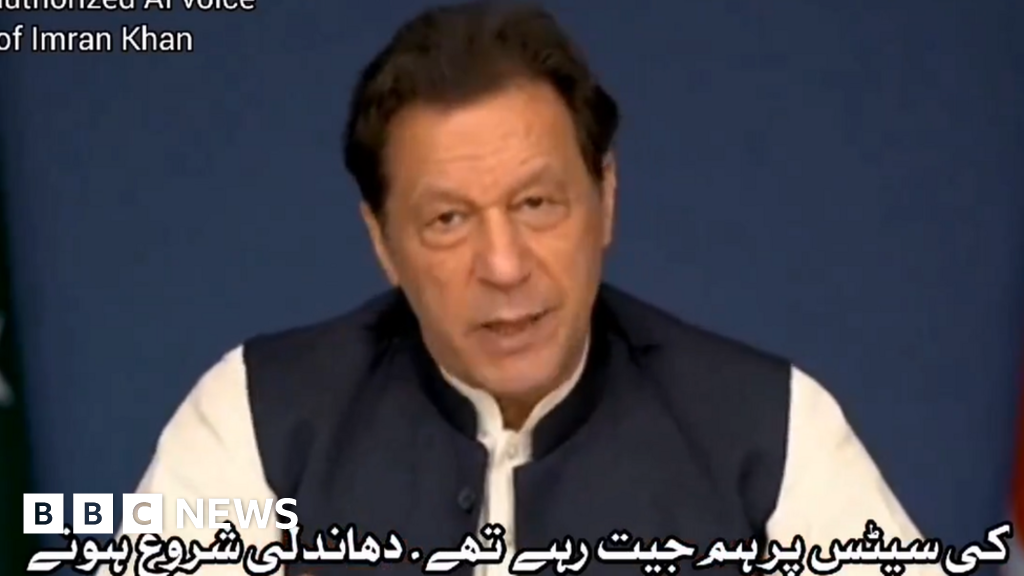
Jailed ex-PM Imran Khan and former three-time PM Nawaz Sharif both claim victory in Pakistan's general elections as no party secures a clear majority, with Imran's PTI winning 100 seats and Sharif's PML-N securing 72. Imran alleges massive rigging and urges peaceful protest, while Sharif seeks unity government with PPP and smaller groups. Army chief calls for stable governance amidst political turmoil, as international community demands investigation into election malpractices.
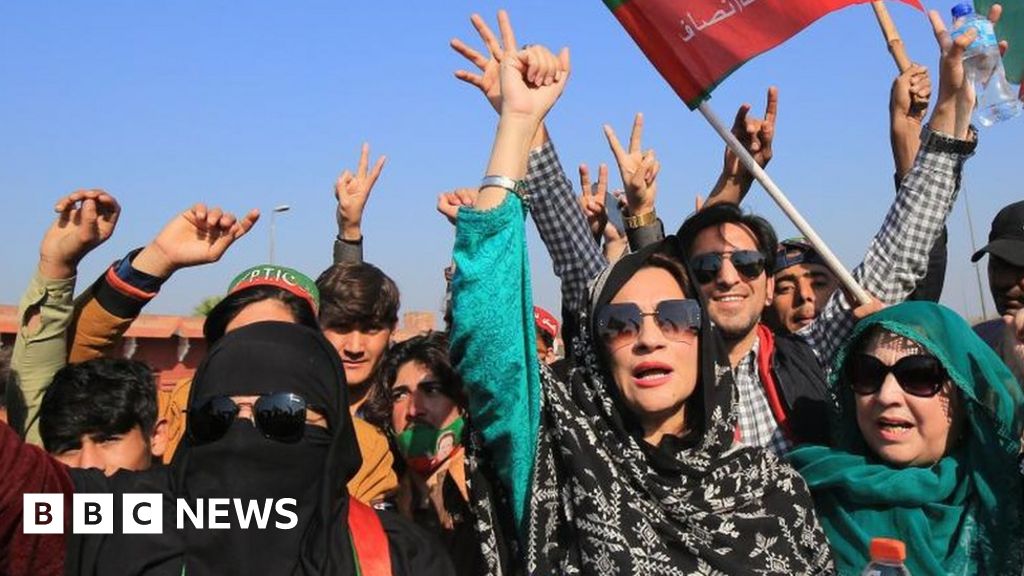
Pakistan's election results show no clear majority, with Imran Khan's PTI and Nawaz Sharif's PMLN both claiming victory. Protests erupted over result delays, with concerns raised about irregularities and interference. The military emphasized the need for stable governance, while analysts predict a coalition government involving PPP and PMLN. The election's outcome remains uncertain, with questions about who will lead the potential coalition government.
Pakistan's army chief has called for unity as two former prime ministers, Imran Khan and Nawaz Sharif, both claim victory in an election that has seen independent candidates linked to Khan winning the most seats. With no clear outcome, the army is urging all parties to show maturity and unity, while rejecting Western criticism of the election process. The election has defied expectations, and the country is facing a prolonged period of political instability as parties vie for coalition partnerships. The election also reflects growing distaste for the military's central role in Pakistani politics, with millions voting to defy the military establishment's preferred outcome.