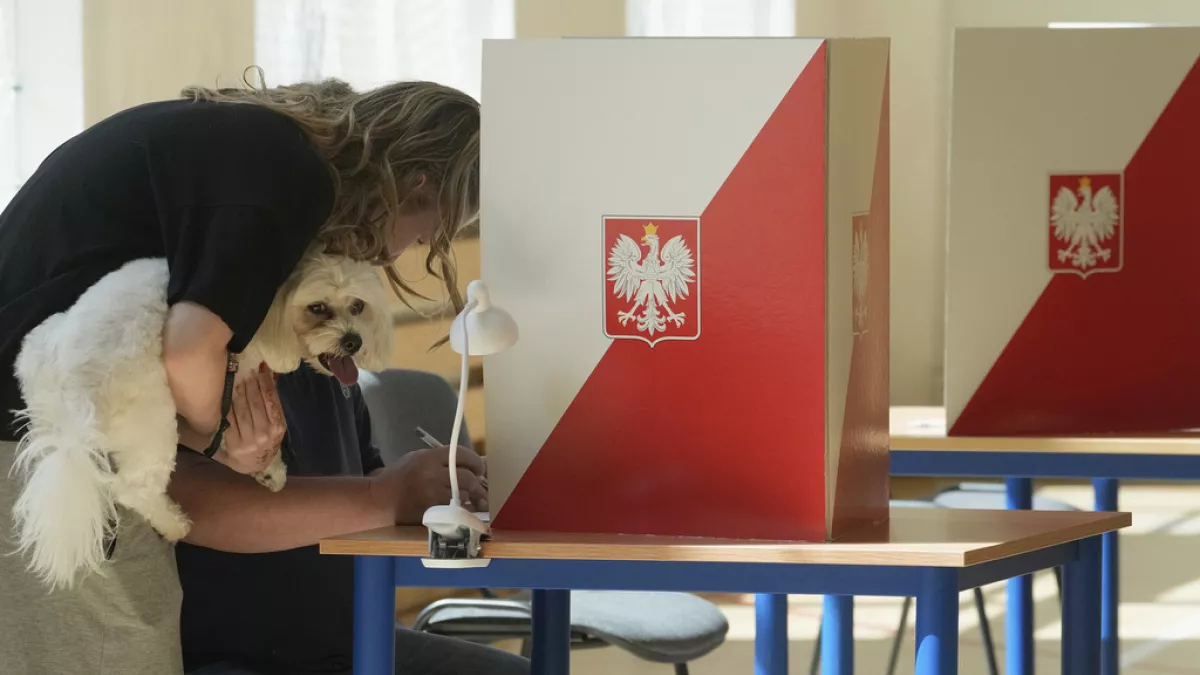
The Polish presidential election resulted in a narrow victory for Karol Nawrocki over Rafał Trzaskowski, but allegations of voting irregularities and errors in vote counting have prompted calls for investigations and protests, with some officials emphasizing the importance of verifying the results amid political tensions. The OSCE noted the elections were conducted professionally, but raised concerns about media bias and campaign financing.
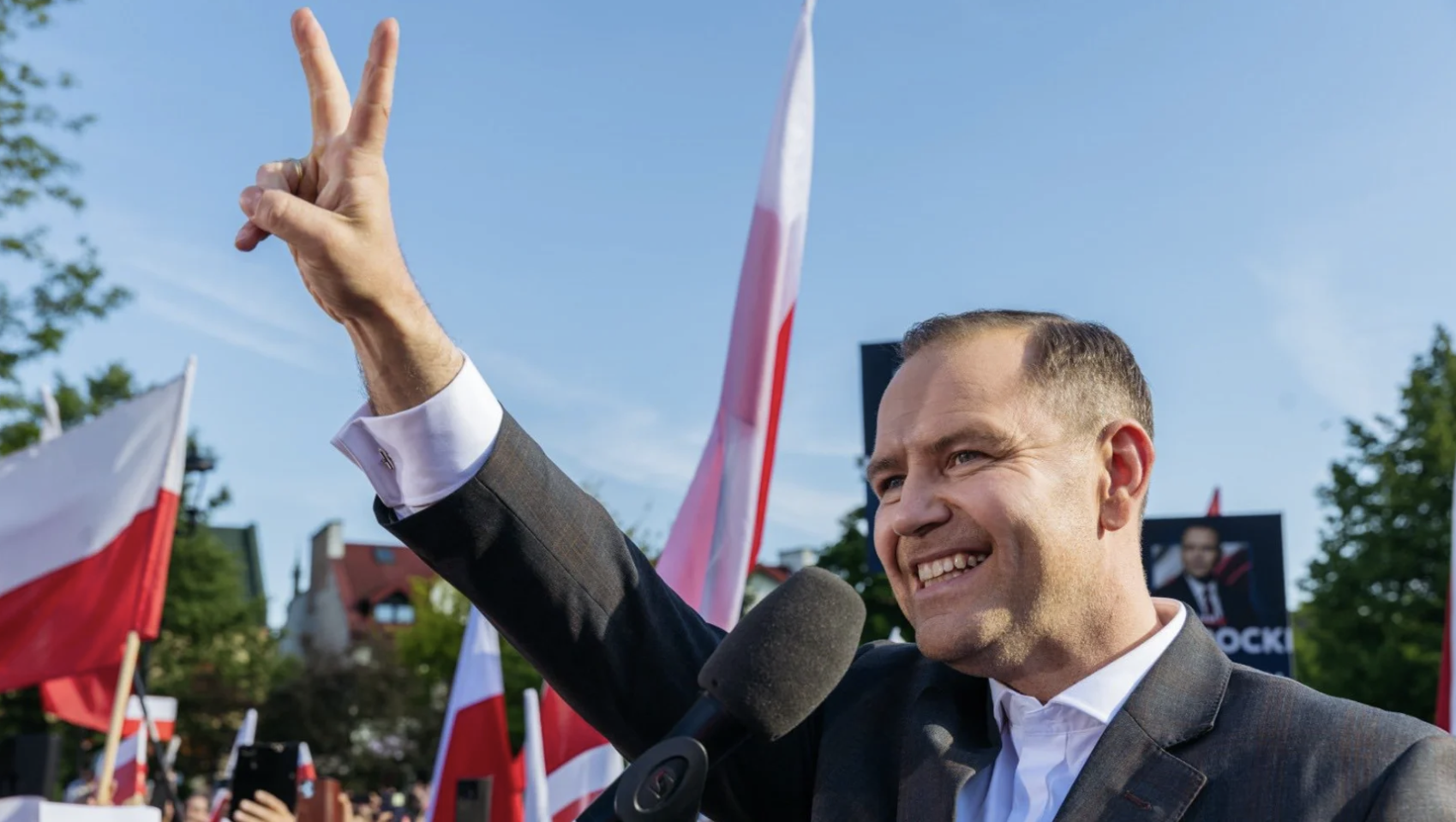
Former Polish President Lech Wałęsa has called for a recount or repeat of the presidential election after the conservative candidate Karol Nawrocki, who opposes Ukraine's EU and NATO membership, won amid reports of irregularities and suspicious vote count figures. The election results are under investigation, with political and historical tensions between Poland and Ukraine also highlighted.
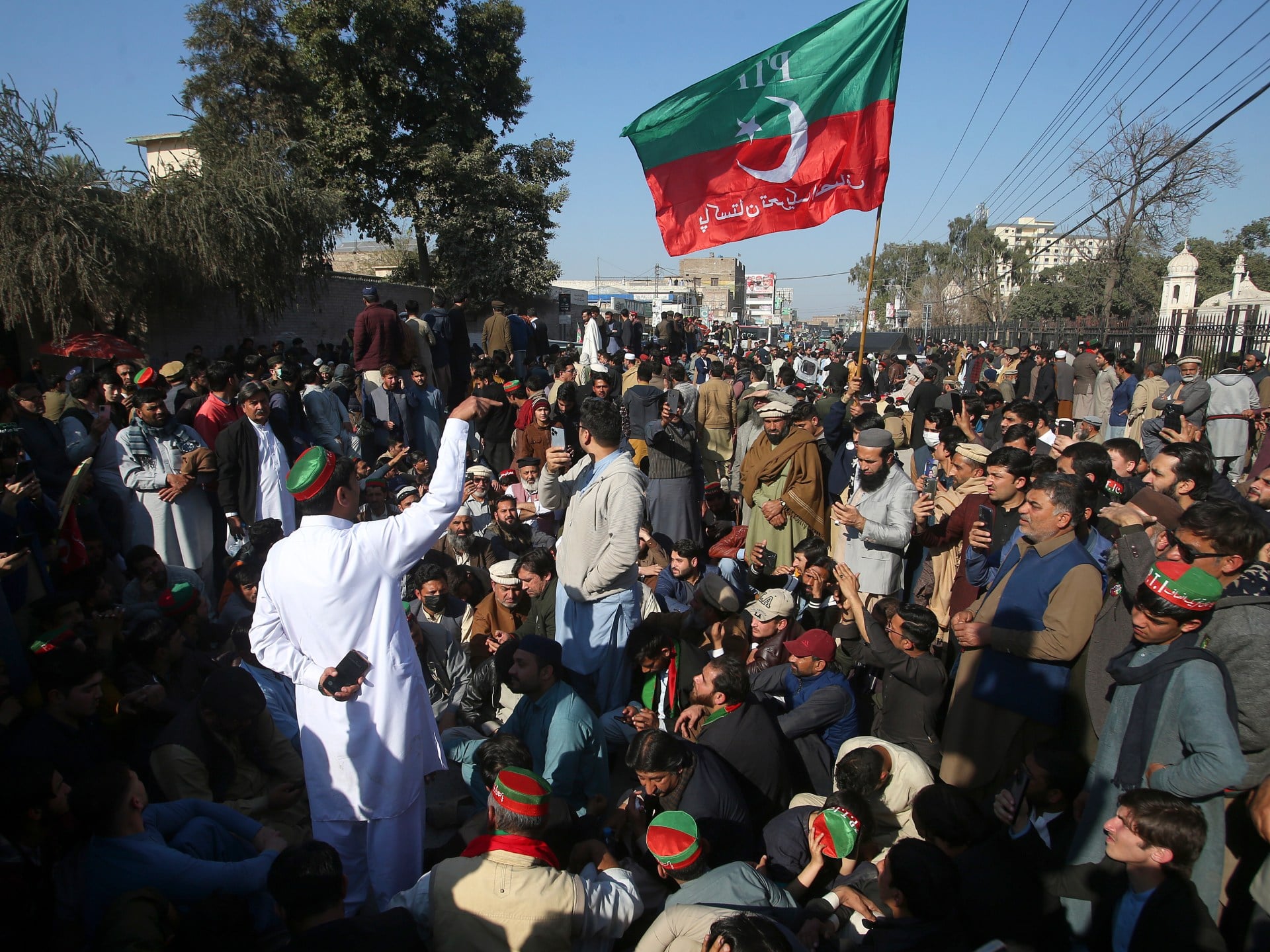
Several countries, including the US and UK, have called for authorities to investigate reported irregularities in Pakistan's general elections as vote counting continues. The US expressed concerns about restrictions on freedoms and electoral violence, while the UK voiced serious concerns about the fairness and lack of inclusivity of the elections. The European Union praised the commitment to democracy by the people of Pakistan but regretted the lack of a level playing field and called for a full investigation of reported election irregularities. Iran congratulated Pakistan on successfully holding the elections and emphasized the solid place of democracy in the country.
Toyota has halted shipments of 10 vehicle models due to manipulated engine testing data, affecting models such as the Land Cruiser 300 and Hilux. The irregularities were discovered in the horsepower output testing for three diesel engine models used in various automobiles. Toyota Industries Corp., an affiliate of Toyota, was found to have used software inconsistent with mass production to manipulate the results. The affected engines were found to meet output standards in subsequent tests, but Toyota has apologized for the inconvenience caused and will suspend shipments of affected engines and vehicles temporarily.
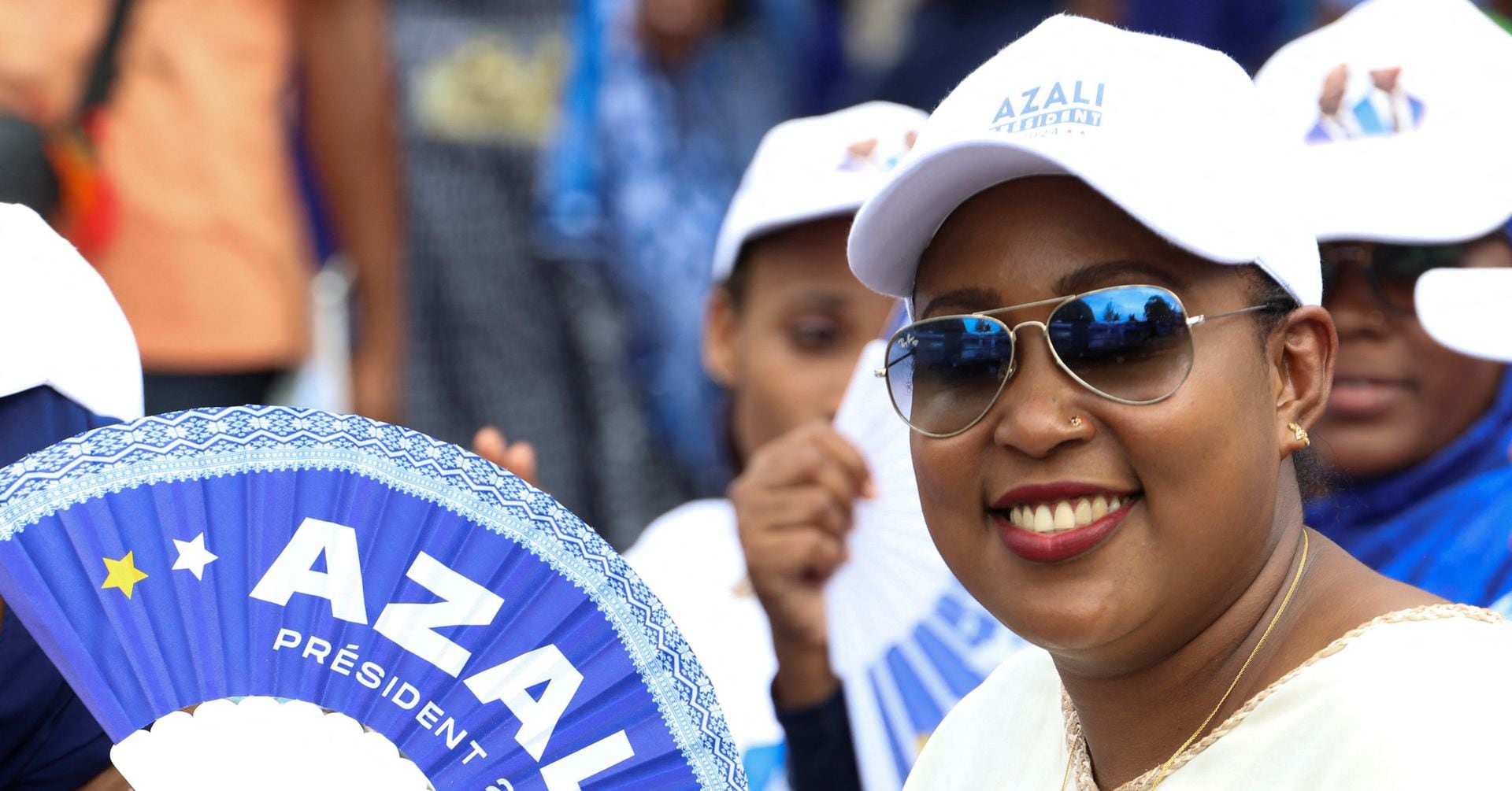
Comoros held a presidential election, with President Azali Assoumani seeking a fourth term. Some opposition leaders boycotted the election, alleging irregularities such as pre-marked ballots and ballot stuffing in favor of the incumbent. The election commission denies favoritism, and Assoumani expressed confidence in victory. The provisional results are expected on Friday.
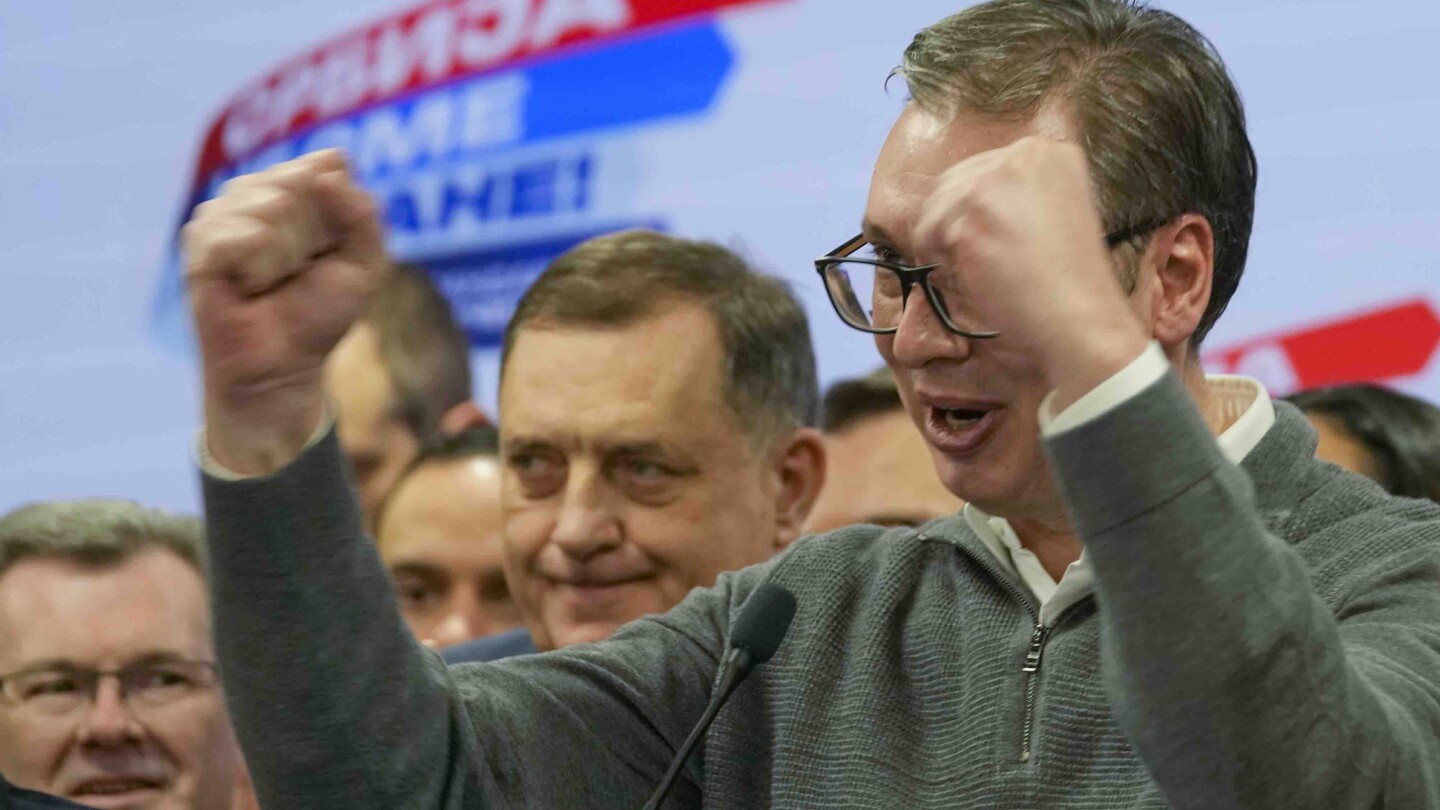
Serbia's ruling party, the Serbian Progressive party (SNS), has declared victory in the country's snap parliamentary election, despite reports of significant irregularities and accusations of vote-rigging. The SNS claimed to have secured 47% of the vote, but the main opposition group disputed these projections. Election monitors and independent media reported irregularities, including instances of voters being paid to support the SNS and the presence of unauthorized individuals at polling stations.
Serbia's ruling party, the SNS, led by President Aleksandar Vučić, has claimed victory in the parliamentary election despite widespread reports of irregularities. Early results show the SNS at around 46%, while the opposition alliance, Serbia Against Violence, is at about 23%. The opposition is planning a protest over the alleged irregularities, calling for the results in Belgrade to be annulled and a repeat election to be held.
Serbia's governing populists, the Serbian Progressive Party, claimed a sweeping victory in the country's parliamentary election, winning 47% of the vote and expected to hold around 130 seats in the 250-member assembly. The main opposition Serbia Against Violence group won around 23%. The election was marred by reports of major irregularities, including allegations of vote-rigging and the organized transfer of illegal voters. The opposition coalition plans to dispute the vote count, while authorities deny any wrongdoing. President Aleksandar Vucic campaigned relentlessly for his party, which ran the campaign as a referendum on his leadership.
Serbian President Aleksandar Vučić's ruling party is predicted to win a sweeping victory in the country's election, allowing him to tighten his grip on power. However, the election has been marred by accusations of major irregularities, including election fraud and intimidation. Observers have raised concerns about bused-in voters engaging in "carousel voting" and an inflated electoral roll with "phantom voters." Prime Minister Ana Brnabić dismissed the fraud accusations as lies, while the opposition group Serbians Against Violence received less than half the support of Vučić's party.