
Volvo to Recall 40,000 Electric SUVs Over Battery Fire Risk
Volvo Cars is recalling about 40,000 electric SUVs due to a battery fire risk.

All articles tagged with #volvo
Volvo Cars is recalling about 40,000 electric SUVs due to a battery fire risk.
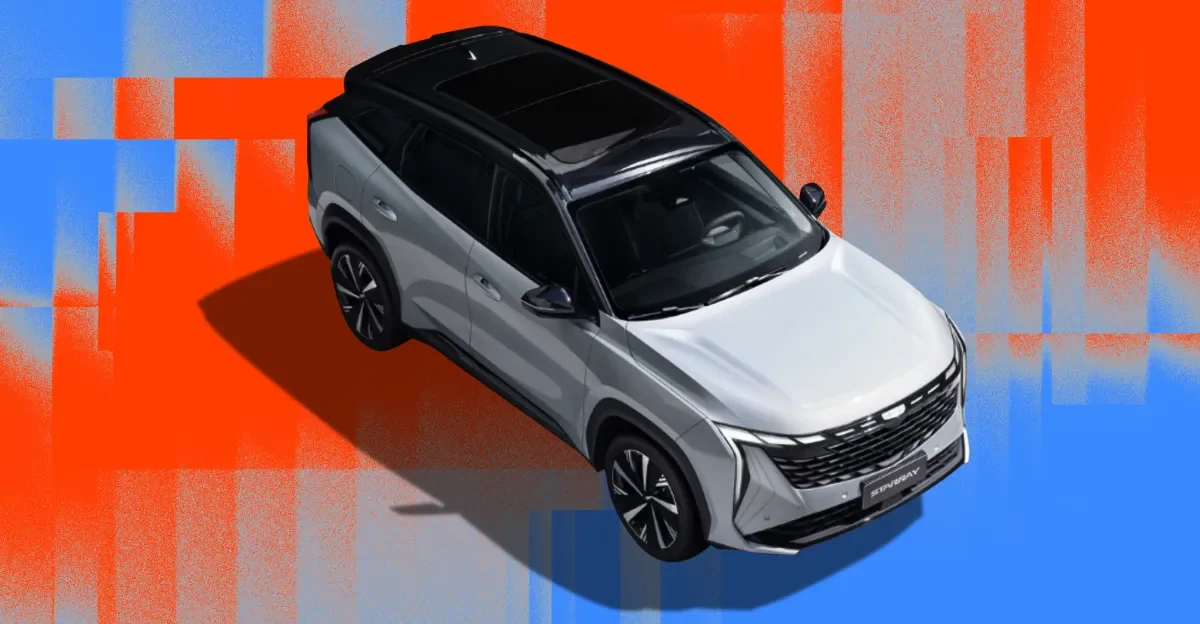
Geely, which controls Volvo, plans to build cars in the U.S. via Volvo’s South Carolina plant, but a new Commerce Department rule requires that all software and connectivity tech be free of Chinese control. Software for model years 2027+ must be certified, with per-model/year authorizations, and hardware bans begin for 2030; no waivers have been issued yet. Volvo may help navigate approvals, but Geely would need to prove software origin and data governance for every model/year before selling in America.
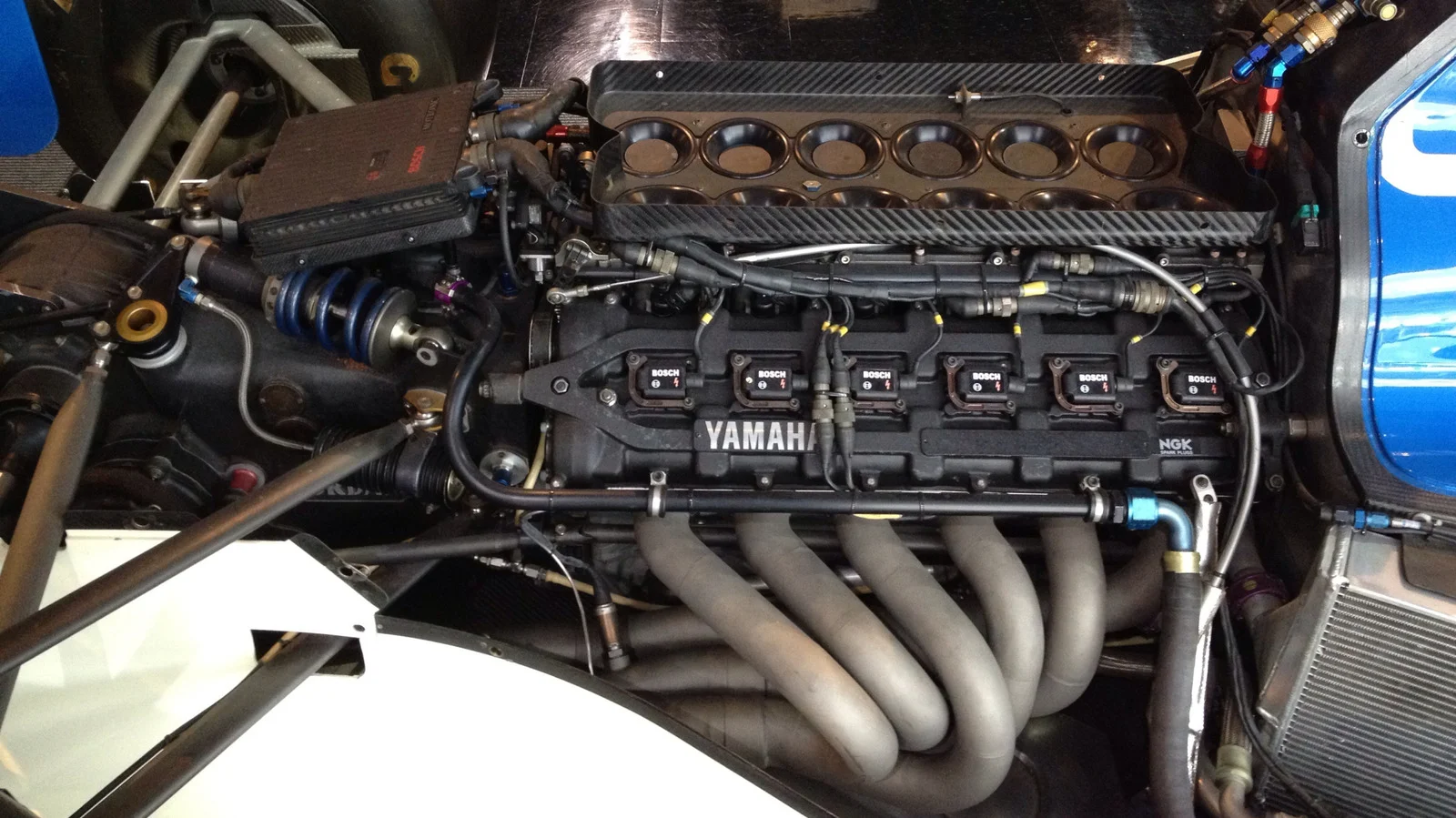
Yamaha quietly powered a surprising roster of production cars—Lexus LFA’s 1LR-GUE V10 with real-time acoustic calibration; Volvo XC90 and S80 V8s with a compact 60-degree Yamaha-built V8 and a balance shaft; Ford Taurus SHO with Yamaha-built heads and related V6/V8 developments; Noble M600’s 4.4L twin-turbo V8; and Toyota’s early 2000GT collaboration—showing Yamaha’s influence on performance and packaging across brands.
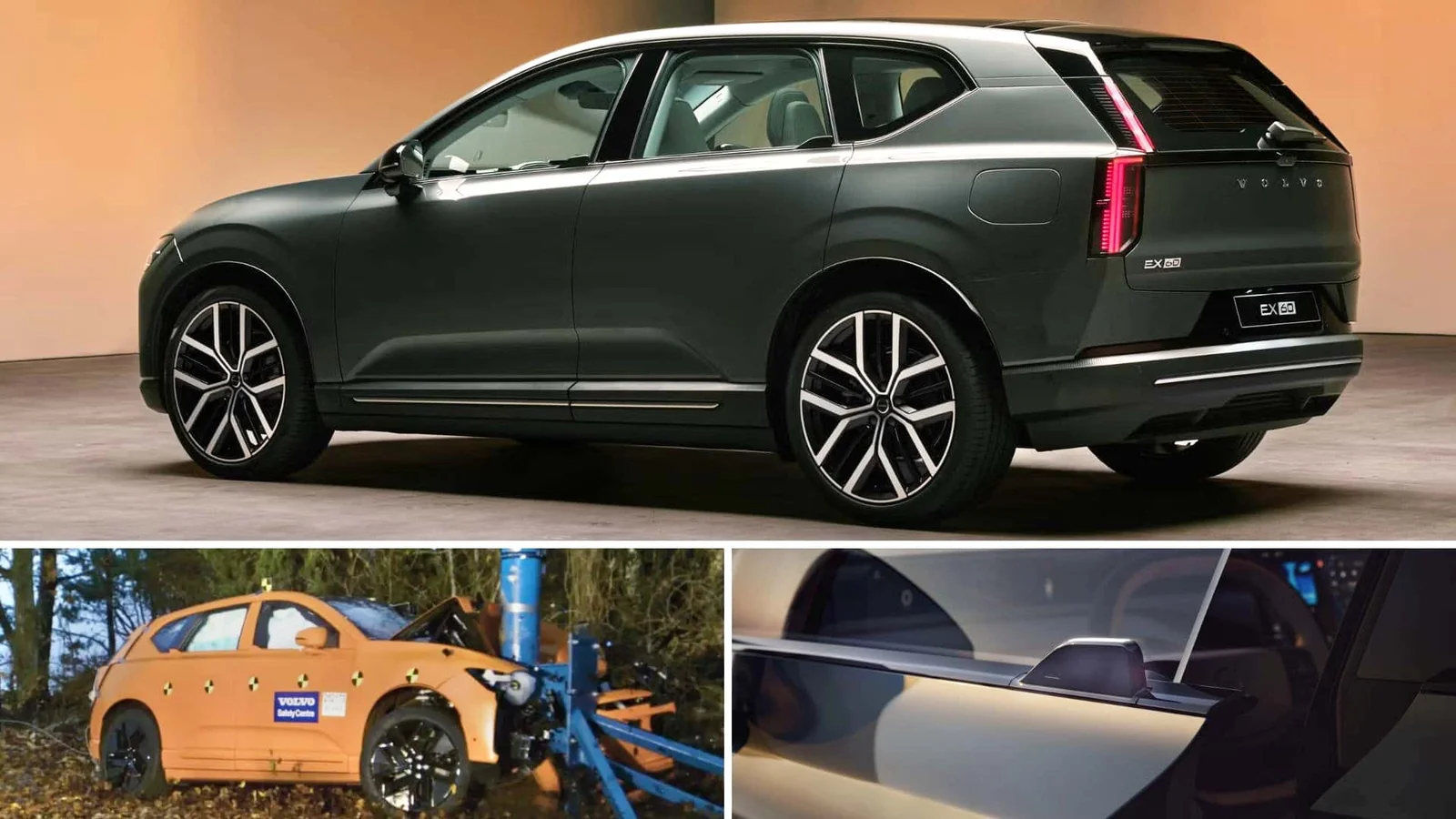
Volvo’s EX60 uses shark-fin exterior door handles with an integrated electronic release and a mechanical backup in the same motion, paired with two DC-DC converters so the 12-volt system stays powered for emergency operations even after a crash. The design ensures doors can be opened electrically or mechanically as needed, addressing ongoing safety concerns about power-door handles and highlighting Volvo’s emphasis on redundancy for safe exits.
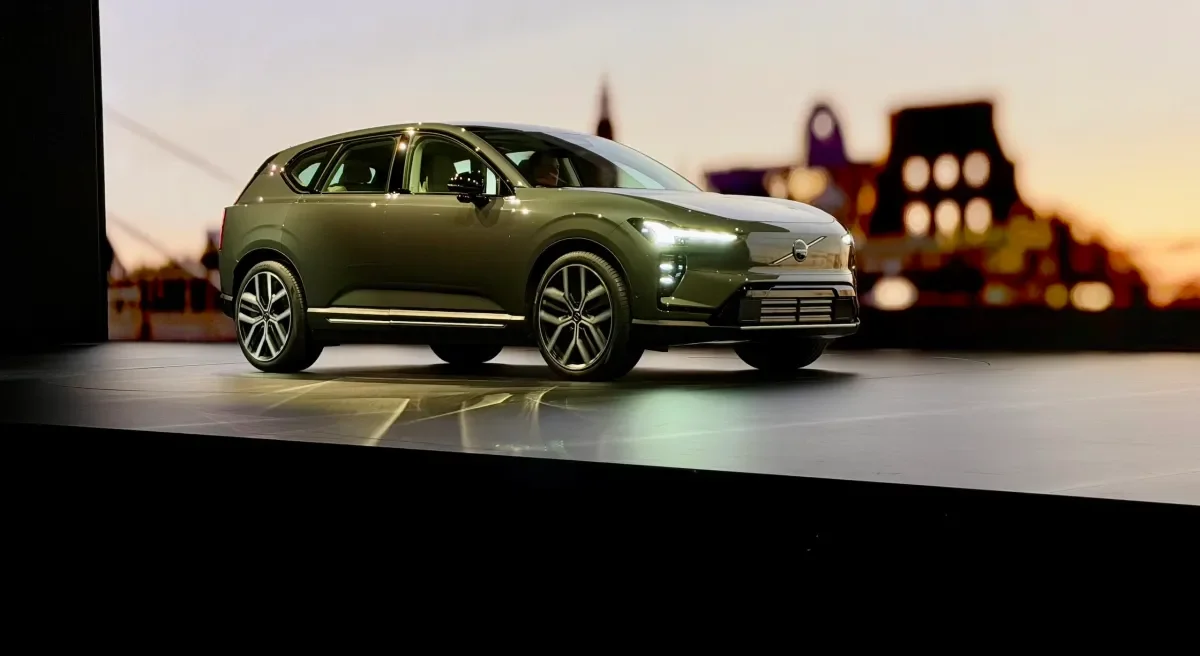
Volvo’s 2027 EX60 debuts with up to 400 miles of range, 800-volt fast charging up to 370 kW, and a base price in the low-to-mid $50k range; offers P6, P10 AWD, and P12 AWD configurations on 83/95/117 kWh packs, with a Cross Country variant arriving in 2028, all on Volvo’s SPA3 platform and featuring a Tesla-like interior.
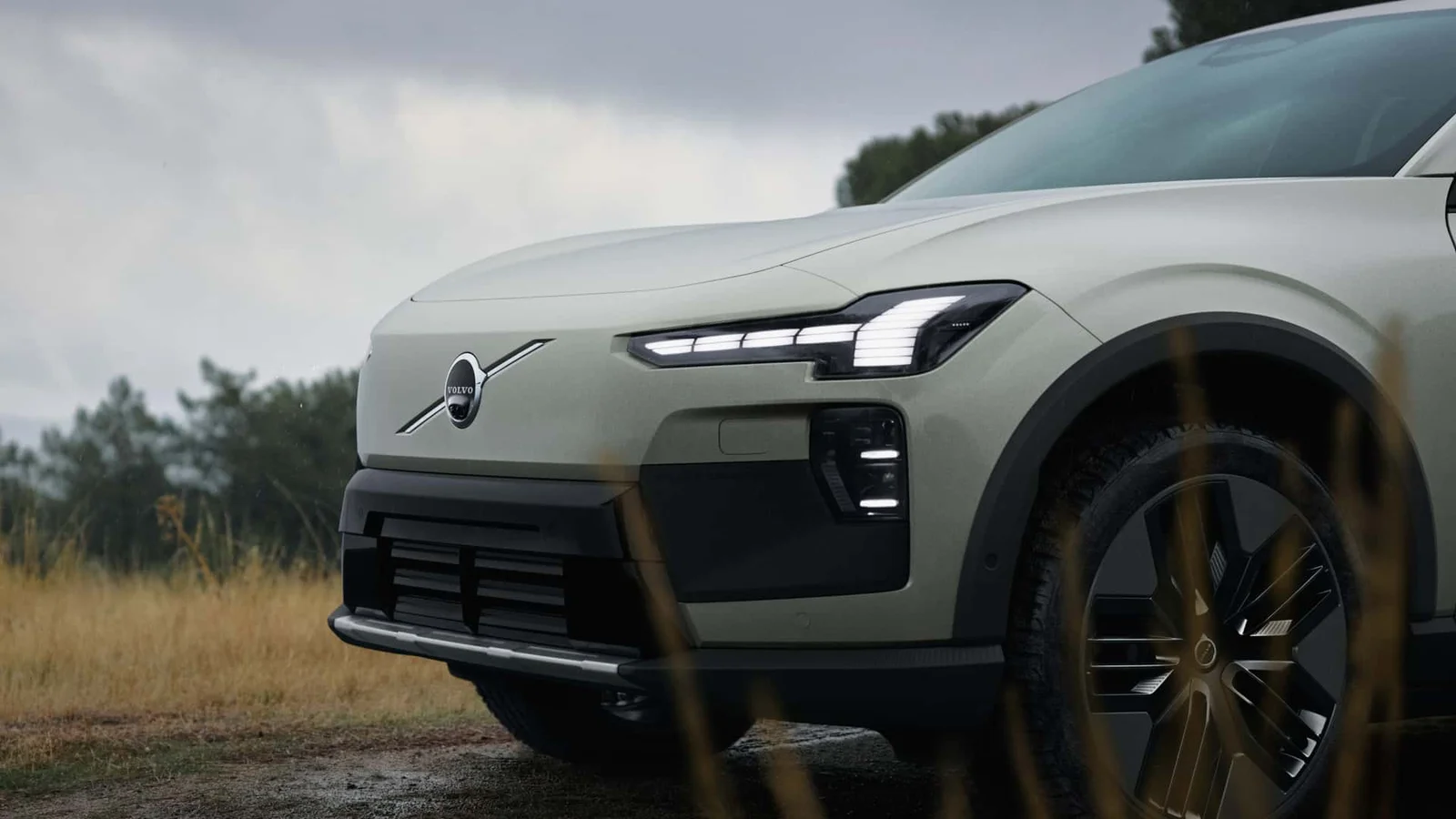
Volvo’s 2028 EX60 Cross Country introduces factory-adjustable air suspension that raises the ride height by 20 mm (up to 40 mm with a button) and can lower at highway speeds for efficiency—a feature Rivian R2 and Tesla Model Y don’t offer. It packs a dual-motor 503 hp powertrain (524 lb-ft), 0–60 mph in 4.5 seconds, and about 300 miles of range from a 91 kWh usable battery (P10 AWD), with DC fast charging up to 370 kW (10–80% in ~18 minutes). EU versions use CCS2, US models use NACS. The Cross Country adds rugged styling, stainless skid plates, a Frost Green finish, and exclusive 21-inch wheels; U.S. deliveries are planned for summer 2027 as a 2028 model, while Europe is already taking pre-orders. Base EX60 starts around $60k; Cross Country pricing hasn’t been disclosed.
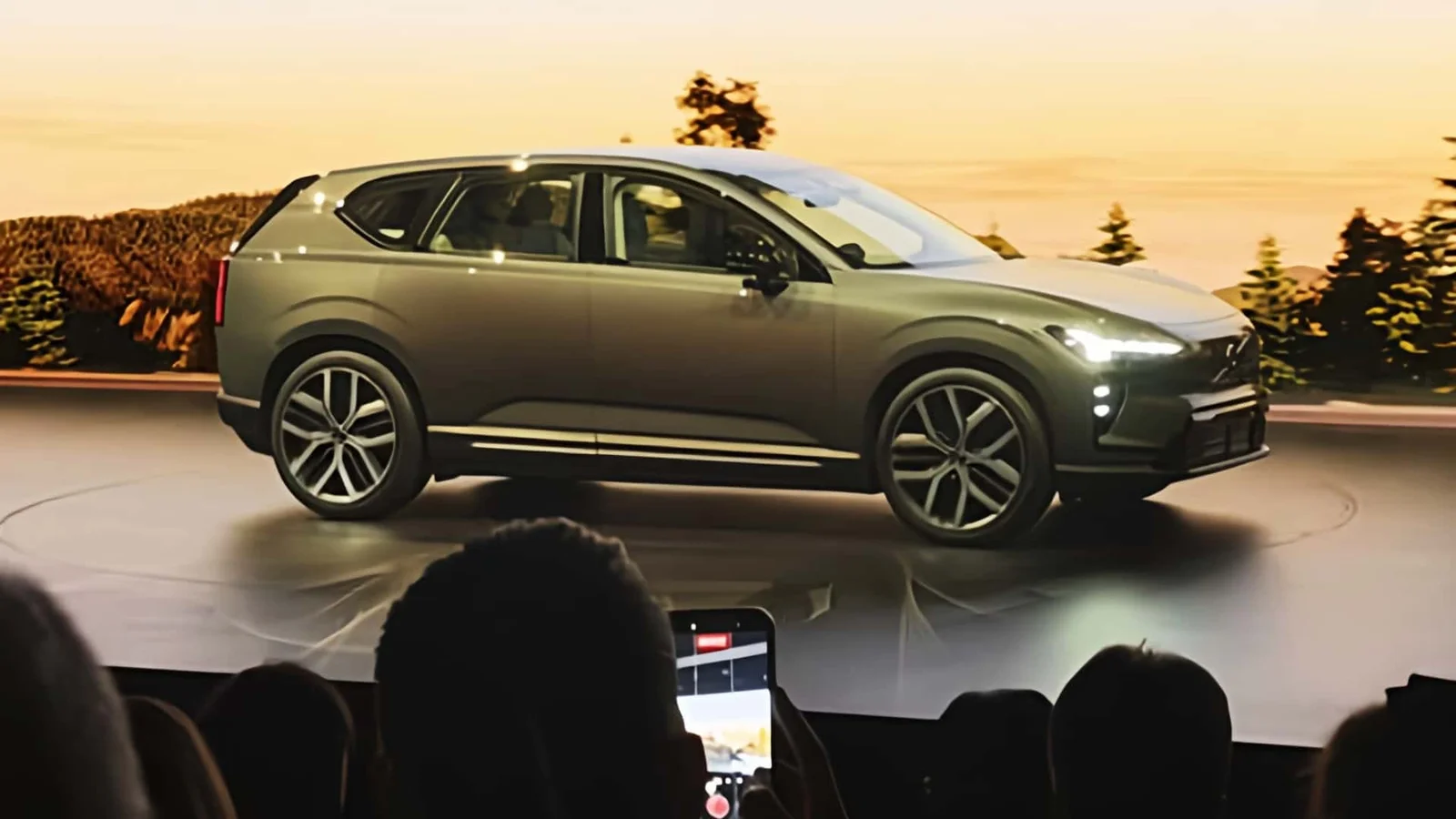
Volvo launches the EX60, a SPA3-based electric crossover touted to end range anxiety with up to 400 miles of EPA range on a 117 kWh pack (P12 AWD) and 370 kW charging on an 800V system. It comes in P12 AWD, P10 AWD, and P6 RWD variants, features Nvidia Drive AGX Orin ADAS, Google Gemini AI in Android Automotive, OTA updates, and Volvo’s new multi-adaptive safety belt; expect deliveries this summer around a $60k starting point for well-equipped trims, positioning Volvo against the Model Y and European rivals.
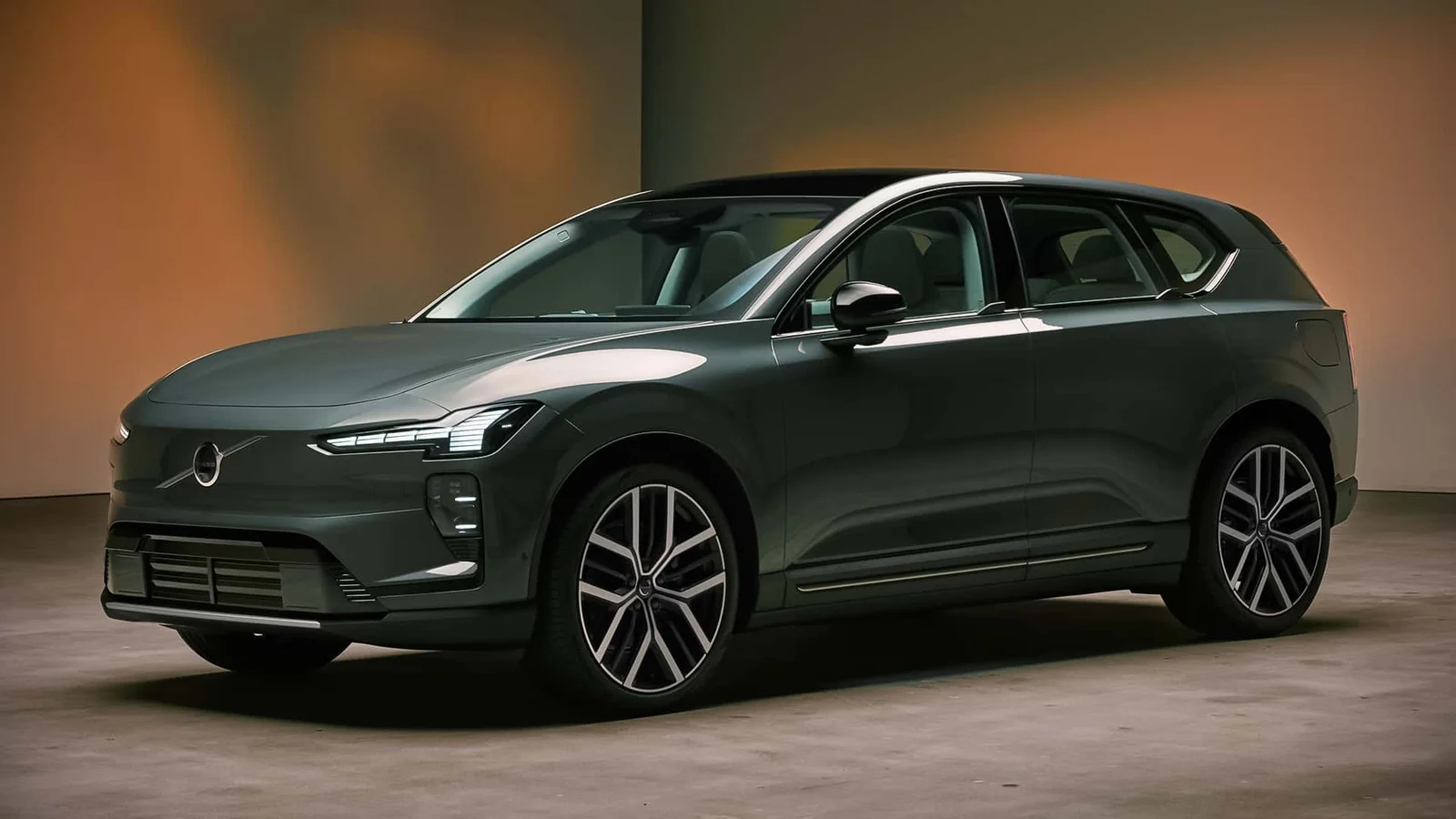
Volvo unveils the EX60, its longest-range EV, built on the SPA3 platform with three battery options (80/91/112 kWh) delivering up to 400 miles of range. It offers a single-motor P6 (RWD) and dual-motor P10/P12 AWD variants, with 0–60 mph times from 5.7 to 3.8 seconds and up to 350–400 kW charging. A 10-minute top-up can add about 173 miles. The EX60 introduces a native NACS (Tesla) port for broad Supercharger access, with a Cross Country version featuring raised suspension. Built in Sweden, Europe orders are open now; U.S. deliveries begin late spring 2027, with Cross Country arriving in summer 2027.
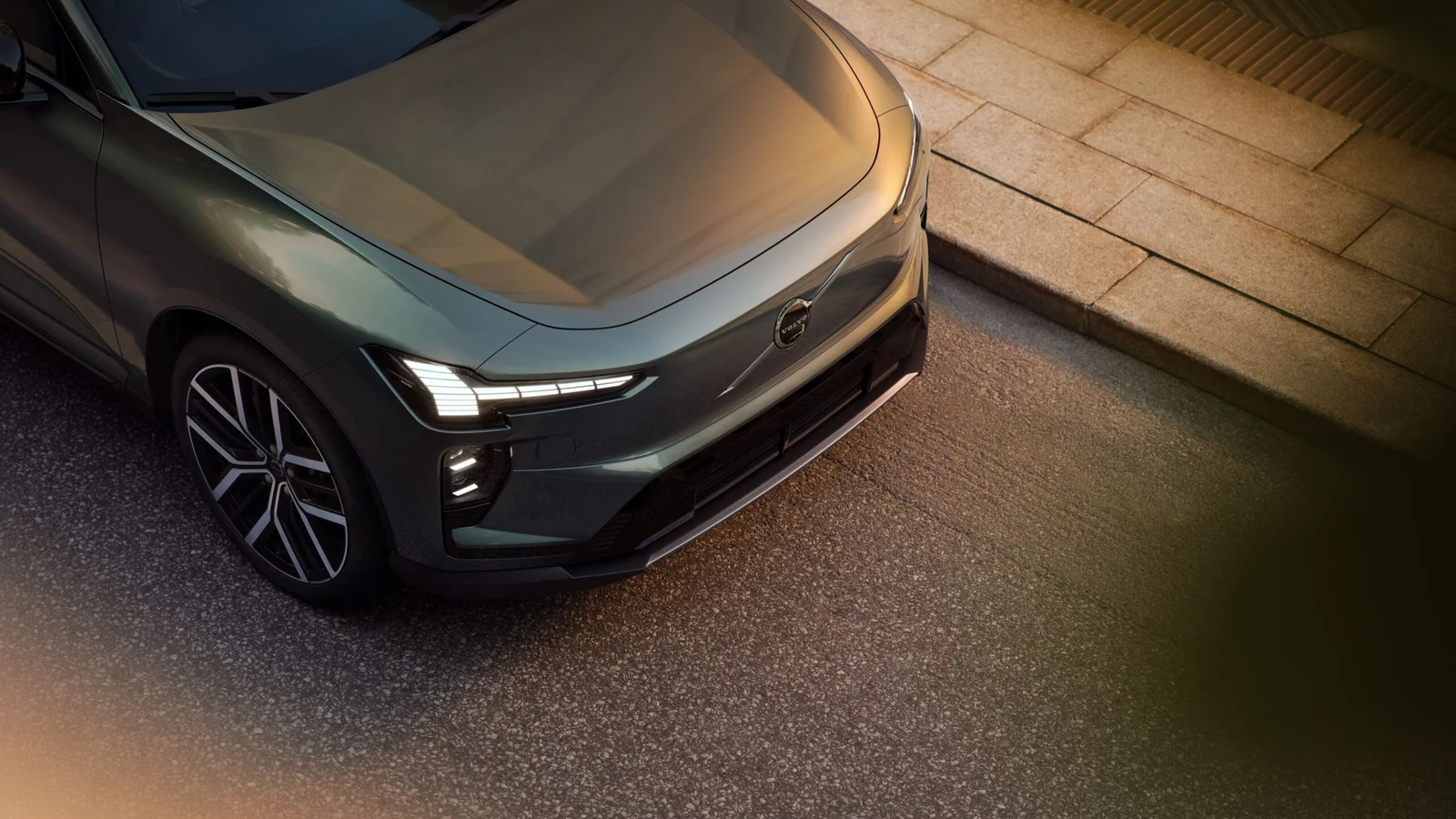
Volvo unveiled the EX60, a new SPA3-based midsize electric SUV, offering three powertrains (P6, P10 AWD, P12 AWD) and a Cross Country variant with EPA ranges up to 400 miles and charging up to 370 kW. Production starts April 2026, and pricing is pitched around $60,000 for well-equipped trims.

Volvo executives say the EX60 marks a software-defined, in-house stack milestone, claiming the system lets them push features and fix problems faster than legacy automakers, after acknowledging EX90 quality issues and a two-year delay to stabilize software.
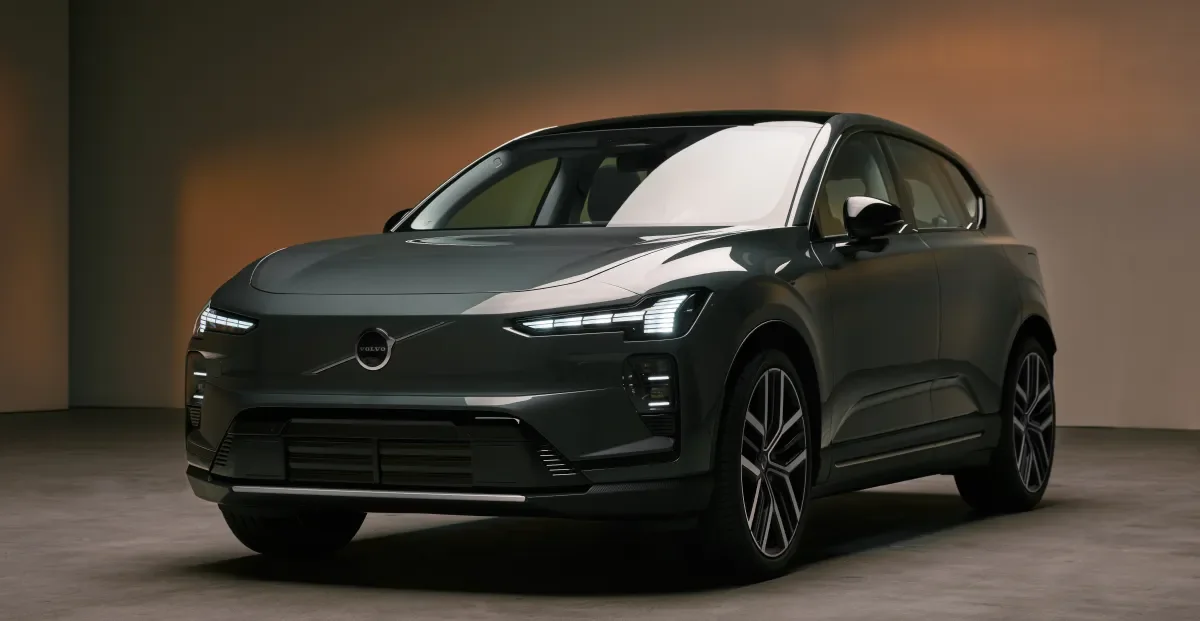
Volvo unveils the EX60, a new two‑row EV crossover built on the SPA3 platform with an 800‑volt system for ultra‑fast charging, a structural battery and megacasting to boost efficiency. It runs Volvo’s HuginCore software, integrates Google Gemini AI, and supports vehicle‑to‑home/grid capabilities, with three powertrains (P6/P10/P12) offering up to 400 miles and a 10‑year battery warranty. Production starts in 2026 (P6/P10 in April; P12 later), with a starting price around $60k for the P10, as Volvo aims to improve profitability and reboot its EV lineup while expanding charging compatibility (NACS) and grid support.
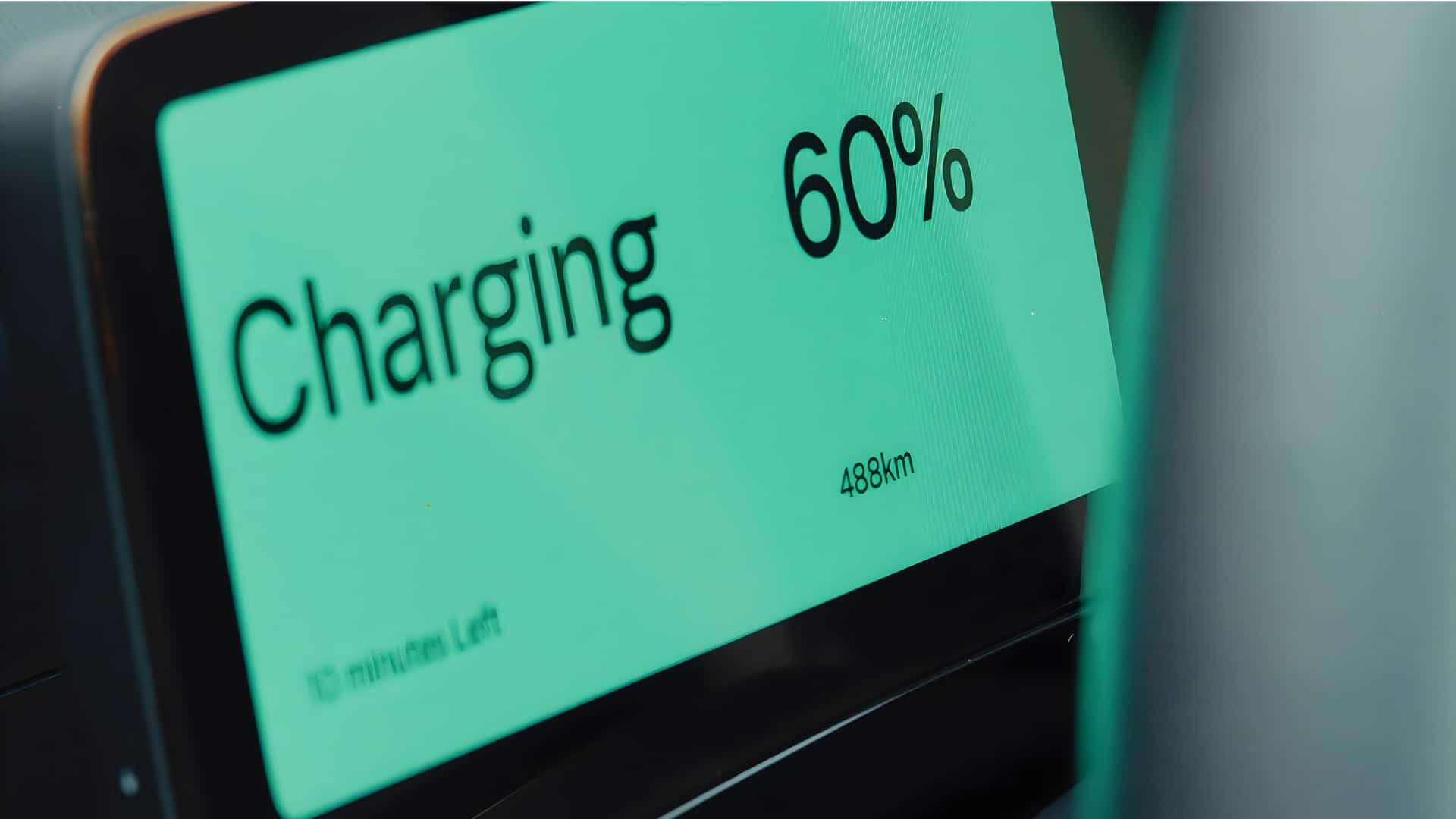
Volvo has developed a new font called Volvo Centum to improve the readability of in-car screens and enhance driver safety by reducing distractions, but critics suggest that bringing back physical buttons might be a simpler solution to avoid touchscreen overload. The font will debut in the new EX60 in 2026, emphasizing the company's focus on safety and user experience.
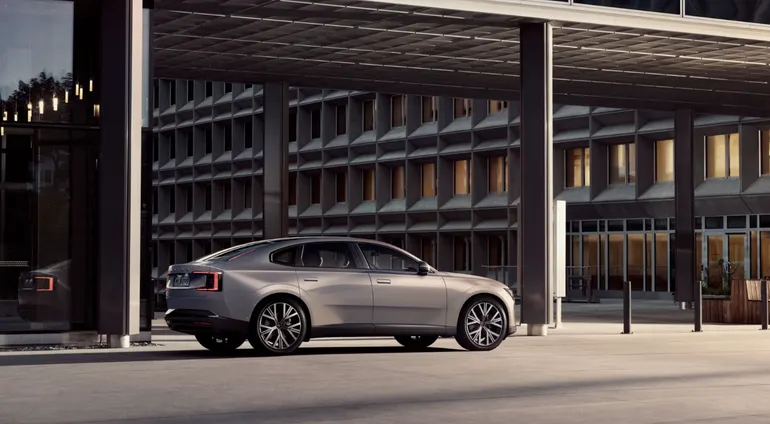
Luminar Technologies filed for Chapter 11 bankruptcy after losing a major Volvo contract, planning to sell its chip business to Quantum Computing for $110 million to maximize shareholder value, while continuing to support its LiDAR product operations during the restructuring.
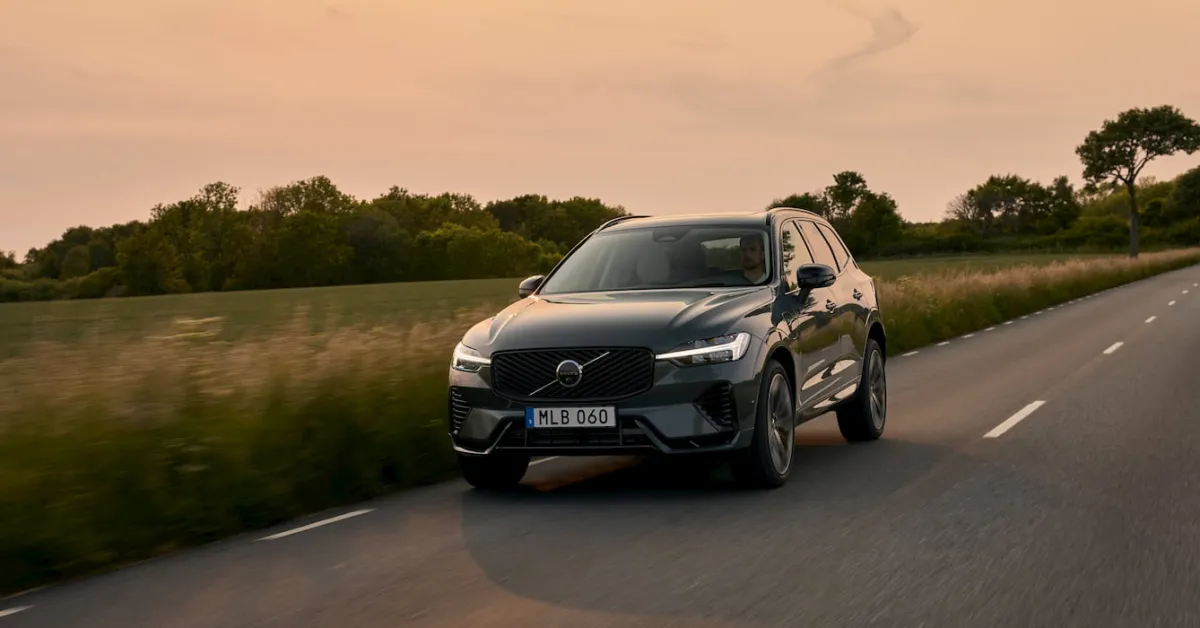
Volvo plans to launch a new next-generation hybrid vehicle at its South Carolina plant to boost its US market presence, building on investments in the facility that currently produces electric vehicles like the EX90 and Polestar 3, with the new hybrid expected to be introduced by the end of the decade.
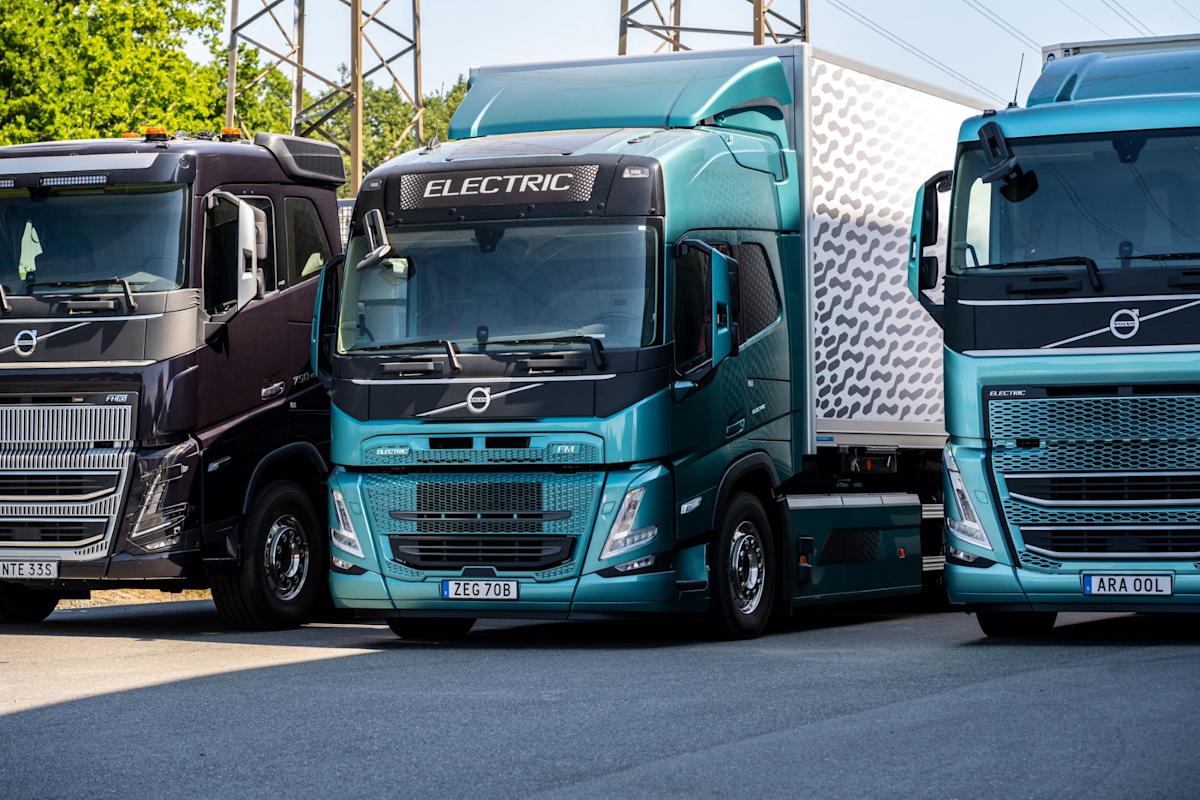
Volvo has sold its 5,000th electric truck globally, surpassing Tesla's struggling efforts in the electric semitruck market, highlighting Volvo's successful expansion and adoption of electric commercial vehicles.