Volvo executives say the EX60 marks a software-defined, in-house stack milestone, claiming the system lets them push features and fix problems faster than legacy automakers, after acknowledging EX90 quality issues and a two-year delay to stabilize software.
Rivian CEO RJ Scaringe criticizes traditional automakers like Ford, GM, and Toyota for resisting EV adoption, aiming to establish Rivian as a major player with the upcoming R2 model, which could challenge the dominance of established brands in the evolving electric vehicle market.
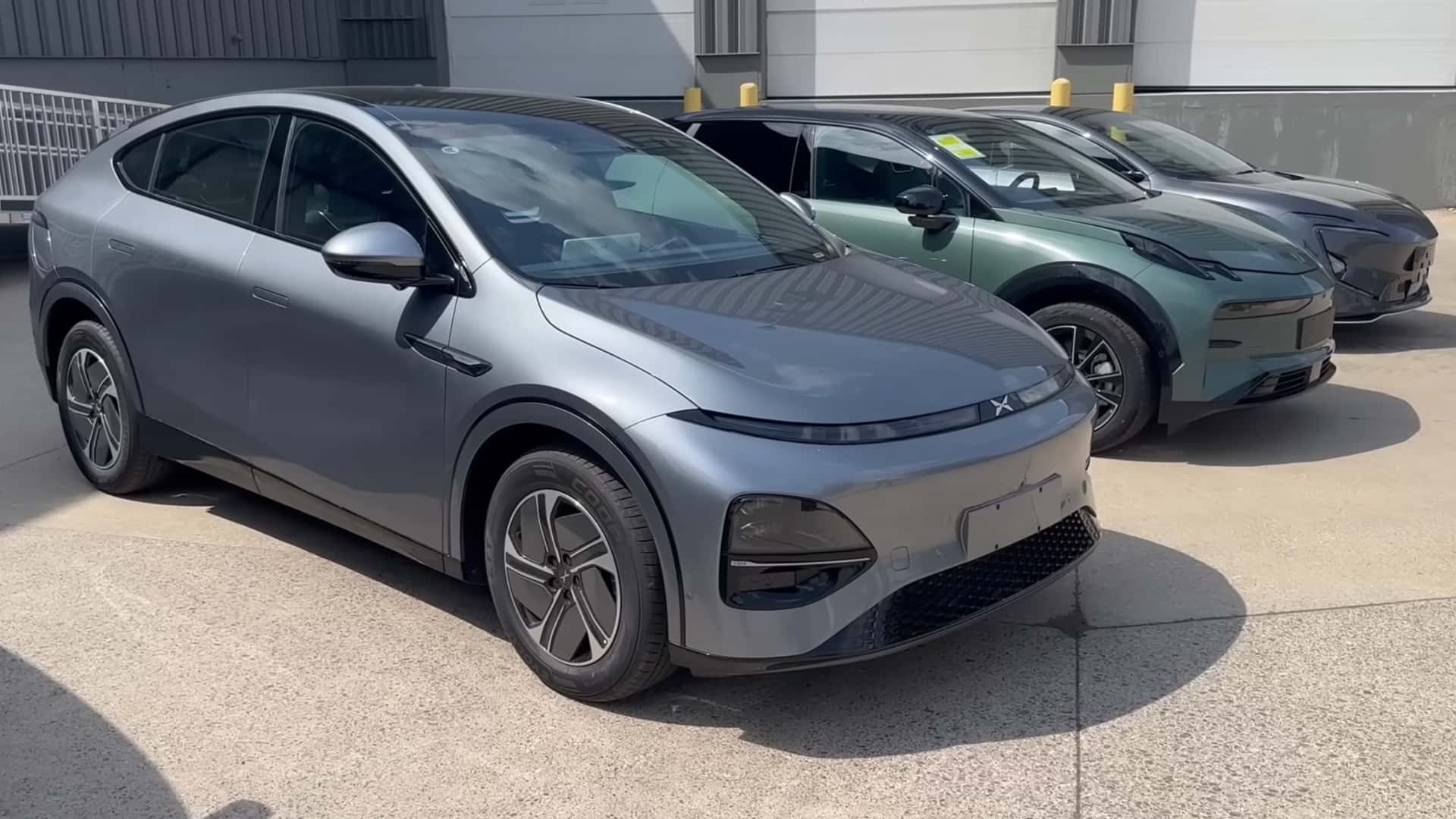
The U.S. and other Western countries are raising tariffs on Chinese electric vehicles (EVs) to protect their auto industries from the competitive threat posed by these high-quality, low-cost cars. A recent test of three Chinese EVs by automotive experts revealed that these vehicles offer impressive technology, build quality, and value, potentially outpacing Western counterparts. However, for Chinese automakers to succeed in the U.S. market, they must adapt to American consumer preferences.
Despite a 34% decline in shares this year, Tesla is in a relatively strong position compared to struggling EV startups and legacy automakers focusing on hybrids. Analysts believe that Tesla has the opportunity to further grow its market share, especially in the Western market, as competitors like Fisker and Rivian face financial challenges. While concerns about Elon Musk's public behavior have impacted Tesla's stock price, some analysts see the recent pullback as a buying opportunity, with a target price of $275.
Despite Tesla's shares being down 34% year to date, the company is in a relatively strong position compared to struggling EV startups and legacy automakers focusing on hybrids. Analysts believe that this situation could allow Tesla to further grow its market share in the coming years. While Tesla faces challenges in China, it is seen as the best performer in the Western market. Concerns about Elon Musk's behavior and its impact on Tesla's stock price have been raised, but some analysts view the recent pullback in Tesla's share price as overdue and have bought the dip with a target price of $275.
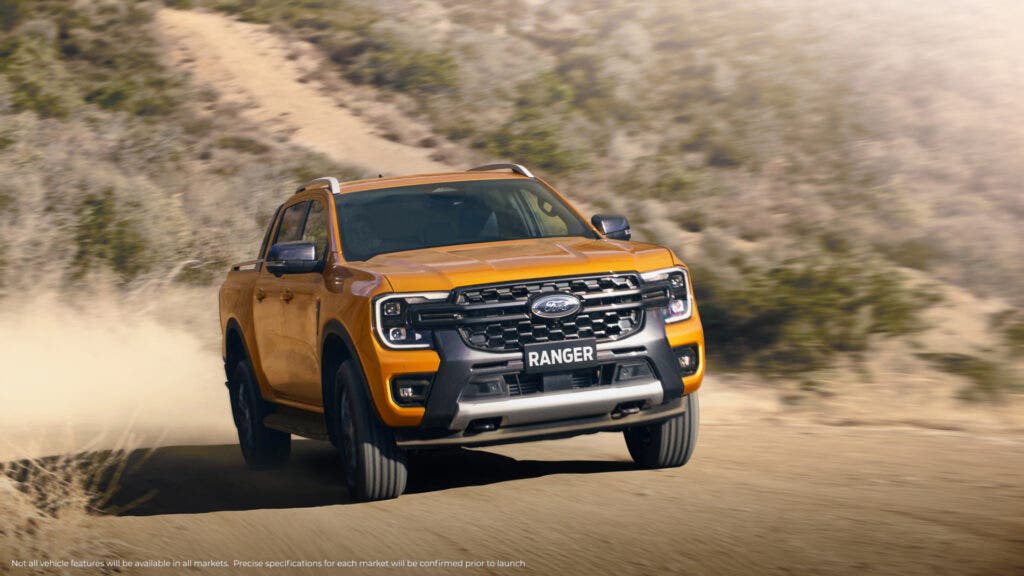
Ford and Toyota are scaling back their EV plans and shifting focus towards hybrid electric vehicles (HEVs) due to intensifying price competition in the EV market, while Tesla continues to see momentum in the EV space. This trend reflects a broader shift among legacy automakers, including General Motors and Honda, as they balance current market dynamics with the looming all-electric future. Despite this, the global EV market is growing, with sales expected to reach 14 million this year, driven by companies like Tesla, Rivian, and BYD Auto. As traditional automakers navigate a cautious path in their transition to EVs, Tesla and other EV leaders are leveraging their head start in technology and brand positioning to consolidate and expand their presence in the market.
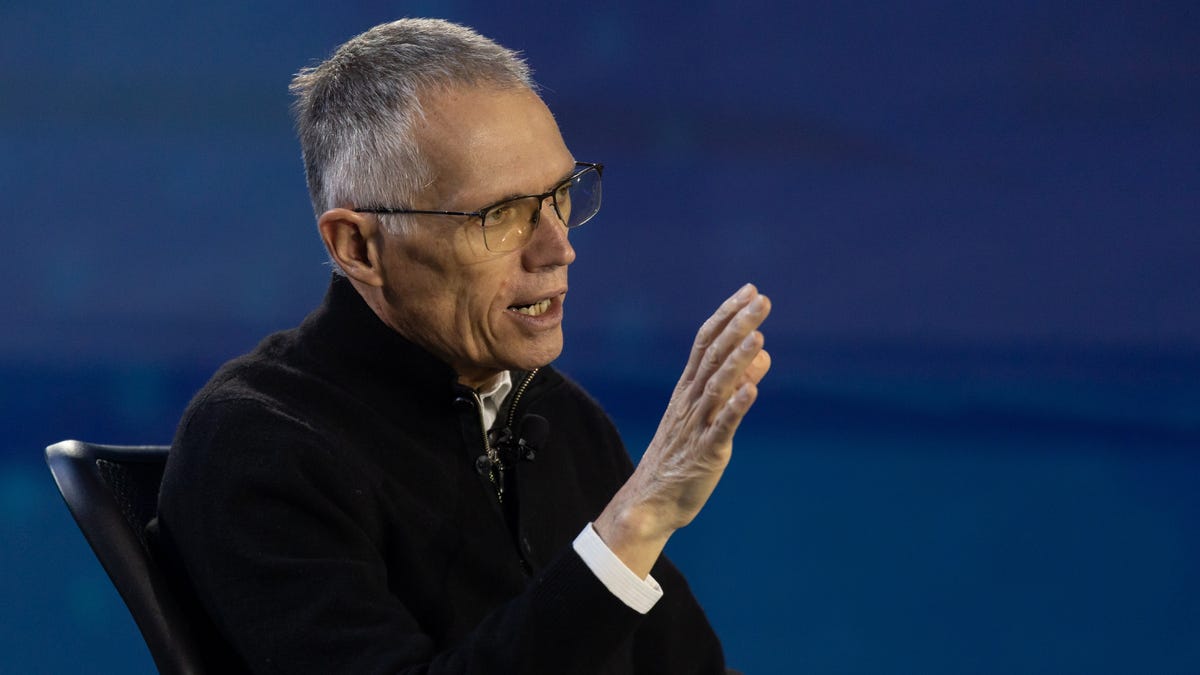
Stellantis CEO Carlos Tavares predicts that automakers could start dropping out of the market due to the transition to electric vehicles (EVs) by the end of the decade. Tavares believes that legacy automakers with profitable gas- and diesel-powered vehicles are in the best position to survive this transition. The outcome of the U.S. presidential election and the European parliament election next year could impact the speed of EV adoption. Tavares estimates that automakers not making money on EVs could collapse within two to three years, depending on the obstacles faced. Stellantis expects cost parity between EVs and internal combustion engine vehicles by 2026. Tavares emphasizes the importance of profitability in the middle-class market segment and the need to reduce costs to achieve it. Despite regulatory uncertainty, Stellantis remains committed to electrification and its Dare Forward 2030 strategy. However, Tavares acknowledges weaknesses in operational excellence and logistics.
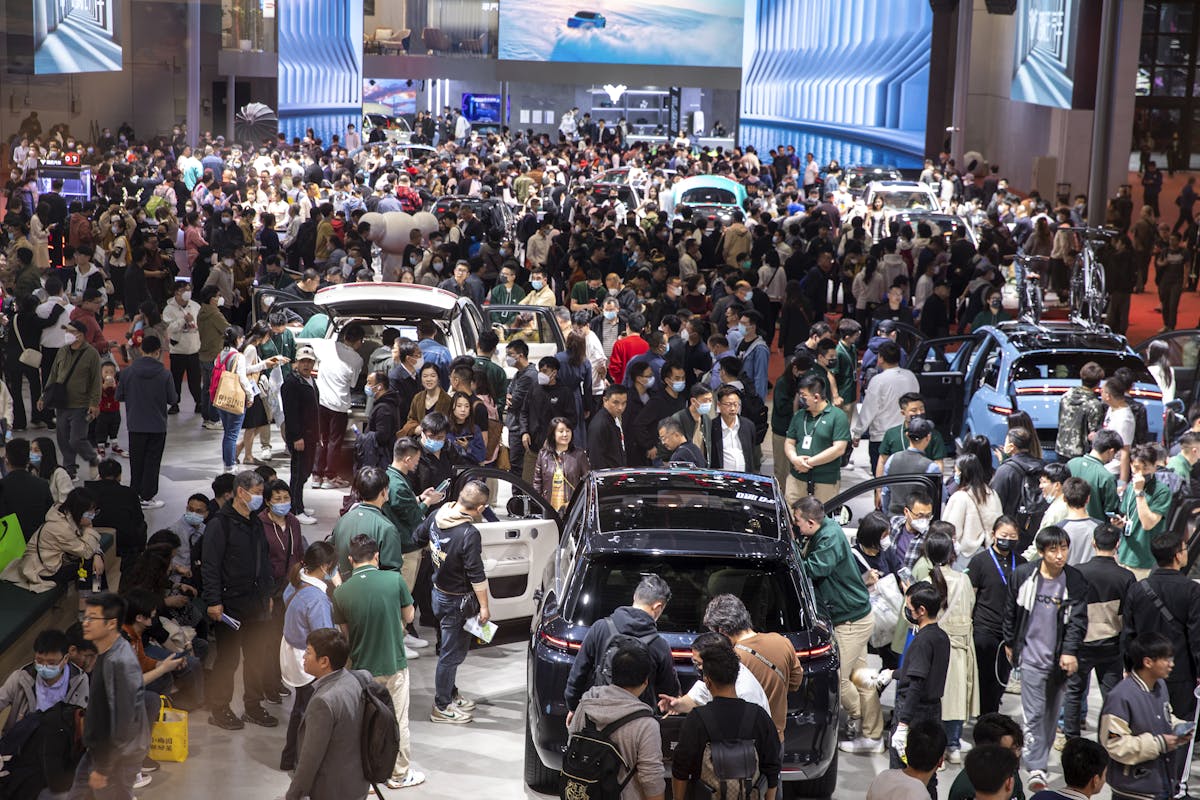
Chinese electric vehicle makers showcased their range, quality, and technology at the Shanghai Auto Show, raising doubts about the ability of Western companies to compete in China, the world's largest auto market. Analysts and legacy automaker executives worry about competition from Chinese companies in Europe and the U.S.