Tag

Volcanic Rocks

All articles tagged with #volcanic rocks

science6 months ago

Rhythmic Mantle Pulses Beneath Africa Signal New Ocean Formation

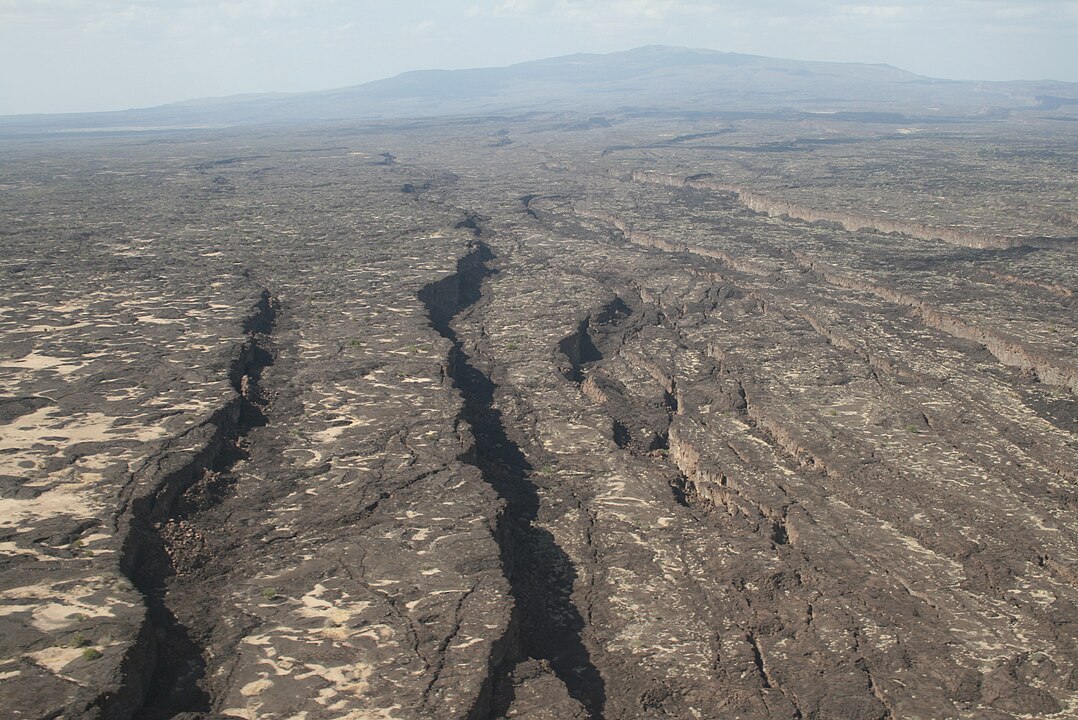
Scientists have discovered a rhythmic underground pulse beneath the Afar region in East Africa, indicating a new ocean slowly forming as the African plates pull apart. This pulsing, linked to deep mantle plumes and surface plate movements, offers new insights into the connection between Earth's interior and surface geological processes, reshaping understanding of continental breakup and mantle dynamics.

science2 years ago

"Unprecedented Discovery: Earth's Core Leaking, Scientists Reveal"

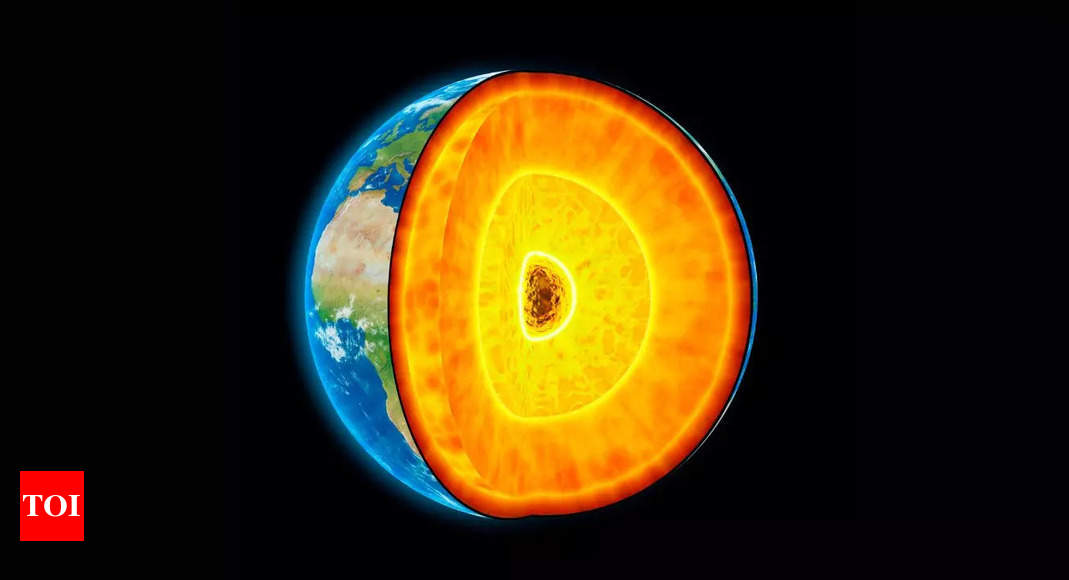
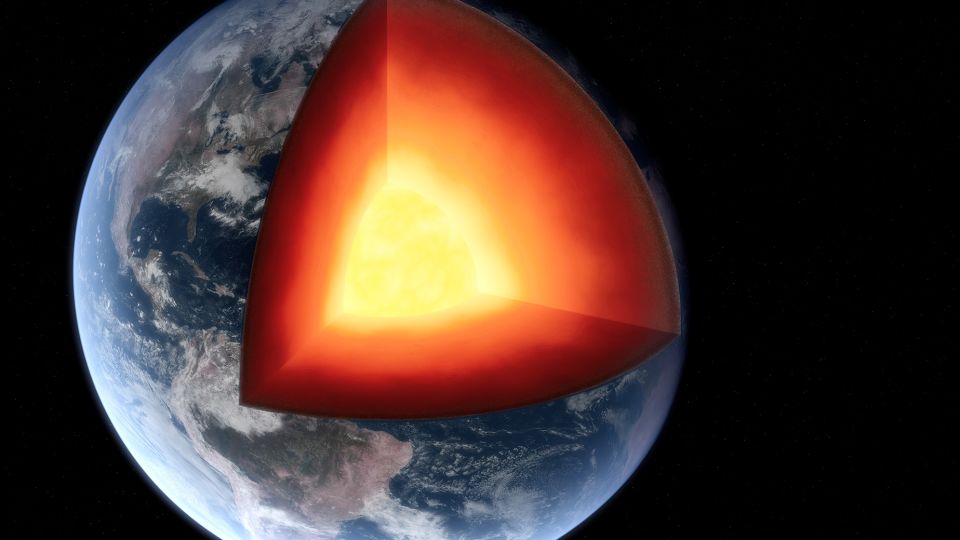
Scientists have discovered a significant amount of helium-3, a rare form of helium typically found in space, in volcanic rocks on Canada's Baffin Island. This finding supports the theory that Earth's core has been leaking helium for thousands of years. Helium-3 is created when the Earth's rocky portion stirs and convects, causing the material to ascend, cool, and sink, resulting in helium loss to the atmosphere and eventually space. The discovery offers evidence for the theory that Earth originated from a solar nebula, and the leaking process has likely been occurring for a long time.

science2 years ago

"Unprecedented Discovery: Earth's Core Leaking, Scientists Reveal"

Scientists have discovered a significant amount of helium-3, a rare form of helium typically found in space, in volcanic rocks on Canada's Baffin Island. This finding supports the theory that Earth's core has been leaking helium for thousands of years. Helium-3 is created when the Earth's rocky portion stirs and convects, causing the material to ascend, cool, and sink, resulting in helium loss to the atmosphere and eventually space. The discovery offers evidence for the theory that Earth originated from a solar nebula, and the leaking of helium-3 has likely been occurring for a long time.

science-and-technology2 years ago

"Rare and Valuable Element Leaking from Earth's Core Raises Concerns"

Scientists have discovered that Earth's core may be leaking helium-3, a rare and valuable element. High levels of helium-3 and neon-22 were found in volcanic rocks on Baffin Island, Canada, suggesting a deep source, possibly the core itself. Helium-3 is scarce on Earth but abundant in space, making it an ideal fuel for nuclear fusion. The leakage of helium-3 from the core could provide a new source of this precious element, potentially making nuclear fusion more feasible and accessible in the future.

science2 years ago

Scientists Discover Earth's Core is Leaking, Posing Global Concerns

Scientists have discovered a significant amount of helium-3, a rare version of helium, in volcanic rocks on Canada's Baffin Island, suggesting that the noble gas has been leaking from Earth's core for millions of years. Helium-3 is more commonly found in the cosmos, making its presence on Earth surprising. The findings support the theory that our planet originated in a solar nebula and provide insights into Earth's formation and evolution. The research team plans to investigate if the core also stores other light elements and their impact on planetary habitability.

science2 years ago

Scientists Discover Earth's Core is Leaking, Posing Global Concerns

Scientists have discovered a significant amount of helium-3, a rare version of helium, in volcanic rocks on Canada's Baffin Island, supporting the theory that the noble gas is leaking from Earth's core. Helium-3 is more commonly found in the cosmos, making its presence on Earth surprising. The findings provide insights into the formation and evolution of our planet, suggesting that Earth originated in a solar nebula. The research team plans to investigate if the core also stores other light elements and how they may have influenced planetary evolution.

earth-science2 years ago

"Vast Oceanic Reservoir Discovered Hidden beneath Pacific Seafloor"

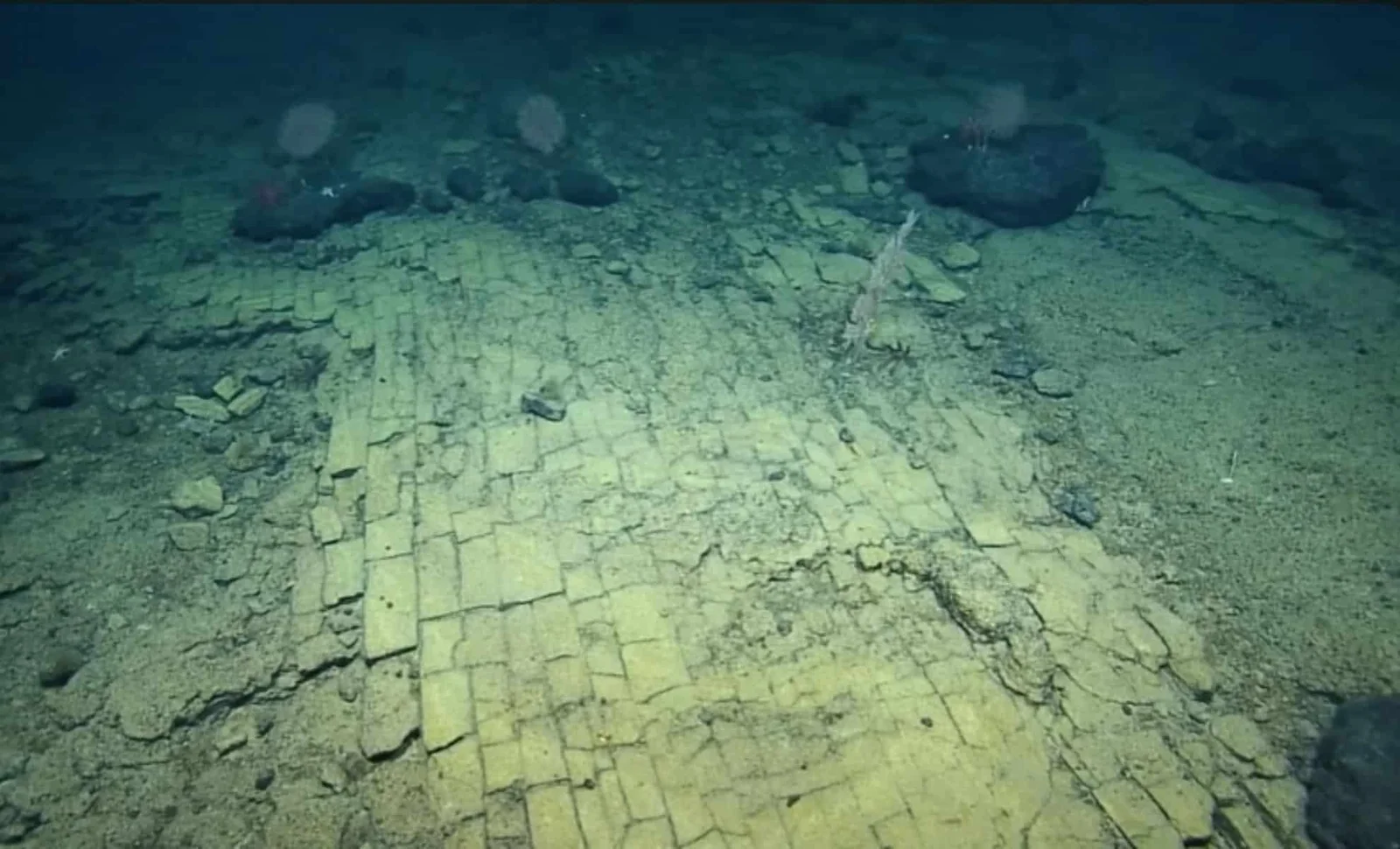
Scientists have discovered a massive water reservoir hidden deep beneath the ocean floor off the coast of New Zealand. The water became locked inside volcanic rocks that formed 120-125 million years ago and were subsequently buried under thick layers of sediment. These ancient rocks were found to be abnormally "wet," with water making up nearly half of their volume. The presence of this water reservoir may explain the occurrence of slow-motion earthquakes in the region. These earthquakes, known as "slow slip" events, are often linked to buried water stores. Further research is needed to determine the extent of the reservoir and its effect on the fault line.