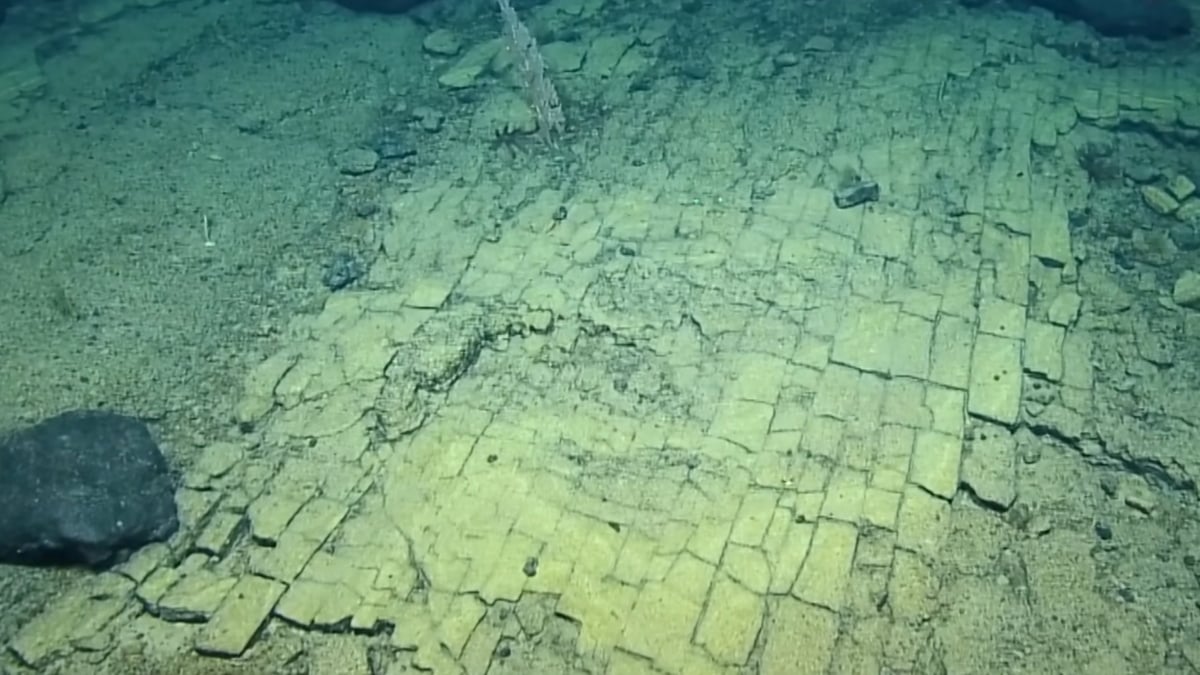
Scientists exploring the deep-sea ridge near Hawaii discovered a mysterious 'yellow brick road' formed by fractured volcanic rock, highlighting the vast unexplored areas of Earth's seafloor and offering new insights into underwater geology and ecosystems.
Scientists exploring the deep-sea ridge near Hawaii discovered a mysterious 'yellow brick road' made of fractured volcanic rock, highlighting the vast unexplored areas of Earth's ocean floor, with only about 0.001% of it visually documented so far.
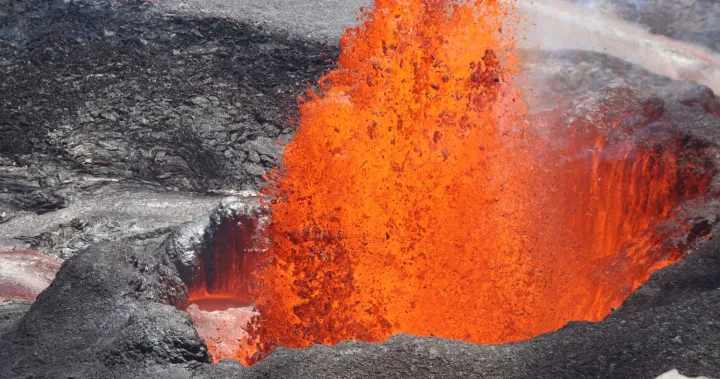
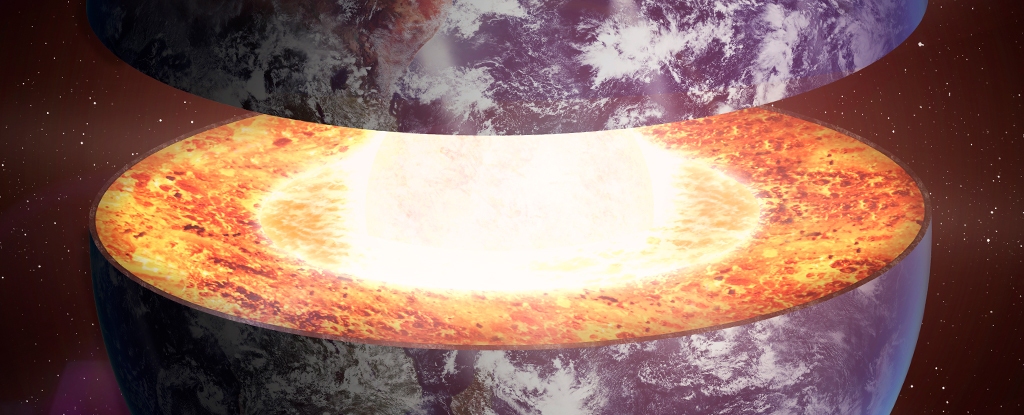
Scientists have discovered that gold and other precious metals are leaking from Earth's core into the mantle and reaching the surface through volcanic activity, challenging previous assumptions about the core's isolation and opening new avenues for understanding Earth's mineral deposits.
New research indicates that Earth's core contains vast amounts of gold and other heavy metals, which are slowly leaking into the mantle and reaching the surface via volcanic activity, challenging previous assumptions about the core's isolation.
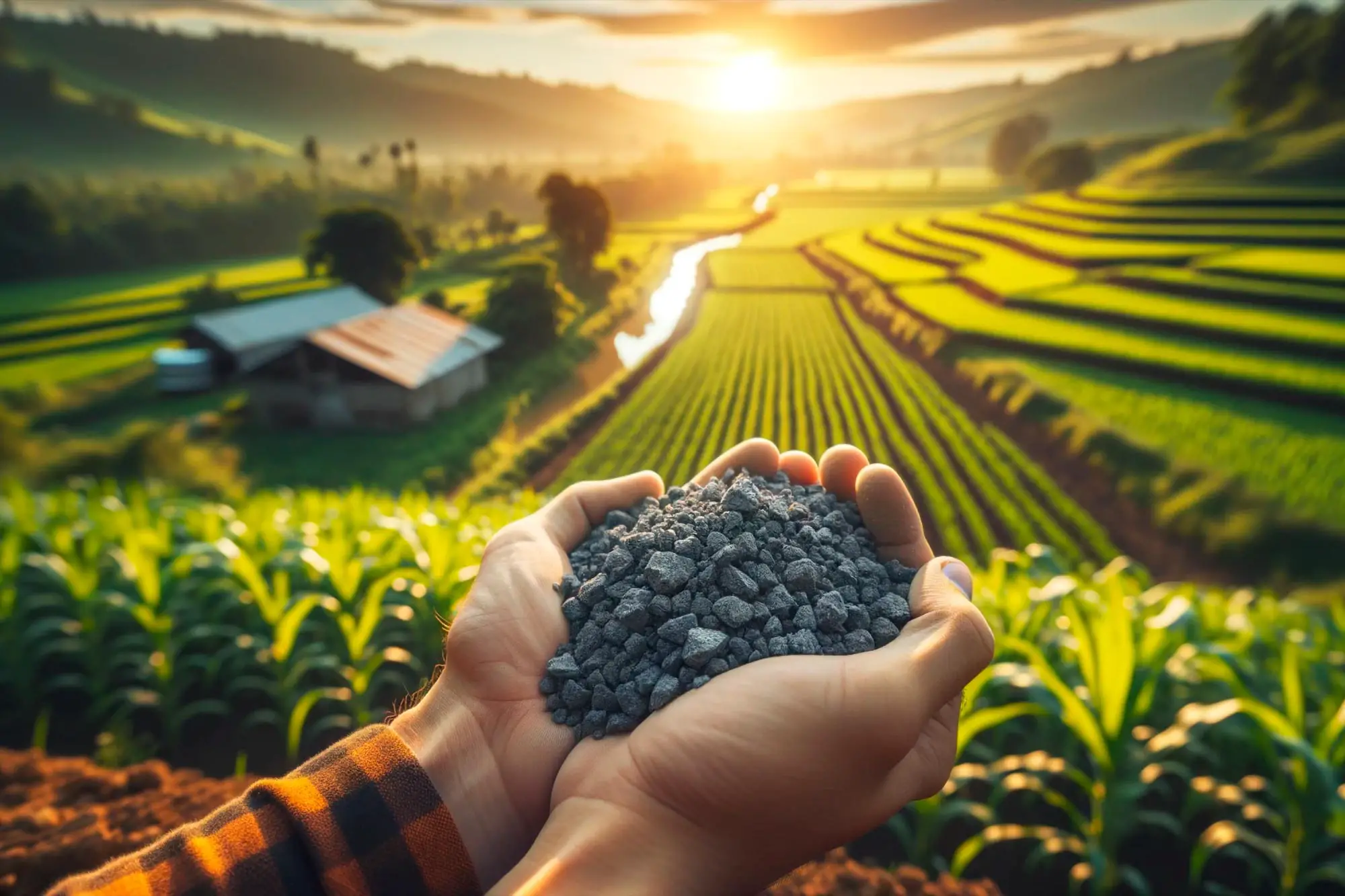
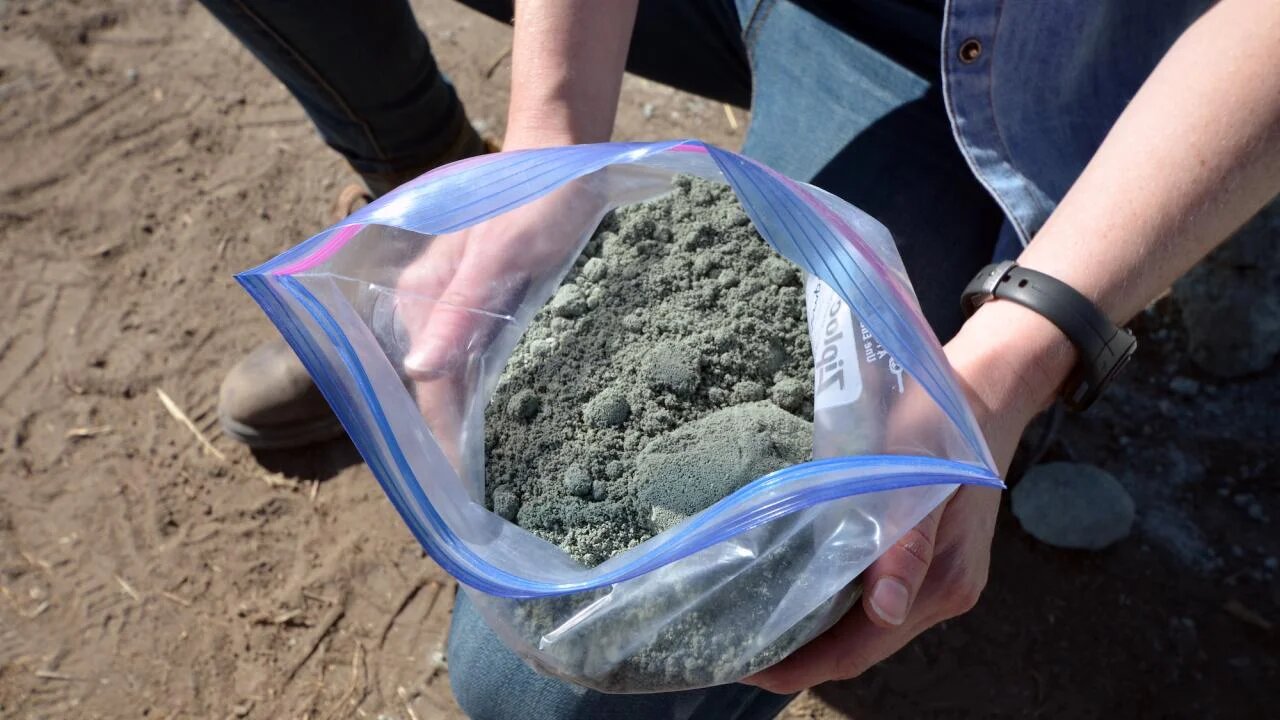
Scientists from UC Davis and Cornell University have conducted a field study demonstrating that applying crushed volcanic rock to croplands can store carbon in soil, even in dry climates like California. This "enhanced rock weathering" technique could potentially capture up to 215 billion tons of CO2 over 75 years if implemented globally. The study found that the addition of crushed rock stored carbon dioxide in the soil, even during an extreme drought. This research suggests that drylands, which cover a significant portion of Earth's land surface and are expanding due to climate change, could play a crucial role in carbon storage efforts.
Adding crushed volcanic rock to farmland can help remove carbon dioxide from the air, according to a field study conducted by researchers at the University of California, Davis, and Cornell University. The study found that the technology of enhanced rock weathering, which speeds up the process of carbon capture, was effective even in dry climates. By crushing the rock into a fine dust, it reacts with rainwater to capture carbon dioxide and store it in the soil. The researchers observed carbon removal during an extreme drought in California, and if this method was applied to all croplands in the state, it could be equivalent to taking 350,000 cars off the road annually. The study highlights the potential of this technique in combating climate change and the need for further research and verification at larger scales.
Scientists have discovered record concentrations of a helium isotope in 62-million-year-old Arctic rocks, providing evidence of a slow leak in Earth's core. The helium, trapped during the planet's formation, is making its way to the surface. Helium is a rare material on the planet's surface due to its ability to easily diffuse into the atmosphere and space. The high concentration of helium found in volcanic rocks on Canada's Baffin Island suggests its deep and ancient origins. The research suggests that noble gases trapped in Earth's core could have been protected during its formation and gradually seeped into the surrounding mantle over time. This discovery could provide insights into the processes of Earth's core and the formation of planets.
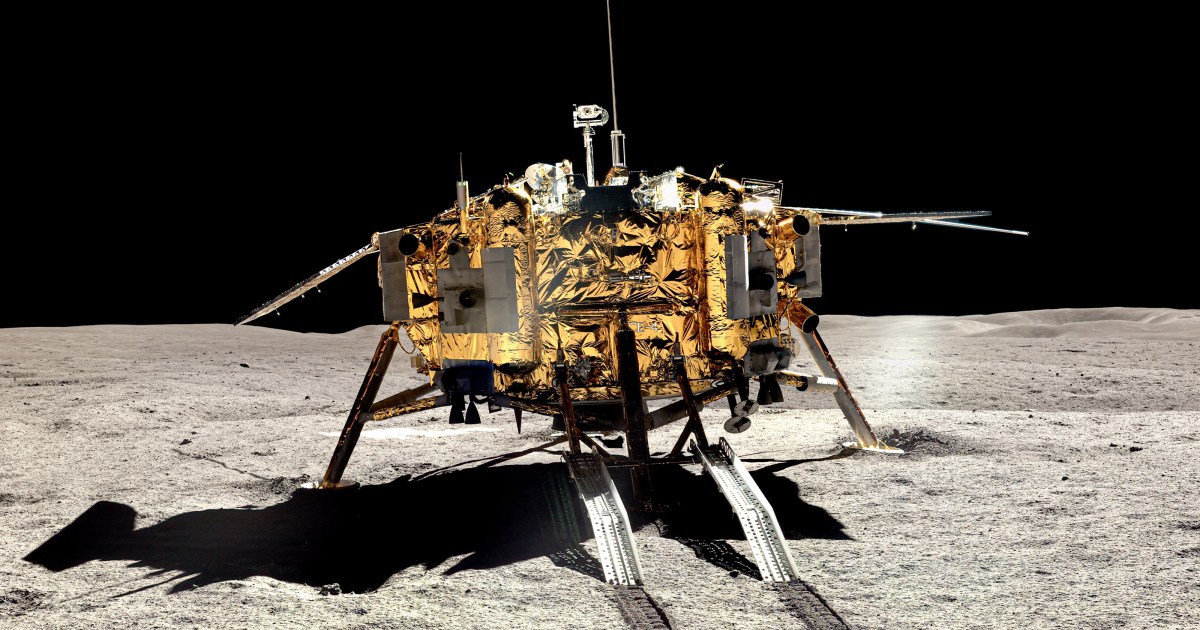
Scientists have used recordings from China's Chang'e 4 rover to create a new moon map that reveals structures hidden beneath the lunar surface. The map, created using the rover's Lunar Penetrating Radar, shows evidence of a crater, layers of dust and broken rock, and five layers of volcanic rock. The findings provide insights into the Moon's history and could contribute to our understanding of Earth's formation and the search for habitable planets.